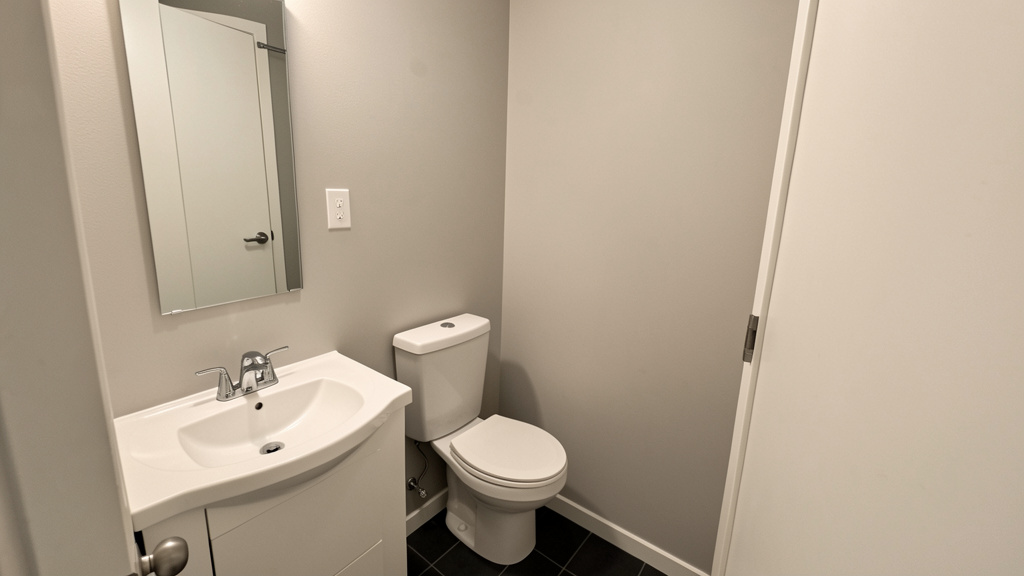
Go beyond Pinterest hacks. Discover the precise engineering, ergonomic, and installation principles that transform cramped bathrooms into efficient, luxurious retreats—without moving a single wall.
Transforming a small bathroom isn’t about sacrificing comfort for square footage. It’s about strategic fixture selection that leverages spatial psychology, plumbing intelligence, and material innovation. This guide delivers an actionable framework used by design professionals to maximize every inch, avoid common pitfalls, and create a space that feels intentionally designed, functional, and uniquely suited to your daily rhythms. Forget generic “10 ideas” lists—we explore the why behind every choice, the hidden constraints often overlooked, and the thoughtful measurements that separate frustration from flow.
Introduction
Walk into any home improvement store, and you’ll see aisles of “space-saving” bathroom fixtures promising miracles for tight quarters. Yet many renovations end with homeowners facing a cramped space where the new toilet impedes movement, the sink feels disconnected, and storage remains elusive. Why does this happen? Because optimizing a small bathroom requires more than swapping standard fixtures for smaller versions. It demands a systematic approach grounded in human factors, building constraints, and spatial awareness. Drawing from established accessibility guidelines, industry design standards, and observed patterns in residential retrofits, this framework shifts focus from what to buy to how to think. We’ll explore the interplay between fixture dimensions, plumbing realities, movement patterns, and perceptual psychology. Whether you’re working with a compact powder room or a narrow primary bath, this guide provides a methodology to transform constraint into opportunity—creating a space that feels calm, purposeful, and effortlessly functional.
The Spatial Intelligence Framework: A Three-Step Protocol for Fixture Selection
Before browsing product catalogs or saving inspiration images, pause. Jumping straight to fixture selection is a frequent source of renovation friction. Without foundational analysis, you risk choosing a visually appealing sink that blocks cabinet access or a sleek toilet requiring complex plumbing changes. The Spatial Intelligence Framework reduces uncertainty through three sequential phases. Adapted from spatial planning approaches used in compact living design globally, this protocol transforms subjective discomfort into objective, actionable insight. Each step builds deliberately on the last, creating a decision filter that supports informed choices and minimizes emotional purchasing.
Step 1: The Precision Measurement Protocol
Measurement seems straightforward—until unexpected constraints emerge. Standard tape measures often miss critical details: pipe protrusions, uneven walls, electrical boxes, or subtle floor slopes. The Precision Measurement Protocol captures functional dimensions, not just room outlines.
Why this step matters: Industry observation consistently identifies inaccurate initial measurements as a leading contributor to renovation delays, particularly regarding plumbing points and structural elements. One overlooked detail can lead to costly adjustments or compromised usability.
How to execute it thoughtfully:
1. Create a “Constraint Map”: Use graph paper (1 square = 6 inches) or a free app like MagicPlan. Sketch the room’s perimeter. Then, mark every fixed element:
* Plumbing: Measure from the finished wall to the center of the toilet flange (commonly 12 inches, but older homes may vary: 10″, 14″). Note drain locations for sinks/tubs. Observe pipe diameters protruding from walls.
* Electrical: Locate GFCI outlets (typically required within reach of the sink per electrical code), light switches, and existing wiring boxes. Note if outlets are surface-mounted (adding depth).
* Structural: Identify potential load-bearing walls (often thicker, with less hollow sound when tapped). Mark window sills, door swing arcs (measure clearance space), and HVAC vents.
* Flooring: Check for slope toward drains using a level; even minor dips affect fixture stability and water flow.
2. Measure Movement Zones: Document the space people occupy:
* Toilet Zone: Minimum 30″ width clearance in front of bowl (design guidelines often suggest 32″+). Measure side clearance to nearest obstacle—minimum 15″ from center of bowl is common practice.
* Sink Zone: Minimum 21″ clearance in front of sink. For potential knee space under vanities, note existing pipe locations.
* Shower Zone: Minimum 36″x36″ is widely recommended for standing comfort, though neo-angle bases can function effectively in 32″x32″ corners. Measure door swing or curtain clearance needs.
3. Document Photographically: Take clear, timestamped photos of every wall, floor corner, and ceiling junction. Label visible pipes, note material types where apparent (e.g., PVC vs. older drain materials), and capture context for future reference.
Common considerations to keep in mind:
* Measuring beyond floor space: Ceiling height impacts overhead storage options; wall depth affects feasibility of recessed elements.
* Accounting for asymmetry: Older homes rarely have perfectly square rooms. Measure width at top, middle, and bottom of walls.
* Including practical clearance: A 30″ vanity may physically fit in a 31″ space, but leaves no room for opening drawers or comfortable movement. Allow 2-3″ buffer for usability.
* Considering evolving needs: Could future mobility needs or visiting family members influence layout choices? Building in flexibility now may prevent challenges later.
Practical Tip: Create a physical “mock-up” using painter’s tape on floors and walls. Outline the exact footprint of shortlisted fixtures. Walk through the space. Sit where the toilet will be. Open imaginary cabinet doors. This tactile test reveals spatial conflicts no diagram can fully capture.
Step 2: Activity Mapping and Flow Analysis
Measurements define the container; activity mapping defines the content. What actually happens in this bathroom? A powder room used for quick handwashing has vastly different needs than a primary bath where multiple people prepare simultaneously. Activity mapping identifies micro-movements and friction points invisible in static plans.
Why this step matters: Ergonomic principles suggest that reducing unnecessary steps and optimizing reach distances in compact spaces can significantly decrease daily friction and enhance the feeling of spaciousness. Flow isn’t a luxury—it’s foundational to comfort.
How to execute it thoughtfully:
1. Log Real Usage (Optional but insightful): For a few days, note bathroom visits. Track:
* Primary activities (showering, grooming, toilet use)
* Secondary activities (applying makeup, medication storage, folding towels)
* Peak usage times (e.g., “7:15 AM: Two adults preparing simultaneously”)
* Observed pain points (“Reach for toothbrush requires leaning,” “Towel location blocks door swing”)
2. Map Movement Paths: On your constraint map, sketch typical paths:
* Entry → Sink → Toilet → Exit
* Entry → Shower → Towel Grab → Sink
* Identify “conflict zones” where paths cross (e.g., shower exit blocking sink access).
3. Define Functional Micro-Zones: Even in tiny spaces, mentally divide the bathroom:
* Hygiene Zone: Toilet area. Requires privacy, accessible paper storage, minimal splash risk.
* Grooming Zone: Sink area. Needs appropriate lighting, mirror placement, product storage within easy reach.
* Refresh Zone: Shower/bath area. Requires safe entry/exit, logical control placement, accessible product storage.
* Transition Zone: Entry/exit path. Must remain clear for safety and intuitive movement.
4. Simulate Shared Use: If multiple people use the space concurrently, visualize interactions. Can one person access the sink while another uses the toilet? Is towel access convenient from both zones without crossing paths?
Common considerations to keep in mind:
* Designing for range: Consider the heights and potential mobility needs of all household members, not just an “average” user.
* Acknowledging handedness: Toilet paper holder placement relative to dominant hands creates daily ease or friction.
* Sensory flow matters: Lighting quality over the sink affects usability; ventilation impacts mirror fogging and air quality. Flow includes light, air, and sound.
* Planning for “in-between” moments: Where do wet towels go immediately after showering? Where is a robe hung? Addressing these micro-moments reduces clutter.
Illustrative Scenario: In a 42-square-foot bathroom, activity mapping revealed morning congestion: one person’s path from shower to sink crossed directly in front of the other’s seated position at the vanity. The solution? Swapping sink and toilet locations within existing plumbing constraints created parallel flow paths. The physical footprint remained unchanged, but perceived spaciousness increased because movement became intuitive rather than obstructive.
Step 3: The Fixture Matching Matrix
Armed with precise constraints and human-centered activity insights, fixture selection becomes deliberate. The Fixture Matching Matrix moves beyond “smaller is better.” It evaluates each candidate against four dimensions: Spatial Footprint, Functional Yield, Installation Reality, and Perceptual Impact. Rate each fixture 1-5 on these criteria. The highest total score often indicates the most balanced choice—not necessarily the smallest physical size.
| Fixture Candidate | Spatial Footprint (Size/Shape) | Functional Yield (Storage/Use) | Installation Reality (Plumbing/Structure) | Perceptual Impact (Visual Weight) | TOTAL |
|---|---|---|---|---|---|
| Standard Pedestal Sink | 2 | 1 | 5 | 3 | 11 |
| Wall-Hung Vanity (24″) | 4 | 3 | 3 | 5 | 15 |
| Corner Vessel Sink | 5 | 2 | 2 | 4 | 13 |
| Recessed Medicine Cabinet | 5 | 4 | 2 | 4 | 15 |
| Surface-Mount Cabinet | 3 | 4 | 5 | 2 | 14 |
Why this step matters: A fixture might excel in size (Spatial Footprint) but present challenges in Installation Reality (e.g., requiring wall modification). The matrix encourages holistic evaluation, preventing aesthetic choices from overriding practicality.
How to apply it thoughtfully:
* Spatial Footprint: Score based on effective space used. A wall-hung toilet often scores high (5) because it frees floor space visually and physically. A bulky pedestal sink may score lower (2) due to floor area occupied with minimal function.
* Functional Yield: How much utility does it provide per square inch? A slim over-toilet shelf scores well (4) for adding storage without expanding the room’s footprint. A simple towel bar scores lower (1) unless integrated with other functions.
* Installation Reality: Be realistic. Score 5 = “Aligns with existing rough-in with minor adjustment.” Score 1 = “Requires significant plumbing rerouting, structural changes, or electrical work.” Consulting a plumber before finalizing scores here is wise. This dimension is where many projects encounter unexpected complexity.
* Perceptual Impact: How does it affect the feeling of space? Light colors, slender profiles, and wall-mounted designs typically score higher (4-5). Dark colors, heavy bases, and floor-standing units may score lower (1-2) in very compact settings. Mirrors and glass enhance perception significantly.
Common considerations to keep in mind:
* Balancing aesthetics and function: A beautiful vessel sink might score high visually but lower on Functional Yield (cleaning access) or Installation Reality (countertop requirements). Seek balance.
* Factoring in maintenance: A frameless glass shower door scores high on Perceptual Impact but requires consistent cleaning in hard water areas. Consider your willingness to maintain.
* Viewing the system: How does Fixture A interact with Fixture B? A wall-hung vanity paired with a floor-standing toilet may create visual inconsistency. Aim for cohesive scoring across the space.
* Considering future adaptability: While personalizing is valuable, extremely niche choices may limit future flexibility. Balance uniqueness with broad usability.
The Guiding Insight: Space optimization is not about shrinking fixtures—it’s about aligning human movement patterns with thoughtful product selection to cultivate perceived spaciousness. A well-placed 24-inch vanity within a logically planned layout will feel more generous than a poorly positioned larger unit. The goal is cognitive ease: when every element has a logical place and purpose, the mind relaxes, and the room feels calmer and more open.
Deep Dive: Space-Saving Fixtures by Category
Having established our framework, we now apply it thoughtfully to core fixtures. For each category, we explore engineering considerations, installation realities, material factors, and perceptual impact—addressing the unspoken questions: “Will this work within MY constraints?” “What trade-offs should I anticipate?” “How does this integrate with the whole space?” This is where planning meets practical reality.
Wall-Hung Toilets: Engineering the Illusion of Space
The wall-hung toilet is a cornerstone of modern compact bathroom design. Suspended above the floor, it creates visual continuity, making floors appear more expansive and simplifying cleaning. Its benefits extend beyond aesthetics to spatial psychology and ergonomic flexibility.
Why this fixture resonates: Visually, the exposed floor beneath the bowl encourages the eye to travel uninterrupted, enhancing perceived depth. Psychologically, the absence of a bulky tank reduces visual complexity. Functionally, concealed carrier systems allow for adjustable seat height (typically 15″-19″), accommodating varying user needs—a meaningful ergonomic consideration. Reputable carrier systems undergo extensive durability testing and include service access panels, addressing common longevity concerns.
How to evaluate and plan thoughtfully:
* Carrier and Bowl Compatibility: Toilet bowls are designed specifically for their carrier systems (e.g., Brand X bowls require Brand X carriers). Verify compatibility early. Carriers typically require a minimum wall depth of 4-6 inches (standard stud walls with drywall often suffice, but measure your specific wall).
* Rough-In Assessment: Standard toilet rough-in distance is commonly 12″ from wall to flange center. Wall-hung systems require the carrier to mount within the wall cavity at this point. If your existing flange is at 10″ or 14″, relocation may be complex. Key Step: Confirm your rough-in measurement before selecting a system. If non-standard, explore compatible toilets or discuss modification feasibility with a plumber.
* Wall Structure Consideration: Carrier systems require secure attachment to framing. In non-load-bearing walls, additional blocking between studs is usually necessary to support weight. For load-bearing walls, assessment by a qualified professional is recommended before proceeding. Never assume wall integrity—verify.
* Access Panel Integration: The carrier’s service panel must remain accessible for future maintenance. Never tile directly over it. Plan its placement during design: integrate it behind a removable tile section, within an adjacent closet wall, or using a matching access door. This is a critical detail often overlooked until too late.
* Flush Actuator Selection: Choose between pneumatic buttons (reliable, mechanical) or electronic plates (sleek, may include features like nightlights). Consider alignment with tile layout for a polished appearance. Precise measurement prevents aesthetic misalignment.
Common considerations to keep in mind:
* Prioritizing service access: Blocking access for aesthetics creates future headaches. Design access in elegantly from the start.
* Acknowledging installation complexity: This project typically requires skilled plumbing and carpentry. Factor professional labor costs into planning. Obtain multiple quotes to set realistic expectations.
* Selecting bowl shape thoughtfully: Elongated bowls offer comfort but add depth. In very tight widths (<30″), a compact round bowl may be necessary. If possible, review dimensions carefully; comfort is essential.
* Considering seat height: Standard height is ~15″. “Comfort height” (17″-19″) eases sitting/standing for many adults but may be less ideal for children or shorter users. Adjustable-height seats are an option for diverse needs.
Adaptive Pathways for Different Constraints:
* Path A (When structure and budget align): Full wall-hung system with carrier. Highest initial investment, maximum visual and cleaning benefits. Requires professional installation assessment.
* Path B (Balanced compromise): “Skirted” or “Concealed Trapway” Floor-Mount Toilet (e.g., Kohler Wellworth, American Standard Cadet 3). Features a smooth, continuous base that hides the trapway, offering cleaner lines than traditional two-piece toilets. Easier installation path, moderate cost, retains some floor-cleaning considerations but provides significant visual improvement.
* Path C (Optimizing existing fixture): If replacement isn’t feasible, enhance the current toilet: Install a slim-profile wall-mounted toilet paper holder, add a wall-mounted bidet seat to reduce nearby storage needs, and ensure recommended side clearance is maintained. Focus cleaning efforts on the base to minimize visual bulk.
Material & Finish Consideration: White remains a versatile choice for light reflection. Matte black or brushed nickel actuators can add sophisticated contrast if echoed in other fixtures (faucet, shower controls). Avoid very dark-colored bowls in low-light spaces—they absorb light. For high-traffic households, surfaces with antimicrobial properties may reduce cleaning frequency.
Corner Sinks and Strategic Basin Placement
The sink anchors the bathroom’s functionality. In compact spaces, its placement and profile significantly influence flow, storage potential, and visual harmony. Moving beyond the standard center-wall vanity unlocks powerful spatial strategies, particularly by utilizing underused corners.
Why corner and shallow-depth solutions work: Corners often represent underutilized space in rectangular rooms—ideal for anchoring a fixture without impeding movement paths. Corner sinks or shallow-depth vanities (16″-18″ deep vs. standard 21″) reduce protrusion into the room, preserving critical knee and movement space. Vessel basins (sitting on the counter) paired with shallow vanities can enhance this effect, though ergonomic considerations regarding sink height are important.
How to evaluate and plan thoughtfully:
* Corner Geometry Assessment: Measure your exact corner angle. True corner sinks are designed for precise 90-degree installations. For irregular corners, a small round or oval wall-hung sink placed near the corner (not forced into it) often functions better. Ensure faucet reach accommodates the basin shape—wall-mounted faucets are ideal for corner sinks to avoid awkward reach.
* Ergonomic Height Calculation: For vessel sinks, calculate total height: Counter height (typically 32″-34″) + Basin height (4″-6″). Total should ideally fall within a comfortable range for primary users (often 34″-38″). For taller users, lean toward lower counters or shallower basins. For accessibility considerations, vessel sinks may present challenges due to reduced knee clearance; prioritize comfort and usability.
* Drain and Faucet Compatibility: Vessel sinks require specific “vessel faucets” with taller spouts and compatible drain assemblies. Confirm drain hole size compatibility before purchasing sink and faucet. Mismatched components lead to installation issues.
* Countertop Depth Optimization: Pair vessel sinks with countertops no deeper than 18″. Every inch saved translates directly to more floor space. For corner vanities, triangular or “pie-slice” shaped tops maximize corner use while minimizing protrusion. Verify that the vanity base (if used) doesn’t obstruct knee space or door swings.
* Plumbing Clearance Check: Before selecting a wall-hung or shallow vanity, verify existing pipe locations. Supply lines and P-traps need space behind the wall or within the cabinet. A shallow vanity may require pipe adjustment—a discussion point for your plumber. Photograph existing plumbing before any demolition.
Common considerations to keep in mind:
* Managing splash potential: Vessel sinks with low rims or placed too close to the user may increase splash risk. Choose basins with slightly higher backs or inward-sloping rims. Position the faucet so water flows directly into the basin center.
* Cleaning accessibility: The gap between a vessel sink and countertop can collect grime. Select sinks designed for easy cleaning (smooth transitions, integrated seals) or commit to regular maintenance. Wall-hung corner sinks eliminate this issue entirely—floors clean right up to the wall.
* Faucet reach verification: A faucet that doesn’t extend sufficiently over a corner sink forces awkward hand-washing angles. Wall-mounted faucets often provide optimal reach and a streamlined profile for corner installations.
* Compensating for storage: A beautiful corner vessel sink might reduce under-sink storage. Plan compensatory storage elsewhere: integrate a recessed medicine cabinet above, add wall-mounted shelves beside the sink, or utilize over-toilet space. Balance aesthetics with functional needs.
Adaptive Pathways for Different Constraints:
* Path A (Custom integration): Custom-fabricated corner wall-hung vanity with integrated sink (solid surface or porcelain). Maximizes corner use, provides storage, simplifies floor cleaning. Requires skilled installation and higher investment.
* Path B (Practical prefabricated): Prefabricated corner shelf unit with a small wall-mounted sink basin (e.g., Kohler K-2214). The shelf provides towel/product storage; the basin maintains a minimal footprint. Moderate cost, more accessible installation. Ensure shelf depth doesn’t obstruct movement.
* Path C (Temporary optimization): Repurpose a sturdy, deep wall shelf (properly mounted to studs) as a sink base. Mount a compact wall-hung basin on top. Paint shelf to blend with walls. Provides minimal storage and a clean look at lower cost. Verify weight capacity and secure mounting thoroughly.
Material & Finish Consideration: For corner sinks, seamless materials like solid surface or ceramic minimize grout lines and simplify cleaning in tight angles. For vessel sinks, glass offers luminosity but shows water spots; stone requires sealing; ceramic is durable and versatile. Match faucet finish to other metals for cohesion. In very small baths, avoid busy patterns on countertops—solid light colors enhance spaciousness.
Neo-Angle and Slim-Line Showers: Reclaiming Underutilized Corners
The shower often consumes significant space. Standard square bases dominate small bathrooms, but corners hold untapped potential. Neo-angle (diamond-shaped) and slim-line (narrow rectangular) shower bases are engineered to fit efficiently into corners or tight alcoves, reclaiming square footage without compromising safety or comfort.
Why neo-angle and slim-line designs excel: A standard square base in a corner leaves unused triangular space. A neo-angle base (typically 32″x32″ or 34″x34″) conforms precisely to the 90-degree corner, utilizing that void efficiently. Slim-line bases (e.g., 32″x48″) reduce depth while maintaining usable standing area, ideal for narrow rooms. Both styles often pair with frameless glass or sliding doors that minimize visual obstruction, enhancing openness. Critically, they maintain a comfortable standing area within a reduced footprint.
How to evaluate and plan thoughtfully:
* Precise Corner Verification: Neo-angle bases require a true 90-degree corner. Use a large carpenter’s square to verify. If walls are out of plumb (common in older homes), shimming during installation may be necessary. Measure the corner diagonally at multiple heights—walls may not be straight. Confirm measurements before ordering; custom cuts increase cost and lead time.
* Threshold Height for Safety: Choose a low-threshold base (under 1.5″ high). High thresholds pose trip hazards, especially in wet conditions. Bases with thresholds under 0.5″ align with accessibility guidelines. Ensure the threshold slope directs water inward effectively.
* Door Mechanism Selection: In tight spaces, a swinging door consumes valuable floor area. Neo-angle bases often pair with doors that swing outward (verify local code requirements). However, a sliding bypass door system eliminates swing space entirely. For very narrow openings (<30″), a pivot door may require less clearance than a standard hinge.
* Niche Planning During Installation: Plan shower niches before tiling. Standard niches eliminate the need for bulky caddies. Position the primary niche at chest height (48″-54″ from floor) within easy reach. For neo-angle showers, a single niche on the front wall is often sufficient; avoid niches on angled walls where placement is awkward. Ensure niche depth doesn’t compromise wall structure—install blocking between studs during framing if possible.
* Drain Location Strategy: Center drains are standard. Linear drains along the threshold wall offer a modern look and can improve water flow in shallow bases but require precise slope preparation and are costlier. For most retrofits, a standard center drain aligned with existing plumbing is the most practical path. Confirm drain location matches your rough-in or budget for relocation.
Common considerations to keep in mind:
* Verifying door clearance: Ensure the shower door can open fully without hitting nearby fixtures. Mock up the door swing with tape before finalizing the layout. Allow adequate clear space outside the shower for safe entry/exit.
* Glass maintenance planning: Frameless glass shows water spots. Applying a hydrophobic glass treatment during installation creates a protective layer that causes water to bead and roll off, significantly reducing cleaning effort. Consider this a worthwhile step.
* Thoughtful niche placement: Avoid installing a niche directly behind the showerhead where constant water spray affects stored items. Position niches to the side of the spray zone. Avoid locations where elbows or knees would bump them.
* Waterproofing priority: For custom tiled showers (not prefab bases), proper slope preparation under the waterproofing layer is essential for drainage. Water must flow to the drain. This critical step warrants experienced installation.
Adaptive Pathways for Different Constraints:
* Path A (Custom tiled solution): Custom-tiled neo-angle shower with integrated niches and frameless glass. Maximum customization, seamless appearance. Requires skilled labor and higher investment.
* Path B (Prefabricated efficiency): Prefabricated neo-angle or slim-line acrylic/fiberglass shower base with matching wall surround panels (e.g., Kohler Choreograph, Sterling Ensemble). Panels install quickly over existing walls, minimizing demolition. Choose panels with integrated shelves/niches. Cost-effective, more DIY-accessible for experienced renovators. Ensure panels fit your exact measurements.
* Path C (Immediate improvement): High-quality tension shower rod with a curved extension and a fabric liner. The curve pushes the curtain outward, gaining a few inches of standing room. Pair with adhesive-mounted corner caddies for storage. Very low cost, zero permanent installation. Best for rentals or temporary solutions. Ensure rod is rated for the width; test stability.
Material & Finish Consideration: Light-colored, large-format tiles (or seamless wall panels) make the shower feel larger. Avoid busy patterns or dark grout. For prefab bases, acrylic feels warmer underfoot than fiberglass; fiberglass is durable. Textured surfaces on the shower floor are essential for slip resistance—verify safety ratings. For glass doors, clear glass maximizes light transmission; use frosted or patterned glass sparingly on side panels only for privacy without visual weight.
Recessed Niches and Over-Toilet Storage: Mastering Vertical Real Estate
When floor space is limited, vertical space becomes invaluable. Walls—particularly above the toilet and within shower enclosures—represent significant underutilized storage potential. Recessed niches and purpose-built over-toilet units transform unused air space into highly functional zones without encroaching on movement paths.
Why vertical storage matters: Design guidelines recommend maintaining clear floor space in front of fixtures for safety and flow. Sacrificing this for freestanding cabinets creates congestion. Vertical storage keeps the floor plane open, enhancing movement and perceived spaciousness. Recessed elements have near-zero visual footprint—they don’t protrude, preserving clean sightlines. Over-toilet storage leverages a zone otherwise unused, providing dedicated organization within natural reach.
How to implement thoughtfully:
* Recessed Shower Niche Considerations:
* Structural Awareness: Avoid cutting into load-bearing walls without professional assessment. Locate studs using a quality stud finder. Niches typically span between studs (16″ or 24″ on center). Standard niche width is 12″-16″. Depth should align with wall cavity depth (usually ~3.5″ for standard walls). Install horizontal blocking between studs at the top and bottom of the niche opening before drywall for secure tile backing.
* Waterproofing Priority: The niche interior must be fully waterproofed. Apply liquid membrane or use a prefabricated waterproof niche kit. Slope the niche shelf slightly (1/8″ per foot) toward the shower interior to prevent water pooling. Use bullnose tile or a preformed niche with a rounded front edge for safety and ease of cleaning.
* Strategic Placement: Primary niche: Centered on the wall opposite the showerhead, at chest height (48″-54″). Secondary niche: On the side wall for shampoo/conditioner, positioned within natural reach while lathering. Avoid placing niches directly under the showerhead stream.
* Over-Toilet Storage Solutions:
* Clearance Verification: Measure meticulously. Minimum clearance above tank lid: 2″. Minimum side clearance to walls: 1″. Account for tank lever placement. Units must not obstruct toilet lid opening or toilet paper holder access. Wall-mounted shelves require secure anchoring into studs—drywall anchors alone are insufficient for sustained weight.
* Depth Optimization: Choose units no deeper than 8″-10″. Deeper shelves force leaning forward, disrupting posture. Tiered shelves (stepped back) improve visibility and access. Open-front designs feel less bulky than enclosed cabinets.
* Material Suitability: Avoid solid wood in humid environments—it may warp. Opt for moisture-resistant materials: powder-coated steel, marine-grade plywood, PVC, or properly sealed bamboo. Glass shelves enhance light reflection. Ensure all hardware is rust-resistant (stainless steel, coated zinc).
* Integrated Functionality: Look for units combining storage with other needs: a shelf with a built-in towel bar, a cabinet with a mirrored front (doubling as a secondary mirror), or units with hooks for robes. Maximize utility per inch.
Common considerations to keep in mind:
* Niche depth practicality: A niche deeper than 4″ makes retrieving items difficult and creates shadowy, unused space at the back. Stick to standard cavity depth. Use shallow shelves within the niche if needed.
* Weight capacity awareness: Over-toilet shelves have weight limits. Check manufacturer specifications. Distribute weight evenly. Avoid storing heavy items on the highest shelf.
* Niche drainage detail: A flat niche shelf becomes a puddle trap. The slight inward slope is essential. Verify slope with a small level during installation.
* Visual calm: Overloading shelves with mismatched bottles creates visual chaos. Use uniform containers (matching bins, woven baskets) to corral items. Edit ruthlessly—only keep daily essentials visible. Store backups elsewhere.
Adaptive Pathways for Different Constraints:
* Path A (Integrated custom): Custom-framed recessed niche with waterproofing membrane, tiled to match shower. For over-toilet: Custom-built floating shelf anchored into studs, finished to match vanity. Seamless, high-end appearance. Requires skilled labor.
* Path B (Prefabricated solution): Prefabricated waterproof niche kit installed during tile work. For over-toilet: Wall-mounted metal shelf unit with adjustable shelves. Easy install, moisture-resistant, affordable. Verify weight capacity and stud locations.
* Path C (Non-permanent option): Adhesive-mounted shower caddies with strong suction cups (e.g., OXO Good Grips) for shower storage. For over-toilet: Tension rod mounted horizontally above tank with S-hooks holding small baskets. Zero tools, fully removable. Very low cost. Test adhesion thoroughly; not suitable for heavy items or textured surfaces.
Material & Finish Consideration: In niches, use the same tile as the shower walls for a cohesive, built-in look. For over-toilet units, match the finish to your faucet for visual harmony. Light-colored shelves reflect light; dark shelves create contrast but can feel heavy—use sparingly. For baskets/bins, natural materials like seagrass add warmth but ensure they are sealed for humidity resistance. Avoid high-gloss finishes on storage units—they show every fingerprint and water spot.
Pocket Doors and Sliding Solutions: Redefining Entryways
The standard swinging door consumes valuable floor space—the arc it sweeps during opening. In a small bathroom, this swing often blocks access to fixtures, creating daily friction. Pocket doors (sliding into the wall cavity) and surface-mounted sliding doors eliminate this swing entirely, reclaiming space and enabling more efficient layouts.
Why sliding solutions transform small bathrooms: Beyond space recovery, pocket doors create psychological openness. When open, the doorway feels like a pass-through, not a barrier. This is valuable in powder rooms or en-suites visible from adjacent living areas. Sliding mechanisms also offer design versatility—from minimalist hardware to textured doors—that can complement the space. However, structural feasibility is the primary consideration.
How to evaluate and plan thoughtfully:
* Pocket Door Structural Assessment (Critical Step):
* Wall Cavity Inspection: Is the doorway wall non-load-bearing? Pocket doors require an empty cavity within the wall. Load-bearing walls require significant structural modification—often cost-prohibitive in retrofits. Key Action: Verify wall type and cavity contents before planning. Cut a small inspection hole (in an adjacent closet or room) to check for plumbing pipes, electrical wires, or HVAC ducts in the cavity. If obstructions exist, relocation is complex.
* Wall Depth Requirement: Standard pocket door frames require a minimum wall depth (typically 6 inches including drywall). Older homes with plaster walls may be too thick; modern 2×4 walls with single drywall may be too thin. Measure existing wall thickness precisely. Hardware kits specify required dimensions.
* Framing Requirements: Installation involves reframing the doorway opening with a specialized header and split studs. This is not a simple door swap. Hire a carpenter experienced with pocket doors. DIY attempts often result in misaligned tracks or structural issues.
* Hardware Quality: Invest in quality hardware: heavy-duty rollers, soft-close mechanisms (prevents slamming), and robust guides. Budget appropriately for the hardware kit. Quality hardware ensures longevity and smooth operation.
* Surface-Mounted Sliding (Barn Door) Alternative:
* When Pocket Isn’t Feasible: If the wall cavity is obstructed or load-bearing, a surface-mounted sliding door is a viable alternative. It doesn’t consume floor space like a swing door, though it covers wall space when open.
* Track Length Requirement: The track must be at least 1.5x the door width to allow full opening. For a standard 30″ door, you need 45″+ of clear wall space outside the doorway. Measure adjacent walls for light switches, outlets, or artwork that would be blocked.
* Privacy Consideration: Sliding doors don’t seal tightly. Light and sound may leak around edges. For bathrooms, choose a door with a bottom guide and consider adding brush seals. Ensure the door overlaps the frame sufficiently when closed.
* Hardware Visibility: The track and rollers are exposed. Select hardware that complements your design. Ensure the track is securely mounted into wall studs—drywall anchors will fail under the door’s weight.
Common considerations to keep in mind:
* Planning the pocket zone: Installing a pocket door but then placing a light switch or artwork on the wall where the door pockets creates conflict. The pocket zone must remain clear on both sides of the wall. Plan adjacent room layouts carefully.
* Soft-close value: A soft-close mechanism protects the door, frame, and wall from damage over time. It’s a worthwhile investment for longevity and quiet operation.
* Installation complexity awareness: Pocket door installation is one of the more complex bathroom retrofit tasks. It involves demolition, precise framing, drywall repair, and finishing. Factor in significant labor costs and timeline. Get multiple contractor quotes.
* Barn door stability: Ensure the bottom guide keeps the door stable. Verify the door cannot be easily lifted off the track (a safety consideration).
Adaptive Pathways for Different Constraints:
* Path A (Pocket door installation): Professionally installed pocket door with quality hardware and soft-close. Maximum space recovery, seamless integration. Requires structural assessment and significant investment.
* Path B (Surface-mounted sliding): Surface-mounted sliding door with quality hardware and seals. Reclaims floor space, adds character. Moderate cost, less invasive install. Verify wall space for track and door position.
* Path C (Door swing adjustment): Rehang the existing door to swing out into the hallway. Only feasible if hallway traffic allows and complies with local building codes (many require bathroom doors to open inward for emergency access). Consult local regulations before considering this option. This path is often not permitted and should be verified with authorities.
Material & Finish Consideration: For pocket doors, match the door style and finish to adjacent interior doors for cohesion. For sliding doors, this is a design opportunity: reclaimed wood adds warmth, frosted glass maintains light flow while providing privacy, or a bold color creates a statement. Ensure the door material is suitable for humidity (avoid untreated solid wood; consider MDF with moisture-resistant veneer, metal, or glass). Hardware finish should coordinate with other metals in the bathroom.
Navigating Installation Realities: Plumbing, Structure, and Budget
The most thoughtful fixture plan requires grounding in physical reality. This section addresses the practical constraints that determine feasibility: plumbing configurations, wall structures, electrical considerations, and budget awareness. We move beyond “what to buy” to “what is practically achievable within your specific context,” providing actionable pathways for common scenarios. This is where informed planning prevents costly surprises.
Plumbing Constraints: Working With What Exists
Water supply lines and drain-waste-vent (DWV) pipes significantly influence fixture placement. Rerouting plumbing is often expensive and invasive.
* Toilet Rough-In Awareness: The distance from the finished wall to the center of the toilet flange is commonly 12 inches in homes built after 1950. Older homes may use 10-inch or 14-inch rough-ins. Action: Measure before selecting a toilet. If non-standard:
* 10-inch rough-in: Toilets designed for 10-inch rough-ins exist. Avoid inexpensive plastic offset flanges—they may lead to leaks or clogs. Consult a plumber about options.
* 14-inch rough-in: Similar specialized solutions exist. Moving the drain line is costly and requires cutting into flooring. Weigh the cost against selecting a compatible toilet.
* Sink Drain Relocation: Moving a sink even slightly often requires rerouting the P-trap and drain line. In slab foundations, this means concrete work—a major project. In homes with crawl spaces or basements, access is easier but still labor-intensive. Strategy: Prioritize fixtures that align with existing drain locations. If moving the sink is essential, get plumber quotes before finalizing design.
* Shower Pan Drain Alignment: Prefabricated shower bases have fixed drain locations. If your existing drain doesn’t align:
* Choose a base with an adjustable drain (some models offer this).
* Relocate the drain (costly, especially in slab).
* Build a custom tiled shower pan where the drain location is set during installation.
For retrofits, matching the base to the existing drain is usually the most economical path.
Structural Walls: Know Before You Demo
Not all walls can be modified safely.
* Identifying Load-Bearing Walls: In homes with accessible attics, observe if the wall runs perpendicular to the floor joists above—it’s likely load-bearing. In ranch homes or without attic access, walls supporting beams, running down the center of the house, or with posts below may be load-bearing. When uncertain, consult a structural engineer. The cost of an assessment is minor compared to repair costs from improper demolition.
* Implications for Fixtures: Pocket doors generally cannot be installed in load-bearing walls without major structural work. Recessed cabinets or deep niches require cutting into studs—only feasible in non-load-bearing walls. Wall-hung toilets require secure attachment to framing; in load-bearing walls, this is usually possible with proper blocking, but complexity increases. Action: Note potential load-bearing walls on your constraint map. Design around them. If a desired fixture requires modifying such a wall, seek professional assessment early.
Electrical and Code Compliance: Safety First
Bathrooms require careful electrical planning for safety.
* GFCI Outlets: Receptacles near sinks must be GFCI-protected per electrical code. This includes outlets on adjacent walls within a specified distance. GFCI protection can be at the outlet or via a breaker. Critical: Never install a standard outlet near a sink. Test existing GFCIs monthly—they should trip when the “TEST” button is pressed. Replace faulty units promptly.
* Lighting Considerations: Fixtures installed over showers or tubs must be rated for wet locations. Vanity lighting should provide even illumination on the face—placing lights beside the mirror (at eye level) reduces shadows better than solely above. Avoid placing switches inside shower enclosures.
* Ventilation Requirements: Bathrooms require mechanical ventilation exhausting to the outdoors. Fan capacity should match bathroom size. Run the fan during and after showering to control moisture. Consider humidity-sensing fans that auto-adjust.
Budget Awareness: Strategic Allocation
Small bathroom renovations vary widely in cost. Allocate funds where they deliver the highest functional return.
* Tier 1: Essential Safety & Function ($1,500 – $4,000)
* Focus: Address safety items, leaks, ventilation.
* Key Actions: GFCI outlet upgrade, exhaust fan replacement, recaulking, repairing subfloor damage, replacing failing faucet parts.
* Impact: Creates a safe, functional base. Prevents emergency repairs later.
* Tier 2: High-Impact Fixture Updates ($4,000 – $10,000)
* Focus: Replace 1-2 key fixtures that define the space.
* Key Actions: Wall-hung toilet (if structure allows), neo-angle shower base with appropriate door, shallow-depth vanity. Prioritize based on your Fixture Matching Matrix scores.
* Impact: High. These changes alter the room’s spatial dynamics significantly.
* Tier 3: Comprehensive Renovation ($10,000+)
* Focus: Full renovation with structural changes.
* Key Actions: Pocket door installation, custom tiled shower with niches, recessed medicine cabinet, plumbing reroute for ideal layout.
* Impact: Transformative. Achieves the full potential of the framework. Requires professional project management.
The “Phased Approach” Strategy: If budget is limited, implement changes over time:
1. Phase 1 (Immediate, <$500): Deep clean, recaulk, install adhesive hooks for towels, add under-sink organizers, apply hydrophobic treatment to shower glass. Optimize what exists.
2. Phase 2 (Short-Term, $1,000-$3,000): Replace vanity with a shallower model, install over-toilet storage, upgrade lighting to LED with proper placement, add a curved shower rod.
3. Phase 3 (Long-Term, $5,000+): Save for high-impact changes like wall-hung toilet or pocket door. This approach avoids debt and allows refinement of needs over time.
Professional Help vs. DIY Guidance:
* Hire a Professional For: Plumbing rerouting (drains, water lines), electrical work (outlets, lighting, fans), structural modifications (framing for pocket doors, load-bearing walls), tile installation (especially showers—waterproofing is critical). These require licenses, insurance, and specialized skills. Mistakes are costly and hazardous.
* DIY-Friendly Projects: Painting walls/ceiling, installing wall-mounted shelves (into studs), replacing faucet aerators, installing adhesive hooks/caddies, assembling and mounting over-toilet storage units (if wall-mounting into studs), replacing mirror, installing new hardware (towel bars, toilet paper holder). Always follow manufacturer instructions meticulously.
Material Science: How Finishes Amplify Spatial Perception
Fixtures define function, but finishes define feeling. Strategic selection of colors, textures, and reflective surfaces leverages optical principles to influence spatial perception—making a small bathroom feel more open, brighter, and serene. This isn’t mere decoration; it’s applied environmental awareness. Research suggests that light, reflective environments can reduce stress responses in confined spaces. We explore the reasoning behind each finish choice, moving beyond “use light colors” to precise, actionable guidance.
The Light Reflection Strategy: Values Over Hues
The key consideration is Light Reflectance Value (LRV)—the percentage of visible light a surface reflects. Higher LRV generally enhances brightness and perceived space.
* Walls & Ceilings: Target higher LRV values. Pure white (LRV ~90%) is ideal for ceilings to create a “lifted” effect. For walls, warm whites (LRV 80-85) or very pale neutrals prevent sterility while maximizing reflection. Avoid cool whites (blue undertones) in north-facing rooms—they can feel chilly. Application Tip: Paint the ceiling the same color as the walls, or one shade lighter. This reduces the visual “box” effect, creating a more continuous, airy envelope. Extending wall color onto the door and trim can enhance flow.
* Flooring: Choose light-toned materials with subtle variation. Large-format tiles (12″x24″ or larger) minimize grout lines, which can visually fragment the floor. Porcelain wood-look planks (LRV 60-70) offer warmth without real wood maintenance. Avoid dark grout—use unsanded grout in a shade matching the tile. For vinyl plank (LVP), select products with micro-beveled edges to reduce shadow lines.
* Fixtures & Vanities: White remains a versatile choice (LRV 85+). “Greige” (gray-beige) vanities (LRV 70-75) offer subtle warmth if walls are pure white. Avoid very dark fixtures unless the room has abundant natural light and is very small—dark colors absorb light. If using dark accents (matte black faucet), limit to one element and balance with ample light surfaces.
Reflective Surfaces: Multiplying Light
Mirrors and glass multiply available light and create depth illusions.
* Medicine Cabinet Value: A mirrored medicine cabinet above the sink serves triple duty: storage, reflection, and light amplification. Choose a cabinet spanning at least 75% of the vanity width. For vanities under 30″, a full-width cabinet is ideal. Technique: Install LED strip lighting around the mirror perimeter (not just above). This provides shadow-free illumination for grooming and bounces light onto the ceiling, enhancing the “lifted” effect. Ensure lights are damp-rated.
* Expanding Reflections: In powder rooms or tight spaces, a large, frameless mirror covering an entire wall opposite the sink creates dramatic depth. For showers, use clear glass doors (not frosted) to maintain sightlines into the tiled area, making the space feel continuous. If privacy is needed, apply a vertical strip of frosted film—horizontal strips can feel confining.
* Subtle Reflective Elements: Brushed nickel, polished chrome, or matte black fixtures with subtle sheen catch and scatter light. Avoid flat/matte finishes on all surfaces—they absorb light. Introduce small reflective elements: a glass shelf, a metallic wastebasket, a mirrored tray on the vanity. These act as “light sparks” throughout the room.
Texture and Pattern: Scale Matters
Texture adds warmth but must be scaled appropriately to avoid visual noise.
* Large-Scale Patterns Preferred: If using patterned tile, choose large formats with subtle variation. A 12″x24″ tile with gentle veining is calming; a 4″x4″ busy mosaic feels chaotic and shrinks the space. For shower floors, use larger tiles (6″x6″ minimum) with textured surfaces for slip resistance—avoid tiny pebble mosaics which create visual fragmentation.
* Vertical Emphasis: Install wall tiles vertically (e.g., 12″x24″ tiles standing tall) to draw the eye upward, enhancing perceived height. Horizontal layouts emphasize width, which can feel squat in narrow rooms. For accent walls, a single vertical stripe of contrasting tile creates a focal point without overwhelming.
* Matte vs. Gloss Balance: High-gloss tiles reflect more light but show water spots and fingerprints—increasing cleaning burden. Matte or satin finishes offer sophistication with lower maintenance. For small bathrooms, a satin-finish porcelain tile often provides the best balance: decent reflectance without high-maintenance drawbacks. Use gloss strategically on small elements (mirror frame, faucet) for accent.
Illustrative Finish Palette Examples:
* Airy Sanctuary (North-Facing Room): Walls/Ceiling: Warm white (LRV 83-85). Floor: Large-format porcelain tile in light marble look (LRV 80) with matching grout. Vanity: Painted white. Fixtures: Polished chrome. Mirror: Frameless medicine cabinet with integrated LED lighting. Effect: Maximizes available light, feels clean and expansive.
* Warm Minimalist (South-Facing Room): Walls/Ceiling: Very light warm gray (LRV 60—use only with abundant light). Floor: Light oak-look LVP (LRV 65). Vanity: Light gray painted finish. Fixtures: Brushed gold. Mirror: Large round mirror with thin frame. Effect: Warmth without darkness; gold accents reflect light beautifully.
* Modern Contrast (Very Small Powder Room): Walls: Deep charcoal (LRV 15) on one accent wall only; other walls pure white (LRV 90). Ceiling: White. Floor: Black-and-white geometric tile (large scale, 12″x12″). Fixtures: Matte black. Mirror: Oversized round mirror. Effect: High drama; the single dark wall creates depth, while white surfaces and mirror prevent claustrophobia. Use only with excellent artificial lighting.
Practical Maintenance Note: Beautiful finishes require practical consideration. In hard water areas, brushed nickel may show spotting—chrome or matte black may be preferable. Porous natural stone requires frequent sealing; porcelain is more durable. Specify “anti-fingerprint” coatings on faucets if needed. Always request physical samples—view them in your bathroom at different times of day under your existing lighting. What looks serene in a showroom may feel different in your space.
Your Questions, Answered
Q: Are wall-hung toilets reliable long-term? I’ve heard concerns about durability.
A: Modern wall-hung toilet systems from established manufacturers are engineered for durability and safety. The carrier frame is securely bolted to structural framing and rated for substantial weight capacity. Internal mechanisms undergo extensive durability testing. Reliability is closely tied to professional installation using manufacturer-specified parts and genuine replacement components for maintenance. These systems are widely used in residential construction globally with strong track records. Concerns often arise from poorly executed installations rather than inherent product flaws.
Q: My bathroom has a window where I want to place the shower. Can I still use a neo-angle base?
A: Yes, but it requires careful planning. Assess the window’s position relative to the intended shower footprint. Options include: aligning the neo-angle corner with the window corner (ensuring proper waterproofing around the window frame), replacing the existing window with a smaller, higher window above the shower spray zone, or using a custom-cut base or tiled curb to work around the window sill. Consult a contractor early to determine feasible and safe modifications. Never compromise on waterproofing around windows in wet areas.
Q: How small is too small for a shower? Is a 30×30 inch base ever acceptable?
A: While building codes may permit showers as small as 30″x30″, this size is generally not recommended for primary bathrooms due to usability and safety considerations. A 30″x30″ space feels cramped for most adults, restricts movement, and increases slip/fall risk. Design guidelines often recommend a minimum of 36″x36″ for comfortable use. In very tight powder rooms or secondary baths used infrequently, a 32″x32″ neo-angle base can be a viable compromise—it utilizes the corner efficiently and provides marginally more usable space. Prioritize a low-threshold entry and secure grab bars if space is minimal. Always prioritize user comfort and safety.
Q: Can I install a pocket door myself to save money?
A: Installing a pocket door is a complex retrofit project involving precise demolition, reframing the doorway with specialized components, installing the track system perfectly level, repairing drywall, and finishing. Common challenges include misaligned tracks causing binding, inadequate framing leading to wall damage, and failing to account for obstructions in the wall cavity (pipes, wires). If you lack advanced carpentry experience, framing skills, and the right tools, this is strongly recommended as a professional job. The cost of correcting a failed DIY installation often exceeds initial labor savings. Consider a surface-mounted sliding door as a more DIY-accessible alternative if pocket installation seems daunting.
Q: Are vessel sinks practical for families with young children?
A: Vessel sinks present specific considerations in households with young children. The elevated basin height can make handwashing difficult for toddlers, potentially requiring step stools which introduce trip hazards. The gap between basin and countertop can trap small items and complicate cleaning. Children may also be tempted to play with the exposed faucet or basin. For family bathrooms, an undermount or integral sink set into a countertop at standard height (32″-34″) is generally more practical, durable, and easier to maintain. If you prefer the vessel aesthetic, consider installing one in a powder room used primarily by adults, and choose a deeper basin with a secure mounting system.
Q: How do I prevent mold in a small bathroom with no window?
A: Ventilation is essential for mold prevention in windowless bathrooms. Ensure your exhaust fan is properly sized (minimum 50 CFM) and vents directly outside—never into an attic or crawlspace. Run the fan during showering and for at least 20 minutes afterward; a timer switch can automate this. Consider a humidity-sensing fan that runs automatically until moisture levels drop. Supplement with a portable dehumidifier if needed. Wipe down wet surfaces (walls, glass) after showers with a squeegee or microfiber cloth. Use mold-resistant paints on walls and ceilings. Fix any leaks in faucets, showerheads, or pipes immediately—moisture intrusion is the primary mold trigger. Regular cleaning with appropriate solutions helps prevent buildup.
Q: Is it worth replacing a standard toilet with a wall-hung model if I can’t move the plumbing?
A: This depends on your existing rough-in measurement and wall structure. If your current toilet flange is at a standard rough-in distance (commonly 12 inches) and the installation wall is non-load-bearing with adequate depth and no major obstructions, a wall-hung system can often be installed without moving the drain line—the carrier mounts to the wall at the existing flange location. However, if your rough-in is non-standard or the wall is load-bearing with obstructions, modification costs may outweigh benefits. Get a plumber’s assessment before purchasing. If installation isn’t feasible, a high-quality skirted floor-mount toilet offers significant visual cleanup at lower cost and complexity.
Q: What’s the most cost-effective change I can make tomorrow to make my small bathroom feel bigger?
A: Two immediate, low-cost actions deliver noticeable impact: 1) Deep Clean and Declutter Ruthlessly. Remove every item not used daily. Store backups elsewhere. Clean grout, recaulk if needed, polish fixtures. A pristine, uncluttered space feels inherently larger and more intentional. 2) Install a Larger Mirror. Replace a small mirror with the widest possible frameless mirror that fits above your sink (or consider a medicine cabinet). Position it to reflect the room’s best feature (a window, a well-lit area). This instantly enhances visual depth. Combine with under-cabinet LED tape lighting to bounce light onto the ceiling. Total cost can be under $100, with meaningful psychological effect.
Q: Can I use dark colors in a small bathroom without making it feel like a cave?
A: Yes, with strategic application. Dark colors absorb light and can feel oppressive if overused. The successful approach: Use dark color on only one surface as an accent, balanced by abundant light-reflective surfaces. Examples: A single accent wall in deep navy (behind the vanity or in the shower niche) with all other walls, ceiling, and fixtures in crisp white. Or, dark floor tiles (large format, matte finish) with light walls and ample lighting. Crucially, ensure excellent layered lighting—recessed ceiling lights, vanity lights at eye level, and task lighting. Avoid dark colors on ceilings or multiple walls. Always test large physical samples in the actual space at different times of day. Dark colors work best in bathrooms with generous natural light or very high artificial light levels.
Q: How do I choose between a shower curtain and a glass door for a small shower?
A: Consider three factors: space, maintenance, and style. Shower Curtains: Excel in space efficiency (curved rods add inches) and cost. Choose a weighted liner and fabric curtain to minimize billowing. Downside: Requires regular washing/replacement. Glass Doors: Enhance perceived spaciousness (clear glass maintains sightlines), durability, and modern aesthetic. Frameless options feel most open. Downside: Higher cost, requires consistent cleaning to prevent water spots (apply hydrophobic coating during install). For very tight spaces (<32″ width), a sliding bypass door system eliminates swing clearance issues. For easiest maintenance in hard water areas, a high-quality curtain may be more practical than constantly cleaning glass. Your daily tolerance for cleaning is the deciding factor.
Q: Are over-toilet shelves safe? I’m worried about things falling.
A: Over-toilet shelves are safe when selected and installed correctly. Key safety criteria: 1) Secure Mounting: Wall-mounted units must be anchored directly into wall studs using appropriate hardware. Drywall anchors alone are insufficient for sustained weight. 2) Weight Capacity: Choose units rated for adequate weight. Distribute weight evenly; avoid placing heavy items on the top shelf. 3) Depth and Design: Select shelves no deeper than 10 inches to prevent items from being knocked off. Units with raised lips add security. 4) Clearance: Ensure the unit doesn’t obstruct the toilet tank lid, flush handle, or toilet paper holder access. For households with young children or pets, avoid open wire shelves where small items could fall through; opt for solid shelves or units with backs. When installed properly to manufacturer specs, over-toilet storage is a safe, space-efficient solution.
Q: What’s the most common oversight when optimizing a small bathroom?
A: The most frequent oversight is prioritizing aesthetics over human-centered functionality and spatial flow. This manifests as: choosing a beautiful but too-deep vanity that blocks movement, installing a stunning vessel sink that’s ergonomically uncomfortable for daily use, or selecting fixtures without verifying plumbing/structural constraints—leading to costly adjustments or compromised layouts. Optimization begins with the Spatial Intelligence Framework: precise measurement, activity mapping, and honest assessment of installation realities. A slightly less “Instagrammable” fixture that fits perfectly within your constraints, supports your daily routines, and is installed correctly will deliver far greater long-term satisfaction and perceived spaciousness than a trendy item that creates friction. Always design for the experience of using the space, not just the visual snapshot.
Conclusion: From Plan to Sanctuary
Optimizing a small bathroom is not a battle against square footage—it is an opportunity to practice intentional design. By shifting focus from “what fits” to “how it serves,” you transform constraint into clarity. The Spatial Intelligence Framework provides a reliable compass: precise measurement grounds your decisions in reality; activity mapping aligns the space with human needs; the Fixture Matching Matrix ensures every choice delivers multifaceted value. This methodology moves beyond fleeting trends to create a bathroom that is not merely functional, but deeply resonant—a sanctuary calibrated to your rhythms, your body, and your life.
Recap: Three Foundational Principles
1. Measure Thoughtfully: Document not just dimensions, but constraints—pipes, wires, slopes, movement paths. Create a constraint map and physical mock-up. Data reduces uncertainty.
2. Design for Flow: Prioritize the sequence of human activity. Does the layout support intuitive movement? Does each fixture reduce daily friction? Perceived space grows from cognitive ease.
3. Honor Practical Realities: Let plumbing, structure, and budget inform fixture selection—not wishful thinking. A well-chosen fixture that integrates smoothly within your constraints delivers greater satisfaction than a perfect-looking item that creates complications. Consult professionals early on critical constraints.
The 24-Hour Reflection
Before placing orders or beginning work, live with your finalized plan for 24 hours. Tape out fixture footprints on the floor. Walk the paths at different times of day. Sit where the toilet will be. Open imaginary cabinet doors. This pause transforms theoretical layouts into embodied understanding. It reveals subtle conflicts no diagram can show and builds confidence in your decisions. Rushing this step risks choices that feel right on paper but awkward in practice. Patience here is the ultimate space-saving strategy.
The Broader Perspective
Your bathroom is more than a collection of fixtures—it is a daily ritual space. In optimizing its physical form, you cultivate a deeper relationship with your home. Every inch reclaimed thoughtfully is an inch of peace restored. Every friction point eliminated is a moment of calm preserved. This process offers a profound lesson applicable far beyond these walls: that limitation, met with creativity and care, becomes the catalyst for elegance. You are not just renovating a room; you are designing an experience of ease. Trust the framework. Honor the details. And step into the sanctuary you’ve intentionally created.
Explore Our Complete System:
Mastering Bathroom Lighting Layouts | The Complete Guide to Bathroom Ventilation & Moisture Control | Small Space Storage Solutions That Endure | Choosing Faucet Finishes: A Practical Durability Guide | Bathroom Renovation Budget Planning: Realistic Expectations | Universal Design Principles for Inclusive Bathrooms | Tile Selection Guide: Balancing Beauty, Function, and Longevity