Stop Guessing and Start Supporting Your Plants: A Thoughtful Framework for Identification, Response, and Resilience
Discover how to recognize and respond to the four most persistent indoor plant pests—thrips, fungus gnats, spider mites, and mealybugs—using a plant-centered, environmentally aware approach. Learn subtle early-warning signs many overlook, adaptable treatment pathways for varying infestation levels, and how to cultivate conditions where plants naturally thrive. This guide offers clarity without alarmism, empowering you to move from uncertainty to informed, compassionate plant care.
Introduction
Step into any home filled with greenery, and you’ll sense the calm these living companions bring. Yet even the most vibrant collections can face quiet challenges from microscopic visitors. Thrips tracing silvery paths across petals, fungus gnats hovering above damp soil, spider mites creating faint stippling on leaves, and mealybugs nestling in leaf joints—these organisms are frequently encountered by indoor gardeners and widely documented in horticultural resources. Their presence often reflects the very conditions we create to nurture plants: stable temperatures, consistent moisture, and shelter from outdoor elements. This guide draws upon established integrated pest management (IPM) principles adapted thoughtfully for indoor ecosystems, synthesizing insights from botanical science, university extension materials, and practical care methodologies. We move beyond fragmented quick-fixes toward a cohesive understanding: pests often signal environmental imbalances rather than plant failure. Whether you care for a single windowsill succulent or a sunroom filled with foliage, this framework supports mindful observation, measured response, and lasting plant vitality. Your journey begins not with eradication, but with curiosity.
The Plant Guardian Framework: A Cyclical Approach to Plant Wellness
Reactive spraying often creates more stress—for you and your plants. Sustainable care emerges from a reflective, cyclical practice we call the Plant Guardian Framework. Designed specifically for the contained ecosystem of indoor spaces, this approach replaces urgency with clarity through four interconnected phases: Vigilance, Identification, Intervention, and Prevention. Each phase informs the next, creating a feedback loop that addresses immediate concerns while strengthening your plant’s long-term resilience. Unlike outdoor gardens buffered by wind, rain, and beneficial insects, indoor environments require intentional balance. The heart of this framework lies in recognizing that pest activity often reflects underlying environmental conditions. Spider mites may indicate low humidity and still air; fungus gnats frequently signal soil moisture patterns needing adjustment. By thoughtfully observing these cues, you shift from crisis response to compassionate stewardship. Let’s explore each phase with care.
Step 1: Vigilance – Cultivating Observant Care
Vigilance is mindful attention, not anxiety. Most pest situations become challenging not because signs are invisible, but because early clues go unnoticed during routine care. This phase transforms everyday moments into opportunities for connection and insight. Schedule brief, consistent “plant check-ins”—perhaps while morning light filters through the window. Approach this not as a chore, but as a quiet ritual of care.
How to Conduct a Thoughtful Inspection:
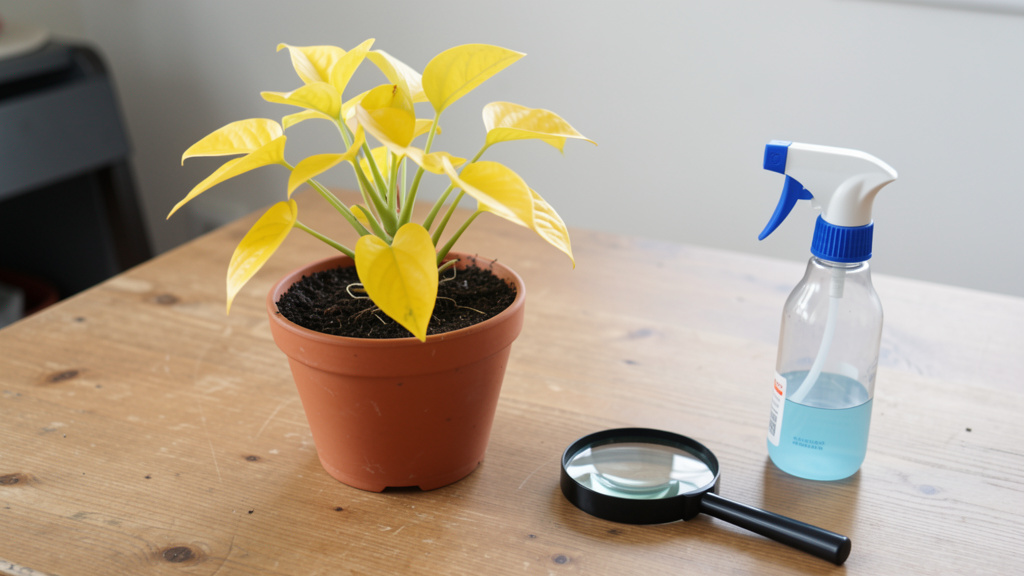
Begin at the soil surface. Gently part the top layer with a clean chopstick or fingertip. Note any tiny dark specks (possible thrips residue), translucent movement near the surface (potential gnat larvae), or sticky film (honeydew from sap-feeders). Lift leaves slowly, starting with older foliage near the base where pests often establish first. Examine undersides carefully—using a 10x magnifying loupe significantly enhances your ability to spot subtle changes. Pay special attention to leaf axils (where leaf meets stem), new growth tips, and flower buds. For suspected spider mites, hold a white sheet of paper beneath leaves and tap gently; tiny moving dots may become visible. Observe plant behavior holistically: Are leaves curling unusually? Is new growth emerging distorted? Is there a faint silvery sheen on foliage? Keep simple notes: date, plant name, observations. Over time, patterns emerge—perhaps certain plants show sensitivity after deep watering, offering clues about moisture needs.
Why This Step Matters:
Catching concerns early often simplifies response significantly. Addressing a small cluster of pests before reproduction accelerates prevents escalation. Vigilance also deepens your visual literacy. After observing dozens of healthy leaves, subtle changes become more recognizable. This awareness grows gently with practice.
Common Oversights to Note:
Focusing only on flying adults: By the time adults are visible, earlier life stages may already be present below the surface.
Inspecting in poor light: Natural daylight or a bright, neutral-toned lamp reveals details dim lighting hides.
Skipping seemingly healthy plants: Pests can move between plants. A systematic check of your entire collection supports collective wellness.
Overlooking pots and surfaces: Check drainage holes for fine strands (possible mite activity), saucers for residue, or algae on pot exteriors (a sign of frequent moisture).
Gentle Tip: Place yellow sticky traps near moisture-loving plants (like ferns or calatheas) as passive monitoring tools—even when no pests are visible. They act as early sensors. Replace monthly. One trapped insect isn’t cause for concern; a consistent pattern signals it’s time to observe more closely.
Step 2: Identification – Reading Your Plant’s Story
Accurate identification is essential. Treating for the wrong organism delays effective care and may stress the plant unnecessarily. True identification matches physical clues with observed damage patterns. Below is a reference guide followed by detailed descriptions. Remember: multiple stressors can coexist. A plant weakened by environmental strain may become more susceptible to secondary challenges.
| Pest | Key Identification Features | Primary Damage Signs | First Clue You Might Notice |
|---|---|---|---|
| Thrips | Slender, ~1mm insects; dark or pale; rapid sideways movement; tiny black specks (frass) | Silvery streaks or scarring on leaves/flowers; distorted new growth; black dots | Silvery trails on petals or young leaves; tiny black dots |
| Fungus Gnats | Mosquito-like adults (~3mm, dark body, clear wings); translucent larvae with dark heads | Weak growth; yellowing lower leaves; sudden wilting despite moist soil | Adults hovering near soil surface; larvae in topsoil |
| Spider Mites | Pinpoint-sized (0.4mm); red, brown, or green; fine webbing (often later sign) | Fine stippling (“salt-and-pepper” effect); bronzing; leaf drop; gritty texture | Stippling on leaf undersides; webbing in severe cases |
| Mealybugs | Cottony, waxy white clusters (2–4mm); slow-moving; sticky residue (honeydew) | Sticky leaves/surfaces; yellowing; distorted growth; sooty mold | White fluffy patches in leaf joints or stem crevices |
Thrips: Subtle Sap-Feeders
Thrips are slender insects, barely visible to the naked eye. Adults range from pale yellow to dark brown and move quickly sideways when disturbed. They favor sheltered spaces: deep within flower buds, rolled new growth, or leaf sheaths. Look instead for evidence: tiny black specks (frass) on petals or leaves, and silvery or bronze streaks where plant tissue has been rasped. On flowers (orchids, African violets, roses), this appears as bleached or distorted petals with brown edges. New leaves may emerge crinkled. A helpful distinction: thrips damage often follows leaf veins precisely. Springtails are similar in size but jump when touched and do not cause silvery scarring—they are harmless decomposers feeding on organic matter.
Fungus Gnats: Soil-Dwelling Indicators
Adult fungus gnats resemble tiny mosquitoes with delicate wings and long legs. They do not bite but may swarm when plants are watered. Focus attention below the surface. Larvae are translucent, legless maggots with shiny black head capsules. Gently part the top half-inch of soil: wriggling threads with dark heads near roots signal their presence. Larvae primarily consume fungi and decaying matter but can nibble root hairs in heavy populations, leading to sudden wilting despite moist soil, yellowing lower leaves, or stunted growth. Seedlings are especially vulnerable. Important note: Shore flies look similar but have shorter antennae and red eyes. They indicate damp conditions but do not harm plants. Fungus gnat activity often reflects soil moisture patterns—a valuable cue for adjusting care routines.
Spider Mites: Tiny Arachnids, Not Insects
Spider mites are arachnids (eight legs), not insects. Adults are microscopic, appearing as moving specks. Color varies: two-spotted mites are pale with dark markings; others appear brick-red, especially in cooler conditions. Webbing is typically a later-stage indicator. Early signs include fine stippling (tiny yellow/white dots) on leaf undersides that may merge into bronzed patches. Leaves lose vitality, curl, or drop prematurely. Tap suspect leaves over white paper to spot movement. They thrive in warm, dry, still air—common near heating vents or during winter months when indoor humidity drops. Helpful distinction: Dust can mimic stippling. Wipe gently with a damp cloth; dust removes, mite damage remains. Broad mites cause similar distortion but require magnification for confident identification.
Mealybugs: Waxy Sap-Feeders
Mealybugs are soft-bodied insects covered in white, waxy filaments resembling cotton fluff. They cluster in protected areas: leaf axils, stem joints, under pot rims, or along root crowns. Key signs include their segmented bodies, slow movement, and secretion of sticky honeydew. This residue coats surfaces below, potentially encouraging black sooty mold (a harmless but unsightly fungus). Damage includes yellowing leaves, leaf drop, or distorted growth. Critical variant: Root mealybugs live exclusively underground. During repotting, look for white cottony masses on roots. Above-ground symptoms (wilting, yellowing) may appear identical to other stressors. Distinction: Woolly aphids also produce white wax but are typically found on stems (not tight joints) and move more readily. Scale insects appear as hard, brown bumps firmly attached to stems without fluffy coating.
The Guiding Insight: Precise identification forms the foundation of thoughtful response; directing efforts toward the actual concern prevents unnecessary stress on your plant and preserves your energy for meaningful action.
Step 3: Intervention – Adaptable Response Pathways
Intervention means responding with intention—not urgency. Effective care aligns with the organism’s biology, the plant’s sensitivity, infestation level, and your household context (pets, children, space). Harsh chemicals often create new challenges: harming beneficial microbes, causing leaf burn, or failing against protected life stages like eggs. Instead, adopt a tiered approach: begin gently, escalate only if needed, and combine methods thoughtfully. Below are adaptable pathways for each concern. Always test any solution on a small, hidden leaf area first. Wait 24 hours to check for sensitivity before broader application.
Thrips Response Pathway
Why this approach works: Thrips hide deeply. This pathway combines physical removal, contact methods, and environmental adjustment.
-
Pathway A (Comprehensive):
- Isolate the plant from others immediately.
- Prune thoughtfully: Remove heavily damaged flowers, buds, or distorted leaves. Seal clippings in a bag and discard outdoors.
- Gentle rinsing: Take the plant to a sink or shower. Use a soft stream of lukewarm water to dislodge organisms from undersides, stems, and crevices. Repeat every 3–4 days for two weeks.
- Neem oil soil application: Mix 1 tsp cold-pressed neem oil + ½ tsp mild liquid soap (like unscented castile soap) per quart of lukewarm water. Water the soil lightly. Neem may disrupt development in soil-dwelling stages.
- Insecticidal soap spray: Mix 2.5 tbsp pure insecticidal soap per quart water. Spray all leaf surfaces (tops, undersides, stems) until lightly coated. Reapply every 4–5 days for 2–3 weeks to address emerging life stages.
- Blue sticky traps: Place near the plant. Thrips show attraction to blue hues.
-
Pathway B (Resource-Conscious):
Focus on physical methods: consistent rinsing + pruning + blue/yellow sticky traps. Increase ambient humidity slightly using a pebble tray—thrips often prefer drier conditions. -
Pathway C (Focused Support):
For valued plants with significant activity: After pruning and rinsing, apply a horticultural oil spray (like neem-based oils) at dusk to reduce light sensitivity. Follow product instructions carefully. Avoid spraying open blooms if pollinators access the area.
Helpful Reminders: Spraying only leaf tops misses hidden areas; dish soap is too harsh for plant tissue; soil treatment addresses hidden stages; consistency matters more than intensity.
Fungus Gnat Response Pathway
Why this approach works: Targets both airborne adults and soil-dwelling larvae while addressing moisture patterns.
-
Pathway A (Holistic):
- Adjust watering: Allow the top 1–1.5 inches of soil to dry before watering again. Most houseplants tolerate this brief dry period better than compromised roots.
- Top-dress soil: Remove the top ½ inch of soil. Replace with coarse sand, fine gravel, or perlite to create a dry surface layer less inviting for egg-laying.
- BTI application: Use Bacillus thuringiensis israelensis (BTI), a naturally occurring bacterium specific to fungus gnat and mosquito larvae. Apply Mosquito Bits (sprinkled on soil) or Mosquito Dunks (steeped in water for watering). Reapply per product schedule until adult activity ceases.
- Sticky traps: Place yellow traps vertically just above the soil line to monitor emerging adults.
- Long-term adjustment: Water only when the top inch of soil feels dry. Ensure pots have drainage holes. Avoid letting pots sit in standing water.
-
Pathway B (Simplified):
Prioritize soil drying + top-dressing + sticky traps. Some gardeners insert matches (sulfur tip down) into soil—a practice with anecdotal support though limited scientific validation. -
Pathway C (Root-Level Care):
For seedlings or cuttings at immediate risk: Gently rinse roots under lukewarm water to remove soil and larvae. Repot into fresh, sterile mix in a cleaned container. Discard old soil outdoors.
Helpful Reminders: Overwatering to “help a stressed plant” may worsen larval habitat; vinegar traps attract but don’t resolve; sustainable change comes from adjusting moisture habits.
Spider Mite Response Pathway
Why this approach works: Addresses their preference for dry, dusty, still conditions through humidity, cleaning, and targeted contact.
-
Pathway A (Integrated):
- Isolate and prune: Remove heavily affected leaves. Seal and discard.
- Gentle cleaning: Shower the plant with lukewarm water, focusing on leaf undersides. Use a soft toothbrush dipped in mild soapy water to carefully remove webbing from stems and joints.
- Increase humidity: Place the pot on a pebble tray with water (pot sits above water level). Mist foliage lightly 1–2 times daily if plant tolerates it. Consider a small humidifier nearby.
- Neem oil spray: Mix 1 tsp neem oil + ½ tsp mild soap per quart water. Spray all surfaces lightly, especially undersides. Reapply every 5–7 days for 2–3 weeks.
- Beneficial organisms (advanced): For persistent cases in stable environments, Neoseiulus californicus predatory mites may be introduced. Requires humidity above 60% and no recent pesticide use.
-
Pathway B (Foundational):
Focus on consistent cleaning: shower every 3–4 days + humidity support + prune damaged foliage. Wipe large leaves weekly with a damp cloth to reduce dust. -
Pathway C (Targeted):
For significant webbing on resilient plants: After cleaning, apply an insecticidal soap or horticultural oil spray labeled for mites. Ensure thorough coverage. Repeat in 3 days if needed. Avoid pyrethrin-based sprays—they often lack efficacy against mites and may affect other organisms.
Helpful Reminders: Mites reside primarily underneath leaves; hot water can scald foliage; humidity adjustment supports lasting change; apply oil sprays away from direct sun to prevent leaf burn.
Mealybug Response Pathway
Why this approach works: Their waxy coating repels many sprays. Direct contact methods are most reliable.
-
Pathway A (Thorough):
- Isolate immediately. Inspect nearby plants carefully.
- Manual removal: Dip a cotton swab in 70% isopropyl alcohol. Dab directly on visible clusters (including hidden spots in crevices). Alcohol dissolves wax on contact. Wipe the area gently with a damp cloth afterward.
- Alcohol spray (if appropriate): Mix 1 part 70% isopropyl alcohol + 1 part water + few drops mild soap. Spray affected areas lightly. Avoid on fuzzy-leaved plants (African violets, begonias). Reapply every 4–5 days for 2–3 weeks.
- Neem oil follow-up: Once alcohol is dry, a light neem oil spray may help address hidden stages.
- Root check: If activity persists, gently remove the plant. Rinse roots and inspect for white masses (root mealybugs). Trim affected roots, repot in fresh soil, and clean the container thoroughly.
-
Pathway B (Precision):
Focus on meticulous daily swabbing + pruning heavily affected stems. Place sticky traps on the pot rim to catch mobile stages. -
Pathway C (Last Resort):
For severe infestations on resilient plants (snake plant, ZZ) where other methods haven’t succeeded: After physical removal, a systemic insecticide as a soil drench may be considered. Use with extreme caution: Not suitable for edible plants, homes with pets/children without strict isolation, or sensitive species. Consult product labels thoroughly and prioritize safety.
Helpful Reminders: Alcohol solutions must contact the pest directly; hidden colonies in folds are easily missed; root-dwelling stages require soil inspection; consistency over several weeks is key as eggs hatch gradually.
Step 4: Prevention – Nurturing Resilient Conditions
Prevention is the ongoing practice of aligning care with plant needs. Resilient plants naturally resist stressors. These practices integrate smoothly into regular routines, transforming maintenance into mindful support.
Soil and Water Awareness:
Moisture management is foundational. Master the “finger test”: water only when the top inch of soil feels dry. Always use pots with drainage holes. Elevate pots slightly to prevent water pooling in saucers. Choose potting mixes suited to your plants: add extra perlite for succulents; use chunky mixes for orchids. When repotting, replace old soil completely. Clean pots with a mild bleach solution (1 part bleach to 9 parts water) before reuse. For opened soil bags, store sealed in a cool, dry place.
Quarantine Practice – Essential for New Plants:
Every new plant—nursery purchase, gift, or online order—deserves a gentle transition period. Implement a 3–4 week separation:
1. Place in a separate area away from your main collection (a bathroom, spare room, or isolated corner).
2. Inspect thoroughly upon arrival with a magnifier. A preventive spray with insecticidal soap is optional but not always necessary.
3. Monitor daily during quarantine. Check soil, undersides, and new growth.
4. Introduce to your collection only after the full period with no observed concerns.
This practice significantly reduces the risk of introducing unseen challenges to established plants. Think of it as a wellness pause for your green family.
Environmental Harmony:
Airflow: Gentle air movement discourages mites and fungal issues. Place a small fan on low several feet away (not blowing directly on plants). Open windows briefly when weather permits.
Humidity: Most tropical houseplants thrive at 40–60% humidity. Use a hygrometer to monitor. Group plants to create shared microclimates. Pebble trays or humidifiers support ambient moisture. Avoid relying solely on leaf misting—it rarely raises ambient humidity meaningfully and may encourage fungal issues on some plants.
Light: Ensure appropriate light levels. Leggy, weak growth from insufficient light is more vulnerable to stress. Rotate plants periodically for even development.
Cleanliness: Wipe large leaves monthly with a damp cloth to remove dust. Remove yellowing or dead leaves promptly. Keep plant stands and windowsills tidy.
Weaving Vigilance into Routine:
Attach brief checks to existing habits. While watering, spend 60 seconds observing that plant. Keep your magnifier and notebook nearby. Place sticky traps near high-risk plants as passive monitors. Prevention isn’t about perfection—it’s consistent, compassionate attention that catches small shifts before they grow.
Adapting Care to Your Household Context
Your living situation shapes safe, appropriate choices. Prioritize well-being for all household members.
Homes with Cats and Dogs:
Many common pesticides pose risks to pets. Pyrethrins can be highly toxic to cats. Systemic insecticides require extreme caution. Prioritize physical methods:
Alcohol swabbing for mealybugs is generally safe once dry (keep pets away during application).
Neem oil has low mammalian toxicity when used correctly (cold-pressed, diluted), but cats may be sensitive. Avoid on plants pets chew. Insecticidal soap (potassium salts of fatty acids) breaks down quickly and is often a safer foliar option. Rinse after 1–2 hours if contact is likely.
BTI (Mosquito Bits/Dunks) is non-toxic to mammals, birds, and fish—ideal for gnat management.
Isolate during treatment: Keep plants in an inaccessible area until sprays are fully dry (typically 2–4 hours). Store all supplies securely.
Consult your veterinarian* before introducing any new product, especially for persistent issues. Often, pruning affected areas is the gentlest first step.
Homes with Young Children:
Children explore with hands and mouths. Minimize residue risks:
Emphasize prevention: Rigorous quarantine; choose resilient, lower-risk plants (snake plant, ZZ, pothos) for accessible areas.
Physical methods only: Alcohol swabbing (done when child is napping), pruning, gentle rinsing.
Avoid soil treatments if soil is within reach. Use top-dressing (sand/gravel) for gnats instead of granular products.
Elevate vulnerable plants on high shelves or in hanging planters.
Gentle education:* Teach “plants are for looking” using child-safe species like spider plants, which also offer safe propagation lessons.
Sensitive Plant Considerations:
Some plants react to common treatments:
African Violets, Gloxinias (fuzzy leaves): Never spray alcohol or oils directly—they cause spotting. Use a cotton swab dipped in alcohol only on pests in crevices, avoiding leaf surfaces. Prioritize humidity and airflow for mite concerns.
Orchids (Phalaenopsis): Avoid oil sprays on blooms. For bud concerns, gentle water rinsing is preferred. Soil drenches with neem are often safer than foliar sprays.
Ferns (Maidenhair, Boston): Highly sensitive to sprays. Focus on humidity, airflow, and isolation. Use only lukewarm water rinses for cleaning.
Succulents/Cacti: Prone to rot from excess moisture. Avoid soil drenches unless critical. Use alcohol swabbing for mealybugs; ensure excellent airflow afterward.
General Guidance:* When in doubt, dilute solutions further, apply during cooler parts of the day, and rinse foliage gently after 1–2 hours. When treating sensitive plants, less is often more.
When Letting Go Is an Act of Care:
Sometimes, the most compassionate choice is to remove a plant to protect your collection and preserve your peace. Consider this path if:
The plant is common and replaceable, yet heavily affected.
It consistently attracts challenges despite adjusted care.
Multiple treatment attempts over 4–6 weeks show no improvement.
Damage is severe (extensive root decay, significant leaf loss).
Respectful disposal: Seal plant, soil, and pot in a sturdy bag. Freeze for 48–72 hours to ensure all life stages are addressed. Discard bag in outdoor trash. Do not compost. This decision honors your effort and safeguards your other plants.
Recognizing Other Common Indoor Plant Visitors
While our focus is the “big four,” awareness of other organisms supports holistic care. This is a recognition guide—not exhaustive identification.
- Scale Insects: Appear as hard, brown, helmet-shaped bumps firmly attached to stems or leaf undersides. Scrape off with a fingernail—they leave sticky residue. Treat similarly to mealybugs (alcohol swabbing), though harder shells require persistence. Neem applications may help address eggs.
- Aphids: Small (1–2mm), soft-bodied, pear-shaped (green, black, white) clustering on new growth. Cause curling and sticky honeydew. Rinse off with water; spray with insecticidal soap. Ladybugs are beneficial but typically escape indoors—best suited for greenhouses.
- Whiteflies: Tiny (1mm), moth-like; flutter up when disturbed. Cluster on leaf undersides. Yellow sticky traps are highly effective. Spray undersides with insecticidal soap at dusk.
- Springtails: Jumping, rice-grain-sized insects in soil. Harmless decomposers feeding on fungi/algae. Indicate moist soil but cause no plant harm. No treatment needed—simply adjust watering frequency if soil stays overly wet.
- Broad Mites/Cyclamen Mites: Microscopic. Cause severe distortion: curled leaves, stunted “rosetting,” brittle stems. Often misdiagnosed. Requires miticide application by professionals or plant removal. Prevention (quarantine, airflow) is vital.
- Ants: Rarely harm plants directly but may “farm” honeydew-producing pests. Address the source pest. Place ant bait stations away from plants to disrupt trails.
Knowing When to Seek Support:
If concerns persist after 3 weeks of consistent care, or damage appears unusual:
1. Take clear, close-up photos (include a ruler or coin for scale) of affected areas, pests if visible, and the whole plant.
2. Contact your local university cooperative extension office (find via USDA website). Many offer low-cost diagnostics.
3. Consult nurseries with certified horticulturists—share photos rather than bringing the plant to avoid potential spread.
4. Reputable online plant communities (like Reddit’s r/houseplants) can offer crowdsourced insights—search thoroughly before posting.
Your Questions, Answered
Q: I see tiny black flies around my plants, but the soil feels dry. Could it still be fungus gnats?
A: Possibly, but investigate further. Fungus gnats require moist organic matter to complete their lifecycle. If the soil surface is dry, check 1 inch down—it may retain moisture. Also consider: shore flies (harmless, indicate algae on pots), drain flies (from sink drains), or fruit flies (attracted to nearby fruit). Place a yellow sticky trap. If flies decrease after cleaning drains or removing fruit, the source is likely external. If trapped flies have long legs and a Y-shaped wing vein pattern, they may be gnats—review your watering depth and frequency.
Q: Will wiping leaves with milk kill spider mites?
A: Current horticultural understanding does not support milk as an effective miticide. It may leave a sticky residue that encourages mold growth and does not address mites hidden in webbing or on undersides. Stick to methods with documented efficacy: gentle rinsing, insecticidal soap, or neem oil applications. Folk remedies can delay timely, effective care.
Q: How long should I keep a treated plant isolated before returning it to my collection?
A: Wait through at least one full lifecycle of the concern to ensure no hidden stages remain:
Fungus gnats: ~3 weeks
Spider mites: ~2.5 weeks (at typical room temperature)
* Mealybugs/Thrips: ~4 weeks
Continue monitoring during this period. Reintroduce only after two consecutive inspections (7 days apart) show no pests or new damage.
Q: Are beneficial nematodes effective against fungus gnat larvae indoors?
A: Steinernema feltiae nematodes can target larvae in soil when applied as a drench. Success depends on soil temperature (60–80°F / 15–27°C) and maintaining consistent (not soggy) moisture for 10–14 days. Effectiveness varies in typical home environments due to temperature fluctuations. BTI (Mosquito Bits) is often more accessible, reliable, and easier for indoor use. Nematodes are valuable in controlled greenhouse settings.
Q: My plant has sticky residue but I see no bugs. What could it be?
A: Honeydew without visible pests suggests hidden activity:
1. Inspect leaf axils, stem undersides, and pot rims meticulously with magnification for mealybugs or scale.
2. Gently check roots for root mealybugs (requires careful soil removal).
3. Examine new growth tips for aphids or whiteflies.
Clean leaves gently with a damp cloth after addressing the source. The residue itself isn’t harmful but can attract sooty mold.
Q: Can I substitute dish soap for insecticidal soap?
A: Not recommended. Dish soaps contain degreasers, fragrances, and additives that can damage a plant’s protective cuticle, causing leaf burn—especially in warm or sunny conditions. Insecticidal soaps use pure potassium salts of fatty acids formulated for plant safety. For a budget option, use unscented castile soap (2.5 tbsp per quart of water). Always test first on a small area.
Q: Do ultrasonic pest repellers work for indoor plant pests?
A: Research, including reviews by agricultural agencies, shows no reliable evidence that ultrasonic devices affect insects like thrips, mites, or gnats. Pests may habituate quickly or remain unaffected by emitted frequencies. Invest instead in proven tools: magnifiers, sticky traps, neem oil, or insecticidal soap—methods with clear mechanical or biochemical action.
Q: Why do pests seem to return after treatment?
A: Recurrence often stems from overlooked factors:
Incomplete coverage: Missing eggs, soil-dwelling stages, or hidden colonies (e.g., root mealybugs).
Environmental patterns unchanged: Consistently moist soil (gnats), low humidity/still air (mites), or dusty leaves.
Reintroduction: New plants not quarantined; pests entering through open windows.
Neighboring plants: Not inspecting the entire collection during response.
Product limitations:* Sprays that don’t contact pests directly (e.g., foggers).
Revisit the Plant Guardian Framework—often, deepening vigilance or refining prevention yields lasting change.
Q: Is hydrogen peroxide safe for fungus gnat larvae?
A: A diluted solution (1 part 3% hydrogen peroxide to 4 parts water) applied to soil may contact larvae and add oxygen to roots. However, it’s a temporary measure that doesn’t prevent reinfestation. Frequent use can harm beneficial soil microbes and delicate root hairs. BTI is generally safer, more targeted, and longer-lasting. Reserve peroxide for urgent seedling situations, not routine care.
Q: Can a plant with root damage from gnat larvae be saved?
A: Sometimes, if healthy stem tissue remains above soil:
1. Remove plant, rinse roots gently.
2. Sterilize scissors. Trim away brown, mushy roots.
3. Dip healthy stem base in rooting hormone (optional).
4. Propagate in water or fresh, sterile perlite/vermiculite mix.
5. Discard old soil; clean pot thoroughly.
Success varies by species (pothos, philodendron root readily; African violets are challenging). If no healthy tissue remains, respectful disposal is the kindest choice.
Conclusion and Your Gentle Next Step
You now hold more than response techniques—you carry a framework for deeper connection with your indoor garden. The shift from worry to confidence grows not from memorizing every detail, but from adopting a curious, observant mindset. Remember the core insight we’ve explored together: pest activity often reflects environmental conditions. A gnat presence isn’t failure—it’s information about soil moisture. Spider mites aren’t malice—they signal dry air or stillness. By responding to these cues with thoughtful care, you nurture not only plant health but also your own patience and presence. This journey cultivates resilience in both gardener and garden.
Three Anchoring Practices
- Vigilance as Connection: Transform routine watering into a moment of observation. Two minutes per plant, twice weekly, builds awareness that prevents most concerns.
- Precision Over Pressure: Match your response to verified observations and plant needs. Gentle, consistent actions create more lasting change than harsh, sporadic efforts.
- Prevention as Partnership: Quarantine new plants. Align watering, light, and airflow with your plants’ natural rhythms. Prevention isn’t extra work—it’s integrated, intuitive care.
Your 24-Hour Invitation
Within the next day, choose one plant in your home. Spend exactly five minutes observing it using the Vigilance steps from Step 1. Use a magnifier if available (or your phone’s zoom). Check the soil surface, undersides of three leaves, and new growth. Note one observation—a color change, a texture, a pattern—in a notebook or on a sticky note. That is enough.
This small act breaks the cycle of avoidance. It builds momentum without pressure. Tomorrow, you might check two plants. In a week, you’ll have gently scanned your entire collection. You’ve already taken the most important step—choosing to engage with care. This quiet ritual plants the seed for lasting change.
The Wider View: Growing With Your Garden
Every plant nurtured is a lesson in patience. Every challenge navigated builds wisdom. This framework extends beyond pest management—it invites you to observe life cycles, honor natural rhythms, and practice gentle stewardship. Share knowledge kindly with fellow plant lovers. Gift a magnifying loupe to a new gardener. Frame quarantine not as fear, but as care for the whole collection. In tending plants, we cultivate mindfulness. In protecting green life, we reaffirm our role as compassionate caretakers. Your indoor garden is more than decoration; it is a living space of growth, learning, and quiet connection. Trust your observations. Honor the process. Your plants thrive in the care you offer with intention.
Explore Our Complete Plant Care System:
The Indoor Plant Watering Guide: Matching Moisture to Plant Needs | Creating Balanced Indoor Environments: Light, Airflow, and Humidity | Propagating Houseplants with Confidence: Methods for Every Skill Level | Decoding Leaf Changes: Yellowing, Browning, and Drooping Explained | Thriving in Low Light: 15 Resilient Plants for Dim Spaces | The Mindful Gardener: Finding Calm Through Plant Care | Seasonal Indoor Plant Calendar: Adapting Care Through the Year