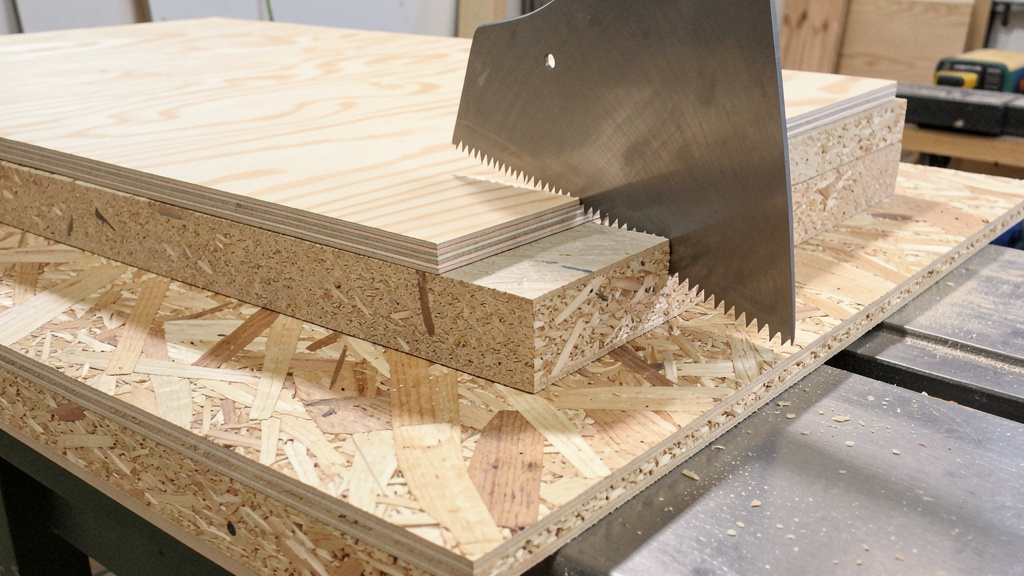
Stop guessing which sheet good to use. This definitive deep dive reveals the hidden strengths, critical weaknesses, and exact applications for plywood, MDF, and OSB—backed by material science, building codes, and real-world project intelligence.
Choosing between plywood, medium-density fiberboard (MDF), and oriented strand board (OSB) isn’t just about price tags at the lumberyard. Select the wrong engineered wood product, and you risk warped cabinets, sagging subfloors, failed outdoor structures, or compromised indoor air quality. Yet walk into any home improvement store, and you’ll find these materials stacked side-by-side with minimal guidance beyond vague grade stamps. This comprehensive guide eliminates the confusion. We dissect molecular composition, manufacturing processes, performance metrics, environmental footprints, and nuanced applications across critical decision factors. Whether you’re framing a shed, building heirloom furniture, installing kitchen cabinets, or selecting sustainable materials for a green build, you’ll discover precisely which engineered wood belongs in your project—and why the “obvious” choice is often dangerously wrong.
Introduction: Why Engineered Wood Demands Smarter Selection
Engineered wood products represent one of the most significant innovations in construction and woodworking over the past century. Unlike solid lumber—which relies entirely on the natural properties of a single tree species—engineered wood combines wood fibers, strands, veneers, or particles with adhesives under heat and pressure to create materials with enhanced strength, dimensional stability, consistency, and resource efficiency. This transformation solves specific structural and aesthetic challenges that solid wood cannot reliably address. From moisture-resistant marine plywood securing boat hulls to the ultra-smooth MDF forming the backbone of modern flat-pack furniture, engineered wood enables projects otherwise impractical, prohibitively expensive, or structurally unsound.
Understanding these materials requires moving beyond surface-level comparisons. A sheet labeled “plywood” could range from a construction-grade panel prone to delamination in humidity to an aerospace-grade birch ply capable of withstanding extreme stress. Similarly, “MDF” encompasses everything from formaldehyde-emitting particleboard imposters to ultra-low-emission, moisture-resistant variants designed for bathroom vanities. This complexity explains why misselection remains one of the most frequent and costly errors in DIY and professional projects alike. Drawing on standards established by the APA – The Engineered Wood Association, the Composite Panel Association (CPA), ASTM International testing protocols, and decades of building code evolution across North America and Europe, this guide translates technical specifications into actionable intelligence. We clarify misconceptions perpetuated by marketing (“waterproof” claims), decode cryptic grading stamps, and reveal how environmental conditions—from arid heat to humid coastal air—fundamentally alter material performance. This isn’t just a comparison; it’s your decision framework for confidence at the point of purchase.
The Engineered Wood Trinity: Core Principles Before Comparison
Before dissecting individual materials, grasp the foundational philosophy unifying all engineered wood: intentional design over natural limitation. Solid wood possesses inherent weaknesses—knots, grain runout, warping tendencies, and inconsistent density—that engineered products strategically overcome. This is achieved through three universal engineering principles:
- Layering and Orientation: Alternating grain directions or strand alignments counteract natural wood movement. Plywood’s cross-banded veneers resist splitting; OSB’s randomly oriented strands distribute load evenly.
- Adhesive Science: Modern resins (phenol-formaldehyde, melamine-urea-formaldehyde, isocyanate) do more than bind fibers. They confer moisture resistance, fire retardancy, or reduced emissions based on chemical formulation.
- Resource Optimization: Engineered wood utilizes wood species, mill residues, and fast-growing timber unsuitable for solid lumber, enhancing sustainability while maintaining performance.
Crucially, “engineered” does not automatically mean “inferior.” High-end engineered products often outperform solid wood in specific metrics. Aircraft-grade plywood exceeds the strength-to-weight ratio of many hardwoods. Moisture-resistant MDF maintains flatness where solid poplar would warp. Recognizing this reframes the selection process: it’s not “real wood vs. fake wood,” but “which engineered solution best solves my project’s unique challenges?” This mindset shift prevents costly assumptions—like using interior-grade plywood for an outdoor bench or assuming all OSB is equally suitable for roof sheathing. We’ll return to these principles repeatedly as we evaluate each material’s real-world behavior. Now, let’s descend into the molecular architecture of each contender.
Deep Dive: Plywood – The Layered Legacy of Strength and Versatility
Plywood’s story begins not in a modern factory, but in ancient Egypt, where artisans glued thin wood veneers together for furniture. However, the engineered plywood we know emerged in the early 20th century, revolutionizing construction during World War II for aircraft (the iconic Mosquito bomber) and shipbuilding. Its enduring relevance stems from a brilliantly simple yet profoundly effective structure.
How Plywood is Made: From Log to Laminated Sheet
The journey starts with sustainably harvested logs (typically softwoods like pine, fir, or spruce for structural grades; hardwoods like birch, maple, or oak for decorative faces). These logs are debarked and fed into a peeler lathe—a massive machine that rotates the log against a sharp blade, peeling off a continuous sheet of veneer. This “green veneer” is immediately clipped to size, dried in large kilns to reduce moisture content to 6–10%, and sorted by quality. Lower-grade veneers (with knots, splits) become inner plies; higher-grade sheets form the outer faces.
Next comes gluing and assembly. Veneers are coated with adhesive (phenol-formaldehyde for exterior grades; urea-formaldehyde for interior) and stacked in odd-numbered layers (3, 5, 7+). Critically, each layer’s grain direction is rotated 90 degrees relative to the one below—a process called cross-banding. This alternation neutralizes wood’s natural tendency to expand/contract across the grain, dramatically improving dimensional stability and resistance to splitting. The assembled “layup” enters a hot press, where temperatures of 280–320°F (138–160°C) and pressures up to 200 psi cure the adhesive and fuse the layers into a monolithic panel. Finally, panels are trimmed, sanded (for sanded grades), stamped with grade information, and inspected.
Decoding Plywood Grades: Beyond the “A-B-C” Myth
That stamp on the edge isn’t arbitrary bureaucracy—it’s your performance blueprint. In North America, the APA grading system (formerly PS 1-09) is critical. A stamp like “AB/BB” describes the face and back veneer quality:
* Face Grade (First Letter): A (smooth, paintable, minimal repairs), B (solid surface, light repairs visible), C (sound knots/splits allowed), D (unsound knots/splits, for hidden use).
* Back Grade (Second Letter): Same scale, but for the reverse side.
* Exposure Rating (Crucial!): “Exterior” (fully waterproof bonds, for permanent outdoor exposure), “Exposure 1” (water-resistant bonds, withstands construction delays but not permanent exposure—common for roof/wall sheathing), “Interior” (moisture-sensitive bonds, for dry indoor use only).
* Span Rating: For structural panels (e.g., “48/24″ means 48″ max support spacing on roofs, 24” on floors).
* Mill Number & Species Group: Identifies origin and wood type (e.g., “Douglas Fir-Larch”).
Critical Insight: “Marine Plywood” is not a standardized APA grade. True marine ply (per BS 1088 in the UK or similar specs) uses fully waterproof phenolic glue, high-grade veneers with minimal core gaps, and often tropical hardwoods like Okoume. Many U.S. retailers label standard “Exterior” plywood as “marine”—a dangerous misnomer. For boat building or constant immersion, verify the specific standard and adhesive type. For most outdoor projects (sheds, outdoor furniture with finish), genuine “Exterior” grade plywood with proper sealing is sufficient and more cost-effective.
Plywood Strengths: Where It Excels Unquestionably
- Superior Screw-Holding Power: Cross-laminated veneers provide exceptional grip for screws and nails, especially near edges. This makes plywood ideal for cabinetry, shelving, and any application requiring repeated assembly/disassembly. Try driving a screw near the edge of MDF—it will strip instantly; plywood holds firmly.
- Impact Resistance & Flexibility: Plywood absorbs shocks without shattering. Drop a heavy tool on a plywood workbench—it dents but doesn’t crack catastrophically like MDF. Its slight flexibility also makes it suitable for curved forms (e.g., skateboard ramps, arched doorways) when using thinner grades (1/4″ or 1/8″ bendable plywood).
- Moisture Resilience (Exterior Grades): While not immune to water, exterior-grade plywood with phenolic glue withstands repeated wet/dry cycles far better than OSB or MDF. The layered structure allows moisture to dissipate between veneers without catastrophic swelling. This is why it remains the gold standard for subfloors in humid climates and boat construction.
- Repairability: A gouge in a plywood surface can often be filled with wood putty and sanded. Delaminated edges on lower grades can sometimes be re-glued. MDF damage is usually permanent; OSB edge swelling is irreversible.
- Aesthetic Versatility: Hardwood-faced plywood (birch, maple, oak) offers a genuine wood grain surface ready for staining or clear finishing—impossible with MDF or OSB without extensive veneering. Sanded softwood plywood provides a smooth paint base superior to OSB’s rough texture.
Plywood Weaknesses: Critical Limitations to Acknowledge
- Cost Volatility: Plywood prices fluctuate with timber markets and demand. For large structural projects (sheathing a house), OSB is often significantly less expensive.
- Edge Appearance: Unless using expensive edge-banding or solid-wood nosing, plywood edges reveal the layered veneers—a “cheap” look unacceptable for visible furniture edges. MDF’s homogeneous edge is smoother for painting.
- Potential for Voids: Lower-grade plywood (especially “Shop Grade” or ungraded imports) may have gaps or “core voids” between inner plies. These compromise structural integrity and cause problems when routing edges or installing hardware. Always inspect edges before purchase for critical projects.
- Weight: High-quality plywood is heavier than OSB of equivalent thickness (e.g., 3/4″ hardwood ply ~70 lbs vs. OSB ~65 lbs), increasing handling difficulty for large panels.
- Formaldehyde Concerns (Interior Grades): Urea-formaldehyde adhesives in interior plywood can off-gas VOCs. Look for CARB Phase 2 compliant or NAF (No Added Formaldehyde) labels for indoor projects, especially in children’s rooms or poorly ventilated spaces.
Real-World Plywood Applications: Matching Grade to Task
- Exterior Projects (Use “Exterior” Grade): Outdoor furniture frames (seal all edges!), garden shed walls/floors, boat repairs, temporary site fencing requiring durability. Avoid for constant ground contact (use pressure-treated lumber instead).
- Structural Framing (Use “Exposure 1” Rated): Roof sheathing (where slight flexibility helps conform to rafters), wall sheathing in seismic zones (plywood’s ductility absorbs energy better than brittle OSB), subflooring in high-moisture areas (bathrooms, kitchens—seal seams!).
- Cabinetry & Furniture (Use Sanded Hardwood Ply): Cabinet boxes (birch ply is the industry standard), workbenches, bookshelves, drawer sides. The screw-holding power ensures hardware stays secure for decades.
- Decorative Surfaces (Use High-Grade Hardwood Ply): Tabletops (with edge banding), wall paneling, speaker cabinets (birch ply’s acoustic properties are prized), craft projects requiring a stainable surface.
- Specialty Uses: Aircraft plywood (extreme strength-to-weight), flexible plywood (curved surfaces), fire-retardant treated plywood (theater sets, commercial builds).
The Fundamental Principle: Plywood’s cross-laminated structure transforms wood’s inherent weaknesses—directional grain movement and splitting vulnerability—into engineered strengths: multidirectional stability and resilient impact absorption. This isn’t accidental; it’s physics harnessed.
Deep Dive: OSB (Oriented Strand Board) – The Structural Powerhouse of Modern Framing
Don’t dismiss OSB as “cheap plywood.” Born from German innovation in the 1970s and perfected for North American markets by the 1980s, OSB solved a critical industry challenge: utilizing fast-growing, small-diameter trees (like aspen and poplar) and wood residues previously considered waste. Today, OSB accounts for a significant majority of roof, wall, and floor sheathing installations in North America—a testament to its engineered efficiency and performance.
How OSB is Made: Engineering Strength from Strands
The process begins with debarked logs fed into a strand mill, which slices them into thin, rectangular wood strands (typically 1–3 inches long, 0.1–0.2 inches thick). These strands are dried, then sorted by size and quality. Larger, stronger strands are reserved for the face layers; smaller strands form the core. Crucially, strands are oriented during mat formation: face-layer strands align parallel to the panel’s long direction; core strands are randomly oriented. This strategic alignment maximizes strength where it’s needed most—along the panel’s length for spanning joists or studs.
Strands pass through a resin applicator, coated with waterproof phenol-formaldehyde or polymeric methylene diphenyl diisocyanate (pMDI) resin. pMDI is increasingly favored for its superior moisture resistance and lower formaldehyde emissions. The coated strands form a loose mat on a conveyor, which is pre-compressed before entering the continuous press. Unlike plywood’s batch pressing, OSB is often made in a continuous process: the mat moves through heated plates under immense pressure (up to 1,100 psi), curing the resin in minutes. The resulting “biscuit” is cut to standard sizes (typically 4×8 ft), cooled, sanded on one or both faces (for certain grades), stamped with span ratings and exposure classifications, and bundled.
Understanding OSB Grades and Classifications
OSB grading is primarily performance-based, focused on structural application:
* Exposure Classification: “OSB/3” (European standard EN 300) or “Exposure 1” (North American) indicates panels suitable for temporary moisture exposure during construction. No OSB is rated for “Exterior” permanent exposure like plywood. Claims of “waterproof OSB” are misleading; all OSB swells significantly with prolonged moisture contact.
* Span Ratings: Stamped directly on panels (e.g., “24/16″ = 24″ max roof span, 16” max floor span). This is non-negotiable for structural safety—always match the rating to your framing spacing per local code.
* Surface Texture: “Sanded” OSB has one smooth face for applications like subflooring under certain flooring types; “Rough” texture provides better grip for roofers walking on sheathing.
* Specialty OSBs: “Fire-Retardant OSB” (treated with chemicals), “APA Rated Sturd-I-Floor” (specifically engineered for subflooring with tongue-and-groove edges), “Zero-Added Formaldehyde (ZAF) OSB” (using pMDI resin).
Critical Insight: The “waffle” or “knobby” texture on one side of many OSBs isn’t a defect—it’s intentional. This texture creates small air gaps when panels are stacked, reducing sticking during storage and allowing minor moisture vapor transmission. For subflooring, this textured side should face down; the smoother side faces up for flooring installation.
OSB Strengths: Why It Dominates Structural Framing
- Cost Efficiency: OSB is consistently less expensive than plywood of equivalent structural rating. For sheathing an entire house, this translates to meaningful savings without sacrificing code-compliant performance.
- Dimensional Consistency & Larger Sizes: Made from uniform strands, OSB has no knots, voids, or grain irregularities. It’s available in larger panels (up to 8×24 ft for industrial use), reducing seams in large projects like warehouse walls.
- Shear Strength: Independent testing (including studies referenced by the USDA Forest Service) confirms OSB often demonstrates higher shear strength (resistance to racking forces) than plywood of the same thickness. This makes it exceptionally robust for wall and roof sheathing in high-wind areas when properly fastened.
- Resource Efficiency: OSB utilizes nearly 100% of the log, including branches and tops. It can be made from younger, faster-growing trees, reducing pressure on old-growth forests. This closed-loop manufacturing aligns with modern sustainable forestry principles.
- Uniform Screw Holding (in Field): Away from edges, OSB holds fasteners very well due to its dense, interlocking strand matrix. This is ideal for attaching roofing felt, house wrap, or siding.
OSB Weaknesses: Where Caution is Non-Negotiable
- Moisture Sensitivity – The Critical Flaw: OSB absorbs moisture more readily than plywood and swells permanently, especially at edges. A single rainstorm during construction can cause edge swelling of 1/8″ or more, creating uneven surfaces for roofing or flooring. Once swollen, it does not return to original dimensions. This is the most frequent cause of OSB-related project issues. Never use OSB for outdoor furniture, garden beds, or any application with potential moisture exposure without continuous, perfect sealing of all edges and surfaces—a near-impossible standard for most applications.
- Poor Edge Screw Holding: Driving screws within 1 inch of an OSB edge risks splitting or pull-out. Plywood is vastly superior for edge-joined assemblies (like cabinet boxes).
- Heavier When Wet: While dry OSB is slightly lighter than plywood, it gains significant weight when damp, increasing handling difficulty and structural load during wet construction periods.
- Surface Texture Limitations: The rough surface requires additional preparation (skim coating, heavy sanding) before painting for visible applications. It’s unsuitable as a finished surface.
- Formaldehyde Emissions (Older Products): Historically, OSB used phenol-formaldehyde resins with higher emissions. Modern pMDI-based OSB has dramatically lower VOC output. Always verify CARB Phase 2 or TSCA Title VI compliance for indoor-adjacent uses (like garage walls).
Real-World OSB Applications: Leveraging Its Structural Prowess
- Roof Sheathing (Primary Use): Its high shear strength and cost efficiency make it ideal. Ensure “Exposure 1″ rating and proper nailing pattern (typically 6″ on edges, 12” in field). Cover with roofing felt immediately after installation to prevent moisture absorption.
- Wall Sheathing: Excellent for providing structural bracing against wind loads. Use panels with the correct span rating for stud spacing (usually 16″ or 24″). Seal seams with house wrap tape per manufacturer instructions.
- Subflooring (Use “Sturd-I-Floor” or Equivalent): Tongue-and-groove edges minimize deflection between joists. Install with textured side down. Critical: Acclimate panels indoors for 48+ hours before installation in humid climates. Seal all perimeter edges with subfloor adhesive to reduce squeaks and moisture ingress.
- Industrial & Agricultural Buildings: Ideal for warehouse walls, barn interiors, or workshop partitions where appearance is irrelevant but structural integrity and cost matter.
- Temporary Structures: Job site offices, formwork for concrete (check specific product ratings), or event staging where moisture exposure is controlled and short-term.
Regional Consideration: In humid climates (Southeastern U.S., Pacific Northwest), many experienced contractors prefer plywood for subflooring despite the cost premium. Plywood’s ability to withstand minor moisture exposure during construction without permanent swelling reduces potential issues with uneven flooring. For roof sheathing in these regions, OSB is generally acceptable if roofing is installed within 24–48 hours of sheathing. Always prioritize speed of covering OSB from weather exposure.
Deep Dive: MDF (Medium-Density Fiberboard) – The Precision Canvas for Finish Work
If plywood is the athlete and OSB is the laborer, MDF is the artist’s canvas. Invented in the U.S. in the 1960s but perfected in Europe, MDF emerged from the need for an ultra-smooth, dimensionally stable substrate for laminates, veneers, and paint. It transformed furniture manufacturing, cabinetry, and millwork by providing a consistent, knot-free surface impossible to achieve reliably with solid wood or plywood. Understanding MDF requires appreciating its role: it is not a structural material. It is a finishing material engineered for surface perfection.
How MDF is Made: From Fiber to Flawless Sheet
The process begins with wood residuals—sawdust, shavings, and chips from sawmills and plywood plants. These are sorted, washed, and fed into a defibrator, which steams and mechanically separates the wood into individual fibers. Impurities (metal, plastic) are removed via magnets and air classifiers. The clean fibers enter a blender, where precise amounts of resin (typically urea-formaldehyde for standard MDF; melamine-enhanced or pMDI for moisture-resistant grades) and wax (for moisture resistance) are added. This mixture forms a fluffy, resin-coated fiber mat.
The mat moves into a pre-press to form a loose slab, then into a hot press (up to 500°F / 260°C, 1,000+ psi). Heat cures the resin; pressure compresses the fibers into a dense, homogeneous panel. Unlike plywood or OSB, there is no grain orientation—fibers are randomly distributed, creating uniform properties in all directions. After pressing, panels are cooled, trimmed, and sanded to precise thickness tolerances (often within ±0.005 inches). High-end MDF undergoes multiple sanding passes for a glass-smooth surface. Finally, panels are graded, stamped, and stacked. Crucially: The entire process occurs in a closed system, capturing >95% of emissions. Modern plants use thermal oxidizers to destroy residual VOCs before release.
Decoding MDF Types: Not All MDF is Created Equal
- Standard MDF: General-purpose, interior use only. Susceptible to moisture swelling. Most common and affordable.
- Moisture-Resistant (MR) MDF: Contains green or blue dye (for identification) and enhanced resin/wax content. Resists humidity better than standard MDF but is NOT waterproof. Suitable for bathroom vanities (with sealed edges), kitchen cabinet interiors, or humid climates if fully sealed. Swells significantly with direct water contact.
- Ultra-Low Emitting Formaldehyde (ULEF) / No Added Formaldehyde (NAF) MDF: Uses advanced resins (pMDI, soy-based) to minimize VOC emissions. Essential for children’s furniture, bedrooms, schools, and healthcare settings. Look for CARB Phase 2, EPA TSCA Title VI, or GREENGUARD Gold certification.
- Fire-Retardant MDF: Impregnated with fire-inhibiting chemicals. Used in commercial buildings, theater sets, or areas requiring specific fire ratings. Often has a distinctive pink or red hue.
- High-Density Fiberboard (HDF): Compressed to >50 lbs/ft³ (vs. MDF’s 40–50 lbs/ft³). Harder, more durable surface. Used for laminate flooring cores, door skins, and high-wear applications. Sometimes called “hardboard” (though true hardboard is a distinct product).
Critical Insight: “MDF” is often misused as a catch-all term. Particleboard (chipboard)—made from larger wood chips—is cheaper, weaker, and swells more dramatically than MDF. Always verify the product is fiberboard, not particleboard, especially for furniture. Check the edge: MDF has a fine, uniform texture; particleboard shows visible wood chips.
MDF Strengths: Unmatched for Surface-Critical Applications
- Perfectly Smooth Surface: Zero grain, knots, or voids. Accepts paint, veneer, or laminate with flawless uniformity. This is why high-end painted cabinets, speaker boxes, and architectural moldings rely on MDF. Sanding requires minimal effort to achieve a glass-like finish.
- Machining Precision: Cuts cleanly with sharp blades (carbide-tipped essential). Holds intricate router profiles (crown molding, raised panels) without tear-out. Laser cutting produces exceptionally clean edges. This precision enables complex designs impossible with solid wood’s grain variations.
- Dimensional Stability (in Dry Conditions): With no grain direction, MDF expands/contracts minimally with humidity changes if kept dry. This prevents paint cracking on cabinet doors—a common issue with solid wood doors in seasonal climates.
- Uniform Density: Screws hold consistently anywhere on the panel (unlike plywood’s edge weakness or OSB’s edge issues). Ideal for mounting hardware, hinges, or brackets anywhere on a surface.
- Cost-Effective for Finishes: Provides a stable, affordable substrate for expensive veneers or laminates. Using solid hardwood for a large painted cabinet door is wasteful; MDF delivers the same visual result at lower cost and weight.
MDF Weaknesses: Non-Negotiable Limitations
- Catastrophic Moisture Failure: MDF swells irreversibly upon water exposure. A spilled glass of water left overnight can ruin an MDF shelf. Never use standard MDF outdoors, in bathrooms without full sealing, or in basements prone to humidity. Even MR-MDF requires meticulous edge sealing.
- Poor Screw Holding at Edges: While the field holds screws well, edges are prone to splitting and pull-out. Always use pilot holes, coarse-thread screws designed for particleboard/MDF, and avoid placing heavy loads on edge-mounted hardware. For cabinet construction, confirmat screws or specialized connectors are mandatory.
- Weight: MDF is denser and heavier than plywood or OSB of the same thickness (3/4″ MDF ≈ 95 lbs vs. plywood ≈ 70 lbs). This complicates handling large panels and increases structural load.
- Dust Hazard: Machining MDF creates extremely fine, respirable dust containing resin particles. Always wear a NIOSH-approved N95 respirator and use dust extraction. Workshop ventilation is non-optional. This dust is more hazardous than solid wood dust.
- Limited Repairability: Dents, gouges, or swollen areas cannot be sanded out effectively. Repair requires filling with specialized wood filler, which rarely matches the original density or finish perfectly.
- Environmental & Health Concerns (Addressed but Present): While modern ULEF/NAF MDF has minimal emissions, the perception persists. Always choose certified low-emission products for indoor use. Recycling is challenging due to resin content; landfill disposal is common (though some facilities accept it for biomass energy).
Real-World MDF Applications: Where Surface Perfection Trumps All
- Painted Cabinetry & Furniture: Cabinet doors, drawer fronts, bookshelf carcasses (interior only), entertainment centers. The smooth surface ensures paint adhesion and a flawless finish.
- Architectural Millwork: Crown molding, baseboards, wainscoting panels, door skins. Machines to precise profiles without grain-related tear-out.
- Speaker Enclosures: Acoustic engineers prize MDF’s density and lack of resonant grain for minimizing sound distortion. High-end audio cabinets are almost exclusively MDF.
- Retail Fixtures & Displays: Store shelving, display cases, kiosks where consistent paint finish and clean lines are critical.
- Template & Jig Making: Woodworkers use MDF to create precise router templates or assembly jigs due to its stability and ease of machining. (Note: Templates should be sealed to prevent moisture absorption during use).
- Moisture-Resistant Applications (Use MR-MDF + Seal): Bathroom vanity cabinets (seal all edges and backs with polyurethane or specialized sealant), kitchen cabinet interiors in humid climates, closet organizers.
Workshop Guidance: When cutting MDF, use a sharp, high-tooth-count blade (80+ teeth for crosscuts) to minimize chipping. Apply painter’s tape along the cut line before sawing. For routing edges, take light passes with a sharp bit. Always seal cut edges immediately with sanding sealer or diluted wood glue before final finishing to prevent moisture ingress and improve paint adhesion.
The Engineered Wood Selection Framework: Four Steps to Perfect Material Choice
Selecting the right engineered wood product is a systematic process. This framework transforms complexity into clarity through four decisive steps. Apply these steps in sequence to eliminate guesswork and align your material choice with your project’s non-negotiable requirements.
Step 1: Assess Environmental Exposure
Determine the moisture and weather conditions the material will face.
– IF the project faces permanent outdoor exposure (rain, snow, ground contact) → THEN only exterior-grade plywood is suitable (with proper sealing on all edges and surfaces). OSB and MDF are disqualified for structural integrity reasons.
– IF the project faces temporary moisture exposure (construction delays, high humidity environments) → THEN plywood (Exposure 1) is preferred for resilience; OSB (Exposure 1) is acceptable only if covered within 48 hours. MDF requires moisture-resistant grade and full sealing of all surfaces and edges.
– IF the project is in a consistently dry interior environment → THEN all three materials are viable, and selection shifts to structural and finish requirements.
Step 2: Determine Structural Demands
Evaluate the load-bearing and strength requirements.
– IF the application requires shear strength for walls or roofs (resisting wind/racking forces) → THEN OSB or plywood are both code-compliant; OSB often demonstrates higher shear values in testing, while plywood offers better moisture resilience during installation windows.
– IF the application requires edge strength for fastening (cabinets, shelves, furniture frames) → THEN plywood is superior; MDF and OSB require specialized hardware (confirmat screws, edge reinforcement) and careful design.
– IF the application is non-structural (finish surfaces, decorative elements, templates) → THEN MDF excels for surface quality and machining precision; plywood is suitable for veneered/stained surfaces.
Step 3: Evaluate Finish and Aesthetic Requirements
Consider the visible surface and desired appearance.
– IF a flawless painted surface is critical → THEN MDF is unmatched for smoothness; sanded plywood is a secondary option requiring more prep.
– IF a natural wood grain finish is desired → THEN hardwood-faced plywood is the only viable choice among engineered options.
– IF the surface will be covered (under flooring, behind siding, hidden framing) → THEN OSB or construction-grade plywood are cost-effective choices where appearance is irrelevant.
Step 4: Factor in Constraints and Context
Account for budget, sustainability priorities, health considerations, and project-specific limitations.
– Budget Constraint: OSB offers the lowest cost for structural applications; plywood commands a premium justified for moisture resilience or edge strength; MDF is cost-effective for finish work where surface quality matters.
– Sustainability Priority: Prioritize FSC/PEFC certified products; OSB and MDF utilize wood residuals efficiently, reducing waste.
– Health/Sensitivity Concern: Select CARB Phase 2/TSCA Title VI compliant panels; for maximum safety in sensitive spaces (nurseries, bedrooms), choose GREENGUARD Gold certified or NAF products.
– Climate/Seasonal Factor: In humid climates or during rainy seasons, prioritize plywood for structural elements to mitigate moisture risks during construction. Acclimate all panels for 48–72 hours in the installation environment before use.
The Fundamental Principle: The optimal engineered wood choice emerges not from memorizing specifications, but from systematically aligning material properties with project-specific environmental exposure, structural demands, finish requirements, and contextual constraints. This framework turns material selection into a repeatable engineering decision.
Decision Matrix: Critical Factors at a Glance
| Decision Factor | Plywood | OSB | MDF | Winner & Critical Context |
|---|---|---|---|---|
| Structural Strength (Shear) | High | Very High | None | OSB for shear walls/roof sheathing. Plywood preferred for subflooring in humid zones due to moisture resilience. MDF is non-structural. |
| Screw Holding (Field) | Excellent | Very Good | Excellent | Tie: Plywood/MDF. OSB holds well but resin can dull bits faster. MDF requires coarse-thread screws. |
| Screw Holding (Edges) | Excellent | Poor | Poor | Plywood decisively. Critical for cabinets, shelves, furniture frames. OSB/MDF edges require specialized hardware. |
| Moisture Resistance (Permanent) | Good (Exterior Grade) | Poor | Very Poor | Plywood. Only exterior-grade plywood withstands prolonged exposure. OSB swells permanently; MDF disintegrates. |
| Moisture Resistance (Temporary) | Very Good | Fair | Poor | Plywood. Handles construction delays better. OSB must be covered quickly. MDF fails with minor humidity spikes. |
| Dimensional Stability (Dry) | Very Good | Good | Excellent | MDF. Zero grain movement ideal for painted surfaces. Plywood’s cross-banding minimizes movement vs. solid wood. |
| Surface Smoothness | Good (Sanded) | Poor | Exceptional | MDF. Unmatched for painting, veneering. Sanded plywood is good; OSB requires heavy prep. |
| Edge Appearance | Poor (Layered) | Poor (Rough) | Good (Smooth) | MDF. Homogeneous edge accepts paint well. Plywood/OSB edges require banding for visible applications. |
| Weight (3/4″ Sheet) | Heavy (~70 lbs) | Medium (~65 lbs) | Very Heavy (~95 lbs) | OSB for handling. MDF’s weight complicates large projects and increases structural load. |
| Cost (Per 4×8 Sheet) | $$$ | $ | $$ | OSB for structural. Plywood premium justified for moisture-prone areas. MDF cost-effective for finishes. |
| Machinability (Cutting/Routing) | Good | Fair | Excellent | MDF. Cuts cleanly without tear-out. Plywood can splinter on veneer; OSB dulls blades rapidly. |
| Repairability | Good | Poor | Poor | Plywood. Dents/fills acceptably; delamination sometimes fixable. OSB edge swell/MDF damage is permanent. |
| Indoor Air Quality | Varies (Check Grade) | Varies (Modern pMDI good) | Varies (ULEF/NAF essential) | Tie with Certification. All can be low-emission. Always choose CARB Phase 2/TSCA Title VI compliant products for interiors. |
| Sustainability | Good (Veneer efficient) | Excellent (Uses residuals) | Good (Uses residuals) | OSB for resource efficiency. All utilize wood waste; look for FSC/PEFC chain-of-custody certification. |
| Fire Resistance | Poor (Burns) | Poor (Burns) | Poor (Burns) | Tie. All are combustible. Use fire-retardant treated versions where code requires. |
| Sound Dampening | Good | Fair | Excellent | MDF. Density absorbs sound vibrations. Preferred for speaker boxes, studio walls, door cores. |
| Outdoor Suitability | Good (Exterior Grade + Seal) | Poor | None | Plywood. Only option with proper grade/sealing. Never use OSB/MDF outdoors unprotected. |
| Best For Visible Finish | Yes (Hardwood Face) | No | Yes (Painted/Veneered) | Contextual. Plywood for stained wood grain; MDF for flawless paint. OSB is never a finish surface. |
Decoding the Matrix: Nuances That Change Everything
- “Moisture Resistance” is a Spectrum, Not a Binary: Calling OSB “moisture resistant” is dangerously vague. Its “Exposure 1” rating means it survives construction delays—not that it belongs on an uncovered patio roof. Plywood’s “Exterior” rating signifies bonds that withstand years of weather exposure. MDF’s “Moisture-Resistant” label means it tolerates higher humidity, not liquid water. Always match the rating to the actual exposure duration and intensity.
- Edge Integrity is a Silent Project Killer: Many DIY cabinet failures stem from using MDF or OSB for box construction without addressing edge weakness. Confirmat screws (with large threads and coarse shank) or cam-lock systems are non-optional for MDF/OSB cabinets. Plywood boxes can use standard pocket-hole joinery reliably.
- Weight Impacts More Than Handling: Installing heavy MDF shelves requires stronger wall anchors. Using MDF for large cabinet doors increases hinge stress, potentially causing sagging over time. In flooring underlayment, OSB’s lighter weight reduces dead load on joists versus plywood.
- Cost Must Include Total Project Expense: OSB is cheaper per sheet, but if swelling requires replacing roof sheathing before shingling, the “savings” vanish. MDF is affordable upfront, but poor edge holding may necessitate expensive hardware upgrades. Factor in sealing products, specialized fasteners, and potential rework.
Applying the Framework: Room-by-Room Material Guide
Stop memorizing specs. Start matching materials to project DNA. Use the four-step framework above, then consult this actionable guide:
🏠 Structural Framing & Sheathing
- Roof Sheathing: OSB (Exposure 1 rated) is standard and cost-effective if roofing is installed within 48 hours. Plywood (Exposure 1) is preferred in high-rainfall/snow-load areas or if weather delays are likely. Never MDF.
- Wall Sheathing: OSB dominates for shear strength and value. Plywood is chosen for seismic zones (ductility) or when siding installation may be delayed. Never MDF.
- Subflooring: Plywood (Exposure 1, tongue-and-groove) is the premium choice, especially in humid climates or over crawl spaces. OSB (Sturd-I-Floor type) is code-compliant and economical if acclimated properly and covered promptly. Never standard MDF. (Note: Specialized moisture-resistant underlayment MDF exists but is niche).
🪑 Cabinetry & Built-Ins
- Cabinet Boxes (Carcass): Plywood (3/4″ Birch) is the professional standard—superior screw holding, durability, resale value. MR-MDF is acceptable only for painted boxes in dry areas with confirmat screws and edge sealing. Avoid OSB (rough surface, poor edges).
- Cabinet Doors: MDF (1/2″ or 3/4″) for painted shaker or slab doors (no grain telegraphing). Plywood (Hardwood-faced) for stained or natural wood doors. Avoid OSB.
- Shelving: Plywood for adjustable shelves in bookcases (holds pins well). Solid-core MDF for fixed, painted shelves where sag resistance is critical (use thicker stock: 1″ for spans >24″). Avoid OSB (rough surface, edge weakness).
- Drawer Boxes: Plywood (1/2″ Baltic Birch) is ideal—lightweight, strong, smooth-running. MDF is too heavy and prone to edge damage. Avoid OSB.
🌳 Outdoor Projects
- Shed Walls/Floor: Plywood (Exterior grade, CDX minimum). Seal all edges with exterior wood glue or primer before assembly. Avoid OSB (swells at edges, compromising siding attachment). Never MDF.
- Outdoor Furniture Frame: Plywood (Exterior grade) for structural parts. Seal meticulously with spar urethane. Avoid OSB/MDF. For non-structural decorative elements protected from rain, MR-MDF can be used if fully sealed, but plywood is safer.
- Garden Beds: Never use standard plywood, OSB, or MDF. Use naturally rot-resistant wood (cedar, redwood) or plastic/composite lumber. Engineered woods will fail rapidly with soil moisture contact.
🎨 Finish Carpentry & Decor
- Painted Walls/Paneling: MDF (1/4″ or 1/2″) for wainscoting, accent walls. Provides seamless paint surface. Seal edges. Plywood is acceptable but requires more filling/sanding of veneer seams.
- Crown Molding/Baseboards: MDF is standard for painted profiles—machines cleanly, no knots. Avoid OSB/Plywood for this application.
- Tabletops: Plywood (Hardwood-faced) as substrate under veneer or epoxy. MDF as substrate under laminate or solid surface. Never use OSB as a visible substrate. Solid wood remains best for high-end stained tops.
- Workbenches: Plywood (3/4″ Sanded) top—durable, repairable, holds vises well. Avoid MDF (dents easily, swells with glue spills). Avoid OSB (rough surface damages workpieces).
🚿 Moisture-Prone Indoor Areas (Bathrooms, Kitchens)
- Vanity Cabinet Box: MR-MDF only if all edges and interior surfaces are sealed with 2+ coats of polyurethane or specialized sealant before assembly. Plywood (Exterior grade) is more reliable long-term despite higher cost. Avoid standard MDF/OSB.
- Under-Sink Panels: Plywood (Exterior grade) is strongly preferred. Moisture from leaks is inevitable; plywood withstands brief exposure better.
- Kitchen Cabinet Interiors: Standard Plywood is ideal. MR-MDF is acceptable in dry climates with sealed edges. Avoid standard MDF in humid coastal areas.
🎯 Specialty Applications
- Speaker Cabinets: MDF (1″ thick) is industry standard for acoustic damping. Plywood is a distant second; OSB is unsuitable.
- Theater Sets/Temporary Walls: Plywood (1/4″ or 1/2″) for durability and reusability. OSB for hidden structural frames where cost is critical. Avoid MDF (heavy, poor edge holding for frequent assembly).
- Children’s Furniture: ULEF/NAF Certified Plywood or MDF. Verify GREENGUARD Gold certification for lowest emissions. Avoid older stocks or uncertified imports.
- Laser Cutting Projects: MDF (Low-Formaldehyde) is preferred for clean edges. Ensure adequate ventilation—laser cutting MDF produces hazardous fumes.
Advanced Considerations: Environmental Impact, Health, and Sustainability
Choosing engineered wood isn’t just a technical decision—it carries ecological and health implications. Navigating this requires moving beyond simplistic “natural = good” assumptions.
Formaldehyde and VOC Emissions: Separating Fact from Concern
Formaldehyde is a naturally occurring compound (found in apples, coffee) but becomes a concern when emitted from resins at elevated levels indoors. Historical use of urea-formaldehyde (UF) resins in plywood, OSB, and MDF caused legitimate health worries (eye/nose irritation, potential carcinogen with chronic high exposure). However, regulations have transformed the industry:
- CARB Phase 2 (California Air Resources Board): Mandates ultra-low formaldehyde emissions (<0.05 ppm) for composite wood products sold in California—a de facto U.S. standard since 2010. Look for the CARB Phase 2 compliant stamp.
- TSCA Title VI (U.S. Federal Law): Enacted in 2017, aligns federal standards with CARB Phase 2. All legally sold panels in the U.S. must comply.
- EPA Formaldehyde Standards for Composite Wood Products Act: Reinforces TSCA Title VI enforcement.
- GREENGUARD Gold Certification: Goes beyond formaldehyde, testing for 10,000+ VOCs. Essential for schools, healthcare, and sensitive individuals.
- NAF (No Added Formaldehyde) & ULEF (Ultra-Low Emitting Formaldehyde): NAF uses resins like pMDI or soy with no formaldehyde added (though trace amounts may exist naturally in wood). ULEF has emissions significantly below CARB limits. These command a price premium but offer peace of mind.
Actionable Guidance:
* For any indoor project (especially bedrooms, nurseries, closets), only purchase panels with visible CARB Phase 2 or TSCA Title VI compliance stamps. Reputable retailers won’t stock non-compliant material, but verify—especially with discount imports.
* For maximum safety, seek GREENGUARD Gold certified plywood, OSB, or MDF. Brands like PureBond (Columbia Forest Products) use soy-based, formaldehyde-free adhesives for plywood.
* Ventilation is your ally: Allow new panels to off-gas in a well-ventilated garage or shed for 72+ hours before bringing them indoors for finishing. After installation, maintain good indoor air exchange.
* Context matters: A CARB-compliant panel emits less formaldehyde than many household cleaners or new carpets. The risk from certified modern engineered wood is minimal compared to historical products.
Sustainability: Resource Efficiency in Context
Engineered wood is often more sustainable than solid lumber, but nuances matter:
- Resource Efficiency: OSB and MDF utilize >95% of the log—including branches, tops, and sawmill residues that would otherwise be burned or landfilled. Plywood uses smaller-diameter logs efficiently via veneering. This reduces pressure on forests.
- Forest Management: Look for FSC (Forest Stewardship Council) or PEFC (Programme for the Endorsement of Forest Certification) chain-of-custody labels. These verify wood comes from responsibly managed forests with biodiversity protection, worker rights, and replanting protocols. Avoid products without certification, especially tropical plywood.
- Carbon Considerations: Wood stores carbon absorbed by trees during growth. Using wood products keeps carbon locked away for the product’s lifespan. Engineered wood’s efficiency means more carbon is stored per acre of forest harvested.
- Local Sourcing: Transportation emissions matter. When possible, choose regionally manufactured products. Ask retailers about local sourcing options.
- End-of-Life: Plywood and OSB can sometimes be chipped for biomass energy. MDF is harder to recycle due to resin content; landfilling is common. Design for longevity—well-built plywood furniture lasts generations.
Balanced Perspective: Engineered wood, particularly OSB and certified plywood, represents a highly sustainable choice when sourced responsibly. It maximizes resource use, supports managed forestry, and stores carbon. Prioritize FSC/PEFC certification and local suppliers where possible. Avoid unsubstantiated “green” claims without verifiable certifications.
Health & Safety During Handling and Machining
- Dust Control is Non-Negotiable: All wood dust is a respiratory irritant; MDF dust is finer and contains resin particles. Always:
- Wear a NIOSH-approved N95 respirator (minimum) when cutting, sanding, or routing.
- Use tools with dust collection ports connected to a shop vacuum (HEPA filter recommended).
- Work in a well-ventilated area; use an air purifier with HEPA filter in your workshop.
- Clean surfaces with a damp cloth—dry sweeping aerosolizes dust.
- Sharp Tools Prevent Hazards: Dull blades cause tear-out, increase kickback risk, and generate more heat/dust. Use carbide-tipped blades specifically designed for the material (e.g., high-tooth-count for MDF).
- Lifting Safety: A 4×8 sheet of 3/4″ MDF weighs nearly 100 lbs. Use proper lifting technique (bend knees, keep back straight) or get help. Panel carts are invaluable investments.
- Chemical Safety: When sealing edges (especially MDF/OSB), use low-VOC sealants in ventilated areas. Follow manufacturer instructions for respirators with solvents.
Troubleshooting & Pro Tips: Avoiding Common Pitfalls
Even with perfect material selection, execution errors cause failures. These field-tested solutions address the most frequent challenges.
🌧️ Moisture Swelling (OSB/MDF): Prevention & Mitigation
- Prevention is Absolute: For OSB sheathing, cover with roofing felt or house wrap within 24 hours of installation. For MDF projects, seal all cut edges immediately with sanding sealer, diluted wood glue (1:1 with water), or specialized edge sealant before final assembly/finishing. Never store panels directly on concrete floors—use pallets with spacers for airflow.
- If Swelling Occurs: Minor edge swell on OSB sheathing (<1/16″) can sometimes be sanded flush before roofing. Significant swelling requires panel replacement—do not install roofing over swollen OSB; it creates uneven surfaces leading to leaks. Swollen MDF is irreparable; discard and replace. Lesson: Moisture damage is preventable but rarely fixable.
🔩 Poor Screw Holding (MDF/OSB Edges)
- The Confirmat Screw Solution: These specialized screws have a large, coarse thread for the panel face and a smooth shank near the head. They grip MDF/OSB edges far more effectively than standard wood screws. Requires a specific drill bit (countersink + pilot hole combo).
- Alternative Methods: Use cam-lock systems (common in flat-pack furniture), pocket-hole joinery only in plywood, or reinforce edges with solid wood strips glued and screwed before attaching hardware.
- Pilot Holes are Mandatory: Always drill pilot holes slightly smaller than the screw’s root diameter. Skipping this guarantees splitting or pull-out in MDF/OSB edges.
🎨 Finishing Flaws: Blotching, Bubbling, Poor Adhesion
- MDF Paint Prep: Sand lightly with 220-grit. Apply two coats of sanding sealer or primer specifically formulated for MDF (e.g., Zinsser Bulls Eye 1-2-3). Sand lightly between coats. This seals the porous surface, preventing paint absorption that causes dull spots. Use high-quality acrylic latex paint; oil-based paints can yellow over time.
- Plywood Veneer Tear-Out: When cutting plywood, use a fine-tooth blade (80+ teeth) and place the “good” side down for circular saws (blade exits bottom) or up for table saws (blade exits top). Apply painter’s tape along the cut line. For routing edges, use a sharp bit and climb-cut the final pass.
- Veneer Bubbling on Plywood: Caused by moisture imbalance or poor adhesive. Prevent by acclimating panels to the shop environment for 48+ hours before finishing. If bubbling occurs on a project, carefully slit the bubble with a razor, inject wood glue with a syringe, clamp flat, and wipe excess.
🌡️ Warping and Cupping
- Acclimate, Acclimate, Acclimate: Store panels flat on a level surface, supported at multiple points (not just ends), in the room where they’ll be used for at least 48 hours (72+ in humid climates). This allows moisture content to equalize with the environment.
- Balance the Panel: For tabletops or large panels, apply finish to both sides equally. Finishing only one side creates moisture imbalance, causing cupping. Seal edges thoroughly.
- Frame Support: For shelves or cabinet tops wider than 18″, add a solid wood frame (face frame) or cleats underneath to resist sagging and provide stability.
💡 Workshop Efficiency Tips
- The “Tap Test” for Plywood Voids: Lightly tap the panel surface with a coin. A consistent, solid “thunk” indicates no voids. A hollow “ping” reveals a core gap—reject the sheet for structural or visible projects.
- OSB Orientation Matters: For subflooring, install panels with the grade stamp facing down. The smoother side faces up for flooring. For wall sheathing, the textured side typically faces out to improve grip for house wrap installation (verify manufacturer instructions).
- MDF Dust Management: Place a box fan blowing out a window behind your cutting station. Position a shop vacuum intake near the blade. This creates cross-ventilation that pulls dust away from your breathing zone.
- Edge Banding Technique: For plywood edges, use iron-on veneer edge banding. After ironing, trim excess with a razor knife, then lightly sand the seam with a sanding block held perfectly flat. Apply a matching wood stain marker to the seam before final finish for invisibility.
- Long-Term Storage: Stack panels flat on stickers (1×2 scraps) every 16″, covered with a breathable tarp (not plastic, which traps moisture). Store indoors if possible.
Your Questions, Answered
Q: Is “marine plywood” necessary for an outdoor garden bench?
A: No—and it’s likely overkill and potentially mislabeled. Genuine marine plywood (BS 1088 standard) is expensive and designed for boat hulls. For a garden bench, use Exterior-grade plywood (ACX or BCX) with Douglas Fir or Okoume veneers. Crucially, seal all surfaces and edges thoroughly with exterior-grade spar urethane or epoxy before assembly. Proper sealing matters far more than the “marine” label. Avoid any plywood marketed as “marine” without the specific BS 1088 or equivalent certification stamp.
Q: Can I use OSB for a shed floor if I seal it well?
A: Strongly discouraged. While sealing helps, OSB’s edge swelling is irreversible. Moisture from the ground (even with gravel) or rain tracked in will cause edges to swell, creating an uneven, spongy floor that compromises structural integrity and damages stored items. Use pressure-treated plywood (rated for ground contact) or standard Exterior-grade plywood elevated on pressure-treated skids with adequate airflow underneath. The modest cost difference prevents inevitable failure.
Q: Why does my MDF cabinet smell strongly of chemicals?
A: This indicates inadequate off-gassing or non-compliant materials. First, verify the panel has a CARB Phase 2 or TSCA Title VI compliance stamp. If absent, the product may be non-compliant—contact the retailer. If compliant, the smell should diminish significantly within 2–4 weeks in a well-ventilated area. Accelerate off-gassing by placing the cabinet in a garage with fans running for 72+ hours before bringing it indoors. For persistent odors in a finished cabinet, place activated charcoal bags inside and keep doors open with a fan circulating air. If the smell is overwhelming or causes irritation, replacement with a GREENGUARD Gold certified product may be necessary.
Q: Is plywood stronger than OSB for roof sheathing?
A: Not in pure shear strength—OSB typically demonstrates higher shear values in standardized testing. However, plywood has superior moisture resilience during the critical installation window. In regions with frequent rain or snow during construction, plywood withstands delays better without permanent swelling. OSB requires faster covering. For long-term performance under roofing, both are code-compliant when installed correctly per span ratings. The choice often comes down to climate during installation and local building practices. Consult local building codes and experienced professionals in your area.
Q: Can I paint over the rough side of OSB for a workshop wall?
A: Technically yes, but it’s labor-intensive and rarely cost-effective. The rough texture requires multiple skim coats of joint compound, extensive sanding, and heavy primer to achieve a smooth paint surface—costing more in time and materials than using plywood or MDF. If budget is tight and texture is acceptable (industrial look), clean the OSB thoroughly, apply a high-build primer like Zinsser Cover Stain to seal the surface, and use a thick-nap roller for paint. For a truly smooth wall, use 1/4″ plywood or MDF panels over the OSB.
Q: What’s the difference between MDF and HDF? Should I use HDF for cabinets?
A: HDF (High-Density Fiberboard) is compressed to a higher density (>50 lbs/ft³) than standard MDF (40–50 lbs/ft³), resulting in a harder, more durable surface. It’s commonly used for laminate flooring cores and door skins. For cabinet doors, HDF offers slightly better dent resistance than MDF, but the difference is marginal for most residential applications. Standard MDF is perfectly adequate for painted cabinet doors. HDF’s main advantage is in high-wear commercial settings. Cost is similar; choose based on availability. Both require identical sealing and finishing protocols.
Q: Are there formaldehyde-free plywood options?
A: Yes. Columbia Forest Products’ PureBond plywood uses a soy-based, formaldehyde-free adhesive and is widely available. It carries GREENGUARD Gold certification. Other manufacturers offer NAF (No Added Formaldehyde) plywood lines, often using pMDI resin. These command a price premium but are ideal for nurseries, bedrooms, or for individuals with chemical sensitivities. Verify the specific certification (GREENGUARD Gold, CARB NAF) on the product stamp or datasheet.
Q: Why does my plywood have dark streaks or discoloration?
A: This is usually “mineral streak” or “spike knot” in the veneer—a natural characteristic of the wood species (common in pine, fir), not a defect. It does not affect structural integrity. For painted projects, it’s irrelevant. For stained projects where appearance matters, select a higher face grade (A or B) or a different species (birch, maple have fewer streaks). Sanding will not remove deep mineral streaks; they require wood filler or acceptance as part of the wood’s character.
Q: Can engineered wood be recycled?
A: Recycling infrastructure is limited but growing. Plywood and OSB are sometimes accepted at construction waste facilities for chipping into biomass fuel or engineered wood feedstock. MDF is harder to recycle due to resin content; landfilling is still common. Best practice: Design for longevity. A well-built plywood bookshelf lasts 50+ years, storing carbon the entire time. When disposal is unavoidable, contact local waste management authorities—some regions have specialized wood recyclers. Never burn engineered wood in fireplaces or stoves; resins release toxic fumes.
Q: Is bamboo plywood a good eco-friendly alternative?
A: Bamboo plywood has merits (rapidly renewable grass, hard surface) but significant caveats. Quality varies widely. Lower grades use excessive formaldehyde-based glue and have poor veneer bonding. Look for FSC-certified bamboo plywood with CARB Phase 2 or GREENGUARD Gold certification. It’s excellent for cabinet interiors, drawer bottoms, or decorative panels where its distinctive grain is desired. However, it’s often more expensive than birch plywood and can be brittle when routing. For structural applications, traditional certified plywood remains more reliable and cost-effective. Bamboo is a niche option, not a universal replacement.
Q: How do I repair a gouge in a plywood surface?
A: For shallow dents/gouges on finished plywood:
1. Clean the area.
2. Apply wood filler matching the wood tone (or use clear epoxy for deep gouges).
3. Overfill slightly, let dry completely.
4. Sand flush with 220-grit sandpaper.
5. For stained surfaces: Apply wood stain marker or gel stain to the repair, then blend with fine artist’s brush. Seal with matching finish (polyurethane).
For unfinished plywood: Use wood putty, sand smooth, and finish as normal. Deep delamination requires injecting wood glue under the veneer, clamping firmly until dry, then sanding and filling.
Q: What certifications should I prioritize for a child’s bedroom furniture project?
A: For children’s furniture, prioritize GREENGUARD Gold certification above all others. This certification tests for over 10,000 chemicals and VOCs at stringent levels safe for sensitive populations like children and the elderly. Additionally, ensure the product meets CARB Phase 2 or TSCA Title VI compliance for formaldehyde. If available, select NAF (No Added Formaldehyde) plywood or MDF. Allow all components to off-gas in a well-ventilated area for 72+ hours before final assembly and placement in the bedroom. These steps significantly reduce potential exposure risks while providing peace of mind.
Conclusion and Next Step
Selecting engineered wood is no longer a guessing game confined to the lumber aisle. You now possess a framework grounded in material science, real-world performance data, and nuanced application intelligence. Remember these three non-negotiable pillars:
- Match the Exposure Rating to Reality: “Exposure 1” is not “Exterior.” “Moisture-Resistant” is not “Waterproof.” Decode the stamps—they exist to protect your project.
- Respect Material DNA: Plywood excels where strength, repairability, and moisture resilience matter. OSB dominates cost-effective structural sheathing when protected from moisture. MDF reigns supreme for flawless painted surfaces and precision machining—but fails catastrophically with moisture or edge stress.
- Certifications Are Your Shield: CARB Phase 2/TSCA Title VI compliance is mandatory for indoor air quality. FSC/PEFC certification ensures responsible forestry. GREENGUARD Gold provides peace of mind for sensitive spaces. Never compromise here.
The 24-Hour Rule: Your Action Plan Before Purchase
Before you drive to the store or click “add to cart,” complete this tiny but transformative step:
Sketch your project on paper. Beside it, write the top three environmental factors it will face (e.g., “Direct sun/rain exposure,” “High humidity from shower,” “Heavy books on shelf edges”). Then, circle the single most critical factor. This 60-second exercise forces clarity. Is moisture the #1 threat? Plywood is likely your answer. Is a glass-smooth painted surface non-negotiable? MDF is justified. Is cost-driven structural sheathing the priority with quick covering planned? OSB makes sense. This simple act prevents the vast majority of material selection errors.
The Big Picture: Engineered Wood as a Tool of Empowerment
Engineered wood products are not compromises—they are purpose-built solutions. They enable sustainable resource use, unlock design possibilities impossible with solid wood, and provide consistent, reliable performance when chosen wisely. By understanding their engineered strengths and respecting their inherent limitations, you transform from a passive consumer into an informed creator. You build not just structures, but confidence. You craft not just furniture, but legacy pieces that endure. The knowledge in this guide is your foundation. Now go build something remarkable—intentionally, intelligently, and with the certainty that your material choice is as solid as your craftsmanship.
Explore Our Complete System:
Mastering Wood Finishes: From Raw Lumber to Flawless Sheen | The Sustainable Workshop: Eco-Friendly Tools, Materials & Practices | Cabinet Construction Decoded: Frameless vs. Face Frame, Joinery Secrets | Subflooring Mastery: Choosing, Installing, and Troubleshooting for Perfect Floors | The Woodworker’s Air Quality Handbook: Dust Control, Ventilation, and Health Safety | Decoding Lumber Grades: Selecting the Right Board for Every Project | Moisture Management in Woodworking: Preventing Warping, Swelling, and Failure | Workshop Workflow Optimization: Layout, Storage, and Efficiency Systems