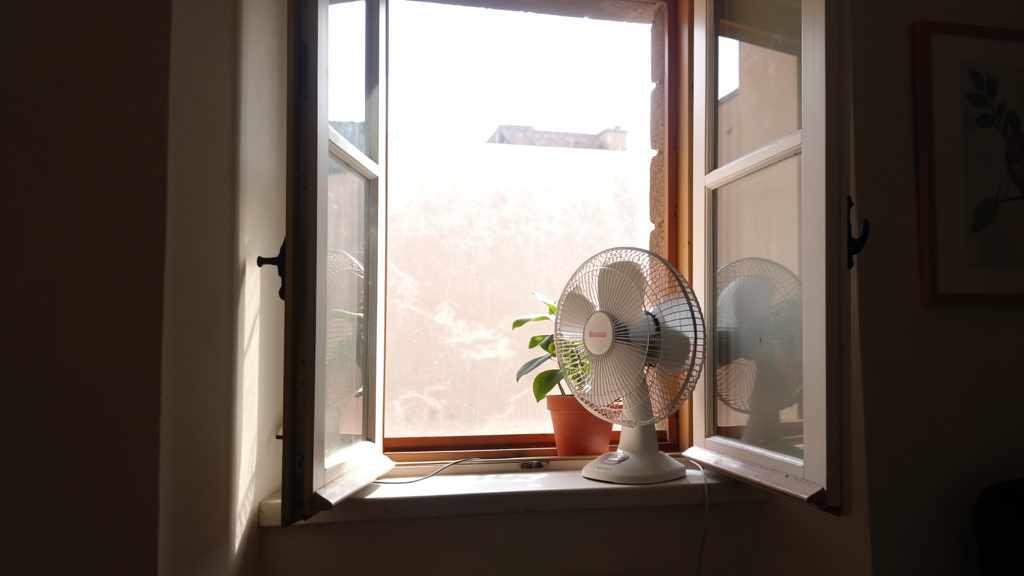
Understanding Fresh Air Exchange to Reduce Pollutants, Manage Moisture, and Support Well-Being in Your Living Space
Every breath taken indoors interacts with your home’s environment. Without thoughtful ventilation, pollutants from everyday activities—cooking, cleaning, respiration—can accumulate alongside excess moisture, potentially affecting comfort and long-term indoor air quality. Ventilation remains one of the most impactful yet frequently overlooked aspects of home stewardship. This guide offers a clear, actionable roadmap grounded in building science principles, international standards, and practical implementation strategies. You’ll gain reliable knowledge to support healthier air in any living space—without compromising comfort, energy awareness, or architectural integrity.
Introduction
Indoor air quality forms a foundational element of a supportive living environment. Research from agencies like the U.S. Environmental Protection Agency indicates indoor pollutant levels can sometimes exceed outdoor concentrations due to limited air exchange. This underscores a meaningful opportunity in home care: while attention is often given to material choices and cleaning products, the system responsible for renewing the air itself deserves equal consideration. Ventilation works continuously to dilute contaminants, moderate humidity levels, introduce oxygen, and help protect both occupants and the building structure.
This resource synthesizes widely accepted principles from ASHRAE Standard 62.2, ISO 16814, UK Building Regulations Part F, and peer-reviewed studies from institutions including the Harvard T.H. Chan School of Public Health. It moves beyond fragmented online advice—where inspiration often overshadows actionable steps—to deliver a unified, context-aware framework. Whether you notice occasional window condensation, manage respiratory sensitivities, oversee new construction, or steward an older property seeking practical upgrades, this guide provides layered insights. Understanding ventilation requirements is a meaningful step toward cultivating a living space that actively supports health, resilience, and daily comfort.
The Three Pillars of Thoughtful Home Ventilation
Ventilation functions best as an intentional system built on three interconnected pillars: Assessment, Strategy, and Sustainability. This framework—refined through diverse housing types and climates—ensures your approach is grounded, adaptable, and enduring. Each pillar addresses a distinct phase, preventing the common pitfall of applying a generic solution to a uniquely personal environment. Progressing through these pillars builds a ventilation plan that aligns with your home’s realities and your household’s rhythms.
Pillar 1: Assess Your Home’s Unique Ventilation Context
Before selecting equipment or planning upgrades, a thoughtful assessment transforms subjective impressions (“the air feels stale”) into objective, actionable insights. Skipping this step may lead to mismatched solutions—systems too weak to manage moisture, overly aggressive for the space, or misaligned with actual usage patterns. Assessment is the diagnostic foundation for informed decisions.
Why Contextual Assessment Matters
Homes function as dynamic environments where structure, climate, contents, and daily life continuously interact. A tightly sealed 2,200-square-foot home occupied by five people with frequent cooking has different air exchange needs than a single resident in a draftier historic property. Assessment quantifies these variables. Consider moisture: air-drying laundry indoors, using a gas range without consistent hood operation, or taking long showers generates water vapor. Without noting these patterns, it’s difficult to size a system that prevents visible condensation—a clue that hidden moisture may be accumulating within walls or attics. Similarly, pollutant profiles vary: a hobby space using adhesives benefits from targeted exhaust; households managing allergies may prioritize filtration. Assessment converts observations into clear parameters for planning.
How to Conduct a Room-by-Room Ventilation Review
Begin with a simple usage reflection. Note: number of regular occupants, presence of infants or elderly individuals (who may be more sensitive to air quality shifts), pets, cooking habits (gas vs. electric), frequency of indoor laundry drying, use of fireplaces or unvented heaters, and any health considerations like seasonal allergies or asthma. This human context is as valuable as physical measurements.
Next, walk through each space noting potential sources:
– Kitchen: Cooktop type (gas ranges produce combustion byproducts), presence and condition of range hood, typical cooking intensity.
– Bathrooms: Exhaust fan presence, age, noise level, and observed usage patterns.
– Bedrooms/Living Areas: New furniture, carpets, recent renovations (potential off-gassing sources), use of humidifiers or diffusers.
– Basement/Crawlspace: Visible dampness, musty odors, sump pumps, or stored items.
– Attached Garage: Seal quality of the door to living space; storage of vehicles or chemicals.
– Laundry Room: Dryer venting path (must exit outdoors); lint trap maintenance.
– Workshop/Hobby Areas: Use of paints, solvents, or dusty activities.
Simultaneously, note structural characteristics:
– Conditioned Area: Approximate square footage. Note ceiling height variations—vaulted spaces hold more air volume.
– Bedroom Count: Relevant for standard ventilation rate calculations.
– Construction Era & Air Leakage Clues: Older homes often have more natural air exchange. On a breezy day, note drafts near windows, doors, or outlets. Watch for past moisture signs: water stains, peeling paint near windows.
– Existing Systems: List all fans, HRVs, ERVs, or HVAC fresh-air components. Note age and observed function.
For optional baseline monitoring (highly informative):
– Hygrometer: Track relative humidity (RH) in key areas over several days. Consistently above 60% RH may indicate moisture management needs; below 30% in winter may suggest dryness.
– CO₂ Monitor: Place in a frequently used room. Levels regularly exceeding 1,000 ppm during occupancy can signal limited air exchange. (Note: Consumer-grade monitors offer trends, not lab-grade precision.)
– Basic IAQ Monitor: Affordable models can reveal particulate (PM2.5) or VOC spikes after cooking or cleaning.
Document observations simply. This snapshot becomes your reference point for evaluating improvements later.
Common Assessment Considerations
– Beyond Square Footage: A 2,000 sq ft home with 14-foot ceilings contains significantly more air volume than one with 8-foot ceilings. Volume (L × W × H) informs airflow needs more accurately than area alone.
– Seasonal Awareness: Conditions shift. A home feeling humid in summer may feel dry in winter. Note these patterns—they guide adaptable strategy choices.
– Garage Connection: An attached garage can harbor pollutants. Verify the connecting door is solid-core, well-sealed, and self-closing.
– Newer ≠ Automatically Better Ventilated: Modern, energy-efficient homes are intentionally tight. Without deliberate mechanical ventilation, limited air exchange may occur. Verification matters more than assumption.
– Honor Occupant Experience: If household members consistently feel better outdoors or report morning headaches, treat it as valid input warranting investigation.
The Guiding Insight: Ventilation needs emerge from the interplay of your home’s physical traits, local climate, contents, and how life unfolds within it. Assessment provides clarity—not to induce worry, but to empower purposeful action.
Pillar 2: Select a Ventilation Strategy Aligned With Your Context
With assessment insights in hand, Pillar 2 focuses on strategy selection. Ventilation exists on a spectrum—from passive approaches to engineered mechanical systems. The most suitable choice harmonizes with your climate, budget, architectural constraints, energy considerations, and daily routines. A technically sound system that conflicts with lifestyle (too noisy, complex, or costly to maintain) may go unused. Strategy selection balances performance with practicality.
Understanding Ventilation Approaches: Passive, Spot, and Whole-House
These categories often work best in combination. Understanding each role prevents misapplication.
Natural Ventilation: Working With Physics
Natural ventilation uses wind and temperature differences (stack effect) to move air through windows, doors, or vents. It requires no operational energy and offers psychological benefits of outdoor connection.
– Where It Fits Well: Mild climates with consistent breezes and lower outdoor pollution levels; homes designed for cross-ventilation (windows on opposing walls); historic properties where preserving character is important; supplemental use during favorable seasons.
– Important Limitations: Highly dependent on weather and outdoor air quality. Offers no filtration of pollen, dust, or wildfire smoke; introduces unconditioned air (increasing HVAC load in heating/cooling seasons); may compromise security or privacy. In wildfire-prone areas, opening windows during smoke events is inadvisable.
– Thoughtful Enhancements: Install trickle vents (common in UK/EU standards) for minimal background airflow without security concerns. Use motorized windows paired with smart sensors—programmed to open during cooler, cleaner nighttime hours and close at dawn or if rain is detected. Pair window operation with indoor CO₂ monitors for informed decisions.
Spot Ventilation: Targeted Removal at the Source
Spot ventilation uses localized exhaust to capture high-concentration pollutants where they originate. It is widely recommended for moisture and contaminant control in specific zones and aligns with building code expectations for bathrooms and kitchens.
– Bathroom Exhaust Guidance:
– Capacity: Minimum 50 CFM for intermittent use or 20 CFM continuous per bathroom. Larger or frequently used bathrooms may benefit from 80–100 CFM.
– Placement: Position grille directly over the shower/tub area to capture steam effectively.
– Operation: Humidity-sensing fans activate automatically and run until moisture levels normalize. Timer switches (set for 20–30 minutes post-shower) offer a reliable alternative.
– Ducting: Use rigid, insulated metal duct where possible. Slope slightly toward the exterior termination. Include a backdraft damper to prevent cold air infiltration.
– Noise Consideration: Select fans rated ≤1.0 sone for quiet operation—quieter units are more likely to be used consistently.
– Kitchen Range Hoods:
– Capacity: Minimum 100 CFM per linear foot of cooktop. Gas ranges or frequent high-heat cooking may warrant higher capacity (consult manufacturer guidance).
– Capture Efficiency: Hood depth should extend to the front edge of the cooktop. Wall-mounted units generally outperform under-cabinet models.
– Operation: Turn on before cooking begins; continue running 10–15 minutes after.
– Ducting Priority: Short, straight, rigid metal duct runs are ideal. Terminate horizontally through an exterior wall when feasible. Ducted exhaust is preferred over recirculating models for pollutant removal.
– Other Key Areas:
– Laundry: Ensure dryer vents exhaust outdoors via rigid metal duct. Clean lint trap after every load.
– Garage: Maintain tight seals on the door to living space. Consider dedicated exhaust if storing vehicles or chemicals.
– Workshops: Use exhaust vented outdoors during dusty or chemical-intensive tasks.
Whole-House Mechanical Ventilation: Consistent, Filtered Air Exchange
When natural and spot ventilation are insufficient—common in tighter modern homes, extreme climates, or for households prioritizing consistent air quality—whole-house systems provide controlled, filtered exchange. Three primary approaches exist, with balanced systems often offering the most comprehensive benefits.
-
Exhaust-Only Systems:
A central fan depressurizes the home, drawing outdoor air through existing leaks.
Considerations: Lower installation cost; simple controls. However, incoming air is unfiltered and unconditioned, potentially drawing pollutants from crawlspaces or garages. Risk of backdrafting combustion appliances exists in tight homes.
Potential Fit: Budget-conscious retrofits in moderately leaky homes in mild climates with no indoor combustion appliances.
Important Note: Adding a dedicated, filtered passive air intake vent can provide a controlled makeup air path, reducing risks. -
Supply-Only Systems:
A fan pressurizes the home with filtered outdoor air, forcing stale air out through leaks.
Considerations: Filters incoming air (valuable in high-pollution areas); reduces backdrafting risk. In cold climates, pressurization may push moist indoor air into wall cavities if not carefully designed.
Potential Fit: Cold, dry climates; homes with combustion appliances; areas with significant outdoor pollution.
Important Note: Supply air should deliver to living spaces. Include pressure relief features per design standards. Less suitable for hot-humid climates. -
Balanced Systems (HRV/ERV): A Comprehensive Approach
Separate fans manage intake and exhaust, maintaining neutral pressure. Paired with a heat recovery ventilator (HRV) or energy recovery ventilator (ERV), they transfer energy between airstreams to moderate temperature (HRV) or temperature and moisture (ERV).
HRV: Transfers sensible heat. Often preferred in consistently cold climates.
ERV: Transfers heat and moisture. Often preferred in hot-humid, mixed, or arid climates for year-round humidity moderation.
Sizing Reference (ASHRAE 62.2):
Ventilation Rate (CFM) = (0.03 × Floor Area) + (7.5 × (Bedrooms + 1))
Example: 2,200 sq ft home, 4 bedrooms: (0.03 × 2200) = 66 + (7.5 × 5) = 37.5 → ~105 CFM continuous. Select a unit rated for this airflow at typical operating pressure.
Installation Notes: Locate unit within conditioned space. Insulate ducts in unconditioned areas. Ensure condensate drains slope continuously. Use vibration isolators to minimize noise.
Smart Integration: Pair with CO₂ or humidity sensors for demand-controlled operation—running quietly most of the time, increasing airflow only when needed.
Climate-Informed Strategy Considerations
Local climate significantly influences strategy suitability. General guidance:
| Climate Context | Primary Consideration | Strategy Considerations | Important Notes |
|---|---|---|---|
| Cold/Dry | Heat retention | Balanced HRV often suitable | Ensure defrost capability; maintain indoor RH 30–40% in winter |
| Hot-Humid | Moisture control | Balanced ERV often suitable | Pair with dehumidification if needed; avoid supply-only systems |
| Mixed/Dry | Seasonal shifts | Balanced ERV offers versatility | Utilize bypass mode during mild weather for efficiency |
| Arid | Dust; low humidity | Balanced ERV + robust filtration | MERV 11–13 intake filters; change regularly |
| Temperate | Variable conditions | Strong spot ventilation + natural supplementation | Add whole-house system if home is tight or health-focused |
Integrating Strategy With Daily Life
Technical excellence matters less if the system doesn’t align with household rhythms:
– For Consistency: Humidity-sensing bathroom fans and auto-on range hoods reduce reliance on memory. Simple visual cues (e.g., a small reminder near the bathroom mirror) support habits.
– For Quiet Spaces: Prioritize low-sone fans (<0.5 sone where feasible). Locate equipment away from bedrooms. Use vibration pads and duct silencers.
– Budget-Conscious Path: Phase improvements. Start by upgrading bathroom/kitchen fans to quiet, sensing models (high impact per dollar). Add whole-house ventilation later if needed. In mild climates, strategic window operation combined with existing HVAC fan cycling can offer interim benefit.
– Historic Home Constraints: Where ductwork is challenging, consider decentralized solutions like wall-mounted single-room HRVs/ERVs (installed through exterior walls) or high-performance trickle vents.
– Health Sensitivities: Prioritize MERV 13+ filtration on intake air where appropriate. Supplement with standalone HEPA air purifiers in key rooms. Ensure continuous operation of core ventilation systems.
Strategy Selection Considerations
– Value Beyond Upfront Cost: A quiet, sensing fan used consistently delivers more benefit than a noisy, basic model left unused. Consider long-term usability.
– Filter Incoming Air: “Fresh” air should be clean air. Minimum MERV 8 filtration on intake is widely recommended; MERV 13 may be appropriate in high-pollution areas.
– Right-Sizing Matters: Oversized systems waste energy, cause drafts, or introduce excess moisture. Undersized systems won’t manage loads. Base sizing on assessment and recognized methods.
– Makeup Air Awareness: Powerful range hoods (>400 CFM) in tight homes may require dedicated makeup air to prevent pressure imbalances. Consult a professional if concerned.
– HVAC Fresh Air Intakes: Verify existing HVAC fresh air components are adequately sized, filtered, and operational. Many are undersized or inactive.
Pillar 3: Implement and Maintain for Enduring Performance
A ventilation system’s long-term value emerges through careful installation and consistent care. Implementation details affect performance, comfort, and durability. Similarly, routine maintenance ensures reliability and prevents the system itself from becoming a source of concern. Pillar 3 transforms planning into lasting reality.
Implementation Essentials
Professional design by a qualified HVAC designer or building performance specialist is recommended for whole-house systems. Key details to verify:
– Ductwork Quality:
– Use smooth, rigid metal ducts for main runs where feasible. If flexible duct is necessary, ensure it’s fully extended, well-supported, and insulated (R-6 minimum) in unconditioned spaces.
– Seal all joints with UL-181-approved mastic (not standard duct tape, which degrades). Pay close attention to connections at the unit and exterior terminations.
– Keep runs short and straight. Minimize sharp bends; use gradual transitions where turns are needed. Slope exhaust ducts slightly toward termination.
– Terminate exhaust points ≥10 feet from windows, doors, or fresh air intakes. Use backdraft dampers on exhaust caps. Intake hoods require insect screens and weather protection.
– Grille Placement:
– Supply fresh, filtered air to living areas and bedrooms.
– Exhaust from moisture/pollutant sources: bathrooms (over shower), kitchen (hood), laundry.
– Avoid placing supply and exhaust grilles too close together to prevent short-circuiting airflow.
– Sound Management:
– Line ducts near living spaces with acoustic insulation.
– Install inline duct silencers on HRV/ERV runs.
– Mount equipment on vibration isolation pads. Use flexible connections between rigid ducts and equipment.
– Locate units away from quiet zones; utility closets with solid-core doors buffer sound.
– Controls and Clarity:
– Install intuitive controls with clear labeling. Indicator lights showing operation encourage proper use.
– For HRVs/ERVs, multi-speed or sensor-based controls allow demand-responsive operation—low speed continuously, boosting only when needed.
– Label components simply: “Bathroom Fan – Run 20 min after shower,” “Filter – Check Monthly.”
– Verification Steps (Highly Recommended):
1. Airflow Check: Measure airflow at grilles (using an anemometer or flow hood) to confirm design targets.
2. Leak Inspection: Use a smoke pencil around connections to identify leaks.
3. Backdrafting Test: With all exhaust fans running, hold incense smoke near the draft hood of a gas water heater. Smoke should rise steadily up the flue. If pulled inward, consult a professional immediately.
4. Drain Test: Pour water into HRV/ERV condensate drain to verify clear, sloped path.
5. User Familiarization: Ensure all household members understand basic operation and maintenance cues.
A Sustainable Maintenance Routine
Consistent, simple care sustains performance. Integrate these tasks into your home rhythm:
– Monthly:
– Check and clean/replace filters on HRV/ERV units, intake vents, and range hoods.
– Wipe fan covers and grilles.
– Verify bathroom/kitchen fans activate and exhaust (hold tissue near grille—it should adhere when fan runs).
– Quarterly:
– Inspect exterior hoods for blockages (leaves, nests, snow). Clean screens.
– Check accessible duct connections for visible issues.
– Test backdraft dampers (should close tightly when fan is off).
– Biannually (Spring/Fall):
– Clean HRV/ERV core per manufacturer instructions.
– Flush condensate drain lines; ensure traps hold water.
– Inspect vibration isolators and duct supports.
– Annually:
– Consider a professional inspection, especially if the system interfaces with combustion appliances.
– Verify overall system airflow.
– Calibrate sensors if equipped.
Addressing Common Observations
– Reduced Fan Airflow: Often caused by blocked or disconnected ducts (bird nests, kinks, insulation coverage). Inspect accessible duct paths. Ensure termination is outdoors, not into an attic.
– Condensation on Windows (Cold Weather): Indoor humidity may be high for the outdoor temperature. Target indoor RH 30–40% when very cold outside. Extend bathroom fan runtime after showers; use range hood while cooking; avoid indoor laundry drying. Improve air circulation near windows with ceiling fans on low.
– Musty Odors from System: May indicate moisture buildup in core, drain pan, or ducts. Power off unit. Clean core and drain components per manual. Flush drain line with diluted vinegar solution. Ensure proper slope and drainage. Replace filters. If odor persists, inspect ductwork or consult a professional.
– Uncomfortable Supply Air Temperature: Check filters first—clogs restrict airflow. Verify HRV/ERV is operating in recovery mode (not bypass). Confirm unit sizing aligns with home needs. In extreme climates, pre-conditioning accessories may be considered.
– Gurgling Sounds from HRV/ERV: Often a clogged or frozen condensate drain. Clear blockage. In cold climates, ensure drain line is insulated, sloped correctly, and includes a proper trap. A small heat trace cable may be appropriate in freezing conditions.
The Guiding Insight: A ventilation system’s lasting benefit is directly tied to consistent, informed care. Maintenance is not an optional add-on—it is the essential practice that safeguards your initial effort and supports years of reliable, healthier air.
Ventilation in Practice: Matching Approach to Real Situations
This section offers contextual clarity on ventilation types, highlighting nuanced applications to support confident decision-making.
Natural Ventilation: Intentional Passive Airflow
Natural ventilation leverages wind pressure and thermal buoyancy (stack effect). Its strength lies in simplicity and connection to the outdoors, but effectiveness depends entirely on external conditions and design. It is rarely sufficient alone in modern contexts but valuable as a supplement.
Design Elements That Support Flow
– Cross-Ventilation: Operable windows on opposite walls allow breezes to pass through. Casement windows often capture wind more effectively than sliding types.
– Stack Effect Enhancement: High-level openings (clerestory windows, operable skylights) paired with lower inlets accelerate airflow. In two-story homes, opening an upper window and a lower window creates a thermal chimney effect.
– Retrofit Options: Trickle vents added during window service provide minimal, secure background ventilation. Motorized window actuators integrated with weather/AQI data can automate safe nighttime flushing in suitable climates.
Critical Contextual Limits
– Outdoor Air Quality: Opening windows introduces unfiltered pollutants—pollen, traffic particulates, or wildfire smoke. In regions with seasonal air quality challenges, natural ventilation requires mindful timing.
– Humidity and Climate: In humid climates, it adds moisture; in arid zones, it may over-dry indoor air. During heating or cooling seasons, it increases energy demand as HVAC compensates for unconditioned air.
– Practical Constraints: Security, privacy, noise, or weather may limit window use. Wind is intermittent; stack effect is weak on calm days or in single-story layouts.
A Balanced Perspective: Natural ventilation is a valuable tool when used intentionally—complementing mechanical systems during favorable conditions, not replacing them year-round in most modern homes.
Spot Ventilation: Precision at the Source
Spot ventilation targets high-load areas. Effectiveness hinges on capture efficiency (containing contaminants at origin) and adequate exhaust rate.
Bathroom Focus
– Capacity Guidance: Standard bathrooms: 50–80 CFM; larger/master baths: 80–110 CFM.
– Placement: Grille centered over shower/tub area.
– Operation: Humidity-sensing fans or timers ensure adequate runtime without relying on memory.
– Ducting: Rigid, insulated metal duct sloped toward termination. Backdraft damper essential.
– Noise: ≤1.0 sone units encourage consistent use.
Kitchen Focus
– Capacity: Minimum 100 CFM per linear foot of cooktop; gas ranges or frequent high-heat cooking may require more.
– Capture: Hood depth extending to cooktop front edge; proper mounting height per manufacturer.
– Ducting: Short, straight, rigid metal path preferred. Horizontal wall termination ideal. Ducted exhaust strongly preferred over recirculating.
– Operation: Activate before cooking; continue 10–15 minutes after.
– Safety Note: High-CFM hoods in tight homes may require makeup air assessment to prevent pressure imbalances.
Other Areas
– Laundry: Dryer must vent outdoors via rigid metal duct. Clean lint trap after every load.
– Garage: Maintain tight seal on door to living space. Store chemicals safely.
– Workshops: Exhaust vented outdoors during dusty/chemical tasks; consider HEPA air scrubbers.
Whole-House Systems: Engineered Consistency
When passive and spot methods cannot provide reliable year-round exchange—common in tighter homes, extreme climates, or for health-focused households—whole-house systems deliver controlled, filtered renewal.
HRV vs. ERV: Choosing Thoughtfully
– HRV (Heat Recovery): Transfers temperature only. Often suited to cold, dry climates where retaining heat is primary.
– ERV (Energy Recovery): Transfers temperature and moisture. Often suited to hot-humid climates (limits moisture intake), mixed climates (balances year-round), or arid zones (retains some winter humidity).
– Decision Aid:
– Primarily cold/dry climate? → HRV may be preferable.
– Primarily hot/humid climate? → ERV may be preferable.
– Significant seasonal swings? → ERV often offers greater versatility.
When uncertain, consult a local professional familiar with regional conditions. Most units include defrost cycles for cold climates; verify specifications.
Sizing and Integration
– Use ASHRAE 62.2 formula as a starting point: Q = (0.03 × Area) + (7.5 × (Bedrooms + 1)).
– Select a unit rated for the calculated CFM at typical static pressure (e.g., 0.3″ w.c.). Slight oversizing (15–20%) allows flexibility.
– Prioritize features: ECM motors (efficient, variable speed), smart controls compatibility, verified recovery efficiency (HVI certification).
– Smart Synergy: Integrate CO₂ sensors for occupancy-responsive airflow; humidity sensors for climate-adaptive operation; smart home systems for scheduled boosts (e.g., pre-wake ventilation).
Calculating Ventilation Needs: A Practical Approach
Ventilation requirements are grounded in science, not guesswork. This section clarifies core concepts and offers accessible methods to understand your home’s needs.
Core Metrics Simplified
- Air Changes per Hour (ACH): How many times the air volume in a space is replaced hourly. Standards often reference 0.35 ACH as a residential baseline for whole-house exchange.
- Cubic Feet per Minute (CFM): The flow rate used for equipment sizing. Actionable and practical.
- Conversion:
CFM = (Volume in cubic feet × Target ACH) ÷ 60
Example: 1,800 sq ft home × 9 ft ceilings = 16,200 cu ft; (16,200 × 0.35) ÷ 60 ≈ 95 CFM
ASHRAE Standard 62.2: A Widely Referenced Method
ASHRAE 62.2 provides a formula balancing building size and estimated occupancy (using bedrooms as a proxy):
Q_primary = (0.03 × Floor Area) + (7.5 × (Bedrooms + 1))
Examples:
– 2,200 sq ft, 4 bedrooms: (66) + (37.5) = ~105 CFM continuous
– 950 sq ft apartment, 2 bedrooms: (28.5) + (22.5) = ~50 CFM continuous
– 3,500 sq ft, 5 bedrooms: (105) + (45) = ~150 CFM continuous
Spot Ventilation Additions (Q_local):
– Bathrooms: 50 CFM intermittent or 20 CFM continuous per bath
– Kitchen: 100 CFM intermittent range hood or calculated continuous rate
Note on Infiltration Credit:
ASHRAE allows reducing mechanical ventilation based on measured air leakage (via blower door test). However, many building science professionals recommend providing the full calculated mechanical rate regardless:
– Infiltration is uncontrolled—you cannot guarantee where air enters (e.g., from a garage or crawlspace).
– Infiltration brings unconditioned, unfiltered air.
– As homes are air-sealed for efficiency, mechanical ventilation becomes increasingly essential.
Recommendation: Size mechanical ventilation to deliver the full calculated rate. Treat air sealing and mechanical ventilation as complementary strategies: seal the envelope thoughtfully, then ventilate deliberately.
Global Perspectives
- UK Building Regulations Part F: Emphasizes background ventilation (trickle vents) plus intermittent extract (bathrooms: 15 L/s; kitchen: 30 L/s). Requires purge ventilation capability (rapid air exchange via windows).
- European Standard EN 16798-1: Focuses on indoor air quality classes; recommends 10–30 L/s per person depending on activity; promotes demand-controlled ventilation and heat recovery.
- Canadian NBC: Closely aligns with ASHRAE 62.2; mandates mechanical ventilation in new homes; HRVs are common due to climate.
Universal Principle: Ventilation must adequately dilute pollutants generated by occupants and building materials. When local codes are unclear, ASHRAE 62.2 offers a robust, health-focused reference. Always consult local requirements and professionals.
Practical Tools
- Online Calculators: EPA Indoor airPLUS, RESNET, or manufacturer tools provide quick estimates.
- Blower Door Test: Conducted by certified professionals (BPI, RESNET). Quantifies air leakage, identifies sealing opportunities, and confirms if mechanical ventilation is essential (homes tighter than 5 ACH50 typically require it). Highly informative before major investments.
- Post-Installation Verification:
- CO₂ monitor: Occupied rooms should generally stay below 1,000 ppm.
- Hygrometer: Maintain RH 30–50% in most climates during system operation.
- Simple tissue test: Should adhere firmly to exhaust grille when fan runs.
Navigating Codes and Health-Informed Practices
Building codes establish minimum legal requirements. Understanding them is valuable, but health-focused design often thoughtfully exceeds them.
Code Context
- IRC (International Residential Code): Requires whole-building ventilation and local exhaust in bathrooms/kitchens. References ASHRAE 62.2 for mechanical rates in newer editions.
- IECC (International Energy Conservation Code): Sets air leakage limits for new homes; mandates mechanical ventilation in tighter homes. Encourages energy recovery in many climate zones.
- UK Part F / EU Directives: Emphasize commissioned systems, user controls, purge capability, and increasingly, energy recovery and smart controls.
Important: Code adoption varies locally. Verify requirements with your building department. However, ASHRAE 62.2 is widely recognized as a technical benchmark for residential ventilation design.
Health-Informed Enhancements Beyond Minimums
Codes ensure baseline safety; health-focused choices support optimal well-being:
– Filtration: MERV 13+ on intake air may benefit households in high-pollution areas or managing respiratory sensitivities (consult HVAC professional for system compatibility).
– Continuous Operation: Balanced systems running continuously at low speed often provide more stable air quality than intermittent-only approaches.
– Garage Separation: Enhanced sealing on the door to living space plus dedicated exhaust reduces pollutant transfer risk.
– Gas Cooking: Consistent use of a high-CFM, ducted range hood minimizes exposure to combustion byproducts.
– Post-Renovation: Temporarily increase ventilation after installing new flooring, paint, or furniture to support off-gassing.
– Wildfire Regions: Prioritize tight envelope, MERV 13+ filtration, and air purifiers with HEPA filters for smoke events.
– Radon Areas: Ventilation alone is not a radon mitigation solution. Test first; install a dedicated radon mitigation system if levels are elevated. Avoid exhaust-only systems in high-radon areas as they may increase soil gas entry.
When to Consider Enhanced Approaches
| Situation | Thoughtful Enhancement | Rationale |
|————————————|——————————————–|————————————————|
| Respiratory sensitivities | MERV 13+ filtration; continuous balanced ventilation | Reduces airborne irritants |
| Attached garage | Enhanced door sealing; CO monitors | Minimizes vehicle exhaust infiltration |
| Frequent gas cooking | High-CFM ducted hood; consistent use | Removes combustion byproducts at source |
| Recent renovations | Increase ventilation temporarily | Supports off-gassing of new materials |
| High radon potential (check maps) | Test first; install mitigation if needed | Ventilation alone is insufficient for radon |
| Wildfire-prone area | Tight envelope; robust filtration; purifiers | Filters smoke particles during events |
| Historic home with moisture signs | Targeted dehumidification; spot exhaust | Protects vulnerable structure |
| General proactive health focus | Balanced system with energy recovery | Consistent, filtered air with energy awareness |
Your Questions, Answered
Q: How can I tell if my home needs better ventilation?
A: Watch for clues: persistent window condensation (beyond brief morning fog), lingering cooking odors, stuffy air after gatherings, visible mold in bathrooms, or household members feeling noticeably better when outdoors. A hygrometer showing RH consistently above 60% or a CO₂ monitor regularly exceeding 1,000 ppm during occupancy also suggest limited air exchange.
Q: Can I rely only on opening windows?
A: In mild, clean-air climates with well-designed cross-ventilation, windows can be a valuable supplement. However, they offer no filtration, humidity control, or security— and are ineffective during extreme weather, high-pollen seasons, or wildfire smoke events. For consistent year-round air quality, especially in tighter modern homes, mechanical ventilation is generally recommended.
Q: HRV or ERV—which is better for my home?
A: Climate is key. HRVs (heat recovery) excel in cold, dry climates. ERVs (energy recovery) manage both heat and moisture, making them versatile for hot-humid, mixed, or arid climates. If your region has significant seasonal shifts, an ERV often provides broader year-round balance. When unsure, consult a local HVAC professional familiar with regional conditions.
Q: How often should I change ventilation system filters?
A: Check monthly; replace every 1–3 months depending on filter type, household factors (pets, allergies), and local air quality. Mark your calendar or set a phone reminder. Clean intake screens quarterly. Refer to your unit’s manual for specifics.
Q: Is a recirculating range hood acceptable?
A: Ducted exhaust to the outdoors is strongly preferred. Recirculating hoods with charcoal filters only address odors temporarily and do not remove heat, moisture, or combustion byproducts. If ducting isn’t feasible, use the hood fan consistently and supplement with nearby open windows when cooking—but recognize limitations.
Q: Will ventilation significantly increase my energy bills?
A: Balanced systems with heat/energy recovery (HRV/ERV) minimize energy loss—typically recovering 70–90% of energy from exhaust air. While any mechanical system uses some electricity, the impact is often modest compared to the energy penalty of uncontrolled air leakage. Properly sized systems operate efficiently; demand-controlled features (sensors) further optimize runtime.
Q: What’s the simplest improvement I can make today?
A: Verify your bathroom exhaust fan works effectively (tissue sticks firmly to grille when running) and commit to using it during and 20–30 minutes after showers. If it’s noisy or weak, note it for upgrade. Similarly, use your range hood consistently while cooking. These small, consistent actions make an immediate difference.
Q: Do I need a whole-house system if my home isn’t airtight?
A: Not necessarily. Older, leakier homes often have significant natural air exchange. Focus first on effective spot ventilation (bathrooms, kitchen) and address major air leaks that cause drafts or moisture issues. If concerns about air quality persist despite these steps, a balanced system can provide reliable, filtered exchange without over-ventilating.
Q: Can ventilation help with allergies?
A: Yes—when paired with filtration. Ventilation dilutes indoor allergens (dander, dust mites), while MERV 13+ filters on intake air reduce outdoor allergens (pollen) entering the home. Combine with regular cleaning, HEPA air purifiers in bedrooms, and humidity control (keeping RH <50% discourages dust mites).
Q: What about ventilation in a rental where I can’t install permanent systems?
A: Focus on what you control: use exhaust fans consistently; open windows strategically during low-pollen, good-air-quality hours; place portable HEPA air purifiers in key rooms; use a dehumidifier in damp climates; discuss concerns respectfully with your landlord—many spot fan upgrades are low-cost and mutually beneficial.
Q: How does ventilation relate to mold prevention?
A: Ventilation is a primary defense. By removing excess moisture at the source (showers, cooking) and maintaining whole-house humidity below 60%, it reduces conditions favorable for mold growth on surfaces and within wall cavities. Pair with prompt leak repairs and adequate insulation to prevent cold spots where condensation forms.
Q: Are there incentives for installing energy recovery ventilators?
A: Some utility companies, state programs, or federal initiatives (like U.S. federal tax credits for energy-efficient upgrades) may offer rebates or incentives for HRVs/ERVs, especially when part of a broader home efficiency project. Check DSIRE (Database of State Incentives for Renewables & Efficiency) or consult a local energy auditor.
Conclusion and Your Next Step
Recap: Healthy home ventilation rests on three pillars. First, Assess your home’s unique context—size, usage, climate clues. Second, Select a strategy aligned with your realities: effective spot ventilation is essential everywhere; whole-house systems bring consistency where needed. Third, Sustain performance through mindful installation details and simple, regular maintenance. There is no universal “best” system—only the most suitable approach for your specific situation.
The 24-Hour Action: Within the next day, spend five minutes checking one exhaust fan. Turn on your bathroom fan and hold a lightweight tissue to the grille. Does it adhere firmly? Listen: is it reasonably quiet? If it’s weak, noisy, or unused, write a brief note: “Bathroom fan needs attention.” This small act of awareness is the first step toward meaningful improvement. No purchase required—just observation.
The Bigger Perspective: Ventilation is one interconnected element of a healthy home ecosystem—alongside thoughtful material choices, moisture management, and thermal comfort. By approaching it with curiosity rather than overwhelm, you contribute to a living environment that quietly supports well-being day after day. Progress, not perfection, is the goal. Each informed step builds greater confidence and comfort.
Explore Further Guidance:
Understanding Indoor Air Quality Fundamentals | Air Sealing Your Home: A Balanced Approach | Choosing Air Purifiers Wisely | Humidity Management Through the Seasons | Energy-Efficient Home Upgrades That Support Health | Mold Prevention: Practical Steps for Every Home | Integrating Smart Sensors for Home Health Monitoring