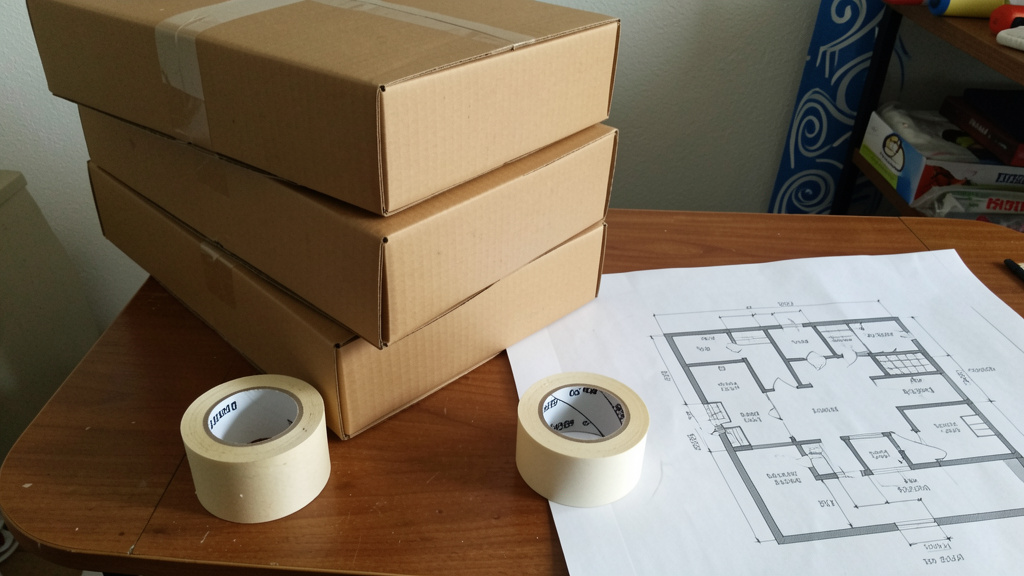
Transform relocation stress into controlled momentum with a step-by-step framework designed for every phase, every challenge, and every emotion of moving.
Moving consistently ranks among life’s most significant stressors—yet it doesn’t have to feel chaotic. This definitive guide synthesizes widely recognized logistics management principles, behavioral psychology insights, and patterns observed across diverse relocation experiences into a single, actionable system. Whether you’re relocating across town or across continents, this framework addresses not only the physical logistics of packing and transport but the hidden emotional currents, decision fatigue, and post-move adjustment that define the true relocation experience. Follow this methodology to execute a transition that feels less like an ordeal and more like a confident step forward.
Introduction: Redefining What “Seamless” Really Means
The word “seamless” is often misused in moving advice. True seamlessness isn’t the absence of challenges—it’s the presence of preparedness. It’s knowing exactly which box contains your child’s favorite stuffed animal on moving night. It’s having utility transfers scheduled before you unpack the coffee maker. It’s recognizing the quiet grief of leaving a home while simultaneously nurturing excitement for what lies ahead.
Patterns observed across numerous documented relocations reveal a critical insight: moves encounter friction not from logistical oversights alone, but from underestimating the human element. A household might meticulously pack every box yet face emotional strain because no space was created to acknowledge the significance of leaving a cherished community. Another might secure highly rated movers but experience disruption because administrative tasks were deprioritized amid physical preparations.
This guide operates on a foundational principle: Relocation success integrates logistics, emotional awareness, and adaptable systems. By intentionally designing structures for all dimensions, you transform uncertainty into agency. The strategies within draw from established project management methodologies, environmental psychology research on life transitions, and aggregated insights from relocation professionals, organizational specialists, and documented case studies. This guide synthesizes widely recognized best practices and patterns observed in successful relocations.
For instance, a family relocating across the country noted that while the physical move proceeded smoothly, the emotional adjustment took months because they had not created space to discuss feelings about leaving their community. This experience highlights a common gap this framework addresses: integrating practical logistics with emotional preparedness. Similarly, individuals navigating complex moves often report that small, intentional rituals—like sharing a meal in the new kitchen on arrival—significantly accelerated their sense of belonging.
The Relocation Momentum Framework: Your Roadmap to a Controlled Transition
Forget fragmented checklists. The Relocation Momentum Framework organizes the entire process into three intentional phases, each building psychological and logistical momentum toward your new beginning. This structure prevents overwhelm by clarifying what to focus on when—and why that timing matters. Experience from relocation professionals indicates that moves planned with phased intentionality tend to proceed with greater ease and reduced stress compared to reactive, task-by-task approaches.
The Fundamental Principle: Momentum compounds. Small, deliberate actions in Phase 1 create disproportionate ease in Phases 2 and 3. Front-loading strategic effort transforms moving day from a crisis into a culmination.
Phase 1: Pre-Move Clarity (The Foundation Phase – 6-8 Weeks Out)
This phase constitutes the majority of your preparatory effort—and rightly so. Every minute invested here prevents significant stress later. Clarity isn’t just about knowing what to do; it’s about eliminating decision fatigue when energy is naturally lower.
Step 1: Establish Your Non-Negotiable Timeline Anchor
Begin by identifying your absolute deadline: lease end date, closing date, or job start date. Then, work backward using this adaptable template (adjust weeks based on move complexity and seasonal factors):
| Timeline Marker | Critical Actions | Psychological Purpose |
|---|---|---|
| 8 Weeks Out | Finalize moving budget; research movers; begin room-by-room decluttering | Creates psychological safety through structure |
| 6 Weeks Out | Book movers; order supplies; notify landlord/seller | Transforms abstract plan into tangible commitment |
| 4 Weeks Out | Deep decluttering; pack non-essentials; schedule utility transfers | Builds visible progress momentum |
| 2 Weeks Out | Confirm all vendors; pack majority of boxes; prepare “Open First” kits | Reduces cognitive load for final sprint |
| 1 Week Out | Final walkthrough; pack essentials boxes; confirm travel logistics | Shifts mindset from preparation to execution |
| Moving Day | Execute plan; maintain command center; practice self-care | Embodies controlled transition |
Why this works: Visual timelines provide structure that reduces anxiety. Posting a physical or digital timeline where you’ll see it daily offers consistent reassurance.
Common mistake: Starting packing before decluttering. This wastes time packing items you’ll discard later and inflates moving costs.
Pro nuance: For international moves, begin Phase 1 at 12-16 weeks. Visa processing, shipping regulations, and customs documentation require extended lead times.
Seasonal consideration: During winter months, add buffer days for potential weather delays. In summer, schedule physically demanding tasks for early morning to avoid peak heat. Always check seasonal factors specific to your region and route.
Step 2: Execute the “Great Sort” Decluttering Protocol
Decluttering isn’t just about reducing box count—it’s emotional preparation for release. Use this room-by-room decision framework:
- The Four-Box Method: Label boxes/bins: Keep, Donate/Sell, Relocate (items staying but moving rooms), Decide Later.
- The 12-Month Rule: Haven’t used it in a year (excluding seasonal/sentimental items)? It likely doesn’t earn space in your new home.
- The Joy + Utility Test (KonMari adapted): Does this item spark genuine joy or serve essential utility? If neither, thank it and release it.
- Sentimental Item Strategy: Limit keepsakes to one designated “memory box” per person. Photograph bulky items (children’s artwork, trophies) before recycling.
Real-life application: One individual facing significant clutter in a home office used the Pomodoro technique—setting a timer for 25 minutes daily. Day 1: cleared the desk surface. Day 2: sorted the filing cabinet. Within ten days, the room was efficiently packed, and three boxes of unused supplies were donated. These micro-wins built sustained confidence.
Budget alternative: Host a “declutter party” with friends—offer a meal in exchange for help sorting. Sell items via local online marketplaces before moving day to avoid post-move clutter.
Critical exception: Never declutter children’s belongings without their involvement. Forced decluttering creates resentment and undermines their sense of security. Instead, frame it as a collaborative project: “Let’s choose which toys will make your new room feel like home.”
Step 3: Construct Your Precision Budget Blueprint
Moving costs frequently exceed initial estimates due to overlooked variables. Build your budget using this comprehensive structure:
| Category | Typical Consideration | Hidden Costs to Anticipate | Tracking Tip |
|---|---|---|---|
| Moving Services | Primary expense category | Stair fees, long carry fees, shuttle service fees, fuel surcharges | Get line-item quotes; ask “What could increase this price?” |
| Supplies | Often underestimated | Specialty boxes (wardrobe, dish barrels), mattress covers, tape guns | Calculate box needs: approximately 10 small, 8 medium, 6 large per room |
| Travel/Lodging | Essential for distance moves | Pet boarding, meals during transit, unexpected hotel nights | Use fuel-tracking apps; book refundable lodging where possible |
| Administrative | Easily postponed | Change of address fees, new locks, security deposits | Create a dedicated digital folder for all receipts and confirmations |
| Contingency | Essential buffer | Unforeseen expenses are common (e.g., minor repairs, weather delays) | Label this “Peace of Mind Fund” |
Why the contingency is essential: Unforeseen expenses commonly arise during relocations. Without a dedicated buffer, these become significant stress amplifiers.
Verification technique: Request written quotes from multiple licensed movers. Compare not just price, but included services and clarity around potential additional charges. Exercise caution with quotes significantly below market rate, as they may indicate incomplete services or uninsured operators.
Digital tool: Use a shared spreadsheet (Google Sheets) with tabs for budget, contacts, and timeline. Grant access to all involved household members to prevent miscommunication.
Step 4: Vet and Secure Your Moving Partner
Choosing movers is a high-impact decision. Follow this verification protocol:
- Verify Legitimacy (Non-Negotiable):
- U.S.: Confirm USDOT number via FMCSA SAFER System. Check BBB rating and complaint history.
- Canada: Verify license with Canadian Association of Movers (CAM).
- International: Confirm membership with recognized global associations like FIDI.
- Conduct Structured Interviews: Ask:
- “Are your employees full-time staff or subcontractors?” (Staff often indicates greater accountability)
- “What is your documented process for handling damaged items?”
- “Can you provide references from clients with similar move profiles?”
- Understand Valuation Coverage Options:
- Released Value Protection: Basic coverage (approx. $0.60/lb). Typically inadequate for most households.
- Full Value Protection: Mover repairs or replaces damaged items. May provide greater peace of mind for valuable possessions, though the decision depends on individual circumstances.
- Third-Party Insurance: Consider supplemental insurance through specialized providers.
Red flag awareness: Pressure to sign immediately, demands for large cash deposits upfront, refusal to provide a physical business address, or vague answers about insurance procedures warrant caution.
DIY alternative analysis: Renting a truck shifts physical labor and liability to you. Calculate true cost: truck rental + fuel + mileage + insurance + your time + risk of injury. For moves over 500 miles or multi-story homes, professional movers often provide better value despite higher upfront cost.
Hybrid strategy: Hire movers for heavy/large items (sofas, beds, pianos) and handle smaller boxes yourself. Many companies offer “partial service” options.
Step 5: Conquer the Administrative Avalanche
Administrative tasks are easily postponed but cause major post-move friction. Implement this systematic approach:
- Create a Master Contact List: Spreadsheet columns: Entity, Current Account #, Contact Method, Deadline, Status, New Address Confirmation.
- Group by Category:
- Government: Post office (submit change of address 2 weeks pre-move), DMV, voter registration, tax authorities.
- Financial: Banks, credit cards, loans, investment accounts.
- Utilities: Electricity, gas, water, internet, cable, trash. Schedule disconnect at old home and connect at new home for move-in day.
- Subscriptions/Memberships: Magazines, meal kits, gym, streaming services.
- Health: Doctors, dentists, veterinarians (request records transfer).
- Leverage Digital Tools: USPS offers online change of address ($1.10 fee). Services like Movearoo or MyMove automate notifications to dozens of companies (free/paid tiers).
- Critical nuance: Notify insurance providers before moving day. Homeowner’s/renter’s insurance may have gaps during transit. Confirm coverage details with your agent.
Example insight: Scheduling internet disconnect for the evening of moving day can create connectivity gaps if new service activation is delayed. Solution: Schedule old service disconnect for after new service activation date, accepting one day of dual billing for seamless transition. This small adjustment prevents significant post-move frustration.
Phase 2: Moving Day Execution (The Precision Phase – 1 Week Out to Moving Day)
This phase leverages the foundation built in Phase 1. Your role shifts from planner to conductor—ensuring systems operate smoothly while protecting your energy.
Step 1: Assemble Your Command Center
This physical or digital hub contains everything needed on moving day. Prepare it 3 days prior:
- Physical Binder/Digital Folder Includes:
- Mover contact sheet (lead foreman, company dispatcher)
- Floor plan of new home with room labels (share with movers upon arrival)
- Inventory list of high-value items (photographed)
- Payment method and tip envelope (if applicable)
- Utility contact numbers for new home (in case of activation issues)
- Printed directions to new home (supplement digital navigation)
- Essential Moving Day Kit (Keep with YOU, not on truck):
- Phone charger + power bank
- Medications, toiletries, change of clothes
- Snacks, water bottles, cash for tips/meals
- Basic toolkit (scissors, box cutter, tape, markers)
- Pet supplies (leash, food, comfort item)
- Important documents (IDs, leases, insurance papers)
Why this prevents chaos: During high-activity periods, cognitive bandwidth is limited. Having critical items instantly accessible eliminates frantic searches. The floor plan prevents movers from guessing room placements—a frequent source of post-move frustration.
Practical impact: Providing movers with a clear floor plan and specific guidance (“Master bedroom is third door on left; kitchen boxes go directly to pantry area”) enables efficient workflow and reduces redirection needs after unloading.
Step 2: Implement the Strategic Packing & Labeling System
Packing isn’t just containment—it’s future-you’s instruction manual. Apply this methodology:
- Room-Based Color Coding: Assign each room a color (e.g., blue=kitchen, green=bedroom). Use matching colored tape on box tops/sides AND corresponding doorframes at new home.
- Content + Priority Labeling: On every box, write:
[ROOM] | [CONTENTS SUMMARY] | [PRIORITY: OPEN FIRST / WEEK 1 / WHEN NEEDED]
Example:KITCHEN | Pots, pans, utensils | OPEN FIRST - Fragile Item Protocol:
- Dishes: Wrap individually in packing paper; place vertically like records in box; fill voids with crumpled paper.
- Glassware: Nest cups/bowls; use cell-divider boxes for stemware.
- Electronics: Use original packaging if possible. Otherwise, wrap screens in microfiber cloths; secure cords with twist ties labeled “TV Cords.”
- Specialty Packing Tips:
- Lamps: Remove shades/bulbs; wrap bases in blankets; pack shades flat in wardrobe box.
- Artwork: Use mirror boxes; pad glass with cardboard corners.
- Clothing: Wardrobe boxes preserve hanging items. For drawers, use the “suitcase method”—pack clothes directly into suitcases you’ll use for travel.
Common packing mistake: Overpacking boxes. A box should weigh no more than 30 lbs. Heavy boxes risk injury during lifting and often burst at seams. Test: If you can’t lift it comfortably with one hand, it’s too full.
Budget hack: Source sturdy boxes from grocery stores (produce boxes) or liquor stores (dividers for glassware). Reinforce seams thoroughly with packing tape.
Eco-conscious alternative: Rent reusable plastic crates from specialized services. Eliminates cardboard waste; crates stack securely and have secure lids.
Step 3: Execute the Moving Day Timeline Protocol
A structured plan prevents downtime and decision fatigue:
- 7:00 AM: Final walkthrough of empty rooms. Check closets, under beds, garage corners. Take photos for documentation.
- 8:00 AM: Movers arrive. Provide command center materials. Designate one person as primary point of contact.
- 8:30 AM: Confirm loading sequence: “Please load items needed last first (e.g., garage tools), and ‘Open First’ boxes last.”
- 10:00 AM – 2:00 PM: Supervise loading. Verify high-value items are secured. Take scheduled breaks—hydrate, eat snacks.
- 2:30 PM: Final sweep of old home. Leave keys per agreement. Provide movers with address/contact for new home.
- Upon Arrival at New Home: Direct movers using floor plan. Designate “box staging areas” per room to avoid hallway pileups.
- After Unload: Complete inventory check with foreman. Note any visible damage on documentation before signing. Tip crew appropriately.
Critical communication tip: Framing requests positively (“Thank you for your careful handling of the antique desk”) often yields better results than directives (“Be careful with that desk”).
Contingency planning: Weather delay? Have indoor activities ready for children/pets. Mover no-show? Your command center includes backup mover contacts researched during Phase 1. Traffic delay? Share real-time location updates with family members waiting at new home.
Seasonal note: For winter moves, ensure walkways are clear and heating is operational at the new residence upon arrival. For summer moves, provide water stations and schedule breaks in shaded areas.
Step 4: Activate the Family Energy Management Protocol
Moving day depletes emotional reserves. Proactively preserve energy:
- Assign Age-Appropriate Roles:
- Young children: “Box decorator” (stickers on boxes), “snack distributor.”
- Teens: “Photography captain” (document old home memories), “pet supervisor.”
- Adults: Rotate “mover liaison” duty to prevent one person bearing all interaction stress.
- Schedule Mandatory Breaks: Set timer for 15-minute breaks every 90 minutes. Step outside, breathe deeply, hydrate.
- Create a Calm Zone: In a quiet room at old or new home, place a chair, water, and calming music. Anyone feeling overwhelmed can retreat here briefly.
- Evening Ritual: After movers leave, gather family. Order favorite takeout. Share one thing you appreciated about the day. Acknowledge the collective effort.
Psychological insight: Research in transition psychology suggests that intentional micro-rituals during high-stress events can support emotional regulation and strengthen family cohesion. This isn’t “extra”—it’s strategic emotional maintenance.
Phase 3: Post-Move Integration (The Settlement Phase – Day 1 to 30 Days)
The move isn’t over when the truck leaves. True seamlessness is achieved when your new space feels like home. This phase is systematically overlooked yet critical for long-term satisfaction.
Step 1: Execute the Critical First 24 Hours Protocol
Your actions in the first day set the tone for weeks. Prioritize function over perfection:
- Unpack “Open First” Boxes Immediately:
- Kitchen: Coffee maker, kettle, mugs, snacks, paper plates, basic utensils.
- Bathroom: Toilet paper, shower curtain, towels, toiletries, nightlight.
- Bedroom: Sheets, pillows, alarm clock, phone charger.
- Living Area: Trash can, lamp, comfort item (throw blanket).
- Establish Basic Functionality:
- Install shower curtain rod.
- Set up temporary lighting if needed.
- Locate circuit breaker/fuse box.
- Test all faucets and toilets.
- Create an “Anchor Moment”:
- Brew coffee in the new kitchen.
- Eat dinner at the table (even if on floor).
- Read a bedtime story in the new bedroom.
- These small rituals signal psychological arrival.
Why this works: Environmental psychologists note that performing familiar routines in a new space can accelerate adaptation. The brain registers “This is where we live now” through consistent, small actions.
Common pitfall: Attempting to unpack everything immediately leads to exhaustion. Focus only on essentials for the first 48 hours.
Pro tip: Take a “before” photo of each empty room. Revisit it after one week—you’ll observe meaningful progress, which combats discouragement.
Step 2: Implement the Room Activation Sequence
Unpack strategically, not randomly. Follow this priority order:
- Bedrooms (Night 1): Make beds. Unpack pajamas, medications, chargers. Sleep is non-negotiable for resilience.
- Kitchen (Day 2): Unpack cooking essentials. Prepare one simple meal. The act of cooking anchors domestic normalcy.
- Bathrooms (Day 2): Install essentials. Personal hygiene routines restore dignity and control.
- Living Areas (Days 3-4): Assemble key furniture (sofa, table). Create one functional seating area for family connection.
- Remaining Rooms (Week 2): Home office, guest room, garage. Tackle one room per day to maintain momentum without burnout.
Visualization technique: Place a sticky note on each closed box: “Why I need this” (e.g., “Winter coats – unpack October”). Reduces anxiety about forgotten items.
Decluttering continuation: As you unpack, place unwanted items directly into donation bins. Don’t reintroduce clutter. One designated bin per room remains manageable.
Step 3: Cultivate Emotional Anchoring and Community Connection
Physical unpacking is only half the battle. Intentionally foster belonging:
- Personalize Immediately: Hang one piece of meaningful art. Place family photos on a shelf. Display a child’s drawing on the fridge. Visual cues of identity combat disorientation in new spaces.
- Conduct a “Neighborhood Scavenger Hunt”: With family, locate: nearest park, library, grocery store, pharmacy, coffee shop. Turn exploration into shared adventure.
- Initiate Connection:
- Introduce yourself to immediate neighbors with a small, culturally appropriate gesture.
- Join neighborhood apps or community groups.
- Visit local establishments consistently (same barista learns your name).
- Honor the Transition: Hold a simple gratitude ritual. Share what you appreciate about your new home and community. Acknowledge mixed feelings about the old home without judgment.
Research insight: Studies indicate that individuals who actively engage with their new community within the first two weeks often report stronger integration over time compared to passive approaches. Connection is a practice, not a passive outcome.
For children: Prioritize decorating their room. Visit the new school playground before the first day. Arrange a playdate if possible. Their sense of security accelerates when they see parents proactively building connections.
Step 4: Execute the 30-Day Integration Plan
Prevent the “post-move slump” (common around week three) with intentional milestones:
| Week | Focus Area | Action Steps |
|---|---|---|
| Week 1 | Foundation | Unpack essentials; establish sleep/eating routines; confirm all utilities active |
| Week 2 | Connection | Meet 2 neighbors; visit 3 local spots; join one community group (library story hour, gym class) |
| Week 3 | Personalization | Hang remaining art; add plants; adjust furniture layout for flow |
| Week 4 | Forward Momentum | Plan a “new home celebration” (invite neighbors); set one goal for exploring the wider area |
The “One New Thing” Rule: Each week, intentionally experience one new aspect of your community. Try a restaurant, attend a town event, explore a park. This builds positive associations and supports adjustment.
Digital integration: Update location on social media after you feel settled (not immediately). Premature announcements can amplify pressure to “perform” happiness before genuine adjustment occurs.
Navigating Special Scenarios: Tailoring the Framework to Your Reality
No two moves are identical. These adaptations address common high-stakes variables while preserving the core framework’s integrity.
Moving with Children: Transforming Anxiety into Adventure
Children often experience moves as loss before gain. Proactive emotional scaffolding is essential.
- Age-Specific Strategies:
- Toddlers/Preschoolers: Use picture books about moving. Pack a “comfort box” with favorite toys/books accessible during transit. Maintain sleep routines rigidly.
- School-Age: Involve them in decisions (“Which wall should your bed go against?”). Create a memory book of the old home. Research fun facts about the new town together.
- Teens: Acknowledge their loss of friendships/social status. Facilitate video calls with old friends. Support joining clubs/sports immediately at new school. Grant autonomy in room design.
- Pre-Move Ritual: Host a “goodbye gathering” at the old home. Take photos in favorite spots. Create a memory jar where each family member writes favorite memories.
- During Move: Assign meaningful roles (see Energy Management Protocol). Provide headphones with favorite music/podcasts during transit.
- Post-Move Priority: Prioritize reconnecting with peers. Contact school counselor for buddy programs. Visit teen hangout spots to observe social dynamics.
- Critical insight: Validation precedes resolution. Instead of “You’ll make new friends!”, try “It’s really hard to leave Maya. I miss my friends when I move too. Let’s plan a video call for Friday.” Validation builds trust; dismissal breeds resentment.
Relocating with Pets: Minimizing Stress for Your Furry Family
Animals thrive on routine and scent. Disruption causes profound anxiety.
- Pre-Move Preparation (2 Weeks Out):
- Update microchip registration and ID tags with new address.
- Schedule vet visit for health certificate (required for some moves) and travel anxiety consultation.
- Practice carrier/car rides incrementally to desensitize.
- Moving Day Protocol:
- Confine pets to a quiet, secure room with familiar bedding, water, and toys. Place a clear “DO NOT ENTER” sign on the door.
- Provide movers with pet photo and contact info in case of escape.
- For long drives: Stop every 2-3 hours for water/bathroom breaks. Never leave pets unattended in vehicles.
- New Home Integration:
- Initially confine to one quiet room with all essentials (litter box, bed, food). Gradually expand access over days.
- Rub familiar blankets on new furniture to transfer scent.
- Maintain feeding/walking schedules precisely.
- For cats: Consider pheromone diffusers. Keep indoors for several weeks minimum.
- Awareness: Signs of severe stress (not eating, excessive hiding) warrant veterinary consultation. Stress behaviors are fear responses, not disobedience.
Long-Distance and Interstate Moves: Mastering Extended Logistics
Distance amplifies every variable. Precision planning is essential.
- Advanced Timeline Adjustments: Begin Phase 1 at 10-12 weeks. Key additions:
- Research state-specific requirements (vehicle registration, driver’s license timelines).
- Verify mover’s interstate license (USDOT number mandatory in U.S.).
- Plan travel route with pet/human rest stops. Book lodging before moving day.
- Vehicle Transportation Options:
- Drive Yourself: Budget for hotels, meals, wear-and-tear. Use route-planning apps.
- Auto Transport: Get quotes from licensed carriers. Open carrier (standard) vs. enclosed (premium protection). Confirm insurance coverage.
- Essential Documentation Kit:
- Copies of lease/purchase agreement
- Mover contract and inventory list
- Vehicle titles/registration
- Pet health certificates (if applicable)
- Emergency contacts list
- Keep physical copies in glove compartment AND cloud storage.
- Communication Strategy: If family travels separately, establish check-in times. Share location updates via smartphone apps. Designate a “home base” contact person.
Downsizing Moves: Embracing Intentional Living
Moving to a smaller space requires emotional and logistical recalibration.
- The Mindset Shift: Frame downsizing not as loss, but as curation. “We’re gaining freedom from maintaining excess.”
- Room-by-Room Measurement Protocol:
- Obtain floor plan of new space with dimensions.
- Measure every piece of furniture you intend to keep.
- Create paper templates (using craft paper) of furniture footprints.
- Arrange templates on new floor plan before moving day. Eliminate items that don’t fit the vision.
- Sentimental Item Strategy:
- Photograph: Digitize collections. Create a digital album.
- Curate: Keep only the most meaningful portion of sentimental items.
- Repurpose: Turn baby clothes into a quilt; use special dishware for occasions.
- Space Optimization Tactics:
- Vertical storage (wall shelves, tall bookcases)
- Multi-functional furniture (storage ottomans, sofa beds)
- Under-bed storage containers
- Seasonal decluttering: Store off-season items in labeled bins
- Emotional Support: Acknowledge grief. Downsizing often accompanies life transitions. Journal feelings. Celebrate the benefits: lower utility bills, less cleaning time, simplified life.
International Relocations: Navigating Global Complexity
International moves demand specialized protocols. Begin Phase 1 at 16+ weeks.
- Documentation Preparation:
- Passport validity (must exceed requirements for destination)
- Visa requirements (work, residency, student)
- Customs regulations for household goods (prohibited items vary widely)
- Pet import requirements (quarantine rules, health certificates)
- Critical: Consult with a relocation specialist familiar with your destination country. Their expertise prevents costly errors.
- Shipping Considerations:
- Air Freight: Faster but expensive. Ideal for essentials.
- Ocean Freight: Cost-effective for full households but slower. Requires precise scheduling.
- Customs Clearance: Understand duties/taxes. Some countries offer duty-free import for personal effects with proper documentation.
- Cultural Preparation:
- Learn basic greetings in the local language.
- Research cultural norms (greetings, business etiquette).
- Connect with expat communities online pre-move for insider tips.
- Financial Transition:
- Notify banks of travel dates to avoid fraud alerts.
- Research international banking options.
- Understand currency exchange processes.
- Post-Arrival Priority: Secure temporary housing if permanent home isn’t ready. Navigate residency permit processes immediately upon arrival—delays cascade.
Overcoming Common Frictions: When Plans Meet Reality
Even meticulous plans encounter turbulence. These protocols transform friction points into manageable moments.
Friction Point 1: Budget Overruns
- Pattern Recognition: Most overruns stem from underestimating supply costs, last-minute storage needs, or unexpected repairs.
- Proactive Mitigation:
- Track every expense in your budget spreadsheet daily during Phase 1.
- Get written quotes with clear scope descriptions.
- Inspect new home before moving day; note needed repairs to landlord/seller.
- Reactive Protocol:
- Immediately consult your contingency fund.
- Prioritize: Safety/functionality first (working toilet), aesthetics later.
- Postpone non-essentials without guilt.
- Insight: Moves that exceed budget often result from overlooking detailed planning steps. The contingency fund functions as essential financial preparation.
Friction Point 2: Time Crunches and Delays
- Pattern Recognition: Weather, traffic, or mover delays compress timelines, triggering stress.
- Proactive Mitigation:
- Build buffer time into critical deadlines (e.g., schedule utility activation for day before move-in).
- Pre-pack “survival kits” for unexpected overnight stays.
- Monitor weather forecasts and adjust plans accordingly, especially during seasons prone to severe weather.
- Reactive Protocol:
- Activate your command center: Call movers for ETA update; notify family at new home.
- Delegate tasks clearly: “You handle feeding kids; I’ll manage mover communication.”
- Practice tactical breathing (4 seconds in, 6 seconds out) to lower physiological stress.
- Psychological Reframe: “This delay isn’t a failure; it’s data. How do we adapt?” Flexibility is a navigable skill.
Friction Point 3: Family Resistance or Conflict
- Pattern Recognition: Stress manifests as irritability, withdrawal, or arguments over minor decisions.
- Proactive Mitigation:
- Hold pre-move family meetings to voice concerns.
- Assign roles that honor each person’s strengths.
- Schedule non-negotiable downtime (e.g., “No moving tasks after 8 PM”).
- Reactive Protocol:
- Pause. Say: “I see we’re all stressed. Let’s take 20 minutes apart, then reconvene.”
- Use “I feel” statements: “I feel overwhelmed when boxes are stacked in the hallway. Can we move them to the garage?”
- Reconnect with purpose: “Remember why we’re moving? Let’s look at photos of the new backyard.”
- Insight: Conflict during moves often masks underlying emotion. Address the feeling beneath the behavior: “It seems like you’re worried about the new school. What’s the biggest concern?”
Friction Point 4: Item Damage or Loss
- Pattern Recognition: Despite precautions, accidents happen. Panic escalates the situation.
- Proactive Mitigation:
- Photograph high-value items pre-move.
- Clearly label fragile boxes.
- Understand your mover’s claims process before moving day.
- Reactive Protocol:
- Document Immediately: Note damage on documentation before movers leave. Take timestamped photos.
- Notify Promptly: Contact mover’s claims department per their required timeline.
- Follow Procedure: Submit required forms/photos per their protocol. Keep copies of all correspondence.
- Escalate if Needed: If unresolved, contact relevant regulatory body (e.g., FMCSA in U.S.).
- Reminder: Understanding valuation coverage options beforehand provides clarity during stressful moments.
Friction Point 5: Post-Move Emotional Letdown (“Now What?”)
- Pattern Recognition: After the adrenaline of moving subsides (days 3-7), emptiness or regret may surface.
- Proactive Mitigation:
- Schedule a “new home celebration” for week two.
- Plan one enjoyable activity for the first weekend (visit local park, try new restaurant).
- Reactive Protocol:
- Normalize the feeling: “This is common. Transition takes time.”
- Revisit your “Why”: Review photos of reasons for moving (better school district, closer to family).
- Take one small action: Hang one picture. Walk around the block. Action combats helplessness.
- Connect: Call a supportive friend. Share feelings without judgment.
- Perspective: Adjustment often follows a gradual curve: initial activity, a dip during logistics, then gradual rise as routines form. Trust the process. Most report feeling increasingly settled over weeks to months.
Your Questions, Answered
Q: How far in advance should I realistically start planning my move?
A: For local moves (under 100 miles), begin Phase 1 six weeks out. For long-distance moves (over 100 miles), start eight weeks out. International or complex moves (downsizing, multi-generational households) require 12-16 weeks. Starting early reduces daily pressure and allows time for thoughtful decisions. Many reflect that beginning preparations earlier was beneficial.
Q: What’s the single most important factor in choosing a reputable moving company?
A: Verification of licensing and insurance is a critical step that should not be overlooked. In the United States, confirm the mover’s USDOT number is active via the FMCSA SAFER System website. Review complaint history and how the company addresses concerns. Request written estimates from multiple companies and compare line-item services. Legitimate companies welcome these questions; hesitation warrants caution. Price alone should not determine your choice.
Q: How do I pack fragile kitchen items like dishes and glassware without buying specialty boxes?
A: Use standard boxes with careful technique: Wrap each item individually in packing paper or clean dish towels. Place dishes vertically (like records) along the box wall, not stacked flat. Fill all voids with crumpled paper to prevent shifting. For glasses, nest smaller items inside larger ones with paper between. Line the box bottom and top with crumpled paper. Test box stability before sealing—shake gently; no rattling should occur. Label clearly “FRAGILE – THIS SIDE UP.”
Q: What should absolutely go in my “Open First” box for the new home?
A: Prioritize items needed for basic function and comfort within the first few hours: Phone charger and power bank, medications, toothbrush/toothpaste, change of clothes (including comfortable shoes), toilet paper, basic toolkit (scissors, box cutter, tape), snacks and water bottles, pet food/leash, important documents (IDs, lease), and a small comfort item (child’s stuffed animal, favorite mug). Keep this box with you—not on the moving truck.
Q: How can I make moving less traumatic for my school-aged child?
A: Involve them early and consistently. Create a memory book of the old home and neighborhood. Research enjoyable aspects of the new location together (parks, libraries). Contact the new school to arrange a tour and potentially connect with a “buddy” student. Maintain core routines (bedtime, meals) rigidly during the transition. Validate feelings without dismissing them: “It’s okay to feel sad about leaving your friends. We can plan a video call for next week.” Frame the move as a shared adventure.
Q: Are there household items that moving companies legally cannot transport?
A: Yes. Common prohibited items include: Flammable materials (paint, gasoline, propane tanks), corrosives (bleach, batteries), explosives (fireworks), perishables (food, plants), and valuable documents (passports, birth certificates—these should travel with you). Some companies restrict aerosol cans or cleaning supplies. Always request the mover’s specific prohibited items list in writing. For essentials like cleaning supplies, plan to purchase anew at your destination or transport them in your personal vehicle.
Q: What’s the most efficient way to keep track of which box belongs in which room?
A: Implement a dual-system labeling protocol: 1) Assign each room a color (e.g., blue=kitchen, green=master bedroom). Place a large colored dot on the top and side of every box for that room. 2) Write clearly on the box: “[ROOM] | [BROAD CONTENTS] | [PRIORITY]” (e.g., “KITCHEN | Pots/Pans | OPEN FIRST”). At the new home, place corresponding colored paper on each doorframe. This allows quick routing without reading every label. Photograph labeled boxes before loading for reference.
Q: How do I efficiently change my address with the post office and critical services?
A: Start with USPS Change of Address online (usps.com/move) 2 weeks pre-move ($1.10 identity verification fee). This forwards mail for 12 months. Simultaneously, use a service like Movearoo or MyMove to notify multiple companies at once (banks, subscriptions, utilities). Maintain your master contact spreadsheet to track confirmations. Critical entities requiring direct contact: DMV (driver’s license), voter registration, insurance providers, healthcare providers, and employers. Update digital accounts (Amazon, food delivery apps) upon arrival.
Q: What should I do if my moving company causes damage to my belongings?
A: Act promptly and methodically: 1) Note the damage on the documentation before the movers leave the new location. 2) Take clear, timestamped photographs of damaged items and packaging. 3) Contact the moving company’s claims department per their required timeline—most contracts specify prompt notification. 4) Submit all required documentation per their process (photos, inventory list). 5) Keep copies of all correspondence. If unresolved fairly, file a complaint with the relevant regulatory body (e.g., FMCSA in the U.S.). Understanding your coverage options beforehand streamlines this process.
Q: How do I handle moving if I have physical limitations or chronic pain?
A: Prioritize safety and delegate strategically. Hiring professional packers/movers is a valid choice for health preservation. Communicate specific needs to the moving company in advance (e.g., “I require assistance carrying items from bedroom to truck”). Enlist family/friends for supervisory roles rather than physical labor. Break tasks into micro-steps with rest periods. Utilize adaptive tools: rolling carts for box transport, ergonomic lifting aids. Consult your healthcare provider for pre-move activity guidance. Protecting your health ensures you can engage with your new home.
Q: What’s the biggest mistake people make after the moving truck leaves?
A: Attempting to unpack everything immediately. This leads to exhaustion, decision fatigue, and discouragement. Instead, execute the Critical First 24 Hours Protocol: Unpack only “Open First” boxes to establish basic functionality and comfort. Prioritize sleep, hydration, and one simple meal. Allow yourself grace. Unpacking is a multi-day process. Focus on activating one room per day starting with bedrooms. Celebrate small wins—”The beds are made!” builds sustainable momentum far more effectively than overwhelming yourself with the entire house.
Conclusion: Your Journey to a New Beginning
A seamless relocation isn’t defined by perfect execution of every detail. It’s defined by your ability to navigate imperfection with grace, to honor the emotional weight of transition while moving forward with intention, and to transform the inherent chaos of change into a structured journey of growth. You now hold a comprehensive framework—not just a checklist—that addresses the logistical, psychological, and relational dimensions of moving.
Recall the three pillars that make this strategy enduring:
1. Front-Load Clarity: Invest deeply in Phase 1. The momentum generated there carries you through uncertainty.
2. Honor the Human Element: Schedule emotional check-ins as deliberately as you schedule utility transfers. Your feelings are valid data points.
3. Embrace Iterative Progress: Unpacking one box, meeting one neighbor, hanging one picture—these micro-actions compound into belonging.
The 24-Hour Rule
Within 24 hours of finishing this guide, take one concrete action. Not ten. Not a full plan. One action:
Measure your largest piece of furniture and compare it to your new home’s dimensions.
Create a digital folder titled “My Move” and save this article inside.
* Text one supportive person: “I’m planning a move. Can I ask for your support with [specific task]?”
Momentum begins with motion. This single step breaks the inertia of overwhelm and anchors your intention in reality.
The Big Picture
Moving is more than changing addresses—it’s a profound act of hope. It’s the courage to release the familiar in pursuit of possibility. The stress you feel isn’t a sign of failure; it’s evidence of care. You care about your family’s comfort, your possessions’ safety, your future happiness. This framework exists to honor that care by providing structure where uncertainty once lived.
As you stand in your new kitchen brewing that first cup of coffee, as your child falls asleep in their new room surrounded by familiar stuffed animals, as you walk your dog past houses where future neighbors live—you are not just occupying a new space. You are weaving the threads of your history into a new tapestry. You are building home, not just inhabiting a house.
The journey of relocation mirrors life itself: unpredictable, demanding resilience, yet rich with possibility. You have navigated this transition with intention. Now, breathe. Look around. This is your new beginning. And it is already unfolding.
Explore Our Complete Relocation System:
[The Ultimate Room-by-Room Packing Guide: Templates & Checklists] | [How to Vet Moving Companies: The 10-Point Verification Protocol] | [New Home Setup: From Empty Rooms to Lived-In Sanctuary] | [Moving with Kids: Age-by-Age Emotional Support Strategies] | [Downsizing with Dignity: A Compassionate Decluttering Framework] | [The Post-Move Integration Plan: 30 Days to Feeling at Home] | [Budget Blueprint Toolkit: Spreadsheet Templates for Stress-Free Planning]