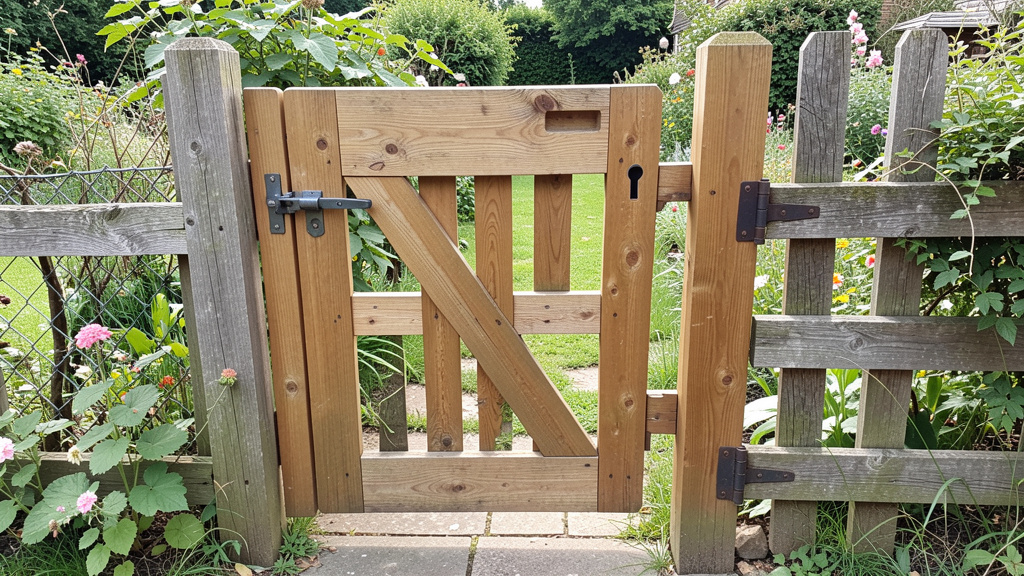
Your Gateway to Security, Style, and Seamless Operation—A Complete Blueprint for Homeowners and Design Professionals
Your property’s gate serves as a critical interface between public and private space—a functional barrier, a safety checkpoint, a weather-exposed component, and a subtle expression of care. Yet many gates underperform due to overlooked hardware choices, environmental mismatches, or decisions made in isolation from daily use patterns. This comprehensive guide synthesizes established engineering principles, material science insights, human factors considerations, and field-observed installation practices into a unified framework for creating entry points that deliver reliable service with appropriate maintenance. Whether designing a modest garden access point or a primary residence entrance, every choice—from hinge specification to swing clearance—carries implications for safety, longevity, and user experience.
Introduction
Observe gates across any community, and patterns of strain emerge: the wooden gate dragging after seasonal swelling, the latch requiring excessive force after minor settling, the automated system hesitating after moisture exposure. These are not random failures but signals of misalignment between design intent and real-world conditions. Grounded in widely referenced building standards, material performance data, and ergonomic research, this resource addresses the gap between inspirational imagery and functional reality. We examine how soil composition influences post stability, how regional humidity affects material selection, and why thoughtful latch placement supports consistent secure closure. This approach prioritizes purpose-driven decisions over aesthetics alone—engineering an entry point that welcomes without compromising safety, endures with reasonable upkeep, and operates intuitively for diverse users. The journey begins with three foundational considerations: What must this gate protect or enable? Who interacts with it daily? What environmental forces will it encounter over time?
The Functional Entry Framework: Purpose, Environment, Experience
Successful gate projects anchor early decisions in three interconnected layers. This framework prevents common pitfalls: installing corrosion-vulnerable hardware in coastal zones, specifying heavy automation on unstable substrates, or designing passages that impede daily movement. Each layer informs the others; imbalance in one area strains the entire system. Consider this the structural foundation upon which all subsequent choices rest.
Layer 1: Clarifying Core Purpose
Every gate serves multiple functions, but identifying the primary intent guides hardware and design priorities. A pool barrier operates under fundamentally different requirements than a garden pathway marker. Begin by ranking these considerations:
- Security Level: Is the gate intended to deter casual passage (decorative latch) or provide robust access control (grade-1 lock, tamper-resistant hardware)? Pool barriers require self-closing, self-latching mechanisms meeting specific height and release-force standards per ICC P207. Perimeter gates benefit from reinforced strike plates secured with long-frame screws.
- Privacy Needs: Solid panels block sightlines but increase wind load; open designs (wrought iron, spaced slats) allow airflow and visibility. Consider hybrid approaches: lower solid sections for privacy with upper openwork for light and air movement.
- Traffic Flow Patterns: Assess typical usage. Measure the widest item regularly moved through the opening (wheelbarrow, stroller) and add clearance. A narrow passage becomes a daily friction point.
- Psychological Threshold: Does the gate signal invitation (lower height, open design) or boundary definition (taller, solid)? Honor this role while ensuring functional requirements remain met.
Why this layer matters: A gate designed purely for visual appeal in a high-traffic zone may see hardware bypassed due to operational friction. Documenting top priorities creates a reference for resolving future trade-offs.
Common consideration: Over-engineering security for low-risk contexts (e.g., industrial deadbolt on a secluded garden gate) often leads to user non-compliance. Match hardware capability to verified needs.
Illustrative scenario: A homeowner installed a clear-glass-paneled gate to showcase garden views. Within months, frequent smudging from curious passersby required constant cleaning. The solution: replacing lower panels with textured glass maintained light transmission while reducing maintenance. Clarifying “showcase with low upkeep” during planning would have informed material selection earlier.
Layer 2: Environmental and Site Realities
Natural elements continuously test gate integrity. Wind, moisture cycles, soil movement, and temperature fluctuations demand site-specific adaptation. Conduct this assessment before finalizing dimensions or materials:
- Soil Composition & Drainage: Dig a small test hole at the proposed post location. Sandy soils drain well but offer less lateral support—requiring deeper footings. Clay retains moisture, increasing frost heave risk in cold climates; posts must extend below the regional frost line (verified with local building resources). Poor drainage warrants sloping ground away from posts or supplemental drainage. Key insight: Setting posts in concrete without a gravel base can trap moisture against wood, accelerating deterioration.
- Wind Exposure: Gates act as sails. In exposed locations (hilltops, coastal areas), reduce width, incorporate open designs (lattice, spaced slats), or add diagonal bracing. For wide openings (>8 ft), dual gates with a center support post distribute wind load effectively.
- Microclimate Factors: South-facing gates experience intense UV exposure (accelerating finish degradation). North-facing gates stay damp longer, increasing mold risk on organic materials. Coastal installations require marine-grade hardware (316 stainless steel). Snow-prone areas benefit from outward-swinging designs and elevated bottom clearance.
- Existing Site Conditions: Locate underground utilities (call 811 in the U.S. before digging). Note proximity to sprinklers, tree roots, or downspouts that could affect stability or hardware longevity. Verify alignment with existing fence lines to prevent binding.
Why this layer matters: A gate perfectly suited on paper may fail prematurely when environmental stresses exceed design assumptions. Site assessment transforms speculation into informed specification.
Common consideration: Applying identical solutions to front and rear property gates without evaluating each location’s unique exposure often leads to uneven performance. Treat each installation site individually.
Illustrative scenario: In a high-humidity region, a solid cedar gate with standard galvanized hinges developed binding within two years due to wood swelling and hinge corrosion. The resolution: replacing with pressure-treated pine featuring spaced horizontal slats (reducing moisture retention) and 316 stainless steel continuous hinges. Environmental adaptation significantly extended service life.
Layer 3: Human-Centered Experience Design
Gates exist to be used—repeatedly and often without conscious thought. Poor ergonomics create daily friction: strained operation, fumbling with complex latches while carrying items, or tripping hazards at thresholds. Design for the full spectrum of potential users:
- Operation Force & Motion: While ADA guidelines suggest ≤5 lbs opening force for accessibility, even non-regulated residential gates benefit from smooth operation. Test prototypes: Can the gate be opened comfortably with one hand? Consider swing direction—outward-swinging gates avoid interior obstructions but require exterior clearance; inward-swinging gates protect users from street hazards but need interior space. For heavier gates, spring-assisted hinges or counterweights reduce effort.
- Latch Height & Mechanics: Position primary latches between 34–48 inches for general adult access. For child safety near pools or streets, secondary latches placed higher (≥54 inches) requiring two distinct motions add protection. Avoid mechanisms demanding fine motor control. Magnetic catches offer quiet closure but lack security; slide bolts provide security but require precise alignment.
- Clearance & Thresholds: Maintain consistent ground clearance (typically ≥2 inches) to accommodate terrain variation and debris. For wheelchair access, ensure smooth transitions with minimal threshold height. In snowy regions, avoid bottom rails that catch plows; consider raised thresholds or Z-bar profiles.
- Sensory Feedback: Audible confirmation (a solid thunk) reassures users of secure closure. Soft-close features prevent slamming. Conversely, gates closing too silently may leave uncertainty about latching status—critical for safety barriers.
Why this layer matters: Gates that create user friction are often bypassed (left unlatched) or avoided entirely. Thoughtful experience design encourages consistent, correct usage.
Common consideration: Designing solely from the installer’s perspective overlooks resident experience. Walk the intended user journey multiple times during planning—entering with arms full, exiting in rain—to identify subtle friction points.
Illustrative scenario: An elderly resident struggled with a stiff iron gate latch, leading to the gate being left unlocked. Installing a lever-style handle (requiring palm pressure rather than grip strength) paired with a gravity drop rod reduced operational effort significantly. The couple now secures the gate consistently. Small ergonomic refinements yield meaningful behavioral improvements.
The Fundamental Principle: A gate achieves lasting value only when purpose, environment, and human experience are intentionally harmonized. Neglecting any single layer risks compromising safety, durability, or user adherence—often triggering cascading issues where one weakness undermines otherwise sound planning.
Designing for Intent: Matching Form to Function
With foundational layers defined, translate insights into physical form. This section moves beyond stylistic labels to explore how geometry, proportions, and structural choices directly serve identified needs. A gate’s shape influences stress distribution, environmental resilience, and psychological perception.
Gate Types and Their Strategic Applications
Single Swing Gates
Most common for residential pedestrian access (3–4 ft wide). Critical consideration: Width directly impacts mechanical stress. A 48-inch gate exerts significantly more leverage on hinges than a 36-inch gate. For openings wider than 42 inches, evaluate dual gates or alternatives. Best suited for: Side yards, garden entrances, moderate-traffic paths. Hardware note: Gates over 36 inches wide or 50 lbs typically require three hinges spaced evenly (top 6″ below rail, bottom 6″ above rail, third centered).
Dual Swing Gates (Double Gates)
Essential for vehicle access or wide pedestrian paths (>6 ft). Advantage: Each leaf carries reduced wind load and weight versus a single massive gate. Key detail: The meeting edge requires precise alignment. Install a drop rod latch on the active leaf securing top and bottom into receivers on the inactive leaf. For security, add a slide bolt on the inactive leaf’s interior face. Pro tip: A slight overlap (“rebated joint”) at the meeting point deters prying and improves weather sealing. Best suited for: Driveways, estate entrances, equipment access points. Hardware note: Heavy-duty hinges (continuous or three robust butt hinges per leaf); center support post recommended for total widths over 10 ft.
Sliding Gates
Eliminate swing clearance needs—ideal where space is constrained (adjacent walls, slopes, high-traffic zones). Subtypes:
– Cantilever Sliding: Rolls on an overhead track; no ground obstruction. Requires robust overhead support. Preferred for snowy regions or uneven terrain.
– Track-Mounted Sliding: Rolls on an embedded ground track. Simpler installation but requires regular track clearing of debris, ice, or gravel.
Best suited for: Narrow side yards, sloped entries, commercial applications. Hardware note: Rollers rated for 150% of gate weight; bottom guide wheel for manual operation stability; precise track leveling critical for automation.
Specialized Types (Contextual Use)
– Lifting Gates (Vertical Pivot): Pivot vertically on a central post. Complex mechanics and safety considerations make these generally unsuitable for standard residential use without professional engineering input.
– Pocket Gates: Slide into a wall cavity. Primarily feasible during new construction due to significant structural modification requirements; challenging to maintain or repair post-installation.
Decision Flow Guidance:
1. Measure opening width:
– ≤42″: Single swing (evaluate weight)
– 43–108″: Dual swing (add center post if >96″)
– >108″ or space-constrained: Sliding (cantilever preferred where feasible)
2. Assess swing clearance:
– Insufficient space? → Sliding solution
– Significant slope? → Sliding or professional consultation
3. Evaluate user needs:
– Frequent equipment movement? → Dual swing or wide sliding
– Mobility device users? → Ensure ≥36″ clear width when open; minimize thresholds
Proportions, Scale, and Visual Integration
Gates that feel visually unbalanced often suffer functional flaws. Apply these principles:
- Height-to-Width Ratio: For visual stability, gate height typically ranges from 1.25x to 1.75x the width of a single leaf. A 4-ft-wide gate often appears most balanced at 5–7 ft tall. Exception: Low decorative gates (e.g., 3-ft-tall garden gates) work well with narrow widths (≤3 ft).
- Structural Integrity: Top and bottom rails should be substantial (minimum 2×4 equivalent). Intermediate rails spaced ≤16 inches apart prevent panel flexing. On tall gates (>6 ft), a diagonal brace from the top hinge corner to the bottom latch corner provides critical anti-sag resistance.
- Negative Space Management: Solid panels convey security but increase wind load; open designs feel lighter but offer less privacy. Balance with:
- Horizontal slats: Create calm rhythm; space ≤2 inches for privacy.
- Vertical pickets: Traditional appearance; space ≤4 inches to meet common pool safety guidelines (preventing child entrapment).
- Hybrid patterns: Solid lower section (privacy/security) with open upper section (light/airflow).
- Hardware Scale: Match hardware size to gate mass. Oversized hinges on a delicate gate appear clumsy; undersized latches on a heavy gate signal insecurity. A 200-lb steel gate requires substantial hinges (e.g., 6-inch); a 30-lb cedar gate suits smaller hardware (e.g., 3-inch).
Why proportions matter: Correct proportions distribute physical stress evenly and signal intentional design—subconsciously building user confidence in the gate’s function and durability.
Common consideration: Copying dimensions from a neighbor’s installation without site-specific assessment overlooks critical variables like soil stability, wind exposure, or usage patterns. Your solution must address your unique context.
Integrating with Existing Structures
A gate should feel like an intentional extension of the property, not an afterthought. Achieve cohesion through:
- Material Continuity: Extend fence board patterns, spacing, and orientation onto the gate. For masonry pillars, ensure hardware mounts align with structural elements (avoid drilling solely into mortar joints).
- Post Alignment: The hinge post must be perfectly plumb and aligned with the fence line. Use a laser level during installation. Misalignment causes binding and uneven hardware wear.
- Transition Details: Install a small “stop block” on the latch post to prevent over-swinging and protect the latch mechanism. For automated systems, verify sensor paths remain unobstructed by fence elements.
- Finish Harmony: Stain or paint the gate to match the fence after installation—weathering differences between pre-finished components can create visible mismatches. Use identical products and application methods.
Refinement insight: A beautifully crafted gate installed with the latch post ¼ inch proud of the fence line creates a visible gap and uneven wear. Meticulous attention to alignment details distinguishes durable installations from those requiring early correction.
Material Matters: Choosing the Right Substance for Your Gate
Material selection bridges environmental realities and functional purpose. No single material is universally “best”; optimal choice depends on your Layer 1 and Layer 2 assessments. This section examines performance characteristics, maintenance implications, regional considerations, and hardware compatibility.
Wood: Natural Warmth with Stewardship Requirements
Wood offers unmatched aesthetic versatility but requires informed selection and ongoing care.
Species Considerations:
– Cedar & Redwood: Naturally resistant to rot and insects due to inherent oils. Weather to a silvery gray if unfinished. Well-suited for: Humid climates, garden settings where natural aging is acceptable. Note: Specify “heartwood” grades for posts and rails; sapwood deteriorates faster.
– Pressure-Treated Pine (PTP): Infused with preservatives (modern ACQ or micronized copper formulations). Well-suited for: Structural components (posts, rails) where cost-effectiveness is prioritized. Note: Requires 6–12 months drying before finishing to prevent peeling; use corrosion-resistant fasteners (hot-dipped galvanized or stainless steel).
– Tropical Hardwoods (Ipe, Cumaru): Extremely dense and durable. Well-suited for: High-traffic areas, coastal zones, projects emphasizing longevity. Note: Verify FSC certification for sustainable sourcing; maintain with penetrating oils rather than film-forming finishes.
– Other Softwoods (Douglas Fir, Southern Yellow Pine): Strong structurally but lack natural rot resistance. Suitable only when fully protected by paint or solid-color stain and used above ground.
Construction Methods:
– Mortise-and-Tenon Joints: Traditional woodworking joint offering rigidity and resistance to racking (parallelogram distortion). Requires skilled execution.
– Through-Bolts with Washers: For critical stress points (hinge mounts, brace connections), bolts passing completely through the rail with large washers distribute load effectively. Recommended for gates over 50 lbs.
– Pocket-Hole Screws: Faster assembly but less rigid; generally acceptable only for very light gates (<40 lbs) with frequent maintenance checks.
Maintenance Realities:
– Unfinished wood: Annual inspection for splinters, cracks, or soft spots; clean with oxygen bleach for mildew.
– Stained wood: Reapply every 2–3 years; light sanding before reapplication.
– Painted wood: Address peeling promptly; moisture trapped under paint accelerates deterioration.
– Factor in: Time commitment for upkeep. Even “low-maintenance” wood requires periodic attention.
Regional Adaptation:
– Arid Climates: Wood dries and may crack; use wood with appropriate moisture content at installation; apply penetrating oil finish promptly. Avoid very wide boards prone to checking.
– Humid Climates: Prioritize naturally resistant species or properly treated PTP; ensure airflow around the gate to prevent moisture trapping.
– Cold Climates: Freeze-thaw cycles cause expansion/contraction; use stainless steel fasteners (galvanized may corrode in road-salt environments). Avoid late-season painting where trapped moisture can freeze.
Wrought Iron Style & Steel: Strength and Craft Potential
Most modern “wrought iron” gates use mild steel; true hand-forged wrought iron is rare and costly.
Material Subtypes:
– Mild Steel: Strong, weldable, cost-effective. Critical consideration: Requires meticulous surface preparation and multi-coat finishing (zinc-rich primer + epoxy topcoat) to resist rust. Vulnerable if finish is compromised.
– Aluminum: Lightweight and naturally corrosion-resistant. Well-suited for: Coastal areas, low-maintenance priorities. Limitation: Less rigid than steel; requires thicker profiles or internal bracing for large gates to prevent flexing.
– Stainless Steel: Premium option. 304 grade suits most environments; 316 grade (“marine grade”) is essential for coastal salt exposure. Higher cost and welding complexity.
Finishing Processes:
– Powder Coating: Electrostatically applied dry powder, then baked. Creates a thick, durable, uniform finish. Specify pre-treatment (phosphating or zinc coating) before powder application for optimal adhesion and corrosion resistance. Superior to liquid paint for metal gates.
– Hot-Dip Galvanizing: Steel immersed in molten zinc. Creates a metallurgical bond with excellent corrosion resistance; often top-coated with powder for color (“duplex system”).
– Liquid Paint: Least durable option for steel exposed to weather; requires perfect surface prep and frequent maintenance. Generally not recommended for primary exterior gates.
Structural Considerations:
– Frame Construction: Hollow steel tubes (minimum 1″x1″) offer excellent strength-to-weight ratio. For gates over 6 ft tall, specify larger tube dimensions (e.g., 1.25″x1.25″).
– Bracing: Diagonal bracing (Z or X pattern) is essential to prevent flexing. For ornamental designs, ensure the scroll pattern itself creates triangulated sections.
– Weld Quality: Full-penetration welds at all joints are critical; surface tack welds are failure points. Request weld documentation for custom fabrications.
Maintenance Protocol:
– Inspect quarterly for finish chips, especially at stress points (hinge mounts, bottom edges); touch up immediately.
– Lubricate moving parts every 6 months with dry lubricant (graphite or Teflon-based); avoid oil-based lubricants that attract debris.
– Clean with mild soap; avoid abrasive cleaners that scratch finishes.
– Critical note: Never use steel wool on powder-coated surfaces—it embeds particles that rust and stain.
Vinyl (PVC) and Composite: Engineered for Reduced Upkeep
Designed for durability with minimal routine maintenance, but quality varies significantly.
Vinyl Gate Considerations:
– Construction: Budget vinyl gates have hollow chambers prone to flexing and cracking. Specify foam-injected cores—polyurethane foam adds rigidity, impact resistance, and thermal stability.
– UV Resistance: Quality vinyl includes titanium dioxide and other stabilizers. Verify manufacturer warranties against fading and cracking (reputable brands offer 20+ years).
– Reinforcement: Vinyl alone lacks structural strength. Gates must include internal aluminum or galvanized steel frames. Confirm frame gauge (minimum 16-gauge steel) and secure attachment method (through-bolts preferred).
– Thermal Expansion: Vinyl expands in heat. Install with clearance gaps (¼ inch) at the latch post to prevent binding on hot days. Avoid dark colors in hot climates.
Composite Materials (Wood-Plastic):
– Blend wood fibers and plastic (HDPE). Resists rot, insects, and moisture.
– Advantage: Can be worked like wood (routed, screwed); capped composites offer superior color retention.
– Limitation: Heavier than vinyl; may sag over wide spans without internal bracing. Verify warranty specifics regarding fading and structural integrity.
Hardware Integration:
– Vinyl/composite gates require special mounting: through-bolts with large washers, thread-forming screws designed for plastic, or reinforcement plates behind mounting points.
– Never mount hardware directly into vinyl without reinforcement—stress concentrates and causes cracking.
Maintenance Advantage:
– Clean with garden hose and soft brush; diluted oxygen bleach for mildew.
– No painting, staining, or sealing required.
– Consideration: Severe damage usually requires panel replacement; verify manufacturer part availability before purchase.
Sustainable and Alternative Materials
Thermally Modified Bamboo: Rapidly renewable but must be thermally modified or acetylated for exterior use. Best suited for decorative garden gates in sheltered locations with committed maintenance. Untreated bamboo deteriorates quickly outdoors.
Reclaimed Materials: Salvaged wood or metal offers character and sustainability appeal. Critical considerations: Inconsistent dimensions, hidden damage (nails, rot), variable structural integrity. Never use reclaimed wood for structural posts or critical stress points without engineering verification. Ideal for non-structural decorative elements.
Living Gates (Hedging): Plants trained over frames (hornbeam, beech). Pros: Ecological, beautiful, improves with age. Cons: Requires years to establish; needs regular pruning; not a security barrier; vulnerable to disease. Hybrid approach: Install a functional gate framed by living hedging for combined utility and beauty.
Material Selection Guidance
| Primary Concern | Recommended Material Approaches | Key Considerations |
|---|---|---|
| Low Maintenance Priority | Foam-core vinyl, Aluminum, Stainless Steel | Verify internal reinforcement; avoid dark vinyl in hot climates |
| Coastal/Salt Air Exposure | 316 Stainless Steel, Aluminum, Marine-Grade Vinyl | Avoid mild steel, untreated wood, standard galvanized hardware |
| Security Focus | Steel (properly finished), Reinforced Wood | Prioritize frame thickness, bracing, and hardware grade over appearance |
| Eco-Conscious Selection | FSC-Certified Hardwoods, Thermally Modified Bamboo, Reclaimed (non-structural) | Verify sustainable sourcing documentation; assess longevity versus replacement frequency |
| Budget-Conscious | Pressure-Treated Pine (properly finished), Quality Vinyl | Factor lifetime maintenance costs; inexpensive gates often incur higher long-term expenses |
| Extreme Cold | Aluminum, Properly Finished Steel, Foam-Core Vinyl | Avoid unreinforced vinyl (brittle below freezing); ensure lubricants rated for low temperatures |
| Historic Context | Wood (species matching era), Cast Iron elements | Consult preservation guidelines; modern reinforcements may be hidden internally |
Final Selection Tip: Request physical samples. View them at different times of day under natural light. Assess texture, weight, and finish quality. If possible, expose a sample to your actual site conditions for several weeks—real-world observation reveals more than specifications alone.
Hardware Deep Dive: The Unseen Engine of Gate Performance
Hardware transforms a static panel into a functional system. It bears relentless mechanical stress, weather exposure, and daily interaction. Selecting components based solely on appearance risks premature failure. This section details critical hardware elements with attention to metallurgy, load dynamics, installation nuances, and longevity factors. Treat hardware as the gate’s functional skeleton.
Hinges: Foundations of Movement
Hinges support the gate’s weight plus dynamic forces (wind, operational motion). Failure here causes sagging and binding. Selection depends on gate weight, width, material, and swing direction.
Hinge Types and Applications:
– Butt Hinges (Standard): Two leaves joined by a pin. Most common for wood gates. Key specifications:
– Leaf Length: Minimum 4 inches for gates under 50 lbs; 6+ inches for heavier gates. Longer leaves distribute stress across more material.
– Gauge: 14-gauge steel minimum; 12-gauge recommended for gates over 75 lbs.
– Pin Type: Non-removable pins (headed or secured) prevent accidental detachment—a security consideration. Removable pins allow gate removal but require caution.
– Ball-Bearing Inserts: Highly recommended for gates over 60 lbs or high-use locations. Reduces friction, prevents squeaking, extends service life.
– Strap Hinges: Decorative flat straps. Reality: Primarily aesthetic. Structural strength depends entirely on mounting screws. Suitable only for very light gates (<30 lbs) with numerous screws (minimum 8 per hinge). Avoid for functional gates requiring durability.
– Continuous Hinges (Piano Hinges): Single hinge running full gate height. Advantages: Distributes weight evenly; no single failure point; excellent for heavy or tall gates. Considerations: Requires precise post alignment; difficult to adjust post-installation. Best for: Steel gates, high-security applications, gates over 8 ft tall. Specify stainless steel (304 minimum) with corrosion-resistant pins.
– Heavy-Duty Adjustable Hinges: Feature offset designs with vertical adjustment screws. Critical advantage: Compensates for post settling or minor sag over time. Recommended for: Gates over 100 lbs, automated gates, installations on variable soil. Look for hinges with multiple adjustment points.
– Self-Closing Hinges: Contain internal spring mechanisms. Application: Pool barriers, security gates requiring positive closure. Key nuance: Spring tension must be adjustable. Test prototypes to ensure closure force is sufficient yet manageable for intended users. Verify compliance with local pool safety codes.
Installation Best Practices:
1. Pre-Drill All Screw Holes: Prevents material splitting, especially near edges. Use a drill bit slightly smaller than the screw shank.
2. Screw Selection: Use structural screws (e.g., GRK, Spax) with coarse threads and washer heads. Length should equal gate thickness plus 1.5 inches into the post. For steel gates, use stainless steel machine screws with lock washers.
3. Three-Hinge Minimum: For gates wider than 36 inches or heavier than 40 lbs, always use three hinges. Space evenly: top 6″ below top rail, bottom 6″ above bottom rail, third centered vertically. Two hinges create leverage that accelerates sagging.
4. Post Reinforcement: For heavy gates, install a solid wood “sister post” inside the fence post at hinge locations. Screws gain purchase in solid material, not hollow cavities.
5. Alignment Verification: Before final tightening, operate the gate 10 times. Adjust hinge positions until movement is smooth with no binding. Tighten screws in sequence: bottom hinge first, then top, then middle.
Common Failure Modes and Prevention:
– Sagging: Caused by undersized hinges, insufficient screws, or material compression. Prevention: Oversize hinge leaf length, use structural screws, reinforce posts.
– Squeaking: Metal-on-metal friction. Prevention: Specify hinges with nylon or bronze bushings; lubricate annually with dry lubricant.
– Pin Pull-Out: Gate weight forces pin upward. Prevention: Use headed pins or secure pin with set screw.
– Corrosion Seizing: Moisture trapped in hinge knuckles. Prevention: Choose appropriate stainless grade; drill small weep holes in bottom of knuckles to drain water.
Latches and Locks: Security and User Experience Nexus
The latch defines daily interaction. Security must balance with ease of use to encourage consistent engagement.
Latch Types by Function:
– Thumb Latches: Spring-loaded lever lifts to release. Pros: One-handed operation; classic aesthetic. Cons: May be operated from outside if gaps exist; not child-safe. Best for: Low-security garden gates. Upgrade: Models with interior lockout button.
– Slide Bolts: Simple bar slides into post receiver. Pros: Highly secure when engaged; inexpensive. Cons: Requires two hands; easy to forget; receivers clog with debris. Tip: Install vertically (top/bottom) rather than horizontally—gravity helps maintain engagement. Spring-loaded bolts that auto-engage improve reliability.
– Gravity Drop Rods: Vertical rod drops into floor socket when closed. Ideal for: Dual gates (secures active leaf to inactive leaf). Essential feature: Spring-loaded release lever for easy lifting. Ensure floor socket has a drain hole to prevent water/debris accumulation.
– Magnetic Catches: Hidden magnets hold gate closed. Pros: Silent operation; clean look. Cons: No security value; fails in high wind; magnets weaken over time. Only suitable for: Light interior gates or purely decorative applications.
– Electronic Keypad/Smart Locks: Battery-powered access control. Critical considerations:
– Weatherproof rating (IP65 minimum)
– Backup key override (required by fire codes in some jurisdictions)
– Battery life indicators and low-power alerts
– Fail-secure mode (remains locked during power loss) for security gates
– Recommendation: Specify commercial-grade units (ANSI Grade 2 minimum); avoid consumer-grade locks for primary entrances.
Lock Integration and Security:
– Strike Plate Reinforcement: A frequent failure point. Upgrade to a 1/4-inch thick steel strike plate secured with 3-inch structural screws penetrating into framing. Consider wrap-around plates that cover the post edge for added resistance.
– Deadbolts: Extend 1+ inch into the strike plate. Recommended for security-focused gates. Single-cylinder deadbolts (keyed exterior, thumb-turn interior) are generally preferred for residential egress safety over double-cylinder types.
– Child Safety for Pool Barriers: Per ICC P207 guidelines:
– Latch release mechanism ≥54 inches above grade
– Requires two distinct, deliberate actions to operate (e.g., lift handle THEN turn)
– Self-closing and self-latching from any position
– No footholds within 18 inches of the latch
Implementation tip: Install a primary latch at standard height for daily use, plus a secondary high-security latch meeting pool code requirements. Use color-coded handles for clarity.
Latch Post Details:
– Stop Block: Screw a small wood block to the post where the gate contacts. Prevents over-swinging that damages the latch.
– Weather Protection: Angle the top of the latch post or add a small cap to shed water away from the latch mechanism.
– Alignment Shim: During installation, use plastic shims between gate and post at the latch point to ensure perfect engagement. Remove shims after final hardware mounting.
Automation Hardware: Complexity and Safety
Automated gates introduce electronics, mechanics, and critical safety systems. Professional installation is strongly recommended for safety and compliance. Informed specification, however, ensures appropriate system selection.
Operator Types:
– Swing Gate Operators:
– Linear Arm: Arm extends/retracts to push/pull gate. Best for: Gates with clear swing paths; moderate weight (<400 lbs). Requires precise mounting geometry.
– Articulated Arm: Multi-jointed arm mimics human motion. Best for: Gates with obstructions near swing path; heavier gates. Smoother operation but higher cost.
– Underground: Motor housed in a ground pit. Best for: Aesthetic priority (no visible hardware); high-wind areas. Considerations: Complex installation; pit requires drainage; maintenance access is challenging.
– Sliding Gate Operators:
– Track-Mounted: Motor pulls gate along embedded track. Best for: Level ground; moderate weights. Track requires debris management.
– Cantilever: Motor pulls gate along an overhead rail. Best for: Uneven terrain, snowy areas (no ground track). Requires robust overhead support structure.
Safety Sensors (Non-Negotiable):
– Photo Eyes: Infrared beams across gate path. Gate must reverse if beam is broken. Installation requirements:
– 6–12 inches above ground level
– Installed on both sides of the opening
– Protected from direct sunlight (to prevent false triggers)
– Edge Sensors: Pressure-sensitive strips on gate edge. Reverses operation on contact. Critical for gates near walkways.
– Loop Detectors: Wire loops buried in driveway detect vehicle presence. Prevents gate closing on vehicles. Required by UL 325 safety standard.
– Audible/Visual Alarms: Beeping sound and flashing light during operation. Warns pedestrians of movement.
Power and Reliability:
– Battery Backup: Essential for power outages. Specify systems providing 24+ hours of operation on backup power.
– Manual Release: Must be accessible from both outside (keyed) and inside. Test quarterly to ensure functionality.
– Professional Certification: Verify installer holds relevant certifications. Document safety sensor testing monthly. Post clear warning signs.
Critical Specification Checklist:
– UL 325 and ASTM F2200 compliance certification
– Operator capacity rated at 150% of gate weight
– Duty cycle rating matching expected daily usage
– Weatherproof enclosure rating (NEMA 4X minimum)
– Written warranty on installation and components
Automation Reality Check:
Automated gates increase liability considerations. Never automate a gate that doesn’t operate smoothly manually—automation amplifies existing mechanical flaws. Budget appropriately for professional installation, safety certification, and ongoing maintenance. Document all safety tests.
Fasteners and Hidden Hardware: Preventing Silent Failures
Small components cause disproportionate failures. Specify meticulously:
- Screws:
- Wood Gates: Structural screws (GRK RSS, Spax) with climate-resistant coating. Length = material thickness + 1.5″. Avoid drywall or standard deck screws—they lack shear strength.
- Metal Gates: Stainless steel (304) machine screws with lock washers. Self-tapping screws only for thin-gauge metal (<16ga).
- Vinyl Gates: Through-bolts with large washers; never rely on screws alone.
- Nuts and Bolts: Use nyloc nuts (nylon insert) to prevent vibration loosening. For critical structural joints, castle nuts with cotter pins provide positive retention.
- Washers: Always use large fender washers under screw heads on softer materials (vinyl, wood) to prevent pull-through.
- Adhesives: For metal fabrication, structural adhesives (e.g., Plexus) may supplement welds for vibration damping. Never rely solely on adhesive for primary structural joints.
Corrosion Prevention Protocol:
– Dissimilar Metal Contact: Avoid direct contact between dissimilar metals (e.g., aluminum against steel) which accelerates galvanic corrosion. Use plastic or rubber isolation washers.
– Stainless Steel Grades: 304 for most environments; 316 for coastal/marine exposure. Verify with mill test reports for critical applications.
– Sealant at Joints: Apply butyl tape or polysulfide sealant at metal-to-wood or metal-to-concrete interfaces to block moisture ingress.
Hardware Selection Workflow
- Estimate Gate Weight:
- Wood: (Height × Width × Thickness in inches) × Species Density Factor (Cedar=0.23, Pine=0.28, Ipe=0.45)
- Steel: (Frame Length × Tube Size Factor) + (Panel Weight)
- Practical tip: Build a small mock-up section and weigh it; extrapolate to full size.
- Determine Dynamic Load: Multiply static weight by 1.5 (accounting for wind, operational forces).
- Select Hinges: Choose hinges rated for at least 2x the dynamic load. Verify leaf length and material gauge.
- Choose Latch System: Match security level and user needs; verify strike plate reinforcement specifications.
- Specify Fasteners: Based on material combinations and environmental exposure.
- Verify Compatibility: Ensure all components use compatible finishes and materials to prevent galvanic corrosion and maintain visual cohesion.
Vendor Consideration:
– Request material certifications where critical
– Inquire about warranty terms and replacement part availability (10+ years ideal)
– Verify technical support resources for installation questions
Hardware represents a small portion of total project cost but prevents the majority of long-term failures. Allocating 15–20% of the gate budget to premium, appropriately specified hardware is a prudent investment in longevity and safety.
Installation Imperatives: Foundations for Longevity
Flawless materials and hardware cannot overcome poor installation. Precision, patience, and adherence to foundational principles determine decades of performance. Rushing post setting or hinge alignment creates irreversible issues. Follow this chronological protocol—each step builds on the previous.
Phase 1: Site Preparation and Layout
Clear the Work Area: Remove vegetation, debris, and topsoil within 3 ft of post locations. Topsoil contains organic matter that decomposes, causing settlement. Excavate down to stable subsoil.
Precise Measurement Protocol:
1. Stretch mason’s line between existing fence endpoints. Use a line level to establish a straight reference.
2. Measure opening width at top, middle, and bottom. Note discrepancies—fences rarely run perfectly parallel.
3. Determine final gate width: Opening width MINUS required clearance gaps.
– Swing Gates: 1 inch total clearance (½ inch per side)
– Sliding Gates: ¾ inch clearance above track; ¼ inch side clearance
4. Mark post locations with batter boards (temporary wood frames with nails/string). Verify square using the 3-4-5 triangle method: Measure 3 ft along one string, 4 ft along the adjacent string; the diagonal should measure exactly 5 ft. Adjust until perfect.
5. Critical Check: Simulate the gate swing path with a long board. Ensure no obstructions (plants, sprinklers, steps) exist within the full arc. Mark the clearance zone with spray paint.
Utility Verification:
– Call 811 (USA) or your local utility locator service at least 3 business days before digging.
– Hand-dig test holes at post locations before using power equipment.
– Note the depth of any encountered lines—post footings must maintain safe separation (typically 18+ inches).
Phase 2: Post Installation—The Critical Foundation
Posts bear 100% of gate forces. Their stability is non-negotiable for gate lifespan.
Post Sizing Guidance:
– Hinge Post: Must be the largest structural element. Minimum 4×4 for gates under 6 ft tall; 6×6 recommended for gates over 6 ft or heavy materials (steel, solid wood panels).
– Latch Post: Can match fence post size for light gates (<50 lbs); otherwise match hinge post size.
– Center Post (for dual gates): Same size as hinge post. Essential for wide openings to prevent sagging.
Digging the Hole:
– Diameter: Approximately 3x the post width (e.g., 12-inch hole for a 4×4 post). Wider holes allow proper concrete placement.
– Depth: Must extend below the local frost line. Minimum depths vary:
– Mild climates (no freeze): 24 inches
– Moderate freeze zones: 30 inches
– Deep freeze zones: 42+ inches
– Verify with your local building department—requirements differ by municipality.
– Shape: Bell-shaped hole (wider at the bottom) helps prevent frost heave from lifting the post vertically.
Gravel Base Technique:
1. Pour 4–6 inches of ¾-inch crushed gravel into the hole bottom.
2. Tamp firmly with a post tamper.
3. Why this matters: Gravel creates a drainage layer. Water flows away from the post base instead of pooling. Prevents the “concrete bathtub” effect that traps moisture against wood posts.
Post Setting Precision:
1. Place post in hole. Temporarily brace with 2x4s nailed to stakes.
2. Use two carpenter’s levels: one on the post face, one on the post edge. Adjust until perfectly plumb in both planes.
3. Critical alignment check: Stretch mason’s line from an existing fence post to the new post location. Ensure the new post aligns perfectly with the fence line. Misalignment causes binding and uneven wear.
4. Mix concrete to a peanut butter-like consistency. Pour in stages, tamping with a shovel handle to eliminate air pockets.
5. Slope the concrete crown away from the post (like a shallow volcano) to shed water.
6. Pro tip: Insert a temporary spacer block (exact gate clearance width) between posts before concrete sets. Ensures perfect opening width. Remove after 24 hours.
Curing Protocol:
– Keep concrete damp for 7 days (cover with plastic sheeting in dry/windy conditions to retain moisture).
– Do not attach the gate for a minimum of 72 hours; 7 days is preferred for full strength development.
– Never set gate posts in soil alone—concrete is mandatory for stability. Soil compaction shifts with moisture changes.
Phase 3: Gate Assembly and Hanging
Pre-Assembly Best Practices:
– Assemble the gate on a flat, level surface (garage floor, plywood sheets).
– Check for square: Measure both diagonals—they should be equal within 1/8 inch. Adjust before final fastening.
– Install all hardware before hanging the gate: hinges, latch plate, bracing.
– Balance check: Lift the gate at the intended hinge points—does it feel balanced? Add counterweights if sagging occurs on the latch side.
Hanging Sequence:
1. Temporary Support: Screw a 2×4 brace from the ground to the gate bottom on the latch side. Prevents gate weight from stressing hinges during installation.
2. Hinge Mounting Order:
– Attach hinge leaves to the GATE first. Pre-drill all holes.
– Position gate in opening with spacer blocks maintaining clearance gaps.
– Mark hinge locations on the POST.
– Remove gate. Install hinge leaves on the post.
– Rehang gate.
3. Progressive Tightening:
– Insert screws hand-tight only.
– Open/close gate 5 times to settle components.
– Tighten screws in sequence: bottom hinge first, then top, then middle.
– Final torque: Snug but not overtightened (which can strip wood).
4. Sag Prevention Technique: Install hinges with the gate slightly higher on the latch side (approximately 1/8 inch). Gravity will settle it to perfect level over the first week of use.
Alignment Verification:
– Are clearance gaps consistent from top to bottom?
– Does the gate swing freely without binding at any point?
– Does the latch engage smoothly with moderate force?
– Adjustment: Loosen hinge screws slightly; tap the post or gate with a rubber mallet to fine-tune position. Retighten screws.
Phase 4: Final Hardware and Safety Checks
Latch Installation:
1. Close gate against latch post. Mark the exact contact point.
2. Install the stop block first—this defines the final closed position.
3. Mount the strike plate. Test engagement: Should require firm but not excessive force.
4. Fine-tuning: If the latch sticks, carefully file the strike plate opening. If loose, add a thin shim behind the strike plate.
Operational Testing Protocol:
– Open/close gate 20 times. Listen for unusual noises (grinding, scraping).
– Test operation at multiple speeds: slow close, firm close, wind-assisted swing.
– Test in damp conditions (lightly spray with hose)—does hardware bind when wet?
– Verify self-closing hinges (if used) close the gate fully from any position.
– For automated gates: Test all safety sensors with an obstruction (cardboard box). Gate must reverse immediately.
Final Weatherproofing:
– Seal all wood end-grain cuts with wood sealer (moisture enters 10x faster through ends).
– Apply clear silicone sealant at metal-to-wood joints to block capillary water draw.
– Coat exposed screw heads with matching paint or clear nail polish to prevent rust spotting.
Troubleshooting Common Installation Issues
| Symptom | Likely Cause | Correction |
|---|---|---|
| Gate sags after 1 week | Undersized hinges; insufficient screws; post not plumb | Install third hinge; replace screws with longer structural screws; reset post if severe |
| Latch won’t engage | Post settled; gate warped; strike plate misaligned | Adjust strike plate position; add shim behind hinge leaf on post; check gate for warping |
| Gate scrapes ground | Post shifted; ground settled; incorrect clearance | Raise gate via hinge adjustment screws; regrade ground; install adjustable gate wheel |
| Squeaking hinges | Lack of lubrication; metal-on-metal contact | Disassemble hinge; clean; apply marine-grade grease to pin; reassemble |
| Binding at top/bottom | Posts not parallel; gate not square | Shim hinge leaves; adjust post alignment if caught early; plane gate edge as last resort |
When to Hire a Professional:
– Gates exceeding 100 lbs
– Automated systems
– Unstable soil conditions (sand, heavy clay, significant slope)
– Historic preservation requirements
– Local codes requiring permits or inspections
Vetting contractors: Request gate-specific portfolio examples; verify insurance coverage; ask for hardware specification sheets; obtain written warranty on workmanship (minimum 2 years).
Installation is where craftsmanship meets engineering. Each precise measurement, each perfectly plumb post, each correctly torqued screw accumulates into years of smooth, reliable operation. There are no meaningful shortcuts—only thoughtful, deliberate execution.
Maintenance Mastery: Preserving Performance Year After Year
A gate’s service life is earned through consistent, informed care. Neglected maintenance turns minor issues into major failures. This proactive protocol transforms upkeep from chore to ritual, extending functionality while ensuring safety. Think of maintenance as an ongoing dialogue with your gate: listening for subtle changes reveals problems before they escalate.
Seasonal Maintenance Calendar
Spring (Post-Winter Assessment):
– Inspect for Winter Effects: Check posts for frost heave (shifted position). Test gate swing—does it bind where it didn’t previously? Examine hardware for corrosion accelerated by moisture or road salt.
– Clean Thoroughly: Wash gate and hardware with mild soap solution. Use a soft brush on textured surfaces. Rinse completely. Critical: Clean debris from hinge knuckles, latch mechanisms, and track systems (for sliding gates).
– Lubricate Moving Parts: Apply dry lubricant (graphite or Teflon-based) to hinge pins, latch bolts, and lock cylinders. Avoid oil-based lubricants—they attract dust and grime, creating an abrasive paste. For stiff locks, use graphite powder designed for locks.
– Check Drainage: Ensure post bases and track areas slope away from the structure. Clear clogged drain holes in floor sockets or track channels.
– Wood Gates: Inspect for cracks, splinters, or soft spots. Sand rough areas. Apply fresh finish to exposed end grains or scratches.
– Metal Gates: Touch up any finish chips immediately with matching enamel paint. Rust spreads rapidly under finishes.
Summer (Peak Usage Vigilance):
– Thermal Expansion Check: On hottest days, verify the gate still operates smoothly. Vinyl gates may require slight latch adjustment if binding occurs.
– Vegetation Management: Trim vines, branches, or grass encroaching on the swing path or hardware. Plants retain moisture against surfaces, accelerating decay.
– Hardware Tightness: Vibration from frequent use loosens screws. Check hinge and latch mounting screws; tighten if needed.
– Automated Systems: Clean photo-eye lenses with a microfiber cloth. Verify sensors trigger reliably. Check battery levels in keypad units.
– Test Safety Features: For pool gates, confirm self-closing mechanisms work from any position. Test child-proof latch operation.
Fall (Pre-Winter Preparation):
– Deep Clean: Remove pollen, sap, or organic debris that could trap moisture during wet months.
– Final Lubrication: Apply fresh dry lubricant to all moving parts before cold weather sets in. Cold thickens lubricants; ensure mechanisms move freely.
– Wood Gates: Apply water-repellent sealant if the finish shows wear. Pay special attention to top rails and end grains.
– Sliding Gates: Clear tracks of leaves, acorns, or debris. Inspect rollers for wear.
– Check Clearances: Ensure no fallen branches or debris obstruct the swing path.
– Automated Systems: Test battery backup function. Clean solar panels if equipped.
Winter (Minimal Intervention):
– Snow/Ice Management: Clear snow from the swing path and track systems before operating the gate. Never force a frozen gate—apply warm (not hot) water to ice bonds.
– Visual Inspection: After heavy snow or ice storms, check for post movement or hardware stress.
– Avoid Chemical Deicers: Near gate hardware or posts. Salt accelerates corrosion. Use sand or calcium chloride-based products sparingly.
– Operate Gently: Cold makes materials more brittle. Open/close slowly to avoid shock stress.
Component-Specific Care Protocols
Hinges:
– Quarterly: Wipe away dirt buildup. Apply a drop of dry lubricant to the pin.
– Annually: Remove the hinge pin (if design allows), clean thoroughly, inspect for wear grooves, re-lubricate.
– Warning sign: Squeaking that returns within weeks of lubrication indicates internal wear—plan for hinge replacement.
– Pro tip: Drill tiny 1/16-inch “weep holes” in the bottom of hinge knuckles to drain trapped water—prevents internal rust.
Latches and Locks:
– Monthly: Operate the latch 10 times to prevent sticking. Wipe the mechanism clean.
– Quarterly: Lubricate the latch bolt and strike plate contact points. For locks, use graphite powder sparingly.
– Annually: Disassemble the latch (if possible), clean internal springs/parts, inspect for wear.
– Critical safety check: Verify pool gate latches self-engage reliably. Test monthly.
– Warning sign: Latch requires excessive force or doesn’t fully engage—indicates misalignment or internal failure.
Wood Surfaces:
– Biannually: Inspect for:
– Checking (surface cracks): Normal in solid wood; fill deep cracks with wood putty.
– Cupping/Warping: Indicates moisture imbalance; may require planing or replacement.
– Soft spots: Probe with a screwdriver—softness indicates rot. Address immediately.
– Refinish schedule:
– Clear finishes: Every 1–2 years
– Semi-transparent stains: Every 2–3 years
– Solid-color stains/paint: Every 3–5 years
– Refinishing protocol: Clean thoroughly; sand lightly; remove all dust; apply finish in thin, even coats following manufacturer directions. Avoid applying finish in direct sun or high humidity.
Metal Surfaces:
– Monthly: Wipe with a damp cloth to remove salt, pollen, or pollutants.
– Quarterly: Inspect for finish chips, especially at edges and hardware mounts. Touch up immediately.
– Annually: For powder-coated gates, wash with pH-neutral cleaner. Avoid abrasive pads.
– Rust remediation:
1. Sand rust spot to bare metal.
2. Apply rust converter (turns rust into stable polymer).
3. Prime with zinc-rich primer.
4. Top-coat with matching enamel.
Never paint over active rust—it continues spreading underneath.
Vinyl/Composite Surfaces:
– Clean as needed with mild soap. For stubborn mildew, use diluted oxygen bleach (not chlorine).
– Avoid pressure washers above 1,500 PSI—they can force water behind panels or damage surfaces.
– Inspect internal frames annually (if accessible) for moisture intrusion or corrosion.
– Warning sign: Chalking (powdery residue when wiped)—indicates UV degradation. Clean thoroughly; apply vinyl protectant.
Automated Systems:
– Monthly: Test all safety sensors with an obstruction. Verify auto-reverse function.
– Quarterly: Inspect tracks/rollers for wear. Lubricate drive mechanisms per manufacturer specs (use only recommended lubricant).
– Biannually: Check battery levels; clean solar panels; verify manual release operation.
– Annually: Professional safety inspection recommended. Document all tests in a logbook.
Troubleshooting Field Guide
| Symptom | Immediate Action | Long-Term Solution |
|---|---|---|
| Gate sags noticeably | Install temporary support brace | Add third hinge; reinforce post; check post foundation stability |
| Latch sticks or won’t engage | Clean strike plate; lubricate bolt | Adjust strike plate position; check gate alignment; replace worn latch |
| Hinge squeaks persistently | Apply dry lubricant; operate repeatedly | Disassemble hinge; clean pin/knuckles; replace if worn |
| Wood gate swells in humidity | Lightly sand binding edge; operate daily | Improve airflow around gate; apply water-repellent finish; consider material replacement |
| Metal gate develops rust spot | Sand to bare metal; apply rust converter | Touch up with primer/paint; investigate cause (finish chip, dissimilar metal contact) |
| Automated gate reverses unexpectedly | Clean photo-eye lenses; check for obstructions | Adjust sensor alignment; verify no sunlight interference; professional diagnostics |
| Gate scrapes ground after rain | Clear debris; check for soil erosion | Install adjustable gate wheel; regrade area; verify post stability |
Maintenance Documentation System
Create a simple gate logbook (digital or physical):
– Installation Date
– Hardware Specifications (hinge model, latch type, etc.)
– Maintenance Log: Date, task performed, observations
– Repair History: Parts replaced, adjustments made
– Warranty Information: Contact details, coverage periods
Why document?: Patterns emerge over time (e.g., “latch sticks every spring”). Documentation provides crucial context for future repairs and validates maintenance for warranty claims. For automated gates, safety test records may be required by insurance providers.
Knowing When Repair Isn’t Enough
Recognize replacement triggers:
– Structural Compromise: Posts severely rotted below grade; frame cracked at stress points; metal frame bent beyond straightening.
– Hardware Fatigue: Hinge knuckles elongated (visible oval wear); latch mechanism broken internally; repeated repairs failing.
– Safety Failure: Automated sensors unreliable; pool gate latch non-compliant; gate unstable in wind.
– Cost Analysis: Repair costs exceed 50% of a new gate’s value.
– Functional Obsolescence: Gate no longer meets needs (e.g., too narrow for new equipment; accessibility requirements changed).
Responsible Disposal:
– Wood: Check for treatment chemicals (PTP cannot go in standard compost).
– Metal: Recycle at a scrap facility.
– Vinyl: Some manufacturers offer take-back programs.
– Consider donating usable gates to habitat restoration projects or theater groups.
Maintenance is stewardship. Fifteen minutes of seasonal attention prevents hours of emergency repair and preserves your gate’s function, safety, and beauty for years to come. Listen to what your gate communicates—it speaks through sound, motion, and resistance.
Special Scenarios: Adaptive Solutions for Complex Sites
Real-world installations rarely match ideal conditions. Slopes, accessibility needs, historic constraints, and climate extremes demand thoughtful adaptation. This section provides engineered responses to challenging situations—transforming constraints into opportunities for intelligent design.
Navigating Sloped Terrain
Slopes challenge gate physics. Standard swing gates may bind or float mid-air. Solutions depend on slope severity and direction.
Types of Slopes:
– Cross-Slope: Ground rises/falls perpendicular to the fence line. Most challenging for swing gates.
– Running Slope: Ground rises/falls parallel to the fence line. Affects clearance but is less problematic.
Solutions for Cross-Slopes:
1. Stepped Gate Design:
– Gate follows ground contour with horizontal “steps” in the bottom rail.
– Advantage: Maintains consistent ground clearance.
– Disadvantage: Complex fabrication; debris can collect in steps.
– Best for: Moderate slopes (≤15 degrees); wood or composite gates.
2. Raked Gate Design:
– Entire gate angled to match the slope. Bottom rail parallel to ground.
– Advantage: Clean aesthetic; no debris traps.
– Disadvantage: Requires custom hinge mounting angles; latch alignment is tricky.
– Critical detail: Hinges must mount perpendicular to the gate plane, not the post. Use adjustable hinges with wide arc capability.
3. Sliding Gate (Cantilever Preferred):
– Eliminates swing clearance issues entirely.
– Advantage: Unaffected by slope; smooth operation.
– Disadvantage: Higher initial cost; requires overhead support structure.
– Installation note: Track must be perfectly level—build up the low side with concrete piers.
4. Split (“Dutch Door”) Design:
– Upper section swings normally; lower section is fixed or removable.
– Advantage: Maintains barrier function on slope while allowing upper access.
– Disadvantage: Complex hardware; not suitable for security gates.
– Best for: Garden gates on moderate slopes where full closure isn’t critical.
Slope Assessment Protocol:
1. Measure slope angle with an inclinometer app or carpenter’s level with slope gauge.
2. Simulate gate swing with a long board at multiple heights.
3. Determine minimum clearance needed at highest and lowest points.
4. Rule of thumb: If slope exceeds 10 degrees across the gate width, strongly consider a sliding solution.
Hardware Adaptations for Slopes:
– Use heavy-duty adjustable hinges with ±15-degree vertical adjustment range.
– Install a gate wheel on the latch side to support weight and maintain clearance.
– For raked gates, specify latches with extended throw bolts to compensate for angle.
Accessibility Considerations (Beyond Minimum Compliance)
Gates should serve all users. Accessibility is ethical design that benefits everyone—parents with strollers, delivery personnel, aging residents.
Key Guidelines (Based on ADA Standards):
– Clear Opening Width: Minimum 32 inches when gate is open 90 degrees. Measure between stop block and gate edge.
– Opening Force: Maximum 5 lbs of force to open (measured at the latch). Critical for manual gates.
– Latch Height: Operable parts between 34–48 inches above finished ground.
– Maneuvering Clearance:
– Pull side: 18 inches clearance beyond latch side
– Push side: 12 inches clearance beyond hinge side
– Thresholds: Maximum ½ inch high; beveled edges required for changes over ¼ inch.
– Hardware: Must be operable with one hand; no tight grasping, pinching, or twisting of wrist. Lever handles preferred over knobs.
Practical Implementation:
– Width: Specify gate width of 36–38 inches to ensure 32+ inch clear opening after hardware installation.
– Reducing Operation Force:
– Use ball-bearing hinges
– Install spring-assisted hinges for controlled closing (adjust tension carefully)
– For heavy gates, specify counterweight systems or low-energy operators
– Latch Selection:
– Lever-style handles (require palm pressure, not grip strength)
– U-shaped handles easier for arthritic hands than straight bars
– Electronic openers with motion sensors for hands-free operation
– Threshold Solutions:
– Eliminate bottom rails where possible
– Use “Z-bar” thresholds that slope gently
– Install recessed tracks for sliding gates (flush with ground)
– Visual Contrast: Paint latch hardware a contrasting color to the gate for low-vision users.
Thoughtful Enhancements:
– Install a secondary latch at a lower height (28 inches) for wheelchair users who may operate the gate from a seated position.
– Add tactile indicators (textured strip) on the gate edge to signal the closure point.
– For pool gates, ensure self-closing mechanisms operate reliably with minimal force—test with diverse user groups.
Documentation: Maintain records of accessibility features installed. For public or multi-family properties, this may be required for inspections.
Historic Preservation Contexts
Restoring gates in historic districts requires balancing authenticity with modern safety and function. Always consult your local preservation office before design begins.
Common Constraints:
– Material authenticity requirements (e.g., “must use wrought iron, not steel”)
– Design replication mandates (match original scrollwork, proportions)
– Hardware visibility restrictions (no modern mechanisms visible from street)
– Finish requirements (specific paint colors, patina treatments)
Solutions Within Constraints:
1. Hidden Modern Hardware:
– Install modern self-closing hinges behind decorative strap hinges.
– Use mortise locks recessed into the gate edge; cover with period-appropriate escutcheon plates.
– Conceal electronic operators within adjacent structures (e.g., pillar cavity).
2. Material Substitution with Visual Match:
– Use modern steel fabricated to mimic historic wrought iron profiles.
– Specify powder coating that replicates historic paint colors (provide a paint chip to the vendor).
– For wood, use sustainably sourced species that match the original appearance (e.g., white oak instead of old-growth).
3. Structural Reinforcement:
– Sister modern steel frames inside historic wood gates.
– Install stainless steel rods through mortise-and-tenon joints for added strength.
– Use epoxy consolidants on deteriorated wood instead of replacement.
4. Documentation Protocol:
– Photograph the original gate extensively before removal.
– Create measured drawings of all components.
– Archive samples of original finishes/materials.
– Submit a detailed restoration plan to the preservation board for approval before work begins.
Working with Preservation Boards:
– Frame proposals around “preserving character-defining features”
– Emphasize reversible modifications (e.g., “hidden reinforcements can be removed without damaging historic fabric”)
– Provide engineering reports for structural changes
– Offer to donate original hardware to a historical society if replaced
Climate-Specific Adaptations
Tailor designs to survive regional extremes:
High Wind Zones (Coastal, Plains):
– Reduce sail area: Open designs (lattice, spaced slats)
– Add diagonal bracing (Z or X pattern)
– Specify heavy-duty continuous hinges
– Install wind-rated latches with multiple locking points
– For sliding gates, use wind brakes (friction dampers)
Heavy Snow/Ice Regions:
– Outward-swinging gates prevent snow blockage inside
– Raise gate bottom clearance to 4+ inches
– Avoid bottom rails that catch snowplows
– Use stainless steel hardware (resists road salt corrosion)
– For automated gates, specify track heaters
Arid/Sun-Intense Climates:
– Light-colored finishes reflect heat (dark vinyl expands excessively)
– Specify UV-stabilized materials with extended warranties
– Use stainless steel hardware (galvanized coatings degrade faster in intense UV)
– Install gates in shaded areas where possible; add small roof over latch mechanism
High Humidity/Tropical Zones:
– Prioritize naturally resistant materials (cedar, aluminum, marine-grade vinyl)
– Ensure maximum airflow around the gate (avoid tight fits against posts)
– Use stainless steel (316 grade) for all hardware
– Apply mildewcide to wood finishes
– Elevate wood posts on metal standoffs to prevent ground contact
Security-Conscious Installations
When security is a priority, integrate layered defenses without creating fortress-like aesthetics.
Layered Security Approach:
1. Deterrence Layer: Quality materials signal “well-maintained property”; subtle signage (“Protected by…”).
2. Delay Layer: Physical barriers—solid core gate; anti-pry hinges; reinforced strike plates; dual-point latching.
3. Detection Layer: Integrated sensors—contact sensors on gate; motion-activated lighting; camera coverage.
4. Response Layer: Alarms; remote notifications; coordination with security service.
Hardware Enhancements for Security:
– Hinges: Non-removable pins; security tabs covering screw heads; through-bolts with carriage bolts (smooth heads prevent removal).
– Latches: Grade 1 deadbolts (1-inch throw); vertical/horizontal rods engaging top and bottom; secondary slide bolts.
– Strike Plates: 1/4-inch steel; secured with 3-inch screws into framing; wrap-around design.
– Frame Reinforcement: Steel channels embedded in wood posts at latch points.
Discreet Security Tactics:
– Install a secondary latch at a non-standard height (confuses potential intruders)
– Use matching finishes on security hardware to blend with the gate
– Conceal cameras within decorative elements (finials, scrollwork)
– Plant thorny shrubs (roses, holly) along the latch side to create a natural deterrent without obstructing operation
Addressing Common Frictions and Practical Alternatives
Even well-planned gates encounter real-world friction. This section consolidates frequent challenges with adaptable solutions, emphasizing options for varying skill levels, budgets, and constraints. Field observations consistently show that anticipating these points prevents user frustration and extends gate life.
Friction Point: Gate Sag Over Time
Why it happens: Leverage stress on hinges, wood compression around screws, or post settling.
Practical Solutions:
– Prevention: Use three hinges minimum for gates over 36″ wide; select hinges rated for 2x gate weight; reinforce posts with sister posts; install adjustable hinges.
– Correction (DIY): Add a third hinge; replace screws with longer structural screws; install an anti-sag kit (cable and turnbuckle system).
– Correction (Professional): Reset the hinge post if settlement is severe; install a heavy-duty adjustable hinge system.
Adaptive Tip: For renters or temporary installations, an adjustable gate wheel on the latch side provides immediate sag relief without structural changes.
Friction Point: Latch Misalignment After Seasonal Shifts
Why it happens: Wood swelling/shrinking, post movement, or thermal expansion in vinyl.
Practical Solutions:
– Prevention: Install stop blocks; use shims during initial setup for perfect alignment; choose hardware with micro-adjustment capabilities.
– Correction (DIY): Loosen strike plate screws; shift plate slightly; retighten. For persistent issues, add thin shims behind the strike plate or hinge leaves.
– Correction (Professional): Realign the latch post; install an adjustable strike plate system.
Adaptive Tip: In climates with significant seasonal movement, specify latches with elongated strike plate slots for field adjustment.
Friction Point: Hardware Corrosion in Harsh Environments
Why it happens: Dissimilar metals in contact, inadequate finishes, or exposure beyond material limits.
Practical Solutions:
– Prevention: Specify appropriate stainless steel grade (316 for coastal); use isolation washers between dissimilar metals; apply protective coatings to cut edges.
– Correction (DIY): Clean corrosion; apply rust converter; touch up with matching paint; replace severely corroded components.
– Correction (Professional): Full hardware replacement with marine-grade components; apply professional-grade protective coatings.
Adaptive Tip: For budget-conscious projects in moderate climates, hot-dip galvanized hardware offers robust corrosion resistance at lower cost than stainless steel.
Friction Point: Operational Difficulty for Diverse Users
Why it happens: Latch mechanics requiring grip strength, excessive opening force, or poor ergonomics.
Practical Solutions:
– Prevention: Select lever-style handles; install spring-assisted hinges; ensure proper hinge lubrication; verify opening force during testing.
– Correction (DIY): Replace knob-style latches with lever handles; adjust spring tension on self-closing hinges; lubricate all moving parts.
– Correction (Professional): Install low-energy operators for heavy gates; integrate motion-sensor automation for hands-free access.
Adaptive Tip: Test gate operation with diverse users during installation—children, elders, individuals carrying items—to identify friction points early.
Friction Point: Maintenance Overwhelm
Why it happens: Underestimating time commitment, inaccessible components, or complex procedures.
Practical Solutions:
– Prevention: Choose lower-maintenance materials (vinyl, aluminum) where appropriate; design for easy access to hardware; create a simple seasonal checklist.
– Correction (DIY): Break maintenance into 15-minute seasonal tasks; use toolkits designed for gate hardware; document procedures in a logbook.
– Correction (Professional): Schedule annual professional tune-ups; install components with quick-release features for easier servicing.
Adaptive Tip: For busy households, prioritize “set-and-forget” hardware (sealed bearing hinges, powder-coated finishes) to minimize recurring tasks.
Industry Insight: Installation standards from organizations like the American Fence Association consistently emphasize that post foundation integrity and hinge selection account for over 70% of long-term gate performance issues. Investing precision here yields disproportionate returns in reliability.
Your Questions, Answered
Q: How deep should gate posts be set?
A: Post depth must extend below the local frost line to prevent heaving. Requirements vary significantly by region—from approximately 12 inches in frost-free zones to 48+ inches in northern climates. Always verify with your municipal building department. As a general practice, holes should be bell-shaped (wider at the bottom) and include a 4–6 inch gravel base for drainage before concrete placement.
Q: Can I hang a heavy gate on an existing fence post?
A: Standard fence posts are rarely engineered to handle gate loads. For gates exceeding 50 pounds, installing a dedicated, larger-dimension hinge post (minimum 4×4, often 6×6) set independently is strongly recommended. Attempting to hang a heavy gate on a standard fence post frequently leads to failure within months due to leverage stress.
Q: What’s the most common mistake in gate installation?
A: Inadequate post setting is the most frequent critical error. Posts set too shallow, without proper gravel drainage, or in soil instead of concrete lack the stability to resist gate leverage forces. This leads to sagging, binding, and hardware failure. Investing time in proper post installation prevents the majority of long-term issues.
Q: How do I choose between wood, vinyl, and metal for my climate?
A: Consider your primary environmental stressors:
– Coastal/salt air: Prioritize 316 stainless steel, aluminum, or marine-grade vinyl. Avoid untreated wood and standard galvanized hardware.
– High humidity: Choose naturally resistant woods (cedar, redwood), aluminum, or quality vinyl with UV inhibitors. Ensure airflow around the gate.
– Extreme temperature swings: Aluminum and properly finished steel handle expansion/contraction well. Avoid unreinforced vinyl in very cold climates.
– High UV exposure: Specify materials with robust UV stabilizers (look for extended warranties); light colors reflect heat better than dark.
When possible, consult local installers about materials performing well in your specific area.
Q: Are self-closing hinges required for pool gates?
A: Yes, per International