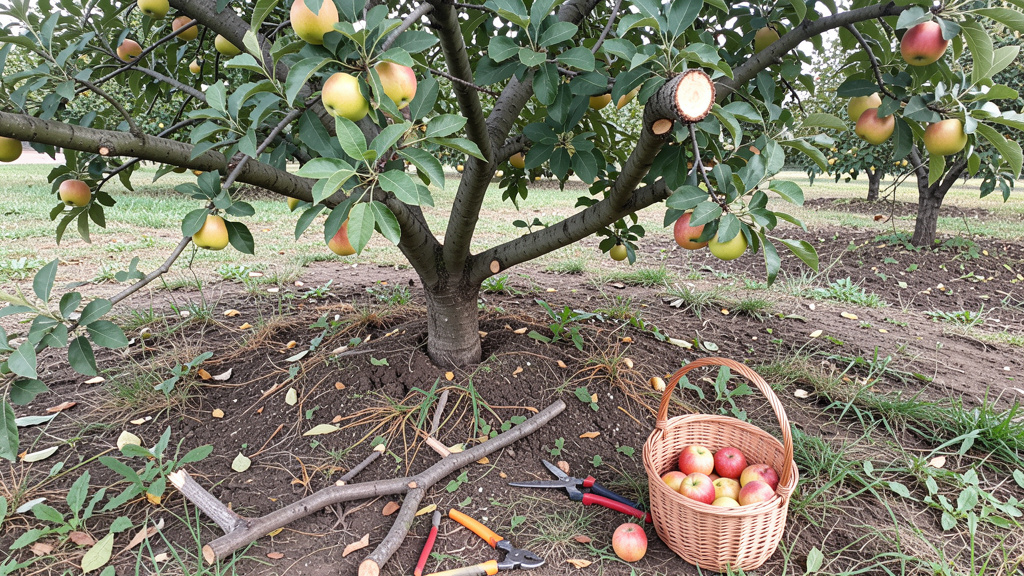
Unlock Bountiful Harvests Year After Year with Science-Backed Pruning Strategies That Balance Tree Health and Yield
Fruit tree pruning is far more than seasonal maintenance—it is the deliberate orchestration of a tree’s biological priorities. Every precise cut redirects finite energy resources away from unproductive wood and toward the development of larger, sweeter, more abundant fruit. This comprehensive guide synthesizes established horticultural principles, observed physiological patterns across climate zones, and nuanced techniques tailored to specific fruiting habits. Whether you steward a single backyard apple tree or a diverse home orchard, this framework transforms pruning from an intimidating chore into your most powerful tool for consistent, high-quality harvests. You will learn not just how to cut, but why each decision directly influences next season’s yield, tree longevity, and resilience.
Introduction: The Physiology Behind the Pruning Shears
Many gardeners approach pruning with hesitation, fearing harm to the tree. This apprehension stems from viewing branches as inherently valuable rather than understanding their functional role within the tree’s energy economy. A fruit tree operates on a strict biological budget: sunlight captured by leaves fuels photosynthesis, generating carbohydrates allocated to roots, leaves, branches, flowers, and fruit. Without strategic intervention, trees naturally prioritize vegetative growth—producing dense canopies of leaves and shoots—at the direct expense of fruit quality and quantity. This survival-driven tendency results in small, poorly colored fruit clustered only on the outermost sun-exposed branches, while the shaded interior becomes a haven for disease and pests.
Strategic pruning rebalances this equation. By selectively removing specific wood, you signal the tree to concentrate its resources on remaining fruiting sites. Research from agricultural extension services consistently demonstrates that well-pruned trees produce fruit with notably higher sugar content, more uniform size, and superior color development compared to neglected counterparts. Similarly, trees trained to open-center systems with annual renewal pruning typically yield significantly more marketable fruit per tree than unpruned specimens, with markedly reduced incidence of rot due to improved air circulation.
This guide transcends fragmented “how-to” snippets found across the internet. We present a unified, three-layer framework grounded in plant physiology, adaptable to your specific tree types, climate, and goals. You will gain the diagnostic eye to assess any fruit tree, the confidence to make purposeful cuts, and the long-term perspective to cultivate decades of abundance. Pruning, executed with intention, is not subtraction—it is cultivation through redirection.
The Production-First Pruning Framework: Three Layers for Maximum Yield
Effective pruning cannot be reduced to a single annual event or a universal set of cuts. Trees evolve through distinct physiological phases, each demanding a tailored approach. The Production-First Framework organizes pruning strategy into three interdependent layers, ensuring every action serves the ultimate goal: sustained, high-quality fruit production. This system prevents common pitfalls like structural weakness in maturity, irregular bearing cycles, or disease vulnerability caused by reactive, piecemeal pruning.
- Layer 1: Structural Pruning (Years 1–5) – The architectural foundation. This phase establishes a strong, balanced scaffold capable of supporting heavy crops for decades while optimizing light capture from the outset. Neglect here guarantees future problems: weak crotches that split under fruit load, crowded interiors that harbor disease, and chaotic growth that makes productive pruning inefficient.
- Layer 2: Productive Pruning (Annual, Mature Trees) – The yield engine. Focused on mature, fruit-bearing trees, this layer refines the canopy annually to maximize sunlight on fruiting wood, remove energy-draining growth, and stimulate the precise type of new wood required for next season’s crop. This is where pruning decisions most directly correlate with fruit size, flavor, and quantity.
- Layer 3: Renewal Pruning (As Needed) – The longevity strategy. Applied to aging, neglected, or stressed trees, this multi-year approach revitalizes productivity without shocking the tree. It strategically removes declining wood to encourage vigorous, well-placed regrowth, extending the tree’s useful life and harvest potential.
This framework is universally applicable but requires nuanced execution based on fruiting habit. Stone fruits (peaches, plums) bear almost exclusively on one-year-old wood and demand aggressive annual renewal. Pome fruits (apples, pears) produce on persistent spurs, requiring conservative thinning to preserve fruiting sites. Citrus and figs need minimal intervention. Throughout this guide, we detail these critical distinctions with concrete examples. Remember: the goal is never merely a “neat” tree, but a tree whose form actively serves its function as a fruit-producing organism.
The Fundamental Principle: Pruning is not about removing wood; it is about directing energy. Every cut you make signals the tree where to invest its finite resources—toward fruit, toward structure, or toward recovery. Master this signal, and you master production.
Layer 1: Structural Pruning – Building a Lifetime of Harvests
The structural decisions made during a tree’s first five years are irreversible. A poorly formed scaffold leads to chronic issues: limbs snapping under modest crops, persistent disease in shaded interiors, and frustratingly low yields despite apparent vigor. Investing time in Layer 1 dramatically reduces future labor, prevents catastrophic failures, and establishes the light-capturing architecture essential for premium fruit. This phase is not “training for training’s sake”—it is engineering the tree’s entire productive future.
Step 1: Selecting the Optimal Training System for Your Tree’s Biology
Before planting or making the first cut, match the training system to the tree’s innate growth pattern and your harvest goals. Forcing a peach tree into a central leader system, or an apple tree into a vase shape, fights nature and guarantees subpar results. Two systems dominate successful home orchards:
-
Central Leader System (“Christmas Tree” Form): Ideal for apples, pears, sweet cherries, and walnuts. Features a single, dominant vertical trunk (the leader) with tiers of lateral scaffold branches radiating outward at wide angles (60–75 degrees). Scaffolds are spaced vertically (18–24 inches between tiers) and radially (like spokes on a wheel).
- Why it maximizes production: Creates strong branch unions capable of supporting heavy fruit loads (critical for dense apples). The tiered structure allows sunlight to filter down to lower branches, promoting fruiting throughout the canopy rather than just at the top. This system efficiently uses vertical space, valuable in smaller yards.
- Consequence of mismatch: An apple tree forced into an open-center shape often develops weak, narrow-angled scaffolds prone to splitting when laden with fruit. Conversely, a central leader peach tree develops a dense, shaded center where fruit fails to color or ripen properly, and disease thrives.
-
Open Center / Vase Shape System: Essential for peaches, nectarines, plums, apricots, sour cherries, and almonds. The central leader is removed early, encouraging 3–5 primary scaffolds to grow upward and outward from a single point near the trunk base, forming an open, vase-like structure.
- Why it maximizes production: Stone fruits bear fruit on wood exposed to full sun. The open center allows direct sunlight to penetrate deep into the canopy, ensuring interior fruiting wood receives adequate light for bud development and fruit ripening. Superior air circulation dries leaves rapidly after rain, drastically reducing fungal disease pressure.
- Consequence of mismatch: A peach tree maintained with a central leader typically produces the majority of its fruit on the outer perimeter. The shaded interior branches bear sparse, small, poorly colored fruit susceptible to rot. An open-center tree of the same age and variety produces uniformly sized, well-colored fruit from top to bottom.
Choosing Your System: A Decision Flowchart
1. What is the primary fruit type?
* Stone Fruit (Peach, Plum, Cherry, etc.) → Open Center
* Pome Fruit (Apple, Pear) or Nut → Central Leader
* Citrus/Fig → Minimal structural pruning; focus on clearance and light (see Layer 2)
2. What are your space constraints?
* Very narrow space (against wall/fence) → Consider espalier (specialized training)
* Standard backyard → Central Leader (taller, narrower footprint) or Open Center (wider spread)
3. What is your harvest priority?
* Ease of picking (lower fruit) → Open Center (fruiting zone starts lower)
* Maximum yield per footprint → Central Leader (more tiers of fruiting wood)
Step 2: The Foundational Cut – Establishing Scaffolds at Planting (Year 1)
For a bare-root whip (unbranched sapling) or a young tree with minimal branching, the very first pruning cut—made at planting time—is the most influential decision for its entire structural life. This “heading cut” is not optional; it is the trigger that shapes future growth.
- How to execute correctly:
- Plant the tree at the correct depth (graft union 2–3 inches above soil line for grafted trees).
- Using sharp bypass pruners, make a clean, 45-degree angled cut 24–30 inches above the soil line. The exact height balances future harvest ease (lower scaffolds) with clearance for mowing/weed control (higher scaffolds). For dwarf apples, 24 inches is ideal; for standard peaches, 30 inches provides better clearance.
- Ensure the cut is made just above a healthy, plump bud facing the direction you want the first scaffold branch to grow (ideally outward, away from the intended tree center).
- Remove any existing side branches below this cut point completely, flush with the trunk. Do not leave stubs.
- Why this step is non-negotiable: This cut halts apical dominance (the tendency for the top bud to suppress lower growth). Energy is redirected downward to strengthen roots and upward to stimulate multiple lateral buds below the cut. Without this cut, the tree often grows spindly, producing weak, narrow-angled branches high on the trunk—creating an unstable, top-heavy structure prone to failure. The heading cut forces the development of strong, well-spaced scaffolds at a manageable height.
- Common mistakes and consequences:
- Skipping the cut entirely: Results in a “whip” growing straight up with weak, poorly angled branches emerging high up. Correcting this later requires drastic, stressful cuts.
- Cutting too low (<18 inches): Scaffolds start too close to the ground, interfering with mowing, increasing soil-borne disease risk, and creating a weak base vulnerable to rodent damage or mechanical injury.
- Cutting too high (>36 inches): Forces scaffolds to form high on the trunk, making future harvesting difficult without ladders and creating a top-heavy tree susceptible to wind rock or breakage.
- Cutting above an inward-facing bud: Encourages a scaffold branch to grow back toward the tree center, creating immediate congestion and shading—a problem that compounds yearly.
Step 3: Selecting Permanent Scaffolds – Precision in Years 2 and 3
In the spring following planting, your tree will produce numerous lateral shoots. Your role is that of a discerning architect: selecting the strongest, best-positioned branches to become the permanent skeleton while removing all others decisively. Hesitation here leads to lifelong structural compromise.
- Central Leader System Protocol:
- Identify the new central leader: Select the strongest, most vertical shoot emerging near the top of last year’s cut. Remove any competing shoots growing within 6 inches of its base completely. A single, dominant leader is critical.
- Select Tier 1 scaffolds (3–4 branches): Choose lateral branches meeting ALL criteria:
- Wide crotch angle: 60–75 degrees from the trunk. Narrow angles (<45 degrees) form weak unions with included bark—a major failure point under fruit load. Pro Technique: If a desirable branch has a narrow angle in late spring, insert a small wooden limb spreader (or a wedge of wood) between the branch and trunk to gently force a wider angle over 4–6 weeks. Remove before winter.
- Radial balance: Scaffolds should be spaced evenly around the trunk (approximately 120 degrees apart for 3 scaffolds; 90 degrees for 4).
- Vertical spacing: Minimum 6–8 inches between the attachment points of selected scaffolds on the trunk.
- Vigor and health: Choose branches with plump buds and no signs of damage.
- Remove all other lateral branches completely, cutting flush with the branch collar (the slight ridge where branch meets trunk). Do not leave stubs.
- Lightly head back selected scaffolds: Cut off approximately one-quarter of each scaffold’s length, just above an outward-facing bud. This encourages branching along the scaffold (developing fruiting laterals) and strengthens the branch union by promoting caliper growth at the base.
- Open Center System Protocol:
- Select primary scaffolds (3–4 branches): Choose well-spaced laterals emerging from the trunk within a 6-inch vertical zone, all with wide crotch angles (60+ degrees). Radial balance is critical.
- Remove the central leader completely: Cut just above the top selected scaffold branch. This is the defining act of the open-center system—opening the core to light and air.
- Head back selected scaffolds: Cut back one-third to one-half of each scaffold’s length to an outward-facing bud. This stimulates vigorous outward growth, reinforcing the vase shape and establishing the framework for future fruiting laterals.
- Why meticulous selection matters: Weak crotches are a leading cause of major limb loss in mature fruit trees during heavy crop years. A branch with a narrow angle may support a light crop for years, but a single season of abundant fruit can cause catastrophic splitting. Investing time to select wide-angled scaffolds prevents this irreversible damage. Furthermore, proper spacing ensures each scaffold receives adequate light and air, preventing one branch from shading or crowding another.
- Addressing common dilemmas:
- “I have two perfect scaffolds opposite each other.” Remove one. Opposing branches create a weak point on the trunk and compete for resources. Select the branch with the slightly better angle or position.
- “All the good branches are on one side.” This is common. Select the best available scaffolds, even if imperfectly spaced. In Year 3, you may encourage a new shoot on the bare side by making a small notch above a dormant bud on the trunk (a technique called “notching”) to stimulate growth. Patience is key.
- “The tree produced only two strong scaffolds.” Do not force a third. Work with two strong scaffolds. Head them back appropriately. In Year 3, select a new scaffold from shoots emerging lower on the trunk to create balance. Forcing a weak third scaffold creates future problems.
Step 4: Building Tiers and Refining Structure (Years 3–5)
For Central Leader trees, repeat the scaffold selection process in Year 3 to establish a second tier of branches 18–24 inches above the first tier, maintaining radial balance and wide angles. A third tier may be added in Year 4 if space and tree vigor allow. Continue to remove water sprouts (vigorous vertical shoots) and suckers (shoots from roots or below graft union) as they appear. For Open Center trees, focus shifts to developing secondary branches (laterals) growing outward from the primary scaffolds. In Year 3, head back these laterals by one-third to encourage branching and keep the tree at a manageable height (ideally, fruiting wood within easy reach of the ground). By Year 5, the fundamental architecture should be established. The tree will begin transitioning into Layer 2 (Productive Pruning), with significant fruiting occurring on the developing lateral branches. Continue light heading of overly vigorous laterals to maintain shape and encourage fruiting spur development (on pome fruits) or strong new shoots (on stone fruits).
Structural Insight: Orchards with trees meticulously trained in Layer 1 consistently require significantly less corrective pruning in maturity. The time invested upfront eliminates years of battling weak structures, disease pockets, and poor light penetration. A well-structured tree is not just stronger—it is inherently more productive because its form optimizes the very conditions (light, air) that drive fruit quality.
Layer 2: Productive Pruning – The Annual Yield Multiplier
Once the structural framework is established (typically by Year 4–5), pruning shifts decisively toward optimizing annual fruit production. This is not random trimming; it is a precise annual ritual timed to the tree’s physiological cycle. The goals are surgical: maximize sunlight exposure to every potential fruiting site, eliminate wood that consumes energy without contributing to harvest, and stimulate the exact type of new growth required for next season’s crop. This layer demands understanding when to prune as critically as what to prune.
Step 1: Mastering the Timing Imperative – When Cuts Catalyze Yield
Pruning at the wrong time can reduce yield, invite disease, or stimulate growth vulnerable to environmental stress. Timing is dictated by the tree’s dormancy cycle and regional climate.
- Dormant Season Pruning (Late Winter – Primary Window for Temperate Fruit): The optimal time for apples, pears, peaches, plums, cherries, and apricots. Perform cuts after the coldest winter temperatures have passed but before bud swell begins (typically 4–6 weeks before your area’s average last spring frost date).
- Physiological Rationale for Maximum Production: During deep dormancy, energy reserves are stored in roots and trunk. Pruning just before active growth begins redirects these concentrated reserves into the remaining buds, resulting in stronger, more vigorous growth precisely where you want it. Crucially, the onset of spring sap flow accelerates wound healing—the tree rapidly forms callus tissue over cuts, minimizing the window of vulnerability to pathogens. The leafless state provides unobstructed visibility of the entire branch structure, allowing for precise, strategic cuts.
- Regional Timing Nuances:
- Cold Climates (USDA Zones 3–5): Delay pruning until late winter (February–March). Pruning too early (December–January) can stimulate premature bud break vulnerable to late frosts. Wait until temperatures consistently stay above freezing during the day.
- Mild Climates (Zones 6–9): Pruning can begin earlier (January–February) as the risk of severe cold is lower. Monitor local weather and bud development closely.
- Humid/Disease-Prone Regions: Prioritize pruning during predicted dry spells. Moisture on fresh wounds facilitates pathogen entry. Have disinfectant (10% bleach solution or 70% isopropyl alcohol) ready to clean tools between trees.
- Summer Pruning (Early to Mid-Summer – Strategic Supplement): Used selectively for specific production goals, never as a replacement for dormant pruning. Remove no more than 10% of the canopy.
- Controlling Excessive Vigor: On trees prone to water sprouts (apples) or overly dense growth (Asian pears), pinch or cut back new shoots by hand when they are 4–6 inches long (June–July). This reduces shading during the growing season, allowing more light to reach developing fruit and hardening wood for winter. It also redirects energy from leaf production to fruit sizing and sugar accumulation.
- Enhancing Fruit Quality: For stone fruits (peaches, plums), light thinning of shoots immediately surrounding fruit clusters in early summer increases direct sunlight exposure. This significantly improves color development and sugar content in the weeks leading to harvest.
- Physiological Rationale: Summer pruning has a mild dwarfing effect. Reducing leaf area slightly stresses the tree, signaling it to prioritize ripening existing fruit over producing new vegetative growth. This is invaluable for backyard growers managing tree size.
- Critical Timing to Avoid:
- Fall Pruning (September–November): Stimulates tender new growth that cannot harden off before winter, leading to cold damage, dieback, and increased disease susceptibility. Wounds heal slowly in cool temperatures, providing extended entry points for pathogens over winter.
- Pruning During Bloom or Fruit Set (Spring): Diverts critical energy needed for flowering, pollination, and early fruit development. Can significantly reduce crop load.
- Pruning During Drought or Extreme Heat: Adds significant stress to an already compromised tree, potentially causing irreversible damage or death. Wait for cooler, wetter conditions.
Step 2: The Four Productive Cuts – A Diagnostic Protocol for Every Tree
With timing secured, productive pruning follows a consistent diagnostic sequence. Apply these four cut types in order to every mature tree. This protocol ensures no critical step is missed and builds muscle memory for efficient, purposeful pruning.
-
Cut A: Sanitation – Remove Dead, Diseased, or Damaged Wood
- How to Identify and Execute: Scan the entire tree. Dead wood is brittle, gray/brown, lacks buds, and snaps easily. Diseased wood shows cankers (sunken, discolored areas), oozing sap (bacterial infection), fungal fruiting bodies, or distorted growth. Damaged wood includes broken branches, cracks near the trunk, or areas chewed by rodents. Using sharp bypass pruners or a saw, cut back to healthy wood. For diseased sections, cut at least 6–12 inches below visible symptoms into clean, white wood. Make the cut just outside the branch collar. Disinfect tools immediately after each cut on diseased wood using alcohol or bleach solution. Bag and remove all diseased material from the site; do not compost.
- Production Impact: Dead/diseased wood is a pure energy sink—the tree wastes resources attempting to sustain non-functional tissue. More critically, it harbors pathogens that can spread to healthy fruiting wood, reducing yield and fruit quality. Removing it eliminates disease reservoirs and redirects energy to productive growth. This cut is non-negotiable; skipping it undermines all subsequent pruning efforts.
- Common Mistake: Leaving stubs “just in case” it’s not dead. Stubs die back, creating entry points for decay fungi. Cut cleanly to healthy tissue or remove the entire branch.
-
Cut B: Conflict Resolution – Remove Crossing, Rubbing, or Inward-Growing Branches
- How to Identify and Execute: Systematically examine branch intersections. Identify branches that cross over or rub against each other (creating wounds where bark is abraded). Identify branches growing back toward the tree’s center (inward-growing). For each conflict pair, remove the weaker, less ideally positioned, or more shaded branch. Prioritize removing branches that create dense clusters or block major pathways for light/air. Cut flush with the branch collar of the remaining branch.
- Production Impact: Crossing branches create chronic wounds, providing easy entry for disease. Inward-growing branches shade the critical interior canopy and create congestion. Removing them is the single most effective action for improving air circulation (reducing fungal disease pressure by allowing leaves to dry faster) and allowing sunlight to penetrate to inner fruiting wood. Light is the fuel for photosynthesis; more photons reaching fruiting spurs or shoots directly translates to larger, sweeter, better-colored fruit. Well-pruned trees consistently show improved interior fruit development compared to minimally pruned trees.
- Common Mistake: Removing the “wrong” branch in a pair. Always remove the branch that is weaker, more vertical, growing inward, or causing the greater obstruction. Preserve branches growing outward with wide angles.
-
Cut C: Vigor Management – Thin Excessive Vertical Growth
- How to Identify and Execute: Target water sprouts (vigorous, straight-up shoots emerging from branches or trunk) and suckers (shoots from roots or below graft union). Remove them completely at their point of origin. Also thin crowded clusters of upright shoots on scaffold branches, especially in the upper canopy. For stone fruits, this is paramount—vertical shoots are largely non-productive and shade the horizontal/angled shoots that bear fruit.
- Production Impact: Water sprouts and excessive vertical growth are notorious energy hogs. They grow rapidly using significant carbohydrates but produce little to no fruit (especially on pome fruits) and create dense shade. Removing them redirects the tree’s energy to horizontal branches where fruiting spurs develop (apples, pears) or to the productive one-year-old wood (peaches, plums). This cut directly increases the ratio of fruiting wood to non-fruiting wood. In peach management, aggressive removal of water sprouts during dormant pruning correlates with stronger fruit set on remaining shoots.
- Common Mistake: Heading back water sprouts instead of removing them. Heading stimulates more water sprouts below the cut. Complete removal at the base is essential.
-
Cut D: Balance and Renewal – Head Back or Reduce Overly Long Branches
- How to Identify and Execute: Identify branches that have grown excessively long, become weak or drooping, or are shading lower branches. Make a reduction cut back to a lateral branch that is growing in a desirable direction (ideally outward and slightly downward). The lateral branch should be at least one-third the diameter of the branch being cut. Never cut to a random point in the middle of a branch with no lateral below it—this creates a dead stub prone to decay. Angle the cut just above the selected lateral branch.
- Production Impact: Long peripheral branches shade the interior canopy and become weak points prone to breakage under fruit load. Reducing their length brings fruiting wood closer to the trunk (easier harvest), stimulates new growth closer to the center where light is available, and strengthens the overall branch structure. For trees like peaches that fruit on one-year-old wood, heading back last year’s growth encourages the development of strong new shoots precisely where you want next year’s crop. This cut maintains the tree’s size within your management capacity.
- Common Mistake: “Topping” branches indiscriminately. Topping (cutting between nodes with no lateral below) creates multiple weak, decay-prone stubs and triggers a dense flush of undesirable water sprouts. Always cut back to a viable lateral branch.
Tool Protocol for Productive Pruning:
* Bypass Pruners: For live wood up to ¾ inch diameter. Always use bypass (scissor-action), not anvil type, for clean cuts that heal faster. Keep blades razor-sharp; dull blades crush tissue, slowing healing.
* Bypass Loppers: For branches ¾ inch to 1.5 inches. Choose compound-action loppers for easier cutting. Ensure jaws are aligned and sharp.
* Pruning Saw: For branches over 1.5 inches. Use a tri-cut or razor-tooth saw designed for green wood. A folding saw is ideal for portability and safety. For large branches, employ the Three-Cut Method (see Layer 3) to prevent bark tearing.
* Pole Pruner/Saw: For high branches beyond safe reach. Essential for maintaining tree height. Ensure the cutting head is sharp and the rope/pull-cord mechanism is functional.
* Hygiene is Non-Negotiable: Carry a small spray bottle with 70% isopropyl alcohol. Disinfect blades after every cut on diseased wood and between trees. Wipe blades clean of sap periodically to maintain cutting efficiency.
Step 3: Precision Tailoring – Adapting Cuts to Fruiting Biology
Applying the Four Productive Cuts universally is a solid foundation, but maximizing yield requires adapting intensity and focus to the specific fruiting habit of your tree. Ignoring these nuances leads to reduced crops, irregular bearing, or tree stress.
-
Pome Fruits (Apples, Pears): Spurs Are King
- Fruiting Habit: Bear fruit primarily on short, stubby spurs (modified twigs) that can remain productive for many years (apples) or longer (pears). Some fruit also forms on the tips of longer branches (especially pears).
- Pruning Strategy: Conservative Thinning. Focus intensely on Cut B (Conflict Resolution) and Cut C (Vigor Management) to open the canopy for light penetration to the spurs. Avoid excessive heading cuts (Cut D) on branches bearing healthy spurs, as this removes next year’s fruit buds. Instead of removing entire spur systems, thin within spur clusters: remove older, crowded, or shaded spurs to stimulate new spur development on younger wood. Prioritize removing water sprouts that shade spurs.
- Critical Nuance – Managing Bearing Cycles: Heavy cropping one year can deplete energy reserves, potentially affecting the following year’s bloom. Pruning plays a role in promoting balance. In seasons following abundant bloom, slightly more aggressive thinning cuts can help open the canopy. Crucially, thin the fruit itself in late spring (remove excess fruit so remaining apples are spaced appropriately). In seasons with lighter bloom, prune more lightly to preserve potential fruiting sites. For spur-type varieties, avoid removing excessive previous growth in a single season.
- Adjustment Tip: On older pear trees with dense spur clusters on horizontal branches, selectively remove some older spurs within a cluster to allow light to reach remaining spurs and encourage new spur development lower on the branch.
-
Stone Fruits (Peaches, Nectarines, Plums, Apricots): Renewal is Mandatory
- Fruiting Habit: Bear fruit almost exclusively on one-year-old wood (shoots that grew the previous summer). Spurs are insignificant. Exception: Sweet cherries bear on spurs and “bouquet spurs” (short clusters of spurs); prune very lightly.
- Pruning Strategy: Aggressive Annual Renewal. The core goal is to remove a significant portion of the previous year’s growth each winter. This stimulates the tree to produce abundant strong, new shoots that will bear next year’s crop. Focus intensely on Cut C (Vigor Management) and Cut D (Balance). Remove older wood (two years and older) completely. Thin the current year’s shoots to leave well-spaced (4–6 inches apart), horizontal or outward-growing shoots. For peaches, aim for a balanced number of fruiting shoots per area of canopy.
- Critical Identification Skill: After harvest, last year’s fruiting wood is identifiable by numerous small, clustered leaf scars where fruit was attached. This wood will not fruit again. It must be pruned out during dormant season to make room for new fruiting wood. Failure to remove sufficient old wood is a common cause of declining peach yields.
- Adjustment Tip: On a mature peach tree, after removing dead/diseased wood (Cut A) and conflicts (Cut B), systematically remove shoots that are two or more years old. Then, thin the remaining one-year-old shoots, selecting the strongest, best-placed ones spaced appropriately along scaffolds. Head back the tips of selected shoots slightly to encourage branching.
-
Citrus (Oranges, Lemons, Grapefruit): Minimal Intervention
- Fruiting Habit: Bear fruit on new growth and the previous year’s growth. Evergreen; growth occurs in flushes.
- Pruning Strategy: Sanitation and Shaping Only. Prune primarily for size control, removing dead/diseased wood (Cut A), and light thinning of the interior to allow light penetration (Cut B). Avoid heavy pruning, which drastically reduces yield and exposes bark to sunscald. Remove vigorous vertical water sprouts inside the canopy (Cut C). Best time is after last frost in spring but before summer heat. Never remove more than 10–15% of the canopy in one year.
- Critical Nuance – Sunscald Prevention: In hot climates, avoid heavy thinning that suddenly exposes previously shaded trunk or major limbs to direct sun. If significant thinning is necessary, consider painting exposed bark with diluted white latex paint (1:1 with water) to reflect sunlight. Maintain some interior foliage to provide natural shade.
-
Figs: Understanding the Crop Cycle
- Fruiting Habit: Many common varieties produce two crops: an early breba crop on last year’s wood, and a main crop on the current year’s growth. Some varieties produce only a main crop.
- Pruning Strategy: Light and Purposeful. In late winter, remove dead wood and thin crowded branches (Cuts A & B). For breba-producing varieties, avoid heavy pruning of last year’s growth to preserve the early crop. For main-crop-only varieties or in cold climates where breba crop is unreliable, more aggressive pruning to stimulate vigorous new growth is beneficial. In zones with harsh winters, figs are often cut back hard each spring to encourage new growth that bears the main crop (accepting loss of breba crop for winter survival).
- Critical Identification: Know your variety’s habit. Pruning a breba producer heavily in winter sacrifices the early crop. Research your specific fig cultivar.
Pruning Intensity Reference Guide
| Fruit Type | Primary Fruiting Wood | Annual Pruning Intensity | Key Focus | Max % Canopy Removal | Critical Timing Tip |
|———————|—————————-|————————–|——————————————–|———————-|—————————————–|
| Apple (Spur-type) | Spurs (2+ years old) | Light to Moderate | Light to spurs, spur renewal, thin clusters| 15-25% | Adjust based on prior year’s crop load |
| Peach/Nectarine | One-year-old shoots | Heavy | Renewal of fruiting wood, open center | 40-50% | Remove older non-fruiting wood |
| Plum (Japanese) | One-year-old shoots & spurs| Moderate to Heavy | Renewal shoots, thin spurs | 30-40% | Renewal focus similar to peach |
| Plum (European) | Spurs & one-year-old wood | Moderate | Balance spur retention & new shoot growth | 20-30% | Less aggressive than Japanese plums |
| Sweet Cherry | Spurs & bouquet spurs | Very Light | Sanitation only, minimal shaping | 10-15% | Summer pruning after harvest preferred |
| Pear | Spurs & shoot tips | Light to Moderate | Open canopy for light, spur thinning | 15-25% | More upright growth; thin carefully |
| Citrus | New growth & previous year | Very Light | Shape, size control, sanitation | <10% | Spring only; avoid sunscald |
| Fig (Breba producer)| Last year’s wood & new wood| Light | Shape, remove dead wood | 10-20% | Preserve last year’s growth for breba |
| Fig (Main crop only)| Current year’s growth | Moderate | Stimulate vigorous new growth | 20-30% | Can prune harder to encourage new wood |
Step 4: The Art and Science of the Cut – Technique for Healing and Growth
How a cut is made profoundly impacts the tree’s healing response and subsequent growth pattern. Poor technique creates entry points for decay, while precise cuts facilitate rapid compartmentalization (the tree’s natural wound-sealing process).
- The Branch Collar is Sacred: Every branch has a slightly swollen, wrinkled ring of tissue at its base where it meets the trunk or larger branch—this is the branch collar. It contains specialized cells crucial for wound closure. Always cut just outside the branch collar. Never cut flush with the trunk (removes the collar, impedes healing, invites decay). Never leave a stub (dies back, becomes a decay highway).
- The Three-Cut Method for Large Branches (>1.5 inches diameter): Prevents catastrophic bark tearing when the branch weight breaks free.
- Undercut: Make a shallow cut (about 1/3 through) on the underside of the branch, 6–12 inches from the trunk. This stops the bark from peeling down the trunk when the branch falls.
- Top Cut: Make a second cut on the top of the branch, 2–3 inches further out from the undercut, cutting all the way through. The branch will break cleanly at the undercut.
- Final Cut: Remove the remaining stub by cutting just outside the branch collar. Angle the cut slightly downward and away from the trunk to shed water.
- Thinning Cuts vs. Heading Cuts – Choosing the Right Signal:
- Thinning Cut: Removing an entire branch back to its point of origin (another branch or trunk). Effect: Opens the canopy significantly at the cut site without stimulating vigorous regrowth at that location. Redirects energy to remaining branches. This is the preferred cut for productive pruning as it reduces density without creating dense clusters of water sprouts. Use for Cuts A, B, and C.
- Heading Cut: Cutting a branch back to a bud or a lateral branch shorter than the original branch. Effect: Stimulates vigorous growth just below the cut (from latent buds). Use sparingly in productive pruning—primarily for Cut D (Balance) to shorten overly long branches or encourage branching in specific locations (e.g., on a bare section of scaffold). Overuse of heading cuts on mature trees is the primary cause of bushy, congested growth and water sprout proliferation.
- Angle Matters: Make cuts on small branches at a slight angle (about 45 degrees), with the lowest point of the cut just outside the branch collar. This allows water to run off the wound rather than pooling, which can promote rot.
Evidence-Based Insight: Research indicates that cuts made just outside the branch collar heal significantly faster than flush cuts or stub cuts. Furthermore, orchards utilizing precise thinning cuts (rather than indiscriminate heading) observe notably reduced water sprout regrowth the following season, leading to less summer pruning labor and significantly better light distribution to fruiting wood. Technique is not aesthetics—it is physiology.
Layer 3: Renewal Pruning – Reviving Overgrown or Aging Trees
Even well-intentioned trees can become overgrown due to years of neglect, or simply age. Renewal pruning is a compassionate, multi-year strategy to restore productivity and health without shocking the tree. The cardinal rule: “Slow and steady wins the race.” Attempting to correct decades of neglect in a single season is the fastest path to tree decline, massive water sprout regrowth, or death. Patience and incremental change are paramount.
Step 1: Honest Assessment and Goal Setting
Before touching a tool, diagnose the tree’s condition objectively. Stand back and observe:
* Structure: Is the basic scaffold intact but overgrown? Are major limbs cracked or split? Is the center completely shaded?
* Vigor: Are leaves sparse? Is there significant dieback in the canopy? Are water sprouts erupting from the trunk or large branches (a sign of severe stress)?
* Fruit Production: Is fruit only produced on the very outer perimeter? Is fruit small and sparse?
* Safety: Are there large dead limbs? Branches hanging over structures or walkways? Cracks near the trunk?
Set realistic, phased goals:
* Year 1 Goal: Remove immediate hazards, open the very center to allow some light penetration, remove obvious dead/diseased wood. Target: Remove no more than 20–25% of total canopy volume.
* Year 2 Goal: Address the flush of water sprouts from Year 1 cuts, remove additional older wood in targeted sections, further open specific quadrants. Target: Remove another 20–25% of remaining canopy.
* Year 3+ Goal: Transition fully into standard Productive Pruning (Layer 2). Focus shifts to maintaining the renewed structure and optimizing fruiting wood.
Accept that full restoration may take 2–3 years. Fruit production may be reduced during this period but should rebound strongly once balance is restored. If the tree is severely decayed, structurally unsound, or poses a significant hazard, removal and replacement may be the most prudent, productive decision.
Step 2: The Multi-Year Renewal Protocol
- Year 1: Sanitation and Strategic Opening
- Remove all dead, diseased, and damaged wood (Cut A). This is non-negotiable for tree health.
- Remove the most egregious structural offenders: Large vertical water sprouts growing straight up through the center; branches crossing/rubbing severely; the lowest hanging branches interfering with access.
- Crucially, select 1–2 major limbs that are blocking light to the core or are in poor condition. Using the Three-Cut Method, remove these limbs completely back to the trunk or a major lateral. Focus on opening a “window” of light into the very center of the tree.
- STOP when you have removed approximately 25% of the canopy volume. Step back frequently to assess. It will feel like you haven’t done enough—that is the goal. Under-pruning is always safer than over-pruning in renewal.
- Year 2: Managing Regrowth and Refining
- Assess the tree’s response in late winter. You will likely see vigorous new shoots (water sprouts) emerging from the cuts made in Year 1. This is a healthy stress response.
- Selectively manage water sprouts: Identify 2–3 of the strongest, best-placed new shoots emerging near the Year 1 cut sites. These have the potential to become future fruiting wood or even new scaffold branches if needed. Remove all other water sprouts completely at their base. Do not head them back.
- Continue the renewal process: Remove another 20–25% of the oldest, least productive wood. Focus on opening a different quadrant of the tree than Year 1 (e.g., if you opened the south side in Year 1, work on the east side in Year 2).
- Lightly head back some of the selected new shoots from Step 2 to encourage branching.
- Year 3 and Beyond: Transition to Maintenance
- By now, the tree should have a visibly more open structure, renewed vigor in the canopy, and new growth in desired locations.
- Shift focus entirely to the Productive Pruning protocol (Layer 2). Apply the Four Productive Cuts annually.
- Continue to monitor and remove any persistent water sprouts that appear, but their number should be significantly reduced.
- Fruit production should begin to increase noticeably, with better quality fruit appearing deeper within the canopy.
Special Case: Rejuvenating Neglected Stone Fruit Trees
Peach and plum trees possess remarkable regenerative capacity due to their fruiting habit on new wood. They tolerate—and often require—more aggressive renewal than pome fruits.
- Protocol for Severely Overgrown Peach/Plum:
- Late Winter (Year 1): Remove up to one-third of the oldest, thickest branches at their base, focusing on opening the center and removing branches with narrow angles. Prioritize branches showing dieback or disease. Head back the remaining major scaffolds by one-third to one-half to stimulate strong new shoots along their entire length. Total removal may reach 30–35%—acceptable for stone fruits due to their renewal biology.
- Early Summer (Year 1): After the flush of new shoots emerges (June), thin them aggressively. Select the strongest, best-placed shoots (spaced 5–6 inches apart, growing outward) to become next year’s fruiting wood. Remove all other shoots completely. This summer thinning is critical to prevent overcrowding.
- Late Winter (Year 2): Resume standard heavy annual pruning for stone fruits (removing 40–50% of previous year’s growth). The tree should now be on a productive cycle.
- Why this works: Stone fruits require new wood for fruiting. The aggressive cuts in Year 1 trigger the massive production of new shoots. Summer thinning ensures only the highest-quality shoots remain to bear fruit. This approach aligns with the tree’s natural physiology.
Renewal Wisdom: Successful orchard rejuvenation consistently demonstrates that growers who respected the tree’s physiological limits—removing wood incrementally, managing regrowth thoughtfully, and prioritizing light penetration over cosmetic shaping—achieved full productivity restoration within a few years with minimal stress to the tree. Those who attempted drastic correction invariably faced prolonged recovery periods. Renewal pruning is an act of patience, not force.
Navigating Common Pruning Frictions and Practical Alternatives
Even with a robust framework, real-world challenges arise. Addressing these frictions head-on builds confidence and prevents well-intentioned mistakes. This section provides actionable solutions grounded in horticultural science and practical experience.
“I’m Terrified of Over-Pruning and Killing My Tree”
This fear is valid and common. Over-pruning stresses trees, depletes energy reserves, invites pests/diseases, and triggers unmanageable water sprout growth. However, understanding physiological limits provides clear guardrails.
- The Canopy Removal Guideline (Evidence-Based): Decades of practice support that removing no more than 25–30% of a mature tree’s total canopy volume in a single pruning session minimizes stress while achieving production goals. This is a volume estimate, not a branch count. Visualize the tree as a sphere; removing branches equivalent to one-quarter to one-third of that sphere is the safe limit.
- For Young Trees (Years 1–5): Can tolerate slightly more (up to 40%) during structural pruning phases, as energy is directed toward building framework.
- For Renewal Pruning: Strictly adhere to 25% per year for pome fruits; stone fruits may tolerate up to 35% in Year 1 of aggressive renewal.
- How to Estimate: Step back after every few cuts. Does the tree still look substantially “full”? If large gaps are appearing rapidly, you are likely exceeding the limit. When in doubt, stop. You can always remove more next year; you cannot replace removed wood.
- Recognizing Over-Pruning Symptoms: If, several weeks after pruning, the tree produces a dense forest of upright water sprouts all over remaining branches (not just near cuts), it is a sign of excessive canopy removal. The tree is in survival mode. Do not remove all these sprouts at once next year. Instead, in the following dormant season, selectively retain the best-placed sprouts (spaced appropriately) to become new fruiting wood, and remove the rest. This gradual management helps the tree recover balance.
- The Golden Rule of Doubt: It is always better to under-prune and return the following year than to over-prune. A slightly crowded tree is far preferable to a stressed, sprout-covered tree. Pruning is cumulative; small, consistent adjustments yield better long-term results than drastic, infrequent interventions.
“My Tree Is Too Tall for Safe Pruning – What Are My Options?”
Safety must be the non-negotiable priority. Pruning tall trees requires strategy, proper equipment, and knowing your limits.
- The Reduction Cut Strategy (For Gradual Height Reduction): Never “top” a tree (cutting main branches indiscriminately between nodes). Topping destroys structure, invites decay, and triggers weak, hazardous regrowth. Instead, use reduction cuts over 2–3 years:
- Identify the tallest 1–2 leaders (main upward-growing branches).
- Cut each leader back to a strong, healthy lateral branch growing in a desirable direction (outward and slightly downward). This lateral should be at least one-third the diameter of the leader being cut.
- The cut should be just above this lateral branch. This preserves the tree’s natural form while reducing height.
- Repeat the process on remaining tall leaders in subsequent years. This gradual approach allows the tree to adapt, heal properly, and maintain structural integrity.
- Essential Safety Equipment & Practices:
- Orchard Ladder: Use a tripod-style orchard ladder designed for uneven ground. It has a single rear leg that digs into soil for stability. Never use a standard household ladder. Never stand on the top two rungs. Have a spotter hold the base if possible.
- Pole Tools: Invest in high-quality pole pruners (bypass action) and pole saws with secure locking mechanisms. Ensure the pole extends sufficiently (typically 8–16 feet total reach). Practice using them on low branches first. Keep blades sharp.
- Personal Protective Equipment (PPE): Safety glasses are mandatory. Wear a hard hat if working under dense canopy where falling debris is possible. Sturdy gloves protect hands.
- Weather Conditions: Never prune in high winds, rain, or on icy ground. Wait for calm, dry conditions.
- When to Call a Professional: Hire a certified arborist (look for ISA certification) if:
- The tree is over 15–20 feet tall and requires significant work.
- Branches are near power lines (EXTREME HAZARD—never attempt this yourself).
- The tree shows signs of major structural decay, cracks, or instability.
- You lack confidence, proper equipment, or physical ability. This is a wise investment in tree health, your safety, and long-term productivity. A professional can also advise on whether height reduction is feasible or if replacement with a dwarf variety is a better long-term solution.
“My Climate Presents Unique Pruning Challenges”
Pruning practices must adapt to local environmental pressures. A “one-size-fits-all” approach fails in extreme climates.
- Cold Climates (USDA Zones 3–5): Battling Winter Injury
- Challenge: Late winter pruning can stimulate growth vulnerable to late spring frosts. Extreme cold can cause dieback of pruned areas. Short growing seasons limit recovery time.
- Adapted Protocol:
- Delay pruning until as late as possible—just before bud break in early spring (often April). This minimizes the window for cold damage to pruning wounds and reduces stimulation of premature growth.
- Focus on minimal intervention: Prioritize sanitation cuts (dead/diseased wood) and light thinning. Avoid heavy heading cuts that stimulate tender new growth.
- Select cold-hardy varieties and training systems that keep fruiting wood lower to the ground (where temperatures are slightly warmer). Open-center training can be beneficial for stone fruits as it keeps fruiting wood lower.
- After severe winters, delay pruning until growth begins to accurately assess winter dieback. Prune dead wood back to live tissue.
- Humid, Disease-Prone Climates (Southeastern US, Pacific Northwest): Managing Pathogen Pressure
- Challenge: High humidity and rainfall create ideal conditions for fungal and bacterial diseases. Pruning wounds are vulnerable entry points.
- Adapted Protocol:
- Prioritize open-center training and aggressive thinning (especially Cuts B & C) to maximize air circulation. The goal is leaves drying within 30–60 minutes after rain.
- Prune during predicted dry weather windows. Check the forecast; avoid pruning if rain is expected within 48 hours.
- Disinfect tools meticulously: Use 70% isopropyl alcohol in a spray bottle. Disinfect after every cut on a diseased tree, and between every tree. Have multiple clean cloths for wiping blades.
- Remove and destroy all pruned material, especially diseased wood. Do not compost. Bag and dispose of or burn (where permitted).
- Consider light summer pruning after primary disease pressure periods to further open the canopy, but only remove minimal wood (<10%).
- Arid, Hot Climates (Southwest US, Mediterranean): Preventing Sunscald
- Challenge: Intense solar radiation can cause sunscald (bark splitting, tissue death) on branches suddenly exposed after pruning, especially on south- and west-facing sides.
- Adapted Protocol:
- Avoid heavy pruning that removes large sections of canopy shading the trunk or major limbs. If significant thinning is necessary for health (e.g., disease control), do it gradually over 2–3 years.
- Prune in late winter (February–March) to allow new growth to harden before peak summer heat. Avoid summer pruning except for minimal water sprout removal.
- Paint exposed bark: For branches larger than 2 inches in diameter that are suddenly exposed to direct sun after pruning, apply a 50/50 mixture of white latex paint and water to the exposed surface. This reflects sunlight and prevents temperature extremes that cause bark splitting. Do not use oil-based paint.
- Maintain some interior foliage to provide natural shade to the trunk and scaffold branches. Balance openness with protective shading.
Organic and Low-Input Pruning Considerations
For gardeners committed to organic practices or minimizing external inputs, pruning becomes an even more critical integrated pest and disease management (IPM) tool.
- Sanitation as Primary Defense: Meticulous removal and destruction of all fallen leaves, fruit mummies (dried, diseased fruit left hanging), and pruned wood is non-negotiable. Many pests and pathogens overwinter in this debris. Do not compost diseased material—home compost rarely reaches temperatures sufficient to kill pathogens. Bag and remove from site or burn (where safe and permitted).
- Canopy Architecture as Disease Prevention: An open, well-pruned canopy (achieved through consistent Cuts B & C) is your most effective organic disease prevention strategy. By maximizing air circulation and rapid leaf drying, you create an environment hostile to fungal spores. Well-pruned organic orchards consistently show reduced disease incidence compared to minimally pruned blocks, solely through improved microclimate.
- Habitat for Beneficials: While opening the canopy is crucial, avoid removing all small twigs and interior branches. Some provide essential overwintering habitat for beneficial insects like ladybugs (aphid predators), lacewings, and parasitic wasps. Balance the need for light/air with preserving pockets of shelter for these allies. Leave some less-productive but structurally sound interior branches if they provide habitat value.
- Tool Hygiene is Organic Protocol: Disinfecting tools between trees isn’t just good practice—it’s a core organic disease prevention strategy. Alcohol or bleach solution is an approved organic material for tool sanitation. Make it a seamless part of your pruning routine.
Your Questions, Answered
Q: What is the single most impactful pruning action for increasing fruit size and sweetness?
A: Maximizing sunlight penetration to the fruiting wood. This is achieved primarily through Cut B (removing crossing/rubbing/inward-growing branches) and Cut C (thinning excessive vertical growth). Light is the direct fuel for photosynthesis, which produces the sugars that sweeten fruit and the pigments that develop color. Fruit receiving ample sunlight consistently achieves superior size, color, and sugar content compared to fruit in shaded areas. Prioritize opening the canopy over any other single cut.
Q: Is fall pruning ever acceptable for fruit trees?
A: Fall pruning is strongly discouraged for virtually all temperate fruit trees. Pruning stimulates growth, and new shoots emerging in fall lack time to harden off before winter, making them highly susceptible to cold damage, dieback, and disease entry. Wound healing is also significantly slower in cool fall temperatures, leaving the tree vulnerable over winter. The sole exception might be light removal of water sprouts on vigorous trees in very mild climates, but even then, late winter is vastly preferable. Always prioritize dormant season (late winter) pruning for safety and efficacy.
Q: My apple tree has irregular bearing (heavy crop one year, light the next). Can pruning help?
A: Pruning is a critical component of managing irregular bearing cycles, but it must be combined with fruit thinning. The cycle is often triggered when a heavy crop exhausts the tree’s energy reserves.
In a predicted heavy crop year: During dormant pruning, be slightly more aggressive with thinning cuts to open the canopy. Crucially, thin the fruit itself in late spring when fruits are marble-sized. Remove excess fruit to space remaining apples appropriately. This reduces immediate crop load, allowing the tree to allocate energy to both fruit development and forming next year’s flower buds.
In a predicted light crop year: Prune more lightly during dormancy to preserve potential fruiting sites (spurs). Avoid heavy heading cuts that remove fruit buds.
Consistent annual pruning to maintain a balanced structure also helps prevent extreme fluctuations. Patience is key—managing the cycle often takes multiple seasons of consistent care.
Q: Should I apply pruning sealant or paint to cuts to prevent disease?
A: Modern arboricultural science, based on decades of research from institutions like the International Society of Arboriculture (ISA) and university extensions, conclusively shows that wound dressings (tar, paint, sealants) are unnecessary and often detrimental for fruit trees. They do not prevent decay or speed healing. In fact, they can:
Trap moisture against the wood, creating an ideal environment for fungal growth.
Interfere with the tree’s natural compartmentalization process (its ability to wall off decay).
Crack and peel over time, creating entry points for pathogens.
The best practice is to make a clean, precise cut just outside the branch collar* during the optimal dormant season window. Healthy trees rapidly form callus tissue over properly made wounds. Focus your effort on correct timing and technique, not sealants.
Q: How can I reliably tell if a branch is dead or just dormant in late winter?
A: Perform the “Scratch Test”:
1. Using your fingernail, a knife, or pruner blade, gently scratch away a small section of bark (about 1 inch long) on the branch.
2. Examine the thin layer of tissue directly beneath the bark (the cambium layer).
3. Alive: Cambium is green, moist, and flexible. Buds may be plump.
4. Dead: Cambium is brown, dry, brittle, and snaps easily.
Test multiple points along the branch, especially closer to the trunk, as dieback can be partial. Dead branches will also lack any plump, healthy buds. If in doubt, wait until bud break in spring for confirmation before removing large branches.
Q: I have an ornamental flowering cherry tree. When should I prune it to preserve the spring bloom?
A: For purely ornamental cherry trees (like Prunus serrulata cultivars) grown solely for flowers, prune immediately after the blooms fade in spring. Flower buds for the following year form on the previous season’s growth. Pruning during dormancy would remove these buds, drastically reducing the next spring’s floral display. However, if your tree is a fruiting sour cherry (Prunus cerasus) grown for cherries, follow the productive pruning guidelines for stone fruits (late winter), accepting that some flower reduction is necessary for optimal fruit production and tree health. Know your tree’s purpose.
Q: After pruning my peach tree, a clear sap is oozing from several cuts. Is this a sign of disease?
A: Sap flow (“bleeding”) from pruning cuts on stone fruits (peaches, cherries, plums) in late winter is completely normal and not a cause for concern. It is a sign of healthy sap flow as the tree breaks dormancy and begins active growth. The sap will naturally seal the wound over time. This is distinct from pathological oozing caused by bacterial canker or borer infestation, which typically appears as dark, foul-smelling, sticky ooze often accompanied by sawdust-like frass (borer debris) or sunken cankers. If the ooze is clear and the wood beneath the bark is healthy (green cambium), no action is needed. Ensure future cuts are clean and made at the correct time to minimize excessive bleeding.
Q: Can I use the same pair of pruners for all my different fruit trees?
A: You can, but tool hygiene is critical to prevent cross-contamination of diseases. Fire blight (a bacterial disease of apples and pears) and bacterial canker (affecting stone fruits) can be spread on contaminated tools.
Best Practice: Disinfect blades with 70% isopropyl alcohol or a 10% bleach solution between every tree, and especially after cutting diseased wood. Carry a small spray bottle and clean cloth.
Advanced Practice: Dedicate one set of tools to pome fruits (apples, pears) and another set to stone fruits (peaches, plums). Label them clearly.
Non-Negotiable: Keep blades razor-sharp*. Dull tools crush plant tissue instead of making clean cuts, significantly slowing healing and increasing disease susceptibility. Sharpen pruners regularly with a diamond file or whetstone.
Q: What is the most responsible way to dispose of pruned branches, especially if disease is suspected?
A: Disposal strategy depends entirely on the health of the wood:
Small, Disease-Free Twigs: Chip for mulch. Use around ornamental beds or pathways. Do not place wood chip mulch directly against the base of fruit trees (keep a 6-inch mulch-free zone) to avoid creating rodent habitat or trapping moisture against the trunk.
Larger, Disease-Free Branches: Cut for firewood (ensure no hidden pests/disease).
ANY Wood Showing Disease Symptoms (cankers, rot, oozing, insect galleries) or Pest Infestation: Remove immediately from the site. Bag securely and dispose of with municipal green waste (if local regulations allow diseased material) or burn (where safe and permitted). Never compost diseased wood*—home compost piles do not reach temperatures high enough to kill most pathogens. This sanitation step is vital for protecting your entire orchard.
Q: How should I adjust my watering and fertilizing routine after a significant pruning session?
A: Pruning directly alters the tree’s resource needs:
Watering: After significant pruning (especially renewal pruning removing >20% canopy), the tree’s leaf area—and thus its water demand—is reduced. Reduce irrigation frequency to avoid waterlogging the roots. Monitor soil moisture; water deeply only when the top 2–3 inches of soil are dry. Overwatering a pruned tree stresses roots and promotes disease.
Fertilizing: The tree will redirect energy to healing wounds and producing new growth. A light application of balanced organic fertilizer (e.g., compost, well-rotted manure) or a low-nitrogen fertilizer in early spring after pruning can support this effort. Avoid heavy nitrogen fertilization immediately after heavy pruning, as it can stimulate excessive, weak vegetative growth (water sprouts) rather than balanced growth. For trees under routine annual productive pruning, maintain your normal fertilizing schedule. Always base fertilization on a soil test for precision.
Q: I pruned my young apple tree last winter following structural guidelines, but this spring it produced very few leaves and seems weak. What happened?
A: This is likely transplant shock compounded by pruning stress. Young trees (especially bare-root) have limited root systems. Pruning, while necessary for structure, removes leaf area the roots must support. If the root system was damaged during planting, or if the tree experienced drought stress after planting, the combined stress of establishment and pruning can overwhelm it.
Immediate Action: Ensure consistent, deep watering (not frequent shallow watering). Apply a 2–3 inch layer of organic mulch (wood chips) in a wide ring around the tree (keeping mulch 6 inches away from the trunk) to conserve moisture and moderate soil temperature. Do not fertilize—this adds stress.
Prevention for Future: For very young trees (Year 1), some experts recommend minimal pruning at planting—only removing broken branches and very light heading—allowing the tree to focus energy on root establishment. More aggressive structural pruning can begin in Year 2 once the tree is established. Always prioritize root health (proper planting, watering) alongside pruning.
Conclusion and Your Path to Abundant Harvests
Pruning a fruit tree for maximum production is a profound act of partnership. It requires moving beyond seeing the tree as a static object to understanding it as a dynamic, responsive organism with its own biological priorities. The Production-First Framework—Structural, Productive, Renewal—provides the map, but true mastery comes from developing your observational skills, respecting the tree’s physiology, and aligning your actions with its natural rhythms. Each precise cut is a conversation: you signal where energy should flow, and the tree responds with growth, flowers, and fruit. This is not domination; it is cultivation through informed guidance.
The Three Unchanging Pillars of Production-Focused Pruning
- Structure is Non-Negotiable: A sound architectural foundation (Layer 1) is the prerequisite for everything that follows. It ensures light reaches every leaf, air circulates freely to prevent disease, and the tree possesses the physical strength to bear heavy crops without failure. Neglecting structure guarantees diminishing returns, no matter how skilled your annual pruning becomes.
- Light is the Ultimate Currency: Every decision in the productive phase (Layer 2) must be evaluated through this lens: “Does this cut allow more sunlight to reach potential fruiting sites?” Without adequate light penetration, fruit will be small, poorly colored, low in sugar, and sparse. Prioritizing light penetration is the single most impactful action for improving fruit quality and quantity.
- Patience Yields the Greatest Harvests: Renewal pruning (Layer 3) and navigating frictions teach us that trees operate on their own timeline. Rushing corrections, fearing necessary cuts, or expecting instant results leads to frustration and poor outcomes. Trust the process. Respect the canopy removal guideline. Embrace multi-year strategies. The most abundant, sustainable harvests belong to those who work with the tree’s biology, not against it.
The 24-Hour Rule: Your Immediate, Actionable Step
Knowledge without application remains potential. Within the next 24 hours, step outside and observe one fruit tree in your care (or a neighbor’s, with permission). Do not prune. Simply observe with intention:
* Stand beneath the tree. Can you see patches of sky through the canopy? Or is it a solid green ceiling?
* Trace major branches with your eyes. Are there branches crossing, rubbing, or growing straight back toward the trunk?
* Recall last season’s harvest. Where was the fruit produced? Only on the very outer edges? Deeper within?
* Gently scratch the bark on a small branch. Is the cambium green and moist?
This mindful observation builds the diagnostic eye—the ability to “read” a tree—that separates effective pruners from hesitant ones. When you return with pruners next season, you will see not a tangled mass of branches, but a living system with clear opportunities for improvement. You will know why each cut matters.
The Integrated Orchard: Pruning Within a Holistic System
View your fruit tree not in isolation, but as a vital component of a thriving garden ecosystem. Pruning synergizes powerfully with other practices:
* Soil Health: The energy redirected by pruning cuts flows through roots nourished by living soil. Healthy soil biology supports the vigorous, balanced growth pruning encourages.
* Water Wisdom: Strategic irrigation supports the new growth stimulated by pruning, especially during establishment or renewal phases. Avoid overwatering pruned trees.
* Integrated Pest Management: An open, well-pruned canopy is your first line of defense against disease. It reduces humidity, improves spray coverage (if used), and creates habitat for beneficial insects.
* Seasonal Rhythms: Pruning is one note in the annual symphony of orchard care—planting, thinning, harvesting, mulching. Each practice amplifies the others.
When these elements align, your tree thrives. The result is not merely more fruit, but fruit of exceptional quality: sun-warmed apples with complex sweetness, peaches dripping with juice, plums bursting with flavor. It is fruit shared with loved ones, preserved for winter, and celebrated as a tangible reward for patient, knowledgeable stewardship. This future of abundance begins not with a grand gesture, but with the next thoughtful cut. Go forth, observe, and prune with purpose.
Explore Our Complete Orchard Care System:
[The Ultimate Guide to Fruit Tree Planting: Site Selection, Soil Preparation, and First-Year Success] | [Organic Pest and Disease Management for Home Orchards: Prevention Over Reaction] | [The Seasonal Fruit Tree Care Calendar: Month-by-Month Tasks for Peak Health and Yield] | [Thinning Fruit: The Essential Practice for Larger, Sweeter Harvests] | [Soil Health for Fruit Trees: Building Living Foundations for Abundant Orchards] | [Watering Wisdom: Precision Irrigation Strategies for Fruit Tree Health and Yield] | [Harvest and Storage: Preserving Peak Flavor from Tree to Table]