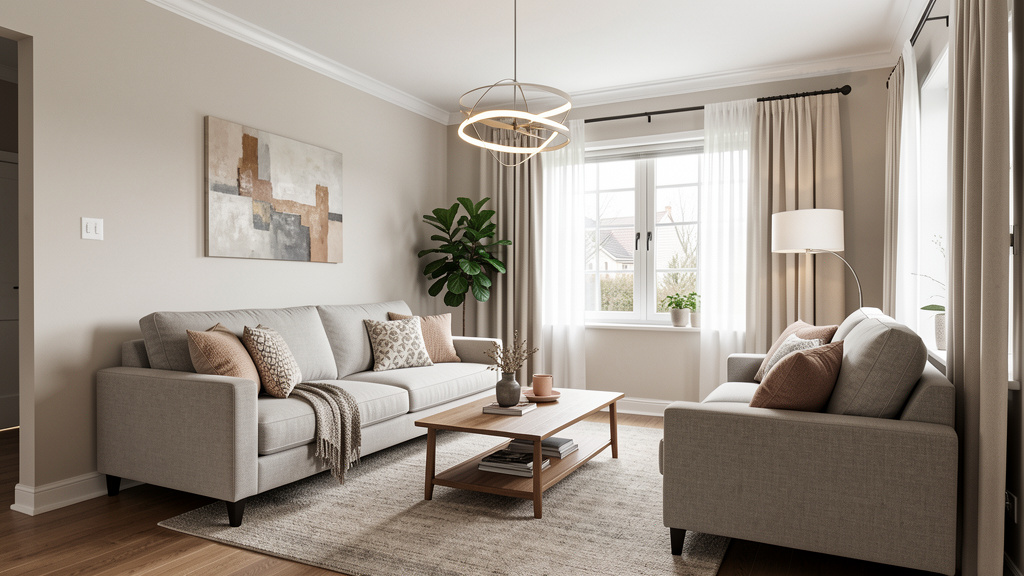
A Sustainable, Inclusive Approach to Celebrating Every Season with Handmade Decor That Honors Your Story
Seasonal home decor is far more than surface-level aesthetics—it’s the quiet language of belonging we speak through our living spaces. This comprehensive guide introduces a unified framework for creating meaningful, culturally respectful, and eco-conscious decorations across significant seasonal moments: the reflective warmth of Christmas, the sacred serenity of Ramadan, and the vibrant energy of summer. Move beyond disposable trends and discover how intentional DIY projects can honor tradition, express personal narrative, and nurture connection—all while reducing waste and deepening your relationship with home.
Introduction
Walk into any home during a significant seasonal transition, and you’ll feel it: a shift in atmosphere. The soft glow of candlelight during winter evenings, the delicate geometry of a Ramadan lantern casting patterns on a wall, the burst of sun-bleached textiles signaling summer’s arrival. These sensory cues are not accidental. They are deliberate acts of environmental storytelling—ways we align our physical surroundings with internal rhythms of celebration, reflection, or renewal. Research in environmental psychology suggests that intentionally designed spaces can positively influence mood and emotional well-being. When we engage our hands in creating these environments, the experience often deepens. The act of crafting becomes contemplative; the finished piece, a vessel of memory.
Yet modern seasonal decor often falls into two traps: mass-produced uniformity that erases cultural nuance, or overwhelming complexity that fuels stress rather than joy. This guide offers a balanced alternative. Drawing from cross-cultural design principles, sustainable material practices, and inclusive celebration approaches, we present a cohesive methodology—not just a collection of projects—to transform how you approach seasonal decoration year-round. Whether you observe these traditions deeply, appreciate their aesthetic resonance, or seek to honor a loved one’s heritage, this framework meets you where you are. It begins not with scissors or glue, but with intention.
The Intentional Cycle Framework: Plan • Create • Transition
True seasonal decor mastery begins with mindset. The Intentional Cycle Framework replaces frantic last-minute crafting with a sustainable rhythm that honors time, resources, and meaning. This three-phase model—Plan, Create, Transition—creates continuity across seasons while preventing burnout and waste. It transforms decor from a chore into a conscious practice.
Phase 1: Plan with Purpose (The 7-Day Intentional Pause)
The most overlooked step in seasonal decorating is the pause before action. Rushing to replicate idealized scenes often leads to mismatched aesthetics, budget strain, and post-holiday clutter. Instead, dedicate seven days to mindful planning. This isn’t about perfectionism—it’s about alignment.
Why this phase matters:
Without intention, decor can become visual noise. Research suggests environments filled with objects lacking personal significance may contribute to cognitive load. Purposeful planning ensures every item added carries meaning, reducing mental clutter alongside physical clutter.
How to execute the 7-Day Pause:
– Day 1: Sensory Reflection
Close your eyes. What does this season feel like? For Christmas: crisp air, pine resin, warm spices. For Ramadan: cool evenings, dates, the sound of prayer. For summer: salt breeze, cut grass, lemonade condensation. Journal three sensory anchors. These become your design compass.
Example: If “warm spice” is your Christmas anchor, your color palette may shift toward burnt orange, cinnamon brown, and cream. If “cool evening” defines Ramadan for you, focus on blues, silvers, and soft lighting.
-
Day 2: Space Audit
Walk through your home with a notepad. Identify 3–5 “impact zones”—areas where small changes create outsized emotional effect. Common zones: entryway console, dining table centerpiece, living room mantel, bedroom window. Avoid “decorating the whole house.” Targeted transformation feels intentional, not overwhelming.
Pro Tip: Photograph each zone. Overlay digital sketches (using free apps like Canva) to visualize changes before gathering materials. -
Day 3: Heritage & Heart Mapping
Ask: “What memory or value do I want this decor to evoke?” - Christmas: Is it childhood nostalgia? Interfaith inclusion? Cozy togetherness?
- Ramadan: Spiritual reflection? Family gathering? Cultural heritage (e.g., Moroccan, Pakistani, Indonesian influences)?
-
Summer: Adventure? Rest? Connection to nature?
Write one sentence: “This season’s decor will honor ______.” This sentence guides every subsequent decision. -
Day 4: Resource Inventory
Open closets, bins, and drawers. Catalog existing items: fabric scraps, jars, branches, old frames. Group by color, texture, material. You’ll likely find much of what you need already exists. This reduces cost, waste, and decision fatigue.
Common Oversight: People overlook “non-decor” items. A woven market basket becomes a Ramadan date holder. A weathered wooden crate transforms into a summer herb planter. -
Day 5: Budget Boundary Setting
Allocate funds thoughtfully: - Majority for consumables (natural elements like pine branches, seasonal flowers)
- Portion for core reusable items (fabric, quality paper, LED lights)
-
Small allocation for meaningful accents (a special ceramic bowl, locally made element)
Critical Nuance: Set a time boundary too. “I will spend 90 minutes total on DIY projects.” Protects against burnout. -
Day 6: Cultural Respect Check
If incorporating symbols outside your lived experience (e.g., non-Muslim creating Ramadan-inspired decor), pause. Research: - Consult reputable cultural organizations (Islamic Society of North America for Ramadan; local interfaith councils)
- Avoid sacred symbols used decoratively (e.g., Quranic verses as wall art)
-
Prioritize universal themes: light, hospitality, gratitude
Example: Instead of replicating specific religious architecture, focus on the concept of light—crafting lanterns symbolizing guidance. -
Day 7: Transition Plan
Decide now: How will this decor be stored or repurposed? Assign bins. Label clearly. Schedule a brief “transition session” on your calendar for the season’s end. This eliminates post-holiday dread.
The Fundamental Principle: Decoration without intention is decoration without resonance. The space between inspiration and action is where meaning is forged.
Phase 2: Create with Conscious Craftsmanship
This phase transforms planning into tangible beauty—but with mindful constraints. We prioritize techniques accessible to beginners yet satisfying for experienced crafters, using materials that honor people and planet.
Core Philosophy: “Good enough” is perfect. Handmade imperfections carry humanity. A slightly lopsided clay ornament holds more story than a factory-perfect replica. Embrace wabi-sabi—the Japanese aesthetic of finding beauty in imperfection.
Universal Material Guidelines:
| Material Type | Choose This | Avoid This | Why |
|—————|————-|————|—–|
| Lighting | LED fairy lights (warm white), beeswax candles, solar lanterns | Paraffin candles, single-use battery lights | LEDs use significantly less energy; beeswax offers a natural alternative; solar reduces waste |
| Textiles | Linen, organic cotton, upcycled fabrics, thrifted tablecloths | Polyester blends, new fast-fashion fabrics | Natural fibers biodegrade; vintage textiles carry history |
| Natural Elements | Foraged branches (with permission), fallen pinecones, dried citrus | Live-cut greenery (unless sustainably sourced), plastic “faux” plants | Supports local ecosystems; biodegradable; connects to place |
| Adhesives/Finishes | Flour paste, non-toxic glue, beeswax sealant | Hot glue guns (fire risk), chemical-laden sprays | Safer for homes with children/pets; reduces chemical exposure |
The 20-Minute Project Rule:
Every DIY project in this guide can be completed in under 20 minutes of active time. Why? Life is busy. Joy shouldn’t require a weekend workshop. Projects are designed for micro-moments: while waiting for pasta to boil, during a child’s nap, before morning coffee. Consistency > complexity.
Phase 3: Transition with Grace
The end of a season is not failure—it’s completion. How we close a chapter influences our readiness for the next. This phase ensures decor doesn’t become guilt-inducing clutter.
The 3-Box Method:
1. Rehome Box: Items gifted or no longer resonant. Photograph them first (“I honor this memory”), then donate promptly.
2. Repurpose Box: Materials for next season (fabric scraps become summer bunting; Ramadan lanterns hold summer fireflies).
3. Rest Box: Decor stored with care. Wrap fragile items in acid-free tissue. Label bins clearly: “Christmas: Mantel Items,” not “Xmas Stuff.”
Ritual Closing Practice:
Before packing away, gather household members. Share one gratitude about the season just passed. Light a candle. Say aloud: “We release this season with gratitude. We welcome what comes next.” This simple ritual provides psychological closure.
Eco-Transition Tip:
Natural elements (pine branches, dried flowers) compost beautifully. Place in yard waste bin or backyard compost pile. For citrus slices used in decor, bury shallowly in garden soil—they may deter pests naturally.
Christmas Decor DIY: Beyond the Tree—Crafting Cozy, Meaningful Moments
Christmas decor often defaults to familiar palettes. This section reimagines Christmas through sensory warmth, intergenerational connection, and sustainable storytelling. Projects focus on texture, light, and heirloom potential—not perfection.
The Heart of Christmas: Defining Your Narrative
Before crafting, clarify your Christmas story. Is it:
– Nordic Hygge? Think sheepskin throws, birchwood accents, candlelight.
– Vintage Family Heirlooms? Incorporate inherited lace doilies into new projects.
– Modern Minimalist? Single-color palettes (all-white, deep forest green), clean lines.
– Multicultural Fusion? Blend traditions (e.g., Mexican Nochebuena poinsettias with Scandinavian straw ornaments).
Critical Insight: There is no single “correct” Christmas aesthetic. Your decor should reflect your values. If consumerism feels draining, lean into handmade simplicity. If family gathering is central, prioritize table decor that sparks conversation.
Project 1: Sensory Memory Ornaments (15 Minutes)
These ornaments engage multiple senses—sight, smell, touch—making them powerful memory anchors.
Materials:
– Air-dry clay (or salt dough: 2 cups flour, 1 cup salt, 1 cup water)
– Cookie cutters (stars, trees, hearts)
– Essential oil (pine, cinnamon, orange) optional
– Natural twine
– Optional: Pressed evergreen sprig, dried cranberry
Steps:
1. Roll clay to ¼-inch thickness. Cut shapes.
2. Use a straw to punch hanging hole before drying.
3. Press texture into surface: lace imprint, fingerprint, child’s handprint.
4. While damp, add essential oil if desired. Embed tiny natural elements.
5. Air-dry per package instructions (or bake salt dough at low temperature). Seal with beeswax if desired.
6. Thread twine through hole.
Why It Works:
Scent is powerfully linked to memory. Years later, smelling pine on this ornament may transport you back. The fingerprint or handprint adds irreplaceable personal history. Unlike store-bought ornaments, these carry literal traces of your hands.
Common Mistake to Avoid:
Overhandling clay while wet causes cracks. Work swiftly. If cracks appear during drying, fill with clay slip (clay + water paste) before sealing.
Budget Variation:
Use salt dough (pantry staples). Skip essential oils—press actual cinnamon sticks or orange peel into dough for natural scent.
Inclusive Adaptation:
For interfaith homes, use neutral shapes (circles, moons) and scents (vanilla, lavender). Label ornament tags with family names in multiple languages.
Project 2: Woven Branch Wall Hanging (20 Minutes)
Replaces mass-produced wreaths with organic, textural art celebrating local landscapes.
Materials:
– 8–10 flexible branches (willow, birch, foraged twigs—never cut live branches without landowner permission)
– Scissors
– Natural jute twine
– Optional: Dried orange slices, cinnamon sticks, dried lavender bundles
Steps:
1. Gather branches of varying lengths (6–12 inches). Remove loose bark.
2. Lay two longest branches parallel. Tie twine tightly at top to form “frame.”
3. Weave remaining branches horizontally through frame, alternating over/under.
4. Secure ends with twine knots. Trim excess.
5. Attach hanging loop at top. Tuck dried elements into weave.
Why It Works:
This project honors biophilia—our innate connection to nature. The irregular shapes and textures create visual calm. Using locally foraged materials grounds your decor in place and season. A branch from your backyard carries more meaning than a shipped plastic wreath.
Regional Adaptation:
– Pacific Northwest: Use cedar boughs and Douglas fir cones.
– Southwest: Incorporate dried yucca pods and desert willow.
– UK: Hawthorn branches and rose hips.
Always verify local foraging guidelines. Never take more than a small portion of available material.
Safety Note:
Ensure branches are fully dry to prevent mold. Wipe with a damp cloth if concerned about debris.
Project 3: Heritage Table Runner Collage (18 Minutes)
Transforms the dining table into a narrative canvas celebrating family history.
Materials:
– Plain linen or cotton runner (thrifted or new)
– Fabric scraps from meaningful clothing (baby’s onesie, wedding tie, inherited textile)
– Fabric glue (non-toxic)
– Iron
– Optional: Hand-stitched embroidery thread
Steps:
1. Lay runner flat. Arrange fabric scraps in a flowing pattern.
2. Glue scraps lightly. Let dry 10 minutes.
3. Critical step: Place parchment paper over scraps. Iron on low heat to fuse permanently.
4. Optional: Hand-stitch borders with contrasting thread for tactile detail.
Why It Works:
Tables are where stories are shared. This runner literally weaves family history into the meal. A scrap from a child’s first-day-of-school shirt becomes a touchpoint for conversation. It’s decor with emotional utility.
Cultural Nuance:
For families with migration histories, include fabrics representing ancestral homelands. Label discreetly on runner’s underside: “Silk from Lahore, 1998.” Creates teaching moments for younger generations.
Preservation Tip:
After season, store runner flat between acid-free tissue paper. Avoid plastic bags—they trap moisture.
Project 4: Spiced Citrus Simmer Pot (5 Minutes Active Time)
Engages the olfactory sense—the most direct path to emotional memory.
Materials:
– Small pot
– Water
– Orange slices (dried or fresh)
– Cinnamon sticks
– Cloves
– Star anise
– Optional: Pine sprigs, vanilla bean
Steps:
1. Fill pot ¾ full with water. Add all ingredients.
2. Simmer on low heat (never boil dry). Replenish water as needed.
3. Place on stove or dedicated warmer.
Why It Works:
Unlike synthetic fragrances, this creates dynamic, evolving scent. The aroma shifts as ingredients steep—bright citrus first, warm spice later. It’s non-toxic, customizable, and fills the home with cooking-like warmth (associated with safety and care).
Mindful Insight:
The ritual of preparing it becomes a pause in busy days. Certain scents like cinnamon and citrus are associated with comfort in many cultures.
Zero-Waste Bonus:
After 2–3 days, compost all ingredients. No plastic containers, no chemical residue.
Navigating Christmas Decor Challenges
Challenge: Small Space Living
Solution: Vertical decor. Hang ornaments from ceiling hooks above dining table. Use window ledges for mini vignettes. A single branch in a tall vase creates height without footprint.
Challenge: Mixed Religious Household
Solution: Focus on universal winter themes: light in darkness, gratitude, gathering. Create a “Light Corner” with candles (LED for safety) representing different traditions. Label thoughtfully: “Light for Hope,” “Light for Peace.”
Challenge: Eco-Conscious Tree Choices
Solution:
– Real Tree: Choose locally grown, certified sustainable options. After season, check local programs for mulching or wildlife habitat use.
– Alternative: “Tree” made of stacked books, ladder with lights, or wall decal.
– Potted Tree: Buy live Norfolk pine. Decorate lightly. Plant outdoors post-holiday if climate allows.
Ramadan & Eid Decor DIY: Creating a Serene Sanctuary for Reflection and Joy
Ramadan decor is often misunderstood. This section centers sakina (tranquility), noor (light), and karam (generosity)—creating spaces that support spiritual practice, not just visual appeal. Eid decor shifts to joyful celebration (farah) with vibrant colors and communal warmth. Projects emphasize simplicity, symbolism, and hospitality.
Understanding the Spiritual Foundation
Before crafting, understand the why:
– Ramadan: A month of fasting, prayer, reflection. Decor should minimize distraction, enhance focus, and support pre-dawn (suhoor) and sunset (iftar) rituals. Clutter contradicts the season’s purpose.
– Eid al-Fitr: The “Festival of Breaking the Fast.” Decor bursts with color, symbolizing joy after spiritual discipline. Focus shifts to welcoming guests, especially children.
– Cultural Diversity: Practices vary widely. Moroccan homes feature intricate zellige patterns; South Asian homes use chand raat crescent motifs; Southeast Asian homes incorporate ketupat. Honor this diversity—avoid monolithic representations.
Critical Boundary:
Sacred texts should never be used decoratively. They belong in prayer spaces, treated with reverence. Instead, focus on concepts: light (guidance), crescent moon (new beginnings), geometric patterns (infinite creation).
Project 1: Tranquility Lanterns for Iftar (12 Minutes)
Soft, directional light supports the calm transition from fasting to feasting. These lanterns cast gentle patterns, reducing harsh overhead lighting.
Materials:
– Clean glass jars (pasta sauce, pickle jars)
– White tissue paper or rice paper
– Non-toxic white glue diluted with water (1:1)
– Paintbrush
– LED tea lights (battery-operated, never real candles near paper)
– Optional: Gold metallic pen, geometric stencil
Steps:
1. Cut paper to fit jar height.
2. Apply glue mixture to jar. Smooth paper over surface.
3. While damp, use stencil and gold pen to draw simple geometric patterns (stars, crescents, interlocking circles). Avoid human/animal figures per many Islamic art traditions.
4. Let dry. Place LED light inside.
Why It Works:
The diffused light creates a gentle ambiance. Geometric patterns reflect Islamic art’s emphasis on unity and infinity. Using recycled jars embodies mindful resource use.
Cultural Insight:
In many cultures, lanterns (fanoos) symbolize light guiding the way—historically used to light streets during Ramadan nights. This project honors that legacy simply.
Safety Imperative:
Always use LED lights. Real candles near paper pose fire risk. Test lights before placing near fabrics.
Project 2: Gratitude Date Dish (10 Minutes)
Dates (tamr) break the fast following tradition. This project elevates the ritual with mindful presentation.
Materials:
– Small wooden bowl (thrifted)
– Sandpaper (fine grit)
– Food-safe mineral oil or beeswax
– Dates (fresh or dried)
– Optional: Small handwritten cards
Steps:
1. Sand bowl lightly to smooth rough edges.
2. Rub thoroughly with mineral oil. Let absorb. Wipe excess.
3. Fill with dates.
4. Optional: Place tiny cards beside bowl: “Gratitude for sustenance,” “Patience rewarded.”
Why It Works:
The tactile warmth of wood contrasts with cold ceramic. Oiling the bowl is a meditative act—caring for the vessel that holds nourishment. Handwritten cards invite reflection before eating.
Inclusive Adaptation:
For non-fasting households participating in iftar gatherings, this dish becomes a symbol of hospitality. Include a note: “Welcome. May this break your fast with peace.”
Sustainability Note:
Source dates from bulk bins to avoid plastic packaging. Compost pits after eating.
Project 3: Eid Joy Bunting (18 Minutes)
Celebrates Eid’s vibrant energy with reusable, child-friendly decor.
Materials:
– Fabric scraps in culturally resonant colors (research your community’s traditions)
– Scissors
– Twine or ribbon
– Fabric glue
– Optional: Fabric markers, sequins (sew securely if children present)
Steps:
1. Cut fabric into triangles (3×4 inches).
2. Decorate with patterns: crescent moons, stars, geometric shapes. Avoid faces or figures.
3. Glue top edge of triangles over twine, spacing apart. Let dry.
4. Hang across windows, mantels, or above Eidiya (gift) table.
Why It Works:
Bunting is temporary yet joyful—perfect for Eid’s fleeting celebration. Using fabric scraps reduces waste. Children can safely participate in decorating triangles, fostering connection. Colors carry cultural meaning: green symbolizes paradise in many traditions; gold represents generosity.
Regional Variations:
– Middle Eastern: Incorporate Arabic calligraphy stencils for words like “Mubarak” (blessed).
– South Asian: Add tiny gota patti (ribbon embroidery) details.
– Southeast Asian: Use batik-print scraps.
When incorporating cultural elements, verify symbols with community resources if unsure.
Storage Tip:
Roll bunting loosely around cardboard tube. Store in labeled fabric pouch. Prevents creases and damage.
Project 4: Reflection Journal Station (15 Minutes)
Supports muhasaba (self-reflection), a key Ramadan practice.
Materials:
– Small tray (wood, ceramic)
– Notebook (recycled paper)
– Pen
– Smooth stone or small crystal
– Dried lavender sprig
Steps:
1. Arrange items neatly on tray.
2. Place stone on journal with note: “Place here after writing one reflection today.”
3. Position in quiet corner—bedside table, window seat.
Why It Works:
The stone acts as a tactile anchor. Moving it daily creates ritual. Lavender scent promotes calm for journaling. This isn’t decor for guests—it’s decor for the soul. Placing it visibly (but privately) honors the inward focus of Ramadan.
Psychological Insight:
Having a dedicated physical space for reflection supports consistency. The tray becomes a gentle trigger for the habit.
Navigating Ramadan/Eid Decor Challenges
Challenge: Cultural Appropriation Concerns
Solution:
– If not Muslim, focus on universal values: light, hospitality, gratitude.
– Say: “I’m creating a space to honor my Muslim friends’ Ramadan journey” rather than “I’m decorating for Ramadan.”
– Support Muslim-owned businesses for purchased items.
– When in doubt, ask: “Does this center community voices? Does it reduce a sacred practice to aesthetic?”
Challenge: Apartment Restrictions (No Nails)
Solution:
– Use removable hooks for lightweight items.
– Lean framed art against walls on shelves.
– Place lanterns on windowsills—light shines outward, sharing noor with neighbors.
Challenge: Explaining to Children
Solution:
Frame decor as “helping our home feel peaceful for fasting” or “making our house extra happy for Eid.” Involve them: “You choose the color for the bunting!” Focus on actions (sharing food, kindness) over symbols.
Summer Decor DIY: Bringing the Outdoors In with Light, Air, and Ease
Summer decor isn’t about adding more—it’s about editing toward lightness. This section embraces friluftsliv (Norwegian “open-air living”). Projects prioritize breathability, natural cooling, and celebrating fleeting seasonal abundance. Think less “decor,” more “environmental tuning.”
The Summer Mindset Shift
Winter decor wraps the home inward. Summer decor opens it outward. Key principles:
– Airflow > Ornamentation: Sheer curtains billow; windows stay open.
– Cool Surfaces: Replace heavy throws with linen; swap dark rugs for light jute.
– Ephemeral Beauty: Use flowers that last days, not weeks. Honor transience.
– Function First: Every item should serve comfort (shade, breeze, hydration).
Critical Insight: Summer decor fatigue often comes from trying to “match” outdoor vibrancy indoors. Instead, create calm contrast—a cool oasis from the heat. Your home should feel like stepping into shade on a hot day: instantly soothing.
Project 1: Breathable Window Sheers with Botanical Prints (20 Minutes)
Transforms harsh sunlight into dappled, leaf-patterned light—nature’s own projector.
Materials:
– Plain white linen or cotton sheer curtains (thrifted)
– Fresh large leaves (maple, magnolia, fern—never rare/endangered species)
– Fabric paint (eco-friendly, water-based) in sage green, sky blue
– Paintbrush or sponge
– Iron
Steps:
1. Lay curtain flat on protected surface.
2. Arrange leaves underside up (veins create best print).
3. Dab paint lightly over leaf surface.
4. Press leaf firmly onto curtain. Lift carefully.
5. Let dry. Iron on reverse side to set paint.
6. Hang. Watch sunlight project leaf shadows indoors.
Why It Works:
This merges art and function. The printed leaves filter light softly, reducing glare without blocking views. Using real leaves connects decor to your immediate environment. Linen sheers allow breeze while providing privacy.
Botanical Ethics:
Only use fallen leaves or trimmings from your property. Never strip living plants. For apartment dwellers, press leaves from park walks (where permitted).
Comfort Bonus:
Light-colored sheers help reflect solar radiation, contributing to a cooler indoor environment.
Project 2: Upcycled Citrus Hydration Station (8 Minutes)
Addresses summer’s core need: hydration. Makes water inviting while reducing single-use containers.
Materials:
– Large glass pitcher (thrifted)
– Seasonal citrus (lemons, limes, oranges)
– Fresh mint or basil from windowsill pot
– Wooden serving tray
– Reusable glass cups
Steps:
1. Slice citrus thinly. Bruise mint leaves gently.
2. Add to pitcher with cold water. Refrigerate.
3. Place pitcher on tray with cups. Add small chalkboard sign: “Stay Cool. Stay Hydrated.”
4. Position near entryway or patio door.
Why It Works:
Visual appeal encourages hydration. The tray creates a “hydration zone”—a dedicated spot that becomes habit-triggering. Using seasonal produce supports local farms.
Wellness Tip:
Add cucumber slices—they complement hydration. Mint offers a refreshing note, perfect for post-activity refreshment.
Zero-Waste Loop:
Compost citrus peels and herbs after use. Rinse pitcher; repeat daily with new ingredients.
Project 3: Driftwood & Seagrass Wall Mobile (25 Minutes)
Captures summer’s ephemeral coastal energy without kitsch.
Materials:
– Small driftwood pieces (collected ethically from beaches after storms—never take from living ecosystems)
– Natural seagrass or raffia
– Scissors
– Needle
– Optional: Tiny shells (only if washed ashore naturally)
Steps:
1. Select 3–5 driftwood pieces of varying sizes.
2. Cut seagrass into strands.
3. Thread needle with seagrass. Tie knots at intervals.
4. Wrap seagrass around driftwood, securing with knots.
5. Attach strands of varying lengths to a central driftwood piece.
6. Hang near window where breeze moves it gently.
Why It Works:
The mobile’s subtle movement and sound create kinetic calm. Driftwood’s weathered texture tells a story of ocean and time. This isn’t “beach decor”—it’s a meditation on transience and resilience.
Ethical Sourcing Imperative:
Never remove shells, coral, or driftwood from protected beaches or living habitats. Collect only what is abundant and already detached. When in doubt, leave it. Better yet: use fallen twigs from your backyard, stained with tea for “weathered” look.
Indoor Adaptation:
For landlocked homes, substitute driftwood with birch branches. Use dried wheat stalks instead of seagrass. Theme becomes “prairie breeze” or “forest whisper.”
Project 4: Cooling Linen Table Runner with Ice Dye (22 Minutes Active Time + Drying)
Creates one-of-a-kind textile art using summer’s heat as a tool.
Materials:
– Plain white linen runner
– Fiber-reactive dye (procion MX—low water impact)
– Ice cubes
– Plastic container with rack
– Soda ash solution (fixative)
– Rubber gloves
Steps:
1. Soak runner in soda ash solution. Wring gently.
2. Crumple runner loosely. Place on rack inside container.
3. Cover completely with ice cubes.
4. Sprinkle dye powder over ice (colors blend as ice melts).
5. Wait for ice to melt and dye to set (timing varies by temperature).
6. Rinse thoroughly in cold water until clear. Air dry.
Why It Works:
Ice dyeing creates organic, watercolor-like patterns impossible to replicate—each piece is uniquely yours. Linen’s natural fibers absorb dye beautifully and feel cool against skin. The process uses minimal water compared to traditional dyeing.
Color Consideration:
Cool tones like blues and greens may enhance the psychological sense of refreshment.
Safety Note:
Wear gloves. Work in ventilated area. Dispose of rinse water per dye instructions.
Navigating Summer Decor Challenges
Challenge: Humidity & Mold
Solution:
– Avoid paper-based decor in humid areas.
– Use silica gel packets hidden in fabric bins.
– Choose rot-resistant materials: teak, ceramic, metal over untreated wood.
Challenge: Pet-Friendly Spaces
Solution:
– Skip loose citrus peels (toxic to cats). Use whole lemons in sealed jars.
– Secure mobiles high out of reach.
– Choose non-toxic dyes and pet-safe plants.
Challenge: Renters (No Permanent Changes)
Solution:
– Use tension rods for curtains instead of brackets.
– Place large floor plants (snake plant, ZZ plant) to define spaces.
– Removable window clings with geometric patterns for privacy/light control.
Universal Techniques & Materials: Skills That Cross Seasons
Master these foundational methods to adapt projects year-round. Efficiency comes from reusable skills, not endless new supplies.
The Art of Natural Dyeing (Beyond Summer)
Create custom fabric colors using kitchen scraps—zero waste, infinite variation.
| Material | Color Result | Best For | Prep Tip |
|---|---|---|---|
| Avocado pits/skins | Blush pink to dusty rose | Ramadan linens, summer napkins | Simmer pits before adding fabric |
| Red onion skins | Warm gold to burnt orange | Christmas accents, autumn | Save skins in freezer until needed |
| Black beans | Soft blue-gray | Winter table runners | Soak beans overnight; use liquid only |
| Turmeric | Vibrant yellow | Eid bunting, spring decor | Add vinegar to water to help set color |
| Black walnuts | Rich brown | All-season neutrals | Wear gloves—stains skin |
Basic Process:
1. Scour fabric: Wash in hot water to remove finishes.
2. Mordant: Simmer in alum solution (if using) for time specified by dye instructions. Rinse.
3. Dye: Simmer fabric in dye bath. Cool in liquid.
4. Rinse, dry. Always test on scrap first.
Why It Matters:
Natural dyes return to earth safely. The subtle variations honor imperfection—no two batches identical.
Thrift Flip Framework: Transforming Secondhand Finds
Turn thrift store “meh” into seasonal magic with this 4-step system:
- Assess Structure: Is the item sound? (Check seams, wood joints, ceramic cracks). Skip if broken beyond repair.
- Identify Potential: What’s the essence? A dated floral pillow = neutral linen cover waiting to happen. A chipped vase = perfect for dried branches.
- Minimal Intervention: Change one element. Paint wooden frame white. Replace hardware on box. Remove dated fabric; line with plain cotton.
- Seasonal Accent: Add temporary decor on the item. Drape thrifted scarf over chair for Ramadan. Tuck pine sprigs into vase for Christmas.
Real Example:
Found: Brown ceramic pitcher ($1.99).
Flip: Clean thoroughly. Paint exterior with matte chalk paint (soft white).
Seasonal Use:
– Christmas: Fill with redtwig dogwood branches
– Ramadan: Hold dried lavender for iftar table
– Summer: Display sunflowers from farmer’s market
Psychological Benefit:
Thrift flipping combats “decor fatigue.” The base item stays constant; only accents change. Reduces decision overload and storage needs.
Safe & Sustainable Sourcing Guide
Where you gather materials matters as much as what you make.
| Material | Ethical Source | Red Flag |
|---|---|---|
| Wood/Branches | Fallen after storms; pruning your trees; urban wood rescue programs | Cutting live branches without permission; protected species |
| Flowers/Plants | Your garden; farmer’s market “seconds”; grocery store discards | Picking from parks/nature reserves; endangered species |
| Fabric | Thrift stores; clothing swaps; remnant bins | Fast-fashion new purchases for single-use decor |
| Containers | Pantry jars; thrifted bowls; repurposed packaging | Buying new plastic specifically for decor |
Golden Rule:
If sourcing requires harming a living ecosystem or exploiting labor, find an alternative. True sustainability is holistic.
Navigating Challenges: Budget, Time, Space, and Cultural Sensitivity
Real homes have real constraints. This section provides actionable strategies—not just ideals.
The Thoughtful Seasonal Decor Budget
Meaningful decor doesn’t require deep pockets. This allocation works for any season:
- Majority: Thrift store run (target: 1 textile, 1 container, 1 structural item like branch)
- Portion: Bulk natural elements (cinnamon sticks, dried beans for filling jars)
- Small Allocation: Reusable core (spool of twine, beeswax wrap)
- Tiny Joy Item: Special paper, single skein of yarn, local honey for gifts
- $0 Options: Foraged elements (pinecones, fallen leaves), pantry staples (flour for paste), digital prints (meaningful quotes on recycled paper)
Community Tactic:
Create a “Decor Swap” group with neighbors. Each person brings unused decor items. Rotate seasonally. Costs $0, builds community.
Time-Crunched Crafting: The Micro-Project Approach
When time feels scarce:
– While coffee brews: Arrange citrus slices on tray.
– During kids’ TV time: Cut fabric scraps for bunting triangles.
– Waiting for oven to preheat: Tie twine around jar for lantern.
– Before bedtime: Place smooth stone on journal for tomorrow’s reflection.
Mindset Shift:
Stop thinking “I need a crafting session.” Start thinking “I have 7 minutes between tasks.” Accumulated micro-actions create meaningful results.
Small Space Solutions
Apartment dwellers, rejoice. Impact > square footage.
- Vertical is Vital:
Hang mobiles from ceiling hooks. Use wall-mounted shelves for vignettes. - Multi-Functional Decor:
A beautiful basket holds blankets and becomes Ramadan date storage. A tray organizes remotes and holds iftar items. - Mirror Magic:
Place small mirror behind lantern to double light effect. Makes space feel larger. - Scent as Atmosphere:
Simmer pot on stove requires zero floor space but transforms atmosphere.
Cultural Sensitivity Deep Dive
This isn’t optional—it’s essential. Decor that disrespects harms community trust.
For Non-Muslims Creating Ramadan/Eid-Inspired Spaces:
✅ DO:
– Focus on universal themes: light, hospitality, gratitude
– Use geometric patterns (stars, crescents, interlocking shapes)
– Support Muslim creators (buy lanterns from Muslim-owned businesses)
– Frame with respect: “I’m learning about Ramadan to be a better ally”
❌ DON’T:
– Use sacred texts as wall art
– Wear or display sacred garments as decor
– Claim “I’m celebrating Ramadan” if not observing
– Reduce tradition to aesthetic (“Ramadan aesthetic” on social media)
For Interfaith/Multicultural Homes:
– Create a “Traditions Table”: Dedicated surface where each family member adds one meaningful item per season.
– Label items simply: “Grandma’s Menorah,” “Aisha’s Eid Card,” “Dad’s Summer Shell.”
– Rotate focus seasonally—no need to represent all traditions equally every day.
When Unsure, Ask Respectfully:
“Could you help me understand the significance of this symbol?”
“I want to honor this tradition thoughtfully. What should I be mindful of?”
Listen more than you speak. Center community voices.
Sustainability Deep Dive: Reducing Waste Across Seasons
Seasonal decor contributes significantly to waste streams. This section provides systemic solutions—not just “recycle more.”
The Lifecycle Assessment Mindset
Before acquiring anything, ask:
1. Source: How was this made? (Labor conditions? Resource extraction?)
2. Use: How long will it last? (One season? Many years?)
3. End-of-Life: Where does it go? (Compost? Recycle? Landfill?)
Example Comparison:
– Plastic Wreath:
Source: Petroleum-based
Use: Few seasons before fading
End: Landfill (non-recyclable)
Consideration: Seek alternatives
– Foraged Branch Wreath:
Source: Fallen branches (zero resource extraction)
Use: One season (biodegradable)
End: Compost or return to woods
Consideration: Ideal for single-season use
Material Swaps That Matter
| Common Item | Problem | Sustainable Swap | Impact |
|---|---|---|---|
| Tinsel | Non-recyclable plastic; wildlife hazard | Crinkled paper strips (hand-cut from scrap paper) | Eliminates microplastic pollution |
| Glitter | Microplastic contaminant | Crushed eggshells (dyed naturally), sand art | Biodegradable; non-toxic |
| Balloon Arch | Environmental persistence | Fabric bunting, paper lantern chain | Zero waste; reusable |
| Plastic Tablecloth | Single-use petroleum product | Thrifted cotton sheet, oilcloth (reusable) | Reduces landfill contribution |
| Battery Lights | Heavy metal concerns | Solar-powered LEDs, beeswax candles | Reduces e-waste; renewable energy |
Composting Decor: Closing the Loop
Natural decor shouldn’t go to landfill. Create a seasonal compost ritual:
- Post-Season Collection: Place all biodegradable items (pine branches, dried flowers, citrus) in designated bin.
- Chop Large Items: Break branches into smaller pieces for faster decomposition.
- Layer in Compost: Alternate “greens” (citrus, flowers) with “browns” (dry leaves, paper).
- Celebrate Return: Say: “Thank you for your beauty. Return to earth.”
Apartment Solution:
Use a Bokashi bin (fermentation system) under sink. Processes organics, including citrus. Output enriches soil.
The “One In, One Out” Rule
Prevent decor accumulation:
– For every new decor item acquired, retire one.
– Retired items: Donate, repurpose, or compost.
– Photograph retired items before releasing—”I honor this memory.”
This maintains intentional curation. Your decor collection stays meaningful, not overwhelming.
Your Questions, Answered
Q: I’m not religious. Is it appropriate for me to create decor inspired by Ramadan or Christmas?
A: Yes—with mindful framing. Focus on universal human experiences: light in darkness, gratitude, renewal. Say: “I’m creating a space that honors values of reflection and generosity this season represents in many cultures.” Avoid appropriating sacred symbols. Center respect over aesthetics. When in doubt, support creators from that tradition rather than replicating sacred items.
Q: How do I store delicate handmade decor without damage?
A: Prioritize flat storage with acid-free materials. Wrap fragile items (clay ornaments, paper lanterns) in unbleached muslin or acid-free tissue paper. Store in rigid archival boxes. Label boxes clearly: “Christmas: Handmade Ornaments – Handle with Care.” For textiles, roll around acid-free cardboard tubes; avoid sharp folds. Store in cool, dry, dark place—attics and basements may cause temperature/humidity damage.
Q: My family expects “perfect” store-bought decor. How do I introduce handmade pieces without pushback?
A: Start small and frame strategically. Place one handmade item alongside familiar decor: “I made this lantern to hold the candle we always use.” Share the story: “This clay ornament has cinnamon oil—I thought of Grandma’s kitchen when I made it.” Focus on sensory benefits: “The linen runner feels cooler than polyester.” Over time, authenticity and meaning often resonate deeply. You’re not replacing tradition—you’re deepening it.
Q: Are there eco-friendly alternatives to spray adhesive for paper projects?
A: Yes. Three reliable options:
1. Flour Paste: Mix 1 part flour with 2 parts water. Simmer until thick. Cools to clear glue. Biodegradable, non-toxic.
2. Milk Glue: Sour milk (or add vinegar to fresh milk) creates casein glue. Strain curds; use liquid. Strong bond for paper.
3. Starch Paste: Dissolve cornstarch in cold water. Add to boiling water. Stir until clear. Ideal for delicate papers.
Tip: Apply with brush for even coverage. Test on scrap first.
Q: How can I involve young children in seasonal decor safely?
A: Match projects to developmental stages:
– Ages 2–4: Sensory bins (dried beans with hidden ornaments), tearing paper for collage, placing pre-cut shapes on contact paper.
– Ages 5–7: Stringing large beads for garlands, painting pre-cut wood shapes, arranging flowers in low vase.
– Ages 8+: Simple sewing (bunting), natural dyeing with supervision, building small structures with twigs.
Non-Negotiable: Avoid small parts (choking hazard), toxic materials, and hot tools. Focus on process over product—”I love how you chose those colors!”
Q: What if I live somewhere with no distinct seasons? (e.g., tropical climate)
A: Shift focus from weather to cultural or personal seasons. Honor:
– Agricultural cycles: Mango harvest season, monsoon arrival
– Cultural festivals: Diwali, Lunar New Year, local harvest festivals
– Personal milestones: Back-to-school, retirement, new home
Create decor reflecting your meaningful transitions. Use local flora (hibiscus, palm fronds) instead of pinecones. Your “season” is valid.
Q: How do I clean natural decor items (pinecones, branches) before bringing indoors?
A: Two safe methods:
1. Freezer Method (Recommended): Place items in sealed bag. Freeze 48 hours to address insects. Thaw completely before use.
2. Oven Method (Use Caution): Bake on cookie sheet at low temperature for time specified by reliable foraging guides. Watch constantly. Only use for dry items.
Never use pesticides or chemical sprays indoors. After cleaning, wipe with damp cloth. Store in breathable cotton bags.
Q: Can I use real candles with paper lanterns?
A: Never. Paper + open flame = fire hazard, especially near fabrics or in homes with children/pets. Always use LED tea lights or battery-operated flameless candles. Look for “flicker” LEDs that mimic real candle movement. Safety is non-negotiable—beautiful decor isn’t worth risk.
Q: How do I respectfully incorporate my mixed cultural heritage into decor?
A: This is a beautiful opportunity. Start by:
1. Identifying Core Values: What does each tradition represent to you? (e.g., Mexican Día de los Muertos = honoring ancestors; Scandinavian Jul = light in darkness)
2. Finding Symbolic Bridges: Light appears in both Ramadan lanterns and Christmas candles. Create a “Light Corner” with elements from both.
3. Creating New Rituals: Blend practices—serve iftar dates on a hand-embroidered textile from your heritage.
4. Documenting Stories: Attach small tags: “This pattern honors Abuela’s village.” Makes decor a teaching tool.
Your home is the canvas for your unique story. Honor all threads.
Q: What’s the most impactful single change I can make for sustainable seasonal decor?
A: Shift from acquiring to curating. Before considering anything new:
1. Audit what you own.
2. Repair or refresh existing items (re-dye faded fabric, repaint wooden items).
3. Borrow or swap with neighbors.
This single mindset shift reduces waste more than any material swap. Quality over quantity. Meaning over mass production. Start here—you’ll feel the difference immediately.
Q: How do I handle decor when grieving or during difficult seasons?
A: Give yourself radical permission. There is no obligation to decorate. If you choose to:
– Scale Down: One single candle. One meaningful photo.
– Honor Absence: Leave empty space intentionally—”This spot holds memory of Dad.”
– Create Ritual: “Today I placed one pinecone here for Mom.”
– Skip Entirely: Store bins unopened. Say: “This year, my care is elsewhere.”
Your emotional well-being is the priority. Decor serves you—not the reverse. Be gentle.
Q: Where can I find culturally authentic resources for Ramadan/Eid decor?
A: Center community voices:
– Books: The Beauty of Ramadan by Shahada Abdul-Karim; Eid al-Fitr by Hannah Eliot
– Organizations: Islamic Society of North America (ISNA), local mosque cultural committees
– Creators: Follow Muslim artists and educators on social platforms
– Caution: Prioritize resources created by the community. When purchasing, support Muslim-owned businesses. Authenticity matters. Support, don’t extract.
Conclusion and Next Step
Seasonal decor, at its heart, is an act of care. Care for home. Care for tradition. Care for the earth that provides our materials. Care for the people who gather within these walls. This guide has offered frameworks, projects, and principles—but the true resonance happens in your hands, in your space, with your story.
Recap: The Three Anchors
- Intention Precedes Action: The 7-Day Pause transforms decor from obligation to meaning.
- Sustainability Is a Practice: Every material choice reflects values—choose thoughtfully.
- Inclusion Deepens Connection: Honor diversity in your decor; your space becomes a sanctuary for all.
The 24-Hour Rule: Your Tiny, Powerful Next Step
Within the next 24 hours, complete this single action:
Open one window. Place one natural object on your windowsill—a smooth stone, a fallen leaf, a single flower.
As you do, say aloud: “I welcome this season with presence.”
This takes 60 seconds. Yet it begins the shift from passive observer to intentional creator. It anchors you in place and time. It is enough.
The Big Picture: Your Home as a Living Calendar
Imagine a year where your home breathes with you:
– January’s quiet after holidays honored with cleared surfaces
– Spring’s hope reflected in seed-starting jars on the sill
– Summer’s ease felt in linen curtains billowing in the breeze
– Autumn’s gratitude woven into a table runner of harvest colors
– Ramadan’s serenity held in a lantern’s gentle glow
– Christmas’s warmth radiating from handmade ornaments
– Eid’s joy dancing in colorful bunting
This isn’t about perfection. It’s about presence. Each season, your decor becomes a chapter in your home’s story—a story written with mindful hands, respectful heart, and sustainable spirit. You are not just decorating a space. You are cultivating a legacy of intention.
Start small. Begin today. Your home is waiting to reflect the beautiful, evolving story only you can tell.
Explore Our Complete System:
The Conscious Home Toolkit: 10 Zero-Waste Swaps That Stick | Heritage Crafting: Preserving Family Techniques for Modern Makers | The Mindful Host: Creating Gatherings That Nourish Soul and Community | Seasonal Pantry: Preserving Summer’s Bounty for Winter Warmth | Light & Shadow: Mastering Natural Illumination in Every Room | The Repair Revolution: Mending Objects, Mending Mindset | Earth-Aligned Living: Simple Rituals for Deepening Nature Connection