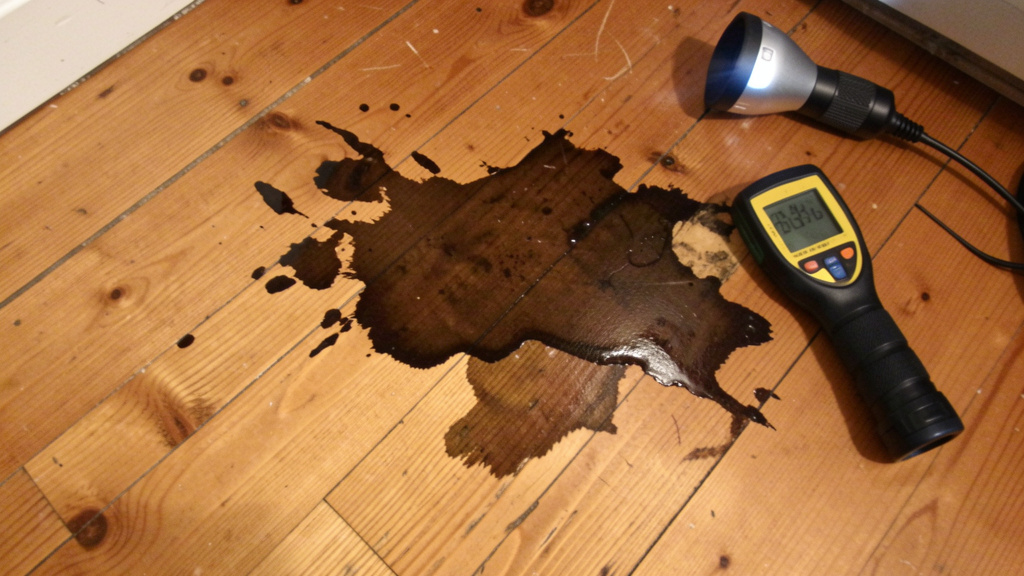
Stop guessing and start solving. This systematic guide walks you through every possible origin of water intrusion using building science principles and observable diagnostic patterns to pinpoint the true source—saving you time, preventing unnecessary repairs, and building confidence before professionals arrive.
Water damage demands thoughtful action, not rushed reactions. Addressing visible symptoms without identifying the true origin often leads to recurring issues, wasted resources, and unresolved vulnerabilities. That ceiling stain isn’t the problem—it’s a clue. This guide delivers a structured diagnostic framework grounded in building science and moisture behavior principles. You’ll learn to interpret water’s physical evidence—stain patterns, material reactions, and environmental context—to trace moisture back to its origin through logical elimination. Whether facing a persistent damp spot, mysterious discoloration, or sudden moisture appearance, this process transforms uncertainty into clear, actionable understanding. Remember: water follows predictable physical laws. It leaves traces. Our role is to observe them carefully.
Introduction
Water moves with purpose, guided by gravity, capillary action, material porosity, and environmental conditions—not randomness. When moisture appears where it shouldn’t, it has traveled a specific path shaped by your home’s construction, climate, and systems. Recognizing this transforms water damage from a source of anxiety into a solvable diagnostic challenge. This methodology draws upon established moisture management principles reflected in industry resources like the IICRC S500 Standard, adapted for homeowner accessibility. Unlike fragmented advice focused solely on repairing damage, this guide centers entirely on the critical phase most overlook: accurate source identification. Why does this distinction matter? Repairing drywall without locating the leak significantly increases the risk of recurrence. Replacing flooring over an undetected plumbing issue may lead to further structural compromise. Insurance documentation built on clear evidence supports stronger claims. This framework empowers you to gather meaningful observations before contractors arrive, ensuring solutions target the true cause—not just the visible effect. Whether you’re observing a subtle discoloration or active moisture, these steps build diagnostic clarity through evidence, not assumption. Water communicates through physical traces. Learning to read them changes everything.
The Source-Tracking Framework: Following Water’s True Path
Forget “Where’s the wettest spot?” That question often leads away from the true origin. Water damage diagnosis requires reversing the flow—logically and systematically. The Path of Least Resistance Framework operates on a foundational building science principle: Water typically follows the path of least resistance, which is not always the shortest visible distance. A roof penetration failure may travel horizontally inside a ceiling cavity before dripping far from the entry point. A minor pipe leak inside a wall may saturate flooring in an adjacent room via subfloor channels. This framework systematically eliminates possibilities while respecting water’s actual behavior. Complete steps in sequence. Skipping ahead risks confirmation bias—the tendency to see expected patterns rather than evidence-based ones.
Step 1: Secure Safety and Document—Before Touching Anything
Why this step is crucial: Safety hazards (electrical, structural, biological) require immediate attention. Simultaneously, the initial state of damage holds critical diagnostic clues later altered by cleanup. Thorough documentation creates a reliable reference for tracking changes, discussing with professionals, or supporting insurance documentation. Rushing this phase compromises safety and erases valuable evidence.
How to do it correctly:
1. Power Down: At the main electrical panel, shut off circuits serving affected areas. If standing water is near outlets, appliances, or light fixtures, shut off power to the entire home. Never handle electrical devices with wet hands or while standing on damp surfaces. Use a non-contact voltage tester to confirm circuits are de-energized before approaching moisture.
2. Assess Structural Risk: Look for ceiling bulges (indicating trapped water weight), significant sagging, or cracked drywall near corners. If a ceiling feels spongy when gently pressed with a broom handle (from a safe distance below), avoid the area and seek professional assessment before entry.
3. Document Meticulously: Use your smartphone camera in well-lit conditions. Capture:
* Wide shots showing room context (e.g., “Stain centered 2ft left of north-facing window”)
* Medium shots of the damage area with a ruler, coin, or common object for scale
* Close-ups of texture, color gradients, material separation, or residue
* Short video panning slowly across the area while calmly noting observations (“Dark ring expanding outward, ceiling texture bubbling at edges”)
* Timestamp all media. Note ambient conditions: recent precipitation? HVAC operation? Appliance cycles?
4. Create a Damage Log: In a notes app or journal, record:
* Date/time first noticed
* Exact location (room, wall orientation, proximity to fixtures, windows, or exterior)
* Observed changes over time (e.g., “Stain expanded after sustained rainfall”)
* Weather conditions preceding discovery
* Recent home activities (new installations, maintenance, pressure washing)
Common mistakes to avoid:
* Cleaning first: Removing surface moisture erases flow patterns critical for tracing direction.
* Assuming cause prematurely: Labeling it “just condensation” without documentation limits future verification.
* Poor lighting during photos: Shadows hide texture clues. Use a flashlight held parallel to the surface (raking light) to reveal subtle bulges or depressions invisible under overhead light.
* Ignoring adjacent areas: Photograph closets, hallways, attic access points, or crawl space entrances near the damage. Water often manifests far from its entry point.
The Fundamental Principle: The most valuable diagnostic evidence exists in the initial state—before intervention alters the scene. Treat the area with the care of a careful observer: document thoroughly, secure safely, then proceed.
Step 2: Map the Damage Pattern—Decoding Water’s Signature
Water leaves distinct physical evidence based on its source, volume, duration, and travel path. Learning to interpret these patterns shifts diagnosis from speculation to evidence-based reasoning. This step focuses on what the materials show, not what we assume.
How to do it correctly:
1. Identify the Stain Profile: Examine shape, edges, color, and texture:
* Feathered Edges (Soft, Gradual Fade): Suggests slow, intermittent moisture exposure (e.g., recurring roof penetration during rain, gradual condensation buildup). Water wicks gradually through porous materials.
* Hard, Defined Edges (Sharp Boundary): Indicates a more sudden moisture event (appliance overflow, supply line issue). Saturation occurred rapidly before significant wicking.
* Concentric Rings (Bullseye Pattern): Often signals repeated wetting and drying cycles—common with intermittent roof issues or seasonal condensation patterns.
* Yellow/Brown Staining: Typically indicates organic compounds (wood tannins, insulation binders) leaching through drywall due to prolonged moisture exposure. A strong indicator of hidden, ongoing moisture presence.
* White, Chalky Residue (Efflorescence): On masonry or concrete? Mineral salts deposited as moisture evaporates. Confirms moisture movement through foundation elements.
* Dark Speckling Within Stain: May indicate early microbial growth. Suggests moisture has been present long enough for biological activity (typically beyond 48 hours under favorable conditions).
-
Trace the Gradient: Use a gloved finger or moisture meter to assess dampness progression. Water moves away from the source. The driest edge of the affected area often points toward the origin. Example: A ceiling stain driest near the exterior wall likely originated outside that wall (roof, flashing, siding). Driest near the room’s center? Source may be plumbing above in the attic or upper floor.
-
Note Material Reactions:
- Drywall: Bubbling, sagging, or soft spots indicate saturation depth. Pinprick moisture beads signal active moisture behind the surface.
- Wood: Warping, cupping (edges curling up), or dark streaking along grain reveals moisture direction and duration. Cupping on a floorboard’s top surface suggests moisture rising from below. Cupping on the bottom suggests moisture exposure above.
- Paint/Finish: Blistering indicates moisture trapped between layers. Peeling at edges suggests capillary wicking from adjacent materials.
Pattern Recognition Guide: Evidence-Based Clues
| Observed Pattern | Likely Pathway Clues | Next Investigation Focus |
|---|---|---|
| Feathered stain on ceiling near exterior wall corner | Roof penetration failure OR ice dam backup (cold climates) | Attic space above stain; roof slope and penetrations above that wall section |
| Hard-edged stain centered under bathroom | Supply line connection, fixture seal, or drain issue | Subfloor beneath bathroom; ceiling cavity directly below |
| Vertical streak on interior wall (not exterior) | Condensation on cold pipe OR hidden drain issue | Wall cavity near plumbing stack; attic pipe runs; humidity levels |
| Efflorescence + damp baseboard on basement wall | Groundwater movement OR drainage system issue | Exterior foundation at same location; grading, gutter function, window wells |
| Circular stain around recessed light | Condensation in housing OR roof penetration channeled to fixture | Attic insulation around fixture; roof penetration above |
| Warped flooring near exterior door | Threshold seal compromise OR cladding issue behind trim | Door sill condition; exterior cladding at head and jambs; grading outside |
Common mistakes to avoid:
* Focusing only on the wettest spot: The epicenter of visible damage is rarely the source. Always map the entire affected area’s gradient and edges.
* Ignoring seasonal or usage patterns: A stain appearing only during specific weather (driving rain from a certain direction) or appliance use points strongly to context-dependent causes.
* Misreading condensation: Condensation forms on the coldest surface in a humid environment. A damp window sill isn’t “leaking”—it may reveal inadequate ventilation or insulation. Confirm with a hygrometer (sustained indoor humidity >60% combined with cold surfaces increases likelihood).
* Overlooking secondary pathways: Water from an initial source (e.g., roof penetration) may saturate attic insulation, which then releases moisture onto ceiling drywall hours later, creating a misleading impression of an active leak long after rain stops.
Step 3: Trace Upward and Backward—Following the Trail
Armed with your damage map, reverse-engineer water’s journey. This step requires methodical movement through interconnected spaces—attic, crawl space, adjacent rooms—while maintaining attention to directional clues and construction pathways.
How to do it correctly:
1. Start at the Damage Site: Stand directly below or adjacent to the documented area. Note compass direction (use a phone app). Is the stain on a north-facing wall? South-facing? This informs sun exposure, wind-driven rain potential, and typical pipe locations.
2. Move Vertically First:
* For ceiling stains: Go to the attic space above the stain location. Bring a bright flashlight. Look upward along the roof slope corresponding to the interior stain. Check for:
* Discoloration or staining on roof sheathing (plywood) directly above the ceiling area
* Wet, compressed, or matted insulation (loss of loft indicates moisture exposure)
* Rust patterns on nail heads protruding through sheathing (may indicate condensation or leak—context matters)
* Visible light penetrating around roof penetrations (vents, chimneys) suggesting compromised flashing
* For wall stains: Access the space behind the wall if possible (closet, adjacent room, garage). Tap gently—hollow or soft sounds may indicate cavity saturation. Check baseboards for separation from the wall (suggesting capillary rise).
3. Follow Material Pathways: Water exploits construction gaps. Trace potential channels:
* Along electrical wire runs (moisture can wick along cables)
* Through plumbing chases (vertical gaps around pipes)
* Inside HVAC ductwork (condensate or moisture channeled through vents)
* Beneath flooring underlayment (water travels under resilient flooring to low points)
4. Check “Upstream” Fixtures: For stains below moisture-prone areas:
* Inspect supply line connections under sinks (corrosion, moisture on valves)
* Check toilet base for stability and seal integrity (gentle rocking may indicate issues)
* Run water in sink/tub while observing drain pipes below for moisture
* Feel around shower/tub enclosure edges for softness or compromised sealant
5. Exterior Correlation: Go outside. Stand at the ground-level point corresponding to your interior observation. Look upward along the wall:
* Are there roof valleys, dormers, or chimneys above this spot?
* Is siding cracked, warped, or missing near windows/doors?
* Are gutters clogged, separated, or discharging too close to the foundation?
* Is landscaping graded toward the foundation at this location?
Critical Technique: The Flashlight Sweep
In dim spaces (attic, crawl space), hold your flashlight parallel to surfaces (raking light). This reveals subtle textures invisible under direct light: slight bulges indicating trapped moisture, hairline cracks, compressed insulation paths. Sweep slowly. Pause at anomalies. Water leaves micro-trails—a single darkened wood fiber, a rust speck on a nail.
Common mistakes to avoid:
* Stopping at the first clue: Finding damp insulation in the attic doesn’t confirm a roof penetration. That moisture could originate from interior humidity sources (e.g., unvented bathroom fan) causing condensation. Verify the origin of the attic moisture.
* Ignoring air movement and ventilation: In colder months, warm, moist indoor air escaping into a cold attic can condense on roof sheathing, mimicking a roof leak. Check for blocked soffit vents, missing baffles, or interior air leaks (recessed lights, attic hatches). Condensation stains are often diffuse; leak stains are typically localized under specific penetrations.
* Assuming “it must be the roof” for ceiling stains: A significant portion of suspected roof leaks are later traced to plumbing, condensation, or other sources. Always verify attic evidence before concluding roof involvement.
* Neglecting the crawl space: For first-floor observations, the crawl space is as critical as the attic. Check foundation walls, plumbing pipes, and vapor barrier condition.
Step 4: Test and Eliminate—Controlled Verification
Hypotheses require validation. This step uses targeted, low-risk tests to support or rule out suspected sources. Prioritize non-invasive methods. Avoid destructive testing (cutting drywall) without strong preliminary evidence.
How to do it correctly:
1. The Isolation Test (Plumbing):
* Shut off the main water supply valve.
* Monitor the area for 24–48 hours. Does visible moisture progression stop? If YES, the source is likely within the home’s pressurized plumbing system. If NO, the source may be external (roof, foundation), drain-related (which holds residual water), or condensation.
* To isolate further: Restore main water. Shut off valves under specific fixtures. Monitor. If progression correlates with isolating a particular fixture’s valve, that fixture’s supply line warrants closer inspection.
2. The Simulated Rain Test (Roof/Exterior):
* Only attempt if safe, weather permits, and you can do so without roof access. Have one person inside monitoring the area. Another uses a garden hose outside.
* Start spraying lowest on the wall/roof section (e.g., gutter area). Wait 10–15 minutes. No interior change? Move spray upward incrementally (siding joints, window trim, roof edge). Crucially: Stop spraying immediately when interior moisture appears. The last sprayed area is the likely failure point. Never spray the entire roof at once—you’ll obscure the exact location.
* Safety First: Use extreme caution on ladders. Do not walk on roofs. If safe access isn’t possible, this test is best left to professionals.
3. The Condensation Check:
* Tape a 12″x12″ sheet of clear plastic tightly to the dry side of a suspect wall or window pane.
* Wait 24 hours. If moisture appears between the plastic and wall, moisture is likely coming from within the wall cavity. If moisture appears on the room side of the plastic, indoor humidity is condensing on the cold surface (ventilation or insulation issue).
4. Moisture Meter Validation:
* Use a pinless (non-invasive) moisture meter to scan surfaces beyond visible damage. Move systematically outward from the affected area.
* Note relative readings: Track the gradient—readings should generally decrease as you move away from the suspected source path. Unexpected elevated readings in “dry” areas reveal hidden travel routes.
* Calibration Tip: Test a known-dry area of the same material first to establish a baseline reading.
Common mistakes to avoid:
* Over-testing: Spraying large roof sections guarantees water finds a path in—but not the path responsible for your specific issue. Targeted, incremental testing is diagnostic; broad spraying is destructive and inconclusive.
* Ignoring test timing: Simulated rain tests require patience. Water may take significant time to travel through cavities. Rushing leads to false negatives.
* Misinterpreting moisture meter readings: Readings vary by material density and type. Surface moisture (condensation) can give temporarily elevated readings—wipe surface dry first if condensation is suspected.
* Testing without monitoring: Never run a hose test alone. You need real-time interior observation to correlate spray location with moisture appearance.
The Fundamental Principle: Diagnosis gains confidence when you can consistently observe symptom correlation with a specific condition and see changes when that condition is altered. Until verification occurs, maintain an open, evidence-based perspective.
Room-by-Room Diagnostic Deep Dives: Applying the Framework
Generic advice fails because water exploits unique vulnerabilities in each space. This section translates the core framework into focused protocols for high-risk zones. Follow the sequence: Document → Map Pattern → Trace → Test.
Attic and Roof Intrusions: Beyond Surface Assumptions
Attic investigations require distinguishing between actual roof penetration and interior moisture migration (condensation). What appears as a leak often stems from ventilation issues or humidity sources.
Critical First Questions:
* Is the discoloration directly below a roof penetration (vent pipe, chimney, skylight)?
* Is the attic adequately ventilated? (Check soffit vents for blockage, ridge vent presence)
* Is there visible frost or heavy moisture on rafters during cold weather?
* Is bathroom/kitchen exhaust venting into the attic instead of outside?
Step-by-Step Attic Protocol:
1. Safety First: Wear an N95 respirator, safety goggles, and gloves. Place sturdy boards across joists to distribute weight and avoid stepping through drywall. Use a bright LED headlamp.
2. Scan for Evidence: Shine light upward along the roof slope above the interior observation. Look for:
* Discoloration on Sheathing: Dark, irregular patches on plywood. Trace toward the highest point of staining.
* Matted Insulation: Wet fiberglass loses loft, appears dark and compressed. Follow the path upward.
* Rust Patterns: On nail heads. Uniform rust across a slope may suggest condensation; isolated rust under a penetration suggests localized moisture entry.
* Light Penetration: During daylight, look for pinpricks of light around penetrations—indicates compromised flashing or seals.
3. Differentiate Leak vs. Condensation:
* Penetration Evidence: Localized staining directly under a roof penetration; debris (shingle granules) in insulation below; water droplets on sheathing during/after rain.
* Condensation Evidence: Widespread moisture/frost on north-facing slopes (coldest surfaces); staining near unsealed recessed lights or attic hatch; heavy frost on rafters with no corresponding roof penetration above.
4. Check Ventilation Pathways: Blocked soffit vents prevent cool air intake. Warm, moist attic air contacts cold sheathing → condensation. Verify baffles (rafter vents) are installed and clear of insulation.
5. Examine Penetrations Meticulously:
* Pipe Boots: Rubber collars around vent pipes crack with age. Look for cracks, separation, or missing sealant.
* Chimneys: Flashing should be integrated under shingles. Look for lifted edges, rust holes, or gaps at mortar joints.
* Valleys: Where roof planes meet. Check for missing granules, cracked shingles, or debris buildup.
* Ice Dams (Cold Climates): Discoloration located at the roof edge (eaves). Caused by heat loss melting snow higher up; water refreezes at cold eaves, backing up under shingles. Evidence: Staining along eave line; icicles forming above the interior observation point.
Illustrative Scenario: A homeowner noticed ceiling discoloration in a hallway after rain. Attic inspection showed damp insulation below the stain. Initial assumption: roof penetration. Further tracing revealed the damp path led toward a bathroom exhaust fan venting into the attic. Warm, moist air from showers condensed on cold roof sheathing, dripped onto insulation, and saturated the ceiling below. Solution: Redirect exhaust fan through the roof with proper insulated ducting. This correct diagnosis avoided unnecessary roof work and addressed the actual moisture source.
Common Pitfalls:
* Focusing only on shingles: The majority of roof-related moisture issues originate at penetrations (flashing failures), not the shingle field itself. Prioritize inspection at transitions and penetrations.
* Overlooking interior humidity sources: Uncovered crawl space vents, excessive indoor humidity, or unvented appliances contribute moisture to attic air.
* Seasonal misdiagnosis: Assuming all cold-weather attic moisture is from roof penetration. Condensation is common in poorly ventilated attics during temperature transitions.
Bathroom Mysteries: Plumbing vs. Fixture Failures
Bathrooms concentrate multiple moisture sources. Precision in isolation is essential—a floor observation could stem from the toilet, shower, sink, or hidden pipes.
Pattern Decoding Guide:
* Discoloration centered under toilet: Wax ring seal issue OR cracked toilet base. Test: Place food coloring in tank. Wait 15 mins. Color in bowl without flushing = flapper issue (not floor source). Color on floor around base = seal or base issue.
* Discoloration spreading from shower curb: Compromised pan liner (water trapped under tile) OR failed sealant at wall-floor joint. Test: Seal shower floor grout lines with painter’s tape. Run shower briefly. If discoloration progresses, leak is likely behind walls (supply or drain). If no change, issue is likely at the floor seal.
* Vertical streak on wall behind sink: Supply line connection OR drain trap issue. Test: Wipe area dry. Place paper towel under supply lines and drain trap. Run water. Check towel for moisture location.
* Soft floor near tub: Failed caulk at tub-wall joint allowing water behind surround OR leaking overflow pipe. Test: Fill tub to just below overflow. Mark water level. Wait one hour. Drop in level suggests overflow issue. No drop + persistent dampness suggests wall joint failure.
Advanced Technique: The Toilet Stability Check
Shut off water, flush to empty tank. Place hands on toilet bowl at 3 and 9 o’clock. Gently rock side-to-side. Any movement (even slight) may indicate compromised seal or floor flange. Moisture can escape with each flush, traveling under flooring. Note: Leaving a small gap (approx. 2 inches) at the rear of the toilet base caulk allows for leak detection; fully sealing traps moisture underneath.
Hidden Consideration: Shower Pan Integrity
Modern showers use a waterproof membrane under tile. If compromised during installation or over time, water pools under the tile, saturating subfloor. Symptoms: Persistent dampness, musty odor, floor feels spongy only when standing in shower. Diagnosis often requires professional moisture mapping. Do not ignore—this can lead to significant structural compromise over time.
Common Pitfalls:
* Assuming “it’s the shower” for any bathroom floor observation: Toilet seal issues are equally common. Isolate fixtures systematically.
* Overlooking supply line connections: Flexible supply lines can degrade. Check for bulges, corrosion at connections, or moisture on lines.
* Ignoring the overflow: Tub and sink overflows have hidden pipes prone to connection issues behind walls. Water travels down inside the wall cavity.
Kitchen Conundrums: Appliance Leaks and Hidden Pipes
Kitchens combine plumbing, appliances, and often exterior walls—creating complex diagnostic scenarios. A cabinet observation could originate from the sink, dishwasher, refrigerator, or even above.
Appliance-Specific Protocols:
* Dishwasher: Leaks often occur at the door seal (visible pooling) or supply/drain hoses underneath. Test: Pull dishwasher out slightly (disconnect power first!). Inspect hoses for cracks, loose clamps. Run a short cycle while observing. Worn door gaskets are a frequent cause of spray escape.
* Refrigerator (with ice/water): Leaks often stem from the water supply connection at the back or internal reservoir. Test: Shut off the refrigerator’s water valve (usually under sink). If moisture progression stops, source is likely fridge-related. Check floor under fridge for slow drip patterns.
* Sink: Focus on the P-trap (U-shaped pipe). Corrosion, loose slip nuts, or cracks cause drips. Test: Place dry paper towels under all connections. Run water for two minutes. Check towels for moisture location. Also inspect supply lines at faucet base—vibration can loosen connections over time.
Cabinet Clue Interpretation:
* Observation on bottom of base cabinet under sink: P-trap or supply line connection.
* Observation on side wall of cabinet near floor: Dishwasher hose connection OR leak from adjacent space above.
* Observation on top of base cabinet (under countertop): Failed sealant at sink rim allowing water behind countertop OR issue with window above sink.
* Musty odor with no visible stain: Hidden moisture inside cabinet wall cavity. Use moisture meter on cabinet back panel.
Critical Check: Window Headers Above Sinks
Many kitchen sinks sit below windows. Water infiltrating through compromised window flashing or cladding travels down inside the wall, saturating the cabinet top and sides. Inspect exterior window trim for cracks, missing caulk, or damaged flashing. Check interior window sill for softness or peeling paint.
Common Pitfalls:
* Blaming the dishwasher for all floor moisture: Refrigerator lines or sink leaks are frequent culprits. Isolate appliances methodically.
* Ignoring slow drips: A minor drip can cause significant cumulative damage. Check under appliances periodically.
* Overlooking garbage disposal connections: Inlet connections (sink drain, dishwasher hose) are common failure points. Shine a light upward while running water.
Basement and Foundation Intrusions: Groundwater vs. Surface Water
Basement moisture diagnosis requires understanding hydrostatic pressure, grading, and drainage. Confusing condensation with penetration leads to misdirected efforts.
Pattern Differentiation:
* Efflorescence (white powder) + damp patch on foundation wall: Moisture moving through concrete due to hydrostatic pressure or cracks. Often worse after heavy rain.
* Dampness concentrated at floor-wall joint: Hydrostatic pressure at footing OR drainage system issue.
* Uniform dampness on entire wall surface, no efflorescence: Condensation (warm humid air contacting cold foundation wall). Often worse in humid seasons. Test: Tape plastic sheet to wall. Moisture on room side of plastic = condensation.
* Observation directly below window well: Clogged window well drain OR water pooling in well during rain.
* Puddle in specific low spot on floor: Cracked slab OR perimeter drainage issue allowing moisture under foundation.
Exterior Investigation Checklist (Essential):
1. Grading: Soil should slope away from foundation (minimum 6 inches over 10 feet). Flat or negative grading directs water toward foundation.
2. Gutters & Downspouts: Are downspouts extended at least 6 feet from foundation? Are gutters clear of debris? Overflow directs water against foundation walls.
3. Window Wells: Are drains clear? Is the well liner intact? Debris blocks drainage.
4. Cracks: Hairline cracks in poured concrete are often cosmetic. Wider cracks, especially horizontal or stair-step patterns in block walls, warrant professional assessment for structural implications.
5. Sump Pump: Is the pit functioning? Check discharge line for kinks/blockages. Test by adding water to pit—pump should activate.
Interior Diagnostic Steps:
* Map Moisture Gradient: Use moisture meter on foundation wall. Readings highest at bottom? Points to groundwater ingress. Highest mid-wall? Points to condensation or wall penetration.
* Check Interior Drain System: If present, inspect perimeter channels. Standing water indicates pump issue or overwhelmed system.
* Inspect Floor Joists: In unfinished basements, check wood joists where they meet foundation wall. Dark staining or soft wood indicates chronic moisture exposure.
Illustrative Scenario: A homeowner noticed damp baseboard on a basement wall. Exterior inspection revealed a downspout discharging directly against the foundation. Interior moisture meter showed elevated readings only within two feet of that downspout location. Solution: Install a downspout extension directing water away. Dampness resolved quickly. This simple, low-cost fix avoided unnecessary foundation repairs.
Common Pitfalls:
* Installing interior sealants without addressing exterior causes: Sealing interior walls can trap moisture within concrete, potentially accelerating deterioration. Prioritize exterior water management.
* Misdiagnosing condensation as penetration: Running a dehumidifier may reduce condensation-related moisture. If the observation diminishes with dehumidification, humidity—not groundwater—is the primary factor.
* Ignoring seasonal patterns: Dampness only during spring thaw points to groundwater. Only during humid summer months points to condensation.
Exterior Walls and Siding Failures: The Silent Intruder
Water penetrating cladding often travels significant distances inside wall cavities before appearing indoors. Diagnosis requires correlating interior observations with exterior vulnerabilities.
Key Vulnerability Zones:
* Window and Door Headers: Flashing failures above openings are a leading cause of wall moisture issues. Water enters at the top of the frame, travels down inside the wall.
* Cladding Joints and Penetrations: Cracked siding, missing pieces, or unsealed utility lines (cable, gas) create entry points.
* Kickout Flashing Absence: Where roof edge meets a sidewall (e.g., dormer), missing “kickout” flashing directs roof runoff behind cladding instead of into the gutter.
* Housewrap Installation: During construction, weather-resistant barriers must overlap correctly. Improper lapping can channel water inward.
Diagnostic Protocol:
1. Interior Clue Mapping: Note exact location of observation relative to windows, outlets, or corners. Is it directly below a window? Beside an electrical outlet?
2. Exterior Correlation: Stand outside at the corresponding location. Inspect meticulously:
* Windows/Doors: Probe caulk with fingernail. Crumbly or missing caulk = potential failure. Check for cracked glass or failed glazing.
* Cladding: Look for cracks, holes, or separation at seams. Press gently near observation location—soft spots may indicate deterioration behind.
* Roof-Wall Intersections: Verify kickout flashing exists where roof meets wall. Look for water stains on cladding below the intersection.
* Utility Penetrations: Check seals around pipes, wires, or vents entering the wall.
3. Targeted Water Test: With a helper monitoring interior, spray only the suspected area (e.g., window header) for 5–10 minutes. Wait. Repeat incrementally upward/downward until interior moisture appears. Critical: Start spraying below the suspected point and move up. Water entering at the top will manifest lower inside.
Material-Specific Considerations:
* Stucco: Cracks wider than hairline allow water entry. Efflorescence on surface indicates moisture movement. Probe cracks carefully—soft substrate behind suggests deterioration.
* Brick Veneer: Mortar joints deteriorate over time. Tuckpointing (replacing mortar) is essential. Check weep holes (small gaps at bottom course) are clear—blocked weep holes trap water behind brick.
* Vinyl/Aluminum: Loose panels allow wind-driven rain behind. Check nailing patterns—panels should allow slight movement for expansion.
Common Pitfalls:
* Assuming “the siding is fine” because it looks intact: Water enters through microscopic gaps invisible to casual inspection. Focus on transitions, penetrations, and flashing details.
* Overlooking wind-driven rain patterns: Issues often occur on windward sides of the house during storms. Note prevailing wind direction when observations appear.
* Ignoring interior vapor management: In some climates, interior vapor barriers combined with non-breathable exterior cladding can trap moisture within walls, requiring different remediation approaches.
HVAC and Appliance Condensation: The Invisible Source
Not all moisture issues stem from external leaks. Condensation from HVAC systems, ductwork, or appliances creates significant moisture problems often misdiagnosed as plumbing failures.
High-Risk Scenarios:
* AC Evaporator Coil Drain Pan Overflow: Clogged condensate drain line causes water to pool in pan, overflow onto ceiling below. Symptoms: Water near ceiling register only when AC runs; musty odor from vents.
* Ductwork Condensation: Cold supply ducts in humid attics/crawl spaces develop condensation if uninsulated or poorly sealed. Water drips onto insulation or ceilings below. Symptoms: Observations directly under duct runs; rust on duct joints.
* High-Efficiency Furnace Condensate: These units produce liquid condensate requiring proper drainage. Clogged drain line or failed pump causes overflow. Symptoms: Puddle near furnace; moisture tracking across floor.
* Clothes Dryer Vent Condensation: Long, poorly insulated dryer vents in cold spaces cause moisture to condense inside duct, dripping at low points. Symptoms: Water pooling under dryer vent pipe in crawlspace; damp insulation around duct.
Diagnostic Steps:
1. Correlate with System Operation: Does moisture appear only when AC runs? Only during heating season? Only after dryer use? Timing is critical evidence.
2. Inspect Drain Lines: Locate primary and secondary condensate drain lines. Check for kinks, blockages, or disconnected hoses. Pour a small amount of water down the line to test flow.
3. Check Pan and Pump: For AC units, inspect drain pan for debris. Test condensate pump (if equipped) by adding water to reservoir—pump should activate.
4. Examine Ductwork: In attics/crawl spaces, look for water droplets on ducts, rust at seams, or wet insulation beneath duct runs. Feel duct insulation—dampness indicates condensation.
5. Verify Vent Termination: Dryer and bathroom exhaust vents must terminate outside the building envelope. Vents dumping into attics or crawl spaces deposit significant moisture.
Prevention Protocol:
* Install condensate drain line alarms that alert when overflow is detected.
* Insulate cold ductwork in unconditioned spaces with appropriate closed-cell foam insulation.
* Clean AC condensate drain lines periodically with a vinegar solution.
* Ensure dryer vents are as short and straight as possible, and insulated if passing through cold spaces.
Common Pitfalls:
* Blaming roof issues for AC-related ceiling observations: Observations directly under air handler or duct runs point strongly to condensation, not roof penetration.
* Ignoring secondary drain lines: Many systems have emergency overflow pans. If the primary drain clogs and the secondary pan lacks a functional drain line, water can flood the area. Verify secondary drainage.
* Assuming “duct sweating is normal”: Condensation indicates an imbalance—either inadequate insulation or excessive humidity—both addressable conditions causing cumulative damage.
Advanced Scenarios and Friction Points: When Diagnosis Gets Complicated
Even meticulous application of the framework encounters nuanced situations. These require heightened awareness of diagnostic traps and strategic escalation protocols.
The Intermittent Observation: Elusive Patterns
Symptoms appear sporadically—after specific weather, appliance cycles, or times of day—then vanish. This challenges diagnosis but follows predictable triggers.
Systematic Approach:
1. Log Meticulously: Create a dedicated log. Record:
* Date/time symptom appears/disappears
* Weather conditions (precipitation, wind direction, temperature/humidity)
* Appliance usage (dishwasher cycle start, AC runtime)
* Water usage patterns (showers, laundry)
* Photos at peak visibility
2. Identify Triggers: Patterns emerge over multiple occurrences. Example: Observation appears only during strong winds from a specific direction combined with rain. Points to wind-driven rain penetration. Appears 15 minutes after dishwasher starts. Points to supply/drain connection vibration.
3. Deploy Passive Monitoring:
* Moisture Sensors: Place wireless sensors in suspect areas. They alert when moisture is detected, capturing elusive events.
* Time-Lapse Documentation: Set a camera to take periodic photos of the area. Review to pinpoint exact onset time correlated with external factors.
* Absorbent Material Test: Tape dry paper towels to suspect surfaces (under sink, behind toilet). Check after 24 hours for subtle moisture transfer.
4. Controlled Trigger Testing: Once a trigger hypothesis forms, safely replicate conditions. Suspect wind-driven rain? Use a fan blowing toward the suspect wall joint while spraying with hose (with interior monitoring). Suspect dishwasher vibration? Run an empty cycle while observing supply lines.
Critical Mindset: Intermittent issues are not imaginary. They reflect specific conditions required for the symptom to manifest (e.g., a connection leaks only under high water pressure). Patience and consistent data collection are essential.
The “Dry” Observation: Historical Damage vs. Active Threat
You discover an old, dry water stain with no current moisture. Is it a resolved past issue or a dormant threat? Misjudging this leads to unnecessary concern or dangerous complacency.
Assessment Protocol:
1. Texture and Color Analysis:
* Fully Dry, Hard Edges, No Texture Change: Likely historical. Paint may be discolored, but material feels solid. Lower immediate concern.
* Slightly Soft Area, Faint Musty Odor, Discolored Paint: Indicates residual moisture history or past microbial activity. Requires moisture meter verification.
* Visible Microbial Growth (fuzzy, colored patches): Even if surface feels dry, growth indicates moisture was present recently. Requires assessment.
2. Moisture Meter Scan: Take readings across the area and 12 inches into surrounding “dry” material. Consistently low readings confirm historical damage. Elevated readings at the center indicate trapped moisture or recurring issue.
3. Gentle Probe: Use an awl on an inconspicuous spot within the area. Does it penetrate easily? Soft, crumbly material indicates past saturation damage requiring evaluation. Solid resistance suggests surface-only staining.
4. Search for Recurrence Clues: Check directly above/beside the area for newer, smaller observations. A large old stain with a tiny fresh spot at its edge signals recurring moisture along the same path.
5. Determine Root Cause Resolution: If historical, verify the source was addressed. Found an old roof-related stain? Confirm roof repairs were completed after the stain appeared. If the source remains unaddressed, the “dry” observation is a warning sign.
Action Thresholds:
* Monitor Only: Fully dry, hard texture, meter confirms dryness, source verified resolved. Document location for future reference.
* Investigate Further: Any softness, odor, elevated readings, or unverified source history. Proceed with framework tracing steps.
* Seek Assessment: Visible microbial growth, structural softness, or active moisture. Address moisture source first, then evaluate damage.
When to Seek Professional Assessment: Defining the Boundary
Self-diagnosis has limits. Knowing when to escalate protects safety, home integrity, and resources. This is strategic resource allocation, not failure.
Clear Escalation Triggers:
* Electrical Hazards: Moisture near panels, outlets, or major appliances. Do not touch. Evacuate area if unsafe, shut off main power if safe to do so, contact a licensed electrician.
* Structural Concerns: Significant sagging ceilings/floors, large cracks in load-bearing walls, foundation shifts. Evacuate if severe. Contact a structural engineer.
* Suspected Sewage Contamination (Category 3 Water): Backups from toilets, floor drains, or sewer lines. Contains harmful pathogens. Do not enter area. Shut off water if safe. Contact a certified water restoration professional specializing in sewage remediation. Never attempt DIY cleanup.
* Extensive Microbial Growth: Visible growth covering significant area (>10 sq ft) or within HVAC systems. Requires professional remediation to prevent spore spread.
* Source Remains Elusive: You’ve documented, mapped, traced, and tested per this guide for several days with no conclusive source identified. Continuing without progress risks further damage.
* Insurance Claim Preparation: Many insurers require documentation from a certified professional for significant claims. Their diagnostic report carries weight.
Choosing the Right Professional:
* For Source Identification Only: Hire an independent home inspector specializing in moisture diagnostics (not affiliated with repair contractors). They provide an unbiased source assessment. This cost is often worthwhile to avoid biased repair estimates.
* For Immediate Mitigation + Diagnosis: Contact an IICRC-certified water restoration company (look for WRT certification). They address active damage while diagnosing. Ensure they provide written source diagnosis before authorizing repairs.
* Avoid: Contractors who diagnose and propose repairs without independent verification. “We found the leak—now we need significant repairs” without separate documentation is a red flag. Seek source diagnosis documented independently.
Professional Tools They May Use (For Context):
* Thermal Imaging: Detects temperature differentials that may indicate hidden moisture (requires correlation with moisture meter).
* Borescope: Flexible camera inserted through small openings to view inside wall cavities non-invasively.
* Advanced Moisture Meters: Pin-type meters measure moisture at specific depths; hygrometers assess ambient humidity critical for condensation diagnosis.
* Tracer Dyes: Non-toxic dyes used in drain lines to visually confirm leak locations in complex plumbing.
Navigating Insurance Documentation: Evidence is Essential
How you document before contacting insurance shapes claim outcomes. Insurers may question claims lacking clear evidence linking damage to a specific, covered event.
Pre-Claim Documentation Checklist:
1. Event Timeline: “Discovered moisture observation on living room ceiling at 3:00 PM on October 26. Heavy rain with northwest winds occurred from 10:00 AM to 2:00 PM that day. No prior history of moisture in this area.”
2. Photographic Evidence Chain:
* Photo 1: Wide shot showing location relative to room features
* Photo 2: Close-up with ruler showing size
* Photo 3: Attic view directly above showing corresponding evidence
* Photo 4: Exterior view showing potential source area (e.g., chimney flashing)
* Photo 5: Weather app screenshot showing rainfall totals/wind for the date
3. Source Assessment Summary: “Based on damage pattern (feathered edges near exterior wall), attic evidence (discoloration on sheathing under chimney flashing), and correlation with weather event, source assessed as compromised chimney flashing allowing moisture intrusion during storm on 10/26.”
4. Mitigation Steps Taken: “Placed container under drip, relocated furniture, documented thoroughly. Contacted licensed roofer for temporary protection on 10/26. Obtained written assessment for repair.”
5. Maintenance Records: Provide receipts for recent roof inspections, gutter cleaning, or HVAC servicing demonstrating reasonable maintenance. Counters potential “lack of maintenance” considerations.
Critical Communication Tips:
* Use Precise Language: Say “moisture intrusion due to compromised flashing” rather than “the roof is leaking.” Specifies cause.
* Stick to Documented Facts: Avoid speculation like “I think it’s been leaking for months.” State: “Observation first documented on 10/26; attic evidence showed recent moisture presence with no prior documentation.”
* Request Written Confirmation: After filing a claim, email the adjuster: “Per our conversation, claim #XXXXX filed for moisture damage assessed as originating from chimney flashing compromise during storm on 10/26. Attached are documentation photos and roofer assessment. Please confirm receipt and next steps.”
* Understand Policy Language: Review your policy regarding “sudden and accidental” events versus “gradual deterioration.” Your documentation should support the covered scenario.
Your Questions, Answered
Q: I found a small water stain on my ceiling, but it hasn’t grown in two weeks. Should I still investigate?
A: Yes. A static observation often indicates an intermittent source (e.g., a single heavy rain event) or a temporarily sealed entry point. However, moisture trapped within materials creates conditions conducive to microbial growth and material degradation over time. Use a moisture meter to check readings. If elevated (>15%), hidden saturation may exist even if the surface appears dry. Trace to the attic immediately—hidden saturation can compromise drywall integrity. Document thoroughly; if it reappears during the next relevant weather event, you’ll have baseline evidence.
Q: Can I use a regular hairdryer to dry out a small wet spot to prevent mold?
A: No. Surface drying with a hairdryer can seal moisture inside the material, potentially accelerating hidden microbial growth and material breakdown. Proper drying requires moving air through the affected assembly. For small areas (<2 sq ft), use a fan blowing across the surface (not directly at it) combined with a dehumidifier running continuously in the room. Monitor with a moisture meter until readings match unaffected areas. For anything larger, or if moisture is suspected inside a wall/ceiling cavity, professional drying equipment is typically necessary. Microbial growth can begin within 24–48 hours under favorable conditions in trapped moisture.
Q: My moisture meter shows elevated readings on a basement wall, but there’s no visible water or stain. Is this a problem?
A: Yes—this indicates either active moisture movement (groundwater seeping through concrete) or significant condensation. First, perform the plastic sheet test: Tape a 12″x12″ plastic sheet tightly to the wall for 24 hours. If moisture appears on the wall side of the plastic, groundwater is likely penetrating. If moisture appears on the room side, high indoor humidity is condensing on the cold wall. Groundwater penetration requires addressing exterior drainage (grading, gutter extensions) or interior drainage solutions. Condensation requires dehumidification and potentially improving wall surface temperature (insulation). Ignoring elevated moisture readings risks material damage and indoor air quality concerns.
Q: After heavy rain, I see water pooling in my window well. Is this normal?
A: No. Window wells should have a drain at the bottom connected to the foundation drainage system or a gravel base allowing water to percolate away. Pooling water indicates a clogged drain (most common), missing drain, or overwhelmed system. Water sitting against the foundation wall can seep through cracks or the window itself. Immediately remove debris (leaves, dirt) from the well. Pour water down the drain hole—if it doesn’t flow freely, the drain is clogged. Use a plumber’s snake or hose to clear it. If no drain exists, install a window well cover to prevent debris/water entry and consult a foundation specialist about adding drainage. Never ignore pooling water—it’s a direct path for moisture intrusion.
Q: I traced a wall observation to a bathroom above, but all fixtures are dry and there’s no leak under the sink. What’s next?
A: Shift focus to hidden pathways: 1) Check the shower/tub overflow pipe—fill tub to just below overflow, mark water level, wait one hour. Drop in level indicates overflow issue behind wall. 2) Inspect the toilet flange area—remove base molding carefully; look for moisture at floor level around bolts. Perform the stability check described earlier. 3) Verify the bathroom exhaust fan is vented outside, not into the attic/wall cavity above the observation. Moisture from showers condensing in the cavity can drip down. 4) Check supply lines inside the wall—shut off main water, monitor the area for 48 hours. If progression stops, the issue is likely in pressurized plumbing within the wall, warranting professional leak detection.
Q: How do I tell if a dark spot on my drywall is microbial growth or just a water stain?
A: Visual inspection provides clues, but caution is essential. Microbial growth often appears fuzzy, textured, or has distinct color variations (black, green, orange spots). Water stains are usually flat, uniform in color (yellow, brown), and follow a gradient pattern. However, early growth can resemble a stain. Critical safety step: Do not touch or sniff. If the spot is small and you suspect growth: 1) Temporarily cover it with plastic to contain spores. 2) Use a moisture meter—if readings are dry (<12%), it’s likely dormant from past moisture. 3) For confirmation, use a DIY test kit following instructions precisely. If active moisture is present or the spot is large, consult a professional. Never sand or paint over suspected growth—it can spread spores and trap moisture.
Q: My insurance adjuster said the water damage is from “gradual deterioration” and denied my claim. What can I do?
A: This is a common consideration. Your documentation is key. Gather: 1) Photos showing the sudden onset (e.g., observation appeared after a specific storm date), 2) Weather reports confirming the event, 3) Professional assessment report pinpointing a specific failure point (e.g., “compromised flashing failed during wind event on X date”), 4) Maintenance records proving reasonable care (roof inspections, gutter cleaning receipts). Write a formal appeal letter referencing policy language for “sudden and accidental” events. Include your evidence timeline. Request a re-inspection with your independent inspector present. If denied again, file a complaint with your state insurance commissioner’s office—they mediate disputes. Many considerations are reevaluated with robust, clear evidence.
Q: Is it safe to cut a small hole in drywall to check for a leak behind it?
A: Only under strict conditions: 1) Power is confirmed OFF to the area (use voltage tester), 2) You’ve verified no plumbing pipes or wires run through that exact spot (use a stud finder with wire detection), 3) The hole is small (2″x2″) and placed in the least visible location (e.g., inside a closet, high on wall). Use a utility knife carefully. However, this is rarely necessary. Non-invasive methods (moisture meter mapping, professional thermal imaging) are safer and more reliable. Cutting holes without clear evidence often causes additional damage, complicates repairs, and can spread contaminants if present. Reserve exploratory openings for when strong evidence exists and you are preparing for repair.
Q: Why does water sometimes travel horizontally inside walls before dripping down?
A: Water exploits construction pathways through capillary action and material channels. Key mechanisms: 1) Insulation: Wet fiberglass insulation wicks moisture horizontally along its length before dripping at low points. 2) Top Plates: The horizontal wood beam at the top of a wall cavity can channel water along its length. 3) Electrical Wiring: Moisture can travel along cables inside walls. 4) Air Pressure: During wind events, pressure differentials can force moisture through tiny gaps. This is why tracing must follow material pathways upward and laterally—not just vertically. A ceiling observation 10 feet from the exterior wall likely traveled along attic insulation or top plate.
Q: Can high indoor humidity alone cause damage that looks like a leak?
A: Yes—this is frequently misdiagnosed. When warm, humid indoor air contacts cold surfaces (exterior walls in winter, supply ducts, windows), condensation forms. Over time, sustained moisture causes: peeling paint, bubbling wallpaper, warped wood trim, and drywall deterioration that mimics leak damage. Key differentiators: 1) Damage occurs on multiple cold surfaces simultaneously (all north-facing walls, all windows), 2) No directional gradient pointing to a single source, 3) Correlates with high indoor humidity readings (>60%) and cold outdoor temperatures, 4) Plastic sheet test shows moisture on room side of barrier. Solution is dehumidification and improving surface temperature (insulation, storm windows), not leak repair.
Q: How often should I check under sinks and appliances for potential leaks?
A: Incorporate a quick visual check under sinks, behind toilets, and around major appliances (refrigerator with water line, dishwasher) into your monthly home maintenance routine. Look for moisture, corrosion on connections, bulging supply lines, or soft spots on cabinets/flooring. Early detection of minor issues prevents significant damage later. During seasonal transitions (spring/fall), expand checks to include exterior elements like grading, gutter function, and window well drainage.
Q: What’s the single most important thing I can do to prevent misdiagnosis?
A: Document thoroughly before taking any action. Photograph the area from multiple angles with scale references, note weather and appliance usage, and create a simple log. This preserves the initial evidence state, which is often the most revealing. Rushing to clean, dry, or repair erases critical clues. Patience in documentation builds the foundation for accurate diagnosis.
Conclusion and Next Step
Water damage diagnosis is a disciplined process of observation, evidence collection, and logical reasoning—not guesswork or intuition. You now possess a framework to transform uncertainty into clear understanding. The three foundational practices for accurate diagnosis are: document thoroughly before disturbing, map the physical evidence before hypothesizing the source, and verify through controlled observation before committing to solutions. Mastering this process prevents misdirected efforts, empowers informed discussions with professionals, and provides clear documentation when needed. Remember the core principle: water follows physical laws and leaves observable traces. Our role is to observe carefully, interpret contextually, and respond thoughtfully. This knowledge shifts you from reactive concern to proactive stewardship.
The 24-Hour Rule
Within the next 24 hours, complete these two critical actions regardless of observation size:
1. Document: Take timestamped photos of the area from multiple angles (wide, medium, close-up) with a ruler or common object for scale. Note weather conditions and recent home activities in a journal.
2. Secure and Monitor: Place containers under active drips, relocate valuables, and shut off electricity to the area if moisture is near outlets. Place a dry paper towel on the observation and check it periodically for the first few hours—this reveals active moisture movement invisible to the eye.
This simple protocol preserves critical evidence and establishes a baseline for tracking changes. It requires minimal time but prevents irreversible diagnostic errors.
The Big Picture
Every moisture observation is communication from your home about a vulnerability in its envelope, systems, or environment. Addressing the symptom without understanding the root cause risks recurrence. But accurate diagnosis transforms a concern into an opportunity: to reinforce flashing before the next storm, to redirect a downspout before foundation issues escalate, to improve ventilation before condensation causes damage. This mindset shift—from reaction to prevention—builds a more resilient, durable home. You are not just locating a source; you are deepening your understanding of how your home functions as an interconnected system. Carry this curiosity forward. Observe gutter function after rain. Include under-sink checks in monthly routines. Notice how light and weather interact with your home’s surfaces. These small acts of attention compound into profound home stewardship. The goal isn’t just to solve today’s observation—it’s to cultivate awareness that prevents tomorrow’s.
Explore Our Complete System:
Understanding Moisture Meters: A Homeowner’s Guide to Accurate Readings | Preventing Basement Moisture: 7 Exterior Strategies That Make a Difference | Microbial Growth vs. Staining: Identification and Response Guide | The Homeowner’s Documentation Toolkit: Templates for Repairs and Insurance | Attic Ventilation Essentials: Managing Moisture Before It Becomes an Issue | Creating a Home Humidity Management Plan | Knowing When to Seek Help: A Decision Framework for Home Maintenance