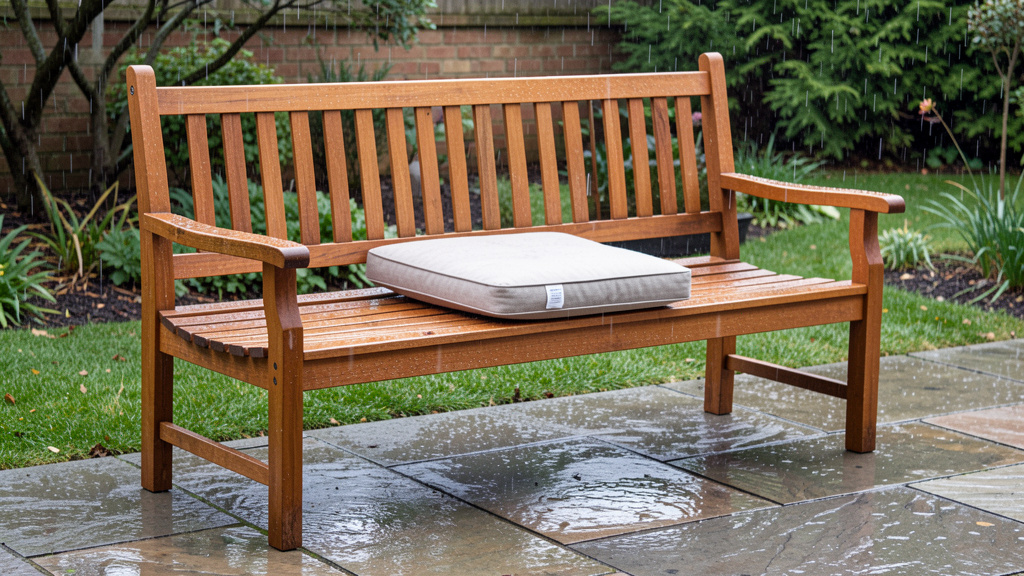
Move beyond seasonal replacements. Discover a clear, adaptable framework to select outdoor furniture designed to harmonize with your local environment, lifestyle, and values—without overpromising or oversimplifying.
Choosing outdoor furniture involves more than aesthetics; it’s about aligning materials with the specific conditions of your space. A piece thriving in a shaded Pacific Northwest garden may struggle on a sun-drenched Arizona patio. Humidity, sun exposure, wind patterns, and even your willingness to maintain items all shape longevity. Too many guides prioritize trends over context, leading to frustration and waste. This guide offers a balanced, research-informed approach—drawing on material science principles, industry testing standards (including ASTM and ISO references where relevant), and practical considerations across diverse environments. You’ll gain clarity to select furniture suited to your reality, creating an outdoor space that remains inviting, functional, and resilient through seasons.
Introduction
Imagine investing in a beautifully woven sectional with plush cushions for your deck. The first season brings joy. By the next spring, subtle signs appear: white residue on the frame after coastal winds, cushions feeling damp longer than expected after rain, or fabric fading unevenly where afternoon sun strikes. These aren’t necessarily signs of poor quality—they often reflect a mismatch between the furniture’s design and the specific conditions of its location. This experience is common, not because of flawed taste, but because selection often begins with style alone, without considering environmental context.
The key insight? Your immediate outdoor environment—not just your regional climate—shapes furniture performance. A north-facing corner under dense tree cover faces different challenges than a south-facing balcony open to sun and wind. Microclimates matter: sun trajectory, nearby water features, tree density, and even building materials create unique conditions. Recognizing these nuances helps set realistic expectations and guides smarter choices.
This guide reframes the process. We move beyond generic “best of” lists toward a practical, adaptable methodology grounded in material behavior, environmental awareness, and honest assessment of your own habits. You’ll learn how different materials respond to stressors like moisture, UV exposure, or temperature shifts; how to interpret product details meaningfully; which maintenance steps genuinely support longevity; and how to align choices with your available time and priorities. References to established standards (such as ASTM G154 for UV exposure testing or ISO 9223 for corrosion contexts) provide touchpoints for deeper exploration. This isn’t about endorsing specific brands—it’s about equipping you with durable knowledge to build an outdoor space that ages with grace and purpose.
The Climate-Aware Framework: Three Steps to Confident Selection
Professionals in landscape and outdoor design often begin with site assessment. We’ve adapted this principle into a straightforward, three-step process to bring clarity to your decision-making. This framework helps narrow options thoughtfully, reducing overwhelm and supporting choices aligned with your space and habits. While environmental factors significantly influence performance, outcomes also depend on material quality, craftsmanship, and ongoing care—variables no single guide can guarantee. This approach simply helps you start with greater awareness.
Step 1: Observe Your Space—Map Your Microclimate
Before browsing styles or prices, spend 15–20 minutes observing your outdoor area. Regional climate labels offer broad context, but your patio, deck, or balcony has unique characteristics. This gentle audit builds foundational awareness:
Sun Exposure Patterns (Relevant for UV and heat considerations):
– Full Sun (6+ hours of direct sun): Common on south or west-facing areas (Northern Hemisphere). Materials benefit from UV-resistant properties: solution-dyed acrylic fabrics (e.g., Sunbrella®), powder-coated aluminum with quality topcoats, or naturally resilient woods like teak. Tip: Use a compass app around midday. Note shadow movement between 9 AM and 4 PM to identify partial-shade zones.
– Partial Shade (3–6 hours of direct sun): East-facing spots or areas under dappled tree cover. Reduced UV exposure is helpful, but moisture may linger longer on surfaces. Prioritize materials that dry efficiently: sling seats, HDPE (high-density polyethylene), or frames with open designs. Cushions with quick-dry foam cores support better airflow.
– Full Shade (<3 hours of direct sun): North-facing areas or deeply shaded zones. UV degradation is minimal, but persistent dampness increases mold/mildew risk on absorbent materials. Non-porous options like marine-grade stainless steel, HDPE, or powder-coated aluminum are often well-suited. Avoid untreated natural fibers or woods prone to moisture retention.
Moisture and Humidity Considerations:
– Rain Frequency: If your area receives frequent rain, furniture with slatted seats, open weaves, or drainage-friendly designs helps water shed quickly. Deep cushion profiles may retain moisture longer.
– Humidity Levels: In consistently humid regions (coastal zones, Gulf South, Pacific Northwest), non-absorbent materials reduce moisture-related concerns. For cushions, quick-dry foam cores paired with solution-dyed acrylic covers perform better than standard foams or fabrics.
– Proximity to Water: Near oceans, salt spray accelerates corrosion on many metals. Within a few miles of saltwater, prioritize materials explicitly rated for marine environments (e.g., 316-grade stainless steel, marine-certified powder-coated aluminum). Near pools, chlorine exposure warrants similar caution—avoid untreated steel or thin-gauge metals.
– Ground Contact: Furniture resting directly on grass, soil, or unsealed concrete may draw moisture upward. Using furniture glides, feet pads, or placing items on stone, tile, or sealed decking creates a buffer. Elevating storage benches slightly improves airflow underneath.
Temperature and Seasonal Shifts:
– Freeze-Thaw Cycles: Where temperatures regularly dip below freezing, materials with flexibility (like HDPE) or dense grain structures (like teak) often handle expansion/contraction better than brittle options (thin ceramics, some composites). Water trapped in pores can expand when frozen, potentially causing cracks over time.
– Extreme Heat: In very hot climates, dark-colored metal surfaces may become uncomfortably warm. Lighter powder-coat colors reflect more heat. Verify manufacturer guidance on heat tolerance for plastics or resins.
Wind Exposure:
– In consistently windy areas (hilltops, open plains, coastal bluffs), heavier pieces or those with lower profiles offer greater stability. Cast aluminum, stone-top tables, or weighted bases provide security. Tall-backed chairs or large umbrellas benefit from robust anchoring. In storm-prone regions, consider how easily items can be moved or secured ahead of severe weather.
Illustrative Example: A homeowner in a coastal Southeastern city notes their patio faces west (receiving strong afternoon sun), experiences frequent humidity, and lies under two miles from the ocean. Their microclimate profile suggests prioritizing materials with strong UV resistance, moisture tolerance, and salt-air resilience—such as marine-grade aluminum frames, HDPE, or teak—while avoiding untreated woods, standard steel, or natural fiber weaves. This focused lens streamlines research without eliminating personal style preferences.
Step 2: Match Material Properties to Your Observations
With your space profile in mind, review how common materials generally respond to environmental factors. This matrix serves as a starting filter—not a final verdict—to help eliminate options unlikely to align with your conditions. Material performance varies by manufacturing quality, finish, and design details; always verify specifics with product documentation.
| Environmental Factor | Generally Suitable Materials | Materials Requiring Caution or Specific Conditions |
|---|---|---|
| Strong Sun / High UV | Solution-dyed acrylic fabrics, powder-coated aluminum (quality topcoat), teak (with or without finish), HDPE with UV stabilizers | Untreated softwoods (may gray/splinter), cheap polyester fabrics (may fade/brittle), PVC vinyl (may degrade) |
| High Moisture / Humidity | HDPE, marine-grade stainless steel (316), quality all-weather wicker (solution-dyed resin on aluminum frame), aluminum sling | Wrought iron or untreated steel (rust risk), natural rattan/abaca (rot risk), solid foam cushions without quick-dry cores |
| Coastal / Salt Air | 316 stainless steel, marine-certified powder-coated aluminum, HDPE, teak | Standard steel (including 304 stainless in close proximity), copper/brass (patina accelerates), untreated wood |
| Freeze-Thaw Cycles | HDPE (flexible polymer), teak (dense grain), powder-coated aluminum (intact finish) | Concrete (without professional sealing), ceramic, thin plastics, porous stone |
| Windy Locations | Cast aluminum, wrought iron (with robust corrosion protection), stone-top tables, heavier HDPE pieces | Very lightweight folding chairs, tall umbrellas without weighted bases |
| Active Households | HDPE, powder-coated aluminum, stainless steel, dense hardwoods | Delicate resin weaves, thin sling fabrics, loosely woven textiles |
Why This Approach Helps: It shifts focus from marketing terms to functional alignment. For instance, if salt exposure is a factor, wrought iron requires exceptional coating integrity and vigilant maintenance to resist corrosion—making it less practical for many. Similarly, solid foam cushions in humid zones may retain moisture internally, creating conditions where mold can develop even if the surface appears dry. This step encourages asking targeted questions before emotional attachment to a style influences the decision.
Step 3: Honestly Assess Your Maintenance Comfort Level
Every material responds to care. Aligning your choice with your realistic habits prevents future frustration. Reflect on which commitment level feels sustainable for you:
-
Level 1 (Minimal Routine): “I prefer rinsing or hosing furniture occasionally and storing cushions during extended rain or off-seasons.”
→ Often aligns with: HDPE lumber, quality powder-coated aluminum (marine-grade where needed), 316 stainless steel. Cushions should feature quick-dry foam and solution-dyed acrylic covers, stored when not in regular use. -
Level 2 (Seasonal Attention): “I’m comfortable cleaning monthly during use season, applying protectants annually, and storing cushions off-season.”
→ Often aligns with: Teak (allowing natural patina), quality all-weather wicker (solution-dyed resin), cast aluminum. Requires consistent seasonal routines. -
Level 3 (Dedicated Care): “I enjoy detailed upkeep: frequent cleaning, reapplying oils/sealants periodically, light sanding, and meticulous seasonal storage.”
→ Often aligns with: Oiled teak (to preserve golden tone), natural stone tops, specialty textiles. Choose only if the ritual feels rewarding, not burdensome.
Key Perspective: Maintenance isn’t a flaw—it’s part of the relationship with your furniture. Teak left untreated develops a uniform silvery-gray patina and can remain structurally sound for decades with basic cleaning. The same teak, oiled regularly to retain its original hue, requires consistent effort but satisfies specific aesthetic preferences. Neither path is superior; alignment with your willingness matters most. A Level 1 owner selecting oiled teak may face disappointment as the wood naturally grays. A Level 3 owner selecting HDPE might miss the evolving character of natural materials. Honesty here supports long-term satisfaction.
A Guiding Insight: Longevity emerges from the thoughtful alignment of material properties, environmental context, and owner habits. Well-maintained furniture suited to its setting often outperforms a higher-priced item mismatched to conditions or care capacity. Resilience is relational—not just inherent.
Material Insights: Properties, Considerations, and Context
This section offers balanced overviews of common outdoor furniture materials. We focus on general behavior patterns, care considerations, and contextual suitability—avoiding absolute claims. Performance varies significantly by manufacturing quality, finish application, and design details. Always review product-specific documentation and warranties.
Aluminum: Lightweight and Adaptable
General Properties: Aluminum forms a natural oxide layer that resists corrosion—unlike iron-based metals that rust. Most outdoor aluminum furniture features a protective finish:
– Powder Coating: A cured polymer layer (often polyester-based) applied electrostatically. Quality coatings include UV inhibitors; marine-grade versions add extra corrosion resistance. Finish integrity is key—chips can become entry points for moisture.
– Anodizing: An electrochemical process thickening the oxide layer for a hard, non-porous surface. Colors are limited but durable. Less common in residential furniture due to cost.
– Cast vs. Extruded: Cast aluminum is poured into molds, enabling ornate, heavier designs with fewer joints. Extruded aluminum is shaped through dies, yielding sleeker, lighter profiles. Both perform well when properly finished.
Climate Considerations:
– Performs reliably across many climates due to inherent corrosion resistance and heat dissipation. Particularly comfortable in hot, sunny areas as it reflects heat better than dark metals.
– Near saltwater or pools: Verify marine-grade powder coating or anodizing. Inspect welds and edges for finish integrity.
– In freeze-thaw zones: Aluminum’s flexibility helps it withstand temperature shifts. Maintain coating integrity to prevent moisture intrusion.
Care Considerations:
– Clean regularly with mild soap and water; rinse thoroughly. Avoid abrasive pads, steel wool, or harsh chemicals (ammonia, bleach) that can scratch finishes.
– Inspect periodically—especially weld points, joints, and high-wear areas—for chips or early corrosion. Address small issues promptly with touch-up paint designed for metal finishes.
– Applying automotive paste wax annually can enhance water repellency and UV protection on powder-coated surfaces. Buff gently after application.
– In coastal areas, rinsing frames with fresh water after salt exposure helps remove residues.
Pros to Consider:
– Lightweight yet strong; easy to rearrange
– Naturally corrosion-resistant (when finished properly)
– Recyclable material
– Wide range of styles and colors via powder coating
– Non-combustible
Limitations to Note:
– Thin-gauge aluminum (<1.2mm) may feel flimsy or dent easily—check product specifications
– Dark finishes absorb heat in direct sun; light colors or textured finishes mitigate this
– Finish damage requires attention to prevent underlying corrosion
– Conducts temperature—may feel hot in intense sun or cool in shade without cushions
Value Perspective:
– Budget options may use thinner metal and basic coatings; verify weight and warranty details.
– Mid-tier pieces often feature thicker gauges, reinforced joints, and longer warranties (5–10 years).
– Premium lines may include cast designs, anodized finishes, or commercial-grade construction.
– Sustainability note: Aluminum is highly recyclable. Choosing pieces with recycled content or from brands emphasizing circular practices adds environmental consideration.
Illustrative Scenario:
A homeowner in a hot, sunny region selects extruded aluminum chairs with a light-colored, quality powder coat and solution-dyed acrylic sling seats. They rinse monthly to remove dust, inspect annually for finish chips, and store cushions during monsoon season. Over several years, the set remains functional with only minor fading on sun-exposed surfaces. Replacing sling fabric at year seven extends the frame’s useful life. Success factors: material choice aligned with climate stressors (heat, dust, occasional rain) and a maintenance routine matching their commitment level.
Common Pitfalls to Avoid:
– Assuming “aluminum” alone guarantees weather resistance—finish quality matters significantly.
– Using abrasive cleaners that compromise protective coatings.
– Overlooking weld points during inspections.
Wrought Iron and Steel: Substantial Presence with Care Requirements
Clarifying Terminology: True wrought iron is rare today. Most “wrought iron” furniture is mild steel shaped and finished to mimic traditional designs. Steel requires protective layers to resist rust:
1. Galvanization: Zinc coating (hot-dip offers thicker protection than electro-galvanizing).
2. Primer: Seals the galvanized layer.
3. Topcoat: Powder coating provides color and UV resistance.
If the coating is breached down to bare steel, moisture can initiate corrosion, especially in humid or coastal settings. Vigilant maintenance supports longevity.
Climate Considerations:
– Best suited for dry climates, sheltered patios (under deep eaves or pergolas), or interior sunrooms.
– Use with caution in high-humidity zones, coastal areas, poolside (chlorine exposure), or locations with frequent freeze-thaw cycles. Even robust coatings face greater stress here.
– Weight provides excellent wind stability—a benefit in exposed areas if corrosion is managed.
Care Considerations (Essential for Longevity):
– Wipe spills promptly. Clean regularly with mild soap; dry thoroughly after washing to minimize moisture contact.
– Inspect seasonally under good light—focus on welds, bends, and contact points with surfaces. Look for bubbling paint, white powder (zinc corrosion), or reddish spots.
– Address small rust spots immediately: lightly sand, apply rust-inhibiting primer, then matching topcoat. Keep a small maintenance kit handy.
– In harsh climates, winter storage in a dry space is advisable. If left outdoors, use a breathable cover (canvas, solution-dyed polyester)—never plastic, which traps condensation. Elevate pieces slightly off damp surfaces.
Pros to Consider:
– Substantial weight resists wind displacement
– Timeless, ornate designs often unavailable in other materials
– Can be refinished repeatedly over decades with dedicated care
– Excellent heat retention for cooler evenings
Limitations to Note:
– Very heavy—verify deck or balcony weight limits before purchasing
– Requires proactive, consistent maintenance to prevent corrosion
– Cold to sit on without cushions in cooler weather
– Repairing significant rust damage can be labor-intensive
Value Perspective:
– Budget-tier steel furniture may have minimal coating protection; lifespan varies widely by environment and care.
– Mid-tier pieces often specify hot-dip galvanization, epoxy primer, and quality powder coating.
– Premium or artisan pieces may use heavier gauges, hand-applied finishes, or true wrought iron (rare).
– Sustainability note: Steel is highly recyclable. Heirloom-quality pieces maintained over decades represent low long-term resource use.
Illustrative Scenario:
A family maintains a hot-dip galvanized steel set under a covered porch in a humid region. Their routine: annual deep cleaning, meticulous inspection of all joints, prompt treatment of any rust spots with naval jelly (rust converter), primer, and enamel paint, plus fall waxing. With this commitment, the set remains functional and attractive for many years. Critical success factors: sheltered location reduced direct moisture exposure, and consistent care prevented minor issues from escalating. Without this dedication, the same set in an exposed location would likely require more frequent intervention.
Common Pitfalls to Avoid:
– Placing directly on grass, soil, or unsealed concrete—always use glides or pads.
– Using steel wool or abrasive pads, which scratch coatings and embed particles that accelerate rust.
– Delaying treatment of small rust spots.
Stainless Steel: Refined Performance in Demanding Settings
Understanding Grades: Stainless steel’s corrosion resistance depends on alloy composition:
– 304 Grade: Contains chromium and nickel. Suitable for many inland environments with moderate humidity.
– 316 Grade (“Marine Grade”): Adds molybdenum, enhancing resistance to chlorides (salt) and acids. Recommended for coastal zones, pool decks, or areas with de-icing salt exposure.
Important: Verify grade specifications. Terms like “marine-grade” should be backed by documentation. Surface finish also matters—brushed finishes hide minor scratches better than polished ones.
Climate Considerations:
– 316 grade is widely specified for oceanfront, marina, or poolside settings where salt or chlorine exposure occurs.
– Performs reliably across diverse climates when the correct grade is selected for the environment.
– Modern aesthetic complements contemporary architecture; timeless appeal in minimalist designs.
Care Considerations:
– Wipe regularly with a soft, damp cloth to remove dust, pollen, or salt residues. Dry after cleaning.
– In coastal or poolside settings, rinsing frames with fresh water after exposure helps prevent salt crystal buildup.
– Clean periodically with dedicated stainless steel cleaner or a mild vinegar-water solution. Wipe with the grain to avoid micro-scratches. Rinse and dry thoroughly.
– Avoid chlorine bleach, abrasive pads, steel wool, or cleaners containing hydrochloric acid—these can damage the passive layer.
– Surface rust (“rouging”) is often caused by embedded iron particles (e.g., from nearby tools). Remove gently with stainless steel polish; never use steel wool.
Pros to Consider:
– High strength-to-weight ratio
– 316 grade offers strong resistance to salt and chlorine when maintained
– Sleek, modern aesthetic; low visual maintenance (no painting)
– Non-porous surface; fully recyclable
– Fire-resistant
Limitations to Note:
– Higher initial investment, especially for verified 316 grade
– Shows fingerprints, water spots, and smudges—requires frequent wiping for pristine appearance
– Can feel hard or cold without cushions
– Lower grades (e.g., 430) offer reduced corrosion resistance—verify specifications
– Weld quality impacts long-term performance; seek reputable manufacturers
Value Perspective:
– Budget options may lack grade verification or use thinner gauges—research carefully for coastal use.
– Mid-tier pieces often specify 304 grade (inland) or entry-level 316 with solid warranties.
– Premium lines feature certified 316 grade, electropolished finishes, and commercial-grade construction.
– Sustainability note: Stainless steel is endlessly recyclable without quality loss. Long-lasting pieces reduce replacement frequency.
Illustrative Scenario:
A homeowner near the coast selects a dining set with frames made from certified 316 stainless steel and teak slats. Their routine: rinsing frames weekly with fresh water, wiping after pool use, and monthly cleaning with vinegar-water solution. After several years, frames show no pitting or corrosion. Contrast: a neighbor purchased a set labeled “marine stainless” without grade verification; pitting appeared within two years. Key differentiators: verified material grade and consistent rinsing. The initial investment supported lasting performance in a demanding setting.
Common Pitfalls to Avoid:
– Assuming “stainless steel” guarantees rust resistance—grade and finish matter.
– Using abrasive cleaners that compromise the surface.
– Skipping post-exposure rinsing in salt or chlorine environments.
Teak: Naturally Resilient Hardwood
Inherent Properties: Teak (Tectona grandis) contains natural oils and rubber that repel moisture, resist insects, and inhibit fungal growth. Its dense grain structure minimizes warping or cracking from humidity shifts. When exposed to sun and rain, teak develops a uniform silvery-gray patina—a surface change that does not indicate decay. The wood beneath remains sound. Many appreciate this aged character; others prefer maintaining the original golden-brown hue.
Climate Considerations:
– Adapts well across diverse climates: coastal (oils resist salt), humid zones (natural fungicide properties), freeze-thaw areas (low moisture absorption), and high-sun regions (natural UV filtering).
– Often specified for marine environments due to its stability.
– Initial oil leaching may temporarily stain light-colored stone or concrete—use protective pads during the first few months.
Care Pathways (Choose One Consistently):
– Natural Patina Path (Lower Maintenance):
Allow weathering to silvery-gray. Rinse periodically to remove dirt. Annually, clean with a dedicated teak cleaner (oxalic acid-based) to ensure even coloring. Avoid oiling, which can trap dirt or cause uneven appearance later. Ideal for humid climates where oiling might retain moisture.
- Golden Finish Path (Higher Maintenance):
Clean before applying teak oil or sealant. Apply only when wood is completely dry (wait several sunny days after rain). Reapply every few months in sunny climates. Cautions: Oiling in humid conditions may promote mildew; over-oiling creates sticky surfaces; stopping oiling later reveals uneven coloring beneath. Best suited for dry climates and owners who enjoy the ritual.
Pros to Consider:
– Exceptional longevity with appropriate care (decades of service common)
– Naturally slip-resistant when wet—ideal near pools
– Patina is stable and requires no finishing
– Sustainable options available (seek FSC®-certified plantation-grown teak; avoid uncertified old-growth)
– Develops unique character over time; each piece is distinct
– Thermal properties: stays cooler than metal in sun, warmer than stone in cool weather
Limitations to Note:
– Significant upfront investment
– Very heavy—confirm structural capacity of decks or balconies
– Oiling is optional but controversial; research pros/cons for your climate
– Initial oil leaching requires temporary surface protection
– Ethical sourcing matters—prioritize certified sustainable sources
Value Perspective:
– Grade Awareness:
– Grade A (Select): Clear heartwood, uniform color, highest oil content. Premium pricing.
– Grade B (Standard): Some knots or color variation. Still durable; often better value.
– Avoid: Sapwood (light outer wood)—lacks protective oils and deteriorates faster; “teak veneer” over other woods.
– Budget-tier teak may lack certification or quality control—verify sourcing.
– Mid-tier pieces often blend grades with strong craftsmanship and certifications.
– Premium lines feature Grade A heartwood, artisan joinery (mortise-and-tenon), and full chain-of-custody certification.
– Sustainability note: FSC®-certified teak from managed plantations supports responsible forestry. Long service life reduces replacement waste.
Illustrative Scenario:
A homeowner in a rainy, humid region chooses Grade A teak chairs for an uncovered deck, embracing the natural patina path. Routine: hosing after heavy rain to prevent dirt buildup; annual spring cleaning with teak cleaner and soft brush. After over a decade, chairs remain structurally sound with a uniform silver-gray surface and minor cosmetic checking. Success factors: material’s natural properties handled constant moisture; minimal maintenance aligned with owner’s preference. Oiling would have been counterproductive in this humid setting.
Common Pitfalls to Avoid:
– Using pressure washers—even on low settings—which can gouge wood grain and trap moisture.
– Oiling without ensuring wood is bone-dry, especially in humid climates.
– Skipping initial protection for light-colored surfaces during the oil-stabilization period.
HDPE (High-Density Polyethylene) Lumber: Low-Maintenance Modern Option
Material Clarification: Quality HDPE lumber (e.g., Polywood®, Berlin Gardens) is engineered from recycled HDPE plastic (often milk jugs, detergent bottles) combined with UV inhibitors and pigments. Key distinctions from inexpensive plastic furniture:
– Solid Color Throughout: Pigments and stabilizers are embedded during manufacturing—scratches don’t reveal a different color underneath.
– Density: Feels substantial, not hollow or flimsy. Resists cracking, splintering, and warping.
– UV Protection: Contains stabilizers (like HALS) to resist fading. Premium brands offer multi-decade fade warranties.
– Non-Porous: Impervious to moisture, salt, chlorine, insects, and rot. Stains typically wipe away easily.
– Eco-Profile: High recycled content (often 90%+); fully recyclable at end-of-life; reduces demand for virgin timber.
Climate Considerations:
– Performs reliably across climates: immune to salt corrosion, chlorine-resistant, handles humidity without rot, flexible enough for freeze-thaw cycles, and UV-stabilized for sun exposure.
– In extreme heat (>110°F/43°C), dark colors may become warm to touch—opt for light colors (white, sand, light gray) or add cushions for comfort. Material integrity remains unaffected.
Care Considerations:
– Hose off dust, pollen, or spills regularly. Wipe sticky residues with a damp cloth.
– Clean monthly with mild soap. For rare mildew (usually from organic debris buildup in shaded, damp spots), use diluted bleach solution (1:3 bleach to water), wait briefly, gently scrub, and rinse thoroughly. HDPE withstands this.
– No sealing, oiling, or painting required. No winter storage needed—simply brush off snow accumulation.
– For stubborn stains, baking soda paste or dedicated plastic cleaner works. Avoid abrasive pads to preserve surface smoothness.
Pros to Consider:
– Very low maintenance beyond routine cleaning
– Eco-friendly profile (recycled content, recyclable)
– No splintering, cracking, or significant fading (with quality brands)
– Lightweight relative to solid wood; easier to move
– Wood-grain textures available for traditional aesthetics
– Resistant to insects, rot, salt, chlorine, and moisture
– Often backed by strong warranties (e.g., 20 years)
Limitations to Note:
– Aesthetic may feel synthetic to some—though textured finishes bridge this gap
– Design variety historically focused on traditional styles (Adirondack, farm tables), though modern options are expanding
– Higher initial cost than budget metal/plastic, but lower lifetime cost due to durability
– Dark colors absorb heat in intense sun—select light hues for hot climates
– Not repairable like wood; significant damage typically requires part replacement
Value Perspective:
– Budget-tier “plastic” furniture is often hollow, thin-walled, and lacks UV protection—verify material density and warranty.
– Mid-tier HDPE features high recycled content, quality UV stabilizers, wood-grain textures, and strong warranties.
– Premium lines offer commercial-grade density, custom colors, and extended coverage.
– Sustainability note: Using post-consumer recycled content diverts waste. Longevity reduces replacement frequency—a key sustainability factor.
Illustrative Scenario:
A family installs HDPE Adirondack chairs and a farm table on an exposed coastal deck. Routine: hosing monthly, occasional soap wash. No covers, no storage, no treatments. After nearly a decade, colors remain vibrant (light gray shows minimal change), with zero cracking, warping, or corrosion despite salt spray, nor’easters, and snow. Initial investment proved economical compared to replacing lower-cost alternatives every few years. Alignment with their minimal-maintenance preference was key.
Common Pitfalls to Avoid:
– Confusing solid HDPE lumber with hollow, thin-walled plastic furniture—verify weight, warranty, and brand reputation.
– Using abrasive cleaners that create surface scratches where dirt can accumulate.
– Placing dark HDPE in direct sun in extreme heat climates without considering comfort (light colors or cushions help).
All-Weather Wicker (Resin Wicker): Style with Specific Needs
Critical Clarification: True “all-weather wicker” uses synthetic resin (not natural rattan, bamboo, or abaca, which absorb moisture and degrade outdoors). Key features:
– Resin Type: Polyethylene (PE) is standard. Solution-dyed PE has color embedded throughout—resists fading. Avoid PVC resin (becomes brittle) or painted resin (chips/fades).
– Frame Requirement: Must be powder-coated aluminum. Steel frames risk rust if moisture penetrates the weave.
– Weave Quality: Tight, consistent weaves resist snagging and support longevity. Hand-woven often indicates higher density than machine-woven, though quality varies.
Climate Considerations:
– Best suited for covered patios, pergolas, screened porches, or areas with partial sun. Weave allows airflow, reducing moisture retention.
– Humid Climates: Choose open-weave patterns (herringbone) for better airflow. Avoid tight weaves that trap moisture against the frame.
– High UV Zones: Solution-dyed resin with UV inhibitors is essential. Even then, prolonged direct sun degrades resin over time—position in shade when possible.
– Coastal: Acceptable with marine-grade aluminum frames and solution-dyed resin, plus regular rinsing. Not as resilient as solid HDPE or metal in harsh exposure.
– Avoid full, direct sun all day in extreme UV climates; high-wind areas (weave catches wind); locations with heavy debris accumulation.
Care Considerations:
– Dust weekly with a soft brush or dry microfiber cloth. Remove debris trapped in weave.
– Clean monthly with damp cloth or mild soap solution. Avoid soaking—moisture trapped within weave promotes mildew. Rinse lightly; air dry completely before use.
– Inspect seasonally for brittle strands, cracks, or frame coating chips at stress points.
– Store cushions separately. If leaving frames outdoors off-season, use a breathable cover. For maximum lifespan in harsh climates, store frames in a dry space during winter.
Pros to Consider:
– Lightweight and stylish—mimics natural wicker aesthetics
– Wide range of colors, weaves, and styles (modern to traditional)
– Comfortable without cushions when tightly woven
– Generally more affordable than solid teak or stainless steel
– Good airflow reduces moisture contact with frame
Limitations to Note:
– Quality varies widely—low-grade resin fades, becomes brittle, or cracks
– Weave can snag on clothing, pet claws, or jewelry
– Frame corrosion risk if aluminum isn’t properly coated or moisture penetrates weave
– Less durable than solid materials (HDPE, metal) in extreme conditions
– Cleaning requires care to avoid water retention
Value Perspective:
– Budget-tier pieces often use PVC resin, painted finishes, or steel frames—high failure risk outdoors. Generally not recommended.
– Mid-tier features solution-dyed PE resin, powder-coated aluminum frames, and tight construction. Look for reputable brands with clear warranties.
– Premium lines offer high-density resin, marine-grade frames, and commercial-grade weave density.
– Sustainability note: Some brands use recycled resin content. Longevity and repairability (re-weaving) vary—ask manufacturers.
Illustrative Scenario:
A homeowner places a solution-dyed PE resin wicker sofa with powder-coated aluminum frame on a north-facing covered porch in a humid region. Routine: vacuuming weekly to remove dust, wiping monthly with damp cloth, storing cushions in a bench during storms. After five years, minimal fading (due to covered location), weave remains tight, no frame issues. Critical success factor: protected location minimized UV and moisture exposure. The same set in full sun showed significant degradation within two years—location was decisive.
Common Pitfalls to Avoid:
– Assuming “all-weather wicker” withstands full sun in extreme climates—reserve for shaded or partially shaded areas.
– Soaking the weave during cleaning, trapping moisture inside.
– Overlooking frame material—always confirm powder-coated aluminum.
Cast Aluminum: Ornate Stability
Properties: Molten aluminum poured into molds creates intricate, heavy designs (scrolls, florals) with seamless construction—fewer weld points than extruded aluminum. Inherently corrosion-resistant; always finished with powder coating for color and UV protection. Substantial weight provides wind stability.
Climate Considerations:
– Suitable across climates when finished appropriately. Weight is advantageous in windy areas.
– Coastal use requires marine-grade powder coating. Inspect mold seams for finish integrity—thin areas at sharp edges need attention.
– Freeze-thaw resilience similar to extruded aluminum; maintain coating integrity.
Care Considerations:
Same as extruded aluminum: mild soap cleaning, quarterly inspection (especially mold seams), annual waxing, prompt chip repair. Fewer welds reduce inspection points but don’t eliminate coating vigilance.
Pros to Consider:
– Elegant traditional designs with substantial presence
– Heavyweight stability resists wind displacement
– Rust-proof (unlike similarly styled wrought iron)
– Seamless construction minimizes potential failure points
– Easier long-term maintenance than wrought iron
– Recyclable material
Limitations to Note:
– Primarily traditional aesthetics; limited modern designs
– Can be costly due to casting process
– Powder coating may chip on sharp mold edges
– Heavy—difficult to move or rearrange
– Design flexibility constrained by mold capabilities
Value Perspective:
Mid-tier pieces feature reputable brands, marine-grade coatings, and solid construction. Premium lines offer artisan casting, custom finishes, and commercial-grade thickness. Long service life with basic care supports value.
Illustrative Scenario:
On an exposed lakeside patio with wind and seasonal moisture, a cast aluminum dining set with marine-grade powder coating remains stable and corrosion-free for years. Routine: monthly cleaning, annual waxing, immediate touch-up of minor chips. Weight prevented wind displacement; seamless construction avoided weld corrosion. Cast aluminum provided ornate aesthetics with lower maintenance than wrought iron would require in this setting.
Bamboo, Abaca, and Natural Fiber Considerations: Niche Applications
Important Context: Bamboo (a grass) and abaca (a banana fiber) are renewable resources with low embodied energy when responsibly harvested. However, their natural composition presents challenges for outdoor exposure:
– Moisture Sensitivity: These materials readily absorb humidity and rain, leading to swelling, warping, mold, or rot without rigorous treatment and protection.
– UV Vulnerability: Natural fibers degrade under sun exposure, becoming brittle.
– Treatment Matters: Only select pieces explicitly labeled for outdoor use with pressure treatment (e.g., borate-based preservatives) and sealed with marine-grade varnish. Untreated versions deteriorate rapidly outdoors.
– Frame Dependency: Most use aluminum frames—verify powder-coated aluminum, not steel.
Climate Considerations:
– Extremely Limited Suitability: Only appropriate for fully covered, dry areas with minimal humidity: screened porches in arid climates, climate-controlled sunrooms, or patios under deep, waterproof pergolas in dry regions.
– Avoid: Any location with direct rain, humidity above 60%, coastal salt air, or freeze-thaw cycles. Even covered patios in humid zones pose high risk.
Care Considerations (High Effort, Limited Lifespan):
– Wipe dry immediately after any moisture contact.
– Apply outdoor sealant annually (before first use and each spring).
– Store indoors during wet seasons or high-humidity periods.
– Inspect monthly for soft spots, discoloration, or mold—signs of internal decay.
– Never leave cushions on the furniture; moisture transfers to the frame.
Balanced Perspective:
These materials serve a specific niche for eco-conscious homeowners with fully protected, dry outdoor spaces who prioritize renewable materials over longevity. For true outdoor exposure (even covered patios in humid zones), HDPE (with recycled content) or FSC®-certified teak often offer greater sustainability through extended service life—reducing replacement frequency and waste. If choosing bamboo or abaca:
– Verify treatment certifications and frame material
– Commit to rigorous indoor storage during off-seasons
– Set realistic expectations for lifespan (typically shorter than synthetic alternatives)
– For most readers seeking durable “natural look” options, solution-dyed resin wicker or textured HDPE provide more reliable weather resistance with genuine outdoor capability.
Climate-Specific Guidance: Adapting to Your Environment
Generic advice rarely fits extreme conditions. These tailored considerations translate material behavior into practical habits for challenging settings. Always prioritize safety and manufacturer guidelines.
Coastal and Poolside Settings: Managing Salt and Chlorine Exposure
Salt and chlorine accelerate corrosion on many metals. A layered approach supports resilience:
Material Considerations:
– Metals: Prioritize verified 316-grade stainless steel or powder-coated aluminum explicitly rated for marine environments. Avoid standard steel, 304 stainless near ocean, wrought iron, copper, or brass without exceptional protection.
– Woods: Teak (natural oils resist salt) or HDPE lumber perform well. Avoid softwoods or untreated hardwoods.
– Fabrics & Cushions: Solution-dyed acrylic (e.g., Sunbrella® Marine Grade) with quick-dry foam cores. Avoid polyester fabrics or standard foam.
Practical Habits:
– Rinse Regularly: After saltwater exposure or pool use, rinse frames thoroughly with fresh water. Pay attention to undersides, joints, and crevices where residues accumulate.
– Cushion Care: Store cushions in a dry bench or indoors when not in active use. After exposure, rinse covers gently, stand cushions on edge to dry completely before storing. Never store damp.
– Cover Use: If covering, ensure furniture is completely dry first. Use breathable covers (solution-dyed polyester canvas), not plastic tarps which trap humidity.
– Pro Tip: Keep a spray bottle of fresh water on the patio for quick spot rinses after beach activities.
Field Insight: Resorts in coastal areas often specify certified 316 stainless steel frames with marine-grade fabrics and implement daily rinsing protocols. This routine significantly extends service life compared to untreated alternatives, demonstrating how consistent small actions compound over time.
High Humidity and Rainfall Regions: Managing Moisture and Biological Growth
Persistent dampness challenges moisture-absorbent materials. Focus on airflow and drying:
Material Strategy:
– Prioritize non-porous materials: HDPE, powder-coated aluminum, 316 stainless steel.
– For cushions: Quick-dry foam cores (open-cell structure) with solution-dyed acrylic covers. Avoid solid foam or polyester fabrics.
– Seek design features: Slatted seats, open weaves, elevated feet (1–2 inches off surfaces), tables with drainage holes.
Placement and Use Habits:
– Post-Rain Routine: Stand cushions on edge against a wall or railing to maximize airflow and accelerate drying. Avoid leaving them flat on wet seats.
– Cover Caution: Only cover when items are completely dry. Covering damp furniture traps humidity, encouraging mildew. Breathable covers are essential if used.
– Storage Solution: Use a ventilated outdoor storage bench for cushions. Bring cushions indoors during prolonged rainy periods or humid nights.
Maintenance Habits:
– Prevention: Occasionally spray cushion covers with diluted vinegar solution (1:1 water/vinegar) to inhibit mold spores. Rinse after 10 minutes or let air dry. Test on hidden area first.
– Mildew Response: At first sign of spots, clean gently with outdoor fabric cleaner or diluted oxygen bleach (e.g., OxiClean™ solution). Avoid chlorine bleach on fabrics—it degrades fibers. Scrub softly; rinse thoroughly.
– Frame Care: Wipe metal frames dry after heavy rain to minimize moisture contact time. For teak, ensure water sheets off—avoid designs where water pools.
Key Insight: Even “all-weather” cushions absorb some ambient moisture over time in humid climates. The single most effective habit: store cushions indoors or in a dry bench when not in active use. This simple practice significantly extends cushion life in damp environments.
Desert and High-Sun Regions: Mitigating UV and Heat Impact
Intense, consistent sun exposure challenges materials through UV degradation and heat buildup:
Material Considerations:
– Fabrics: Solution-dyed acrylic is essential. Color is embedded within fibers during manufacturing, resisting fading far longer than surface-printed fabrics. Look for UV resistance ratings where available.
– Plastics/Resins: HDPE with UV stabilizers (HALS) and carbon black (in dark colors) offers protection. Avoid PVC or painted resins.
– Metals: Light-colored powder coats (white, sand, light gray) reflect heat better than dark colors. Aluminum dissipates heat faster than steel. Anodized aluminum provides excellent UV resistance.
– Wood: Teak weathers well due to natural oils. Avoid unstained softwoods—they gray and splinter faster. If using wood, apply UV-inhibiting sealant annually.
Placement Strategy:
– Shade Integration: Position furniture under permanent shade: pergolas with shade sails, retractable awnings, or large umbrellas with UV-blocking fabric (UPF 50+). Rotate furniture seasonally to distribute sun exposure.
– Surface Reflection: Light-colored decking reflects UV upward—consider this when planning layout.
– Heat Management: Dark metal surfaces can become very warm. Add cushions with light-colored, UV-resistant covers. Sling seats (solution-dyed acrylic) often stay cooler than solid surfaces.
Maintenance Habits:
– Monthly Cleaning: Remove abrasive dust and pollen with soft brush and mild soap. Dust acts like fine sand under UV, accelerating surface wear.
– UV Protection: Apply UV protectant spray (e.g., 303® Aerospace Protectant) to fabrics, vinyl, and plastic components seasonally. Reapply as directed. Test on hidden area first.
– Cushion Rotation: Rotate cushions front-to-back and top-to-bottom monthly for even exposure and wear.
– Cooler Months: Use fall/winter for deep cleaning and reapplying protectants when UV intensity is lower.
Proven Approach: In high-sun areas, combining UV-resistant materials with physical shade creates synergistic protection. A retractable shade sail reducing direct exposure by 70% dramatically extends the life of even quality materials. Shade isn’t just for comfort—it’s a preservation tool.
Freeze-Thaw Climates: Preparing for Seasonal Shifts
Repeated freezing and thawing stresses materials as trapped moisture expands. Preparation reduces risk:
Material Guidance:
– Avoid: Concrete (without professional annual sealing), ceramic pottery, porous natural stone (sandstone, limestone), thin plastics, hollow resin pieces. These lack flexibility to withstand expansion forces.
– Prefer:
– Flexible Polymers: HDPE lumber (expands/contracts without cracking)
– Dense Hardwoods: Teak (minimal water absorption due to natural oils)
– Metals: Aluminum (ductile), powder-coated steel only if coating is fully intact
– Cushions: Must be stored indoors—foam absorbs moisture; freezing damages cell structure
Autumn Preparation (Late October/Early November):
1. Deep Clean: Remove all dirt, pollen, and organic debris. Residues hold moisture against surfaces.
2. Protective Steps (If Applicable):
– Teak: Final cleaning; apply oil only if maintaining golden tone and wood is bone-dry.
– Metal Frames: Apply automotive paste wax to powder-coated surfaces for added moisture barrier.
– HDPE: Clean thoroughly; no treatment needed.
3. Cushion Storage: Clean per instructions. Ensure completely dry. Store in climate-controlled space (garage, basement). Vacuum storage bags save space. Never store cushions in unheated sheds or under covers outdoors—condensation causes mildew.
4. Furniture Storage (Ideal): Store lightweight pieces (aluminum chairs, resin wicker) in dry garage or shed. Stack with soft padding between items.
5. Outdoor Storage (If Necessary):
– Clean thoroughly.
– Elevate furniture 2–3 inches off ground using wood blocks or plastic feet.
– Cover with breathable furniture covers (canvas, solution-dyed polyester). Never use plastic tarps—they trap condensation.
– Secure covers tightly. Shake off snow accumulation after storms to prevent pooling.
Spring Revival (Late March/April):
– Remove covers on a dry, sunny day.
– Inspect thoroughly for damage: rust spots, cracked resin, loose joints, mildew.
– Clean with appropriate solutions before first use.
– Reapply protective treatments as needed.
– Air out storage areas before returning cushions.
Field Insight: Property managers in cold climates report better outcomes storing resilient materials like HDPE and teak uncovered (elevated off ground) versus covering them improperly. Breathable covers work for metals, but trapping moisture under non-breathable covers causes more damage than exposure for inherently resilient materials. Know your materials.
Budget-Conscious Selection: Value Across Price Points
Weather resistance isn’t exclusive to high budgets. Strategic choices at any level support better outcomes. True value considers expected service life, maintenance needs, and alignment with your space—not just sticker price.
Luxury Tier ($1,500+): Heirloom Quality and Long-Term Perspective
Philosophy: Prioritize exceptional craftsmanship, minimal long-term maintenance needs, aesthetic distinction, and sustainability through extended service life. These pieces are engineered for decades of use, reducing replacement frequency and long-term environmental impact.
Material Highlights:
– Teak (FSC®-certified): Grade A heartwood with mortise-and-tenon joinery. Brands often emphasize sustainable forestry.
– 316 Stainless Steel: Certified marine-grade frames, electropolished finishes. Ideal for demanding coastal/pool settings.
– Premium All-Weather Wicker: Solution-dyed resin on marine-grade aluminum frames, hand-woven density.
– Cast Aluminum: Ornate designs with marine-grade powder coating and substantial weight.
Value Considerations:
– Cost Per Year Insight: A $3,500 teak set lasting 35 years averages $100/year. A $700 set replaced every 4 years averages $175/year. Longevity can make higher initial investment more economical.
– Warranty as Indicator: Seek extended frame warranties (15–20+ years) and fabric warranties (5–10 years). Strong warranties often reflect manufacturer confidence.
– Smart Acquisition Tips:
– Floor models or previous season styles often offer 20–30% savings with identical quality.
– Reputable manufacturers sometimes sell “seconds” (minor cosmetic flaws, full structural integrity) at reduced prices.
– Invest in high-quality breathable covers for off-season protection—extends life significantly.
– Prioritize frame quality; purchase premium cushions separately if needed.
Ideal For: Long-term homeowners; those valuing craftsmanship and sustainability; demanding environments (coastal, high UV); buyers seeking pieces that age with character.
Mid-Range Tier ($500–$1,500): Balanced Durability and Accessibility
Philosophy: Achieve strong performance, appealing design, and reasonable care requirements at accessible price points. This tier often delivers the best balance of upfront cost, expected service life (10–15 years with care), and style variety for most households.
Material Highlights:
– Powder-Coated Aluminum: 1.2mm+ gauge, quality marine-grade coating (5–10 year warranty), reinforced joints. Often includes solution-dyed acrylic cushions.
– HDPE Lumber: 90%+ recycled content, wood-grain texture, strong warranties (e.g., 20 years). Adirondack chairs, dining sets, rockers. Brands like Polywood®, Berlin Gardens.
– Cast Aluminum: Traditional designs with substantial weight for wind resistance. Marine-grade coating essential for exposed areas.
– Quality All-Weather Wicker: Solution-dyed polyethylene resin on powder-coated aluminum frames. Tight weave density. Brands like Outer, Tropitone.
Value Considerations:
– Focus on verified material specifications (gauge, coating type, resin quality) over brand names alone.
– Read warranty details carefully—what’s covered, for how long, and under what conditions.
– Prioritize pieces with replaceable components (slings, cushions) to extend overall life.
– Off-season sales (late fall/winter) often yield significant savings on prior season inventory.
– Sustainability note: Choosing durable mid-tier pieces reduces consumption compared to frequent budget replacements.
Ideal For: Most homeowners seeking reliable performance without luxury pricing; families needing durable, low-fuss options; those balancing style, function, and budget.
Budget Tier ($200–$500): Strategic Entry with Realistic Expectations
Philosophy: Make thoughtful choices within constraints. Budget furniture can deliver satisfying service with careful selection, strategic placement, and proactive care—but set realistic expectations for lifespan (typically 3–7 years depending on conditions and maintenance).
Material Guidance:
– Aluminum: Seek powder-coated pieces with stated gauge (aim for 1.0mm+). Avoid flimsy, hollow-feeling frames. Verify if coating is polyester-based (better UV resistance).
– HDPE: Look for solid construction (not hollow), consistent color throughout, and a warranty (even 5 years indicates confidence). Avoid thin, lightweight “plastic” furniture.
– Resin Wicker: Must specify solution-dyed polyethylene resin and powder-coated aluminum frame. Avoid PVC resin or steel frames.
– Wood: Rarely recommended at this tier for full outdoor exposure—most is untreated softwood. If chosen, place only in fully covered, dry areas and apply sealant immediately.
Maximizing Value:
– Placement Strategy: Position budget pieces in sheltered areas (covered patios, under pergolas) to reduce environmental stress.
– Proactive Care: Clean regularly; store cushions indoors; cover when not in use (with breathable covers); inspect for early issues.
– Smart Shopping:
– Buy off-season for deepest discounts.
– Check return policies and warranty details before purchasing.
– Read recent customer reviews focusing on durability in conditions similar to yours.
– Consider refurbished or gently used quality pieces from reputable sources.
– Mindset Shift: View budget furniture as a temporary solution while saving for longer-term pieces, or for low-usage areas where replacement is less disruptive.
Ideal For: Renters; temporary living situations; covered/screened areas with minimal exposure; buyers testing outdoor living before larger investment; supplementing primary furniture with accent pieces.
Universal Budget Tip: Regardless of price, the single most impactful action is matching the piece to your microclimate and care capacity (using Steps 1–3 of our framework). A $400 set perfectly suited to your space and habits will outperform a mismatched $2,000 set.
Your Questions, Answered
Q: How can I verify if “marine-grade” claims are legitimate?
A: Ask for documentation. Reputable sellers provide specifics: for stainless steel, request mill certification confirming 316 grade; for aluminum, seek details on powder coating type (polyester-based) and corrosion testing standards met. Vague marketing terms without verification warrant caution.
Q: Are “all-weather” cushions truly safe to leave outside year-round?
A: No cushion is universally impervious. Even premium quick-dry foam absorbs some ambient moisture over time, especially in humid climates. For longest life: store cushions indoors or in a dry bench when not in regular use, stand them on edge to dry after rain, and use breathable covers only when completely dry. This habit dramatically extends cushion life.
Q: What’s the most reliable way to check aluminum furniture quality before buying?
A: Assess weight and construction. Heavier pieces often indicate thicker gauge metal (aim for 1.2mm+). Tap the frame—solid, dense sound suggests quality; hollow “ping” may indicate thin metal. Inspect weld points for smoothness and coating coverage. Request gauge specifications and warranty details from the seller.
Q: Can I use indoor furniture outside if I cover it?
A: Generally not recommended. Indoor materials (particleboard, standard fabrics, untreated wood) lack UV stabilizers, moisture resistance, or corrosion protection. Covers trap humidity against surfaces, often accelerating damage. Invest in purpose-built outdoor furniture—even budget-tier outdoor-specific pieces outperform covered indoor furniture long-term.
Q: How often should I clean outdoor furniture?
A: Frequency depends on environment and use. As a baseline: wipe spills immediately; dust weekly in pollen/dust-heavy areas; clean thoroughly with mild soap monthly during active season; deep clean before storage. In coastal zones, rinse frames weekly with fresh water. Adjust based on your observations—clean before dirt becomes embedded.
Q: Is pressure washing ever safe for outdoor furniture?
A: Use extreme caution. High pressure damages wood grain (teak), forces water into weave joints (resin wicker), and chips powder coatings. If necessary, use the lowest pressure setting with a wide fan tip, keep the nozzle at least 12 inches away, and avoid lingering on one spot. Soft brushing with soapy water is safer for most materials.
Q: What should I prioritize when reading warranties?
A: Focus on coverage scope (frames, fabrics, finish), duration, exclusions (e.g., “normal wear,” salt exposure), and required maintenance to retain coverage. A 20-year warranty excluding coastal use isn’t helpful near the ocean. Strong warranties often require proof of purchase and adherence to care guidelines—keep records.
Q: Are there truly eco-friendly weather-resistant options?
A: Yes, with nuance. Prioritize:
– HDPE with high post-consumer recycled content (diverts plastic waste)
– FSC®-certified teak from managed plantations (supports responsible forestry)
– Aluminum or steel with recycled content (highly recyclable materials)
– Longevity itself is sustainable—choosing durable pieces that last decades reduces replacement waste. Ask brands about take-back programs or end-of-life recyclability.
Q: How do I remove mildew from solution-dyed acrylic cushions?
A: Mix 1 tablespoon oxygen bleach (e.g., OxiClean™) per quart of lukewarm water. Test on hidden area. Gently scrub affected spots with soft brush. Rinse thoroughly. Avoid chlorine bleach—it degrades fibers. For prevention, ensure cushions dry completely after rain and store when not in regular use.
Q: Can I refinish powder-coated aluminum if it chips?
A: Yes, for small chips. Lightly sand the area, clean with isopropyl alcohol, and apply matching enamel touch-up paint (available from manufacturer or automotive stores). For larger damage, professional powder coating restoration may be needed. Address chips promptly in humid or coastal areas to prevent underlying corrosion.
Q: Does furniture color impact heat absorption significantly?
A: Yes. Dark colors (navy, black, forest green) absorb more solar radiation and become noticeably warmer than light colors (white, sand, light gray) in direct sun. In hot climates, choose light-colored frames or add cushions with light, UV-resistant covers for comfort. Material also matters—aluminum dissipates heat faster than steel.
Q: What’s the simplest first step I can take today?
A: Spend 10 minutes observing your outdoor space. Note sun patterns (where shadows fall at 10 AM, 2 PM, 5 PM), proximity to water features or trees, and typical wind direction. This microclimate awareness forms the foundation for every future decision—no purchase required yet.
Conclusion and Next Step
Selecting weather-resistant outdoor furniture becomes manageable when approached with awareness rather than anxiety. The Climate-Aware Framework offers a sustainable path: observe your space’s unique conditions, match material properties to those conditions, and align choices with your realistic care habits. This process reduces guesswork and supports decisions that feel right for your life.
Recap of Core Principles:
1. Context is key: Your patio’s microclimate matters more than regional generalizations.
2. Alignment over perfection: The best choice harmonizes material behavior, environmental factors, and your personal maintenance comfort.
3. Longevity is relational: Consistent, appropriate care extends service life more than any single “indestructible” material claim.
The 24-Hour Rule:
Within the next day, take one small, concrete action: Sketch a simple map of your outdoor space. Mark sun exposure zones (full/partial/shade) based on today’s observations, note proximity to water or trees, and jot down your honest maintenance preference (Level 1, 2, or 3). Keep this map handy—it transforms overwhelming choices into focused, confident decisions.
The Bigger Picture:
Thoughtful furniture selection reflects broader values: reducing waste through durable choices, creating spaces that nurture connection with nature, and honoring the resources used in production. Each intentional decision—whether choosing FSC®-certified wood, recycled-content HDPE, or simply maintaining what you own—contributes to a more sustainable relationship with your outdoor living environment. This isn’t about achieving perfection; it’s about progress with purpose. Your outdoor space is an extension of home—a place for rest, connection, and joy. Equipped with clarity, you can cultivate it with confidence.
Explore Further Guidance:
Creating Your Year-Round Outdoor Oasis | Sustainable Materials Deep Dive | Seasonal Care Calendar for Outdoor Spaces | Cushion Care and Longevity Guide | Shade Solutions for Sun-Intense Patios | Ethical Sourcing in Outdoor Furniture | Small-Space Outdoor Living Strategies