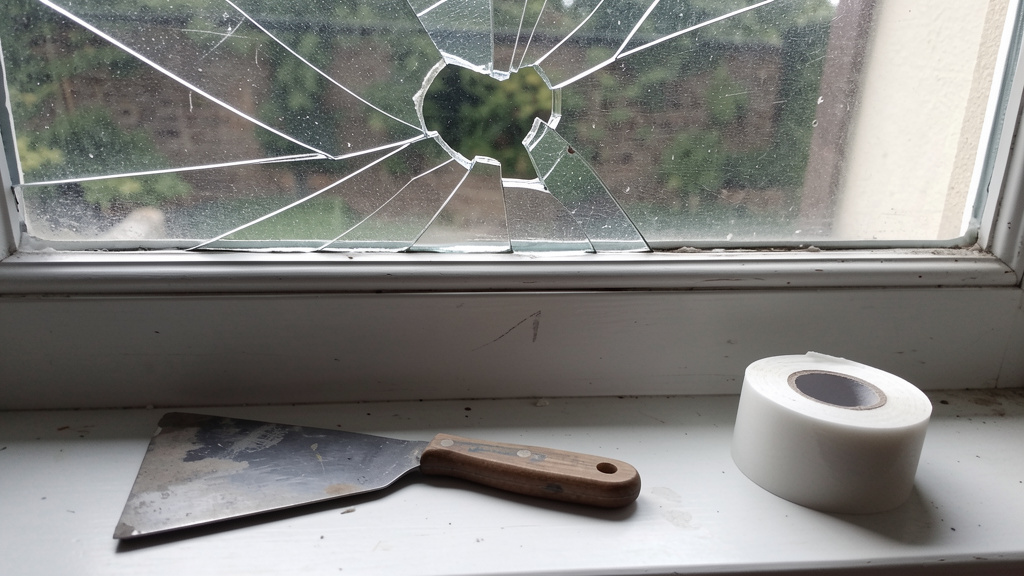
Regain Comfort, Safety, and Peace of Mind with Step-by-Step Repairs You Can Trust
Windows are the eyes of your home, framing views, inviting light, and connecting indoor comfort to the outdoor world. Yet when glass cracks, seals fail, or operation sticks, these vital interfaces transform into sources of drafts, energy loss, safety concerns, and daily frustration. This definitive guide walks you through diagnosing and repairing every common window issue—from stabilizing a hairline chip to replacing fogged insulated glass units, resealing leaky perimeters, and restoring smooth operation—with precision techniques, safety-first protocols, and material-specific strategies grounded in building science principles. No more guessing, patching, or postponing: reclaim control of your home’s envelope with confidence.
Introduction
Windows represent one of the most complex assemblies in residential construction. Unlike a solid wall, they integrate multiple materials—glass, metal, wood, vinyl, rubber, foam—each expanding and contracting at different rates with temperature shifts, humidity changes, and decades of mechanical stress. A minor seal failure isn’t merely an aesthetic flaw; it’s a breach in your home’s thermal boundary. A stiff casement crank isn’t just inconvenient; it signals wear that could compromise function during critical moments. Understanding windows as dynamic systems—not isolated components—is the foundational mindset shift that separates temporary fixes from lasting repairs. This guide synthesizes established building maintenance protocols and aligns with safety standards referenced by organizations like the National Glass Association and the Window & Door Manufacturers Association. The methodology applies across wood, vinyl, aluminum, and composite window types. Whether addressing a single drafty pane or revitalizing windows throughout your home, these principles provide diagnostic clarity and actionable steps to restore performance, efficiency, and tranquility.
The Triad Repair Framework: Diagnosis Before Action
Before reaching for tools, successful window repair begins with systematic diagnosis. Jumping straight to glass replacement when the real issue is a failed balance spring wastes time, money, and effort. The Triad Framework ensures you address the root cause, not just the symptom. Every window problem falls into one of three interconnected categories:
- Glass Integrity: Cracks, chips, fogging between panes, shattered panes, or degraded low-e coatings.
- Seal Performance: Air leaks around the frame, water infiltration, condensation on interior surfaces, visible gaps in weatherstripping, or failed spacer seals in insulated glass units (IGUs).
- Mechanical Operation: Sticking sashes, difficult-to-open sliders, unbalanced double-hung windows that won’t stay open, stiff or broken cranks on casements, or misaligned locks.
These categories are deeply interdependent. A failed seal (Category 2) allows moisture into the IGU, causing fogging (Category 1). A sticking sash (Category 3) puts uneven pressure on the glass, potentially leading to cracks (Category 1). A warped frame from moisture intrusion (Category 2) impedes smooth operation (Category 3). The Triad Framework mandates a holistic assessment:
- Step 1: Visual Scan (Exterior & Interior): Stand back. Look for obvious cracks, fogging, peeling paint (on wood), discoloration (on vinyl), or visible gaps. Note window type: double-hung, casement, slider, awning, fixed?
- Step 2: Tactile & Auditory Test: On a breezy day, slowly pass your hand around the entire interior frame perimeter. Feel for drafts. Listen for whistling. Close your eyes and operate the window—note grinding, scraping, or excessive resistance.
- Step 3: Moisture & Condensation Check: Wipe the glass and frame dry. After 24 hours, check for recurring condensation between panes (IGU failure) or on the interior surface near the edge (seal/frame issue). Use a moisture meter on wood frames if rot is suspected.
- Step 4: Operation Sequence: Open and close the window through its full range. Does it bind at a specific point? Does the sash tilt incorrectly? Does the lock engage smoothly? Document exactly where and how it fails.
The Fundamental Principle: Accurate diagnosis is the cornerstone of effective repair. Misidentifying the core issue often leads to wasted effort, recurring problems, or unintended damage. Investing ten minutes in assessment prevents hours of misguided work.
This framework transforms overwhelm into actionable clarity. Consider a homeowner in a humid climate who noticed persistent condensation on their bedroom window’s interior glass each winter morning. Initial assumption: “The glass is faulty.” Triad Assessment revealed: 1) Glass: Clear, no fogging between panes. 2) Seal: Strong draft felt at the bottom-left corner of the interior frame; visible gap in the vinyl weatherstripping. 3) Operation: Window opened/closed smoothly. Root cause? Failed weatherstripping (Seal Performance), not the glass itself. Replacing the weatherstripping resolved the condensation and draft. Had the IGU been replaced unnecessarily, significant cost and effort would have been expended with no improvement. This systematic approach is your most valuable tool.
Diagnosing Window Problems: The 10-Minute Assessment Protocol
Mastering diagnosis prevents costly errors. Follow this precise protocol for any problematic window:
Gather Your Diagnostic Toolkit
- Incense Stick or Candle: For detecting even the faintest air leaks (observe smoke drift).
- Flashlight: Shine along frame edges from the outside at night; light visible inside indicates gaps.
- Moisture Meter (Optional but Recommended): Critical for wood frames to detect hidden moisture before structural compromise occurs. Readings consistently above 20% moisture content warrant closer inspection.
- Notepad & Phone Camera: Document findings with photos and notes. Label each window (e.g., “Kitchen South Slider,” “Master Bath Casement”).
- Tape Measure: Note exact glass dimensions (height x width) only after confirming replacement is needed. Measure the visible glass plus approximately 1/4″ overlap on each side for the rabbet (frame groove).
The Step-by-Step Assessment Flow
- Identify Window Type & Era: Is it original to a pre-1940s home (likely single-pane wood with rope weights)? A mid-century aluminum slider? A modern vinyl double-hung? Era and material influence repair feasibility. Many pre-1970s wood windows are indefinitely repairable; some contemporary vinyl units have design limitations for component replacement.
- Glass Inspection (Daylight):
- Single-Pane: Hold a straight edge against the glass. Look for waves, bubbles (indicating antique glass), or significant distortion. Check edges for chips where putty meets glass.
- Insulated Glass Unit (IGU – Double/Triple Pane): Look between the panes. Persistent fog, condensation, or mineral deposits that don’t wipe off indicate seal failure. Tap gently; visual fogging is the definitive indicator. Check spacer bar visibility at edges—corrosion or separation here signals failure.
- Tempered Glass Identification: Look for the etched manufacturer mark (“bug”) in a corner. Tempered glass, required in specific locations per building codes, shatters into small cubes. Critical Safety Note: Never attempt to drill, cut, or repair cracked tempered glass. It can shatter unpredictably. Replacement is the only safe option.
- Seal & Frame Inspection:
- Perimeter Seal (Where window meets wall): Probe exterior caulking with a fingernail. Is it cracked, brittle, or pulling away? Check interior trim for gaps, peeling paint, or water stains on the wall beneath the sill.
- Weatherstripping (Where sash meets frame): Run a finger along all contact points. Is the vinyl bulb compressed flat? Is the felt worn thin or missing? Is the kerf-style strip loose or torn? Open the window slightly and look for light gaps.
- Frame Integrity: For wood: Probe with an awl tip. Soft, crumbly wood indicates deterioration. Check corners for separation. For vinyl: Look for cracks, especially at weld corners or hardware mounts. Check for excessive bowing. For aluminum: Check for corrosion (white powder), especially at screw holes.
- Operation & Hardware Test:
- Double-Hung: Open top and bottom sashes independently. Do they stay put? Or slide down (indicating balance issues)? Listen for scraping. Check tilt latches.
- Slider: Does the sash move freely along the entire track? Or bind at one end? Check rollers (if accessible)—are they cracked, flat-spotted, or debris-clogged?
- Casement/Awning: Turn the crank. Is resistance smooth or gritty? Does the window open fully and lock securely? Check the operator arm for bent linkage. Inspect hinges.
- Locks & Latches: Do they engage fully without forcing the window? Misalignment often indicates frame shift or sash warp.
Decoding Common Symptoms: What Your Window is Telling You
| Symptom | Most Likely Triad Category | Probable Root Cause | Recommended Action |
|---|---|---|---|
| Fog/Moisture Between Panes | Glass Integrity (IGU Failure) | Failed edge seal on Insulated Glass Unit | IGU replacement is typically required; temporary fixes are generally ineffective long-term |
| Draft Felt at Specific Frame Point | Seal Performance | Failed weatherstripping or perimeter caulking | Locate exact leak source; replace weatherstripping or re-caulk |
| Sash Slides Down on Its Own | Mechanical Operation | Compromised balance system (springs/cords) | Replace window balances; avoid forcing the sash |
| Window Sticks at One Corner | Mechanical Operation | Frame warp, debris in track, or misaligned hardware | Clean track thoroughly; assess frame squareness; adjust hardware |
| Condensation on Interior Glass Surface | Seal Performance (Often) | High indoor humidity interacting with cold surface (exacerbated by poor seals) | Address indoor humidity first; inspect weatherstripping if persistent near edges |
| Crack Radiating from Corner | Glass Integrity | Stress concentration (impact, frame pressure, thermal stress) | Stabilize carefully if annealed glass; assess for replacement; check frame alignment |
| Grinding Noise When Cranking | Mechanical Operation | Dry/worn operator components, bent linkage, or hinge issues | Lubricate appropriate points; inspect linkage/hinges for damage |
| Water Pooling on Interior Sill | Seal Performance | Failed exterior seal, clogged weep holes, or drainage issues | Requires prompt attention; inspect exterior seal and drainage paths |
This protocol transforms vague complaints (“This window is drafty”) into precise repair targets (“The kerf-style vinyl weatherstripping on the meeting rail is torn at the lock side”). Precision eliminates guesswork and ensures effort is directed exactly where needed. That disciplined assessment prevents unnecessary component replacement and focuses resources effectively.
Glass Repair and Replacement: From Chips to Full Pane Replacement
Glass issues evoke immediate concern—safety, security, energy loss. However, not every crack demands full replacement. Understanding the scope of damage and glass type is paramount. Critical Safety Reminder: Always wear ANSI Z87.1-rated safety glasses and cut-resistant gloves when handling glass. Work on a clean, padded surface. Never handle large panes alone. When safety is uncertain, especially with tempered glass or large panes, consult a qualified glazier.
Safety First: Essential Gear and Non-Negotiable Precautions
Before touching a single tool, establish your safety perimeter:
* Eye Protection: Safety glasses are mandatory. Glass shards can dislodge unexpectedly.
* Hand Protection: Cut-resistant gloves protect against sharp edges. Nitrile gloves underneath keep hands clean.
* Body Protection: Long sleeves, pants, and closed-toe shoes minimize exposure.
* Workspace: Clear a large, flat area covered with moving blankets or thick cardboard. Keep children and pets away.
* Glass Disposal: Wrap broken glass securely in thick cardboard or heavy-duty bags labeled “SHARP GLASS.” Follow local disposal regulations.
* Tempered Glass Protocol: If glass has the tempered “bug” etching and is cracked anywhere, do not attempt repair. Tempered glass is under high internal stress. A small crack can trigger sudden fragmentation. Secure the area, cover loosely with cardboard taped only to the frame, and arrange for professional replacement. Do not operate the window.
Repairing Small Chips and Cracks in Annealed (Non-Tempered) Glass
Applicable only to single-pane annealed glass (common in older wood windows, not IGUs or tempered glass). This is a stabilization technique to prevent crack propagation, not invisibility.
Why This Step is Crucial: A tiny chip can spiderweb across the pane with temperature changes or vibration. Stabilizing it early preserves integrity, maintains security, and buys time for planned replacement. It’s a low-cost intervention for minor damage on appropriate glass types.
Materials Needed:
* Glass repair kit (UV-curing resin, syringe, curing film, razor blade)
* Isopropyl alcohol (90%+) and lint-free cloths
* Masking tape
* UV light source (sunlight or dedicated lamp)
* Safety glasses & gloves
Step-by-Step Process:
1. Clean Meticulously: Wipe the chip/crack area thoroughly with isopropyl alcohol. Any residue prevents resin adhesion. Let dry completely.
2. Stabilize the Crack: Place small masking tape pieces on both sides of the glass, bridging the crack ends. This inhibits further spreading during repair.
3. Prepare the Resin: Follow kit instructions. Attach syringe tip directly over the chip impact point.
4. Inject Resin: Apply gentle, steady pressure to inject resin. Capillary action draws it into the crack. Avoid overfilling.
5. Cover and Cure: Place curing film over the resin. Expose to UV light per kit instructions (typically 5-15 minutes).
6. Finish: Remove tape and film. Use a single-edge razor blade at a low angle to scrape excess cured resin flush with the glass. Clean again with alcohol.
Common Mistakes to Avoid:
* Skipping Cleaning: Resin won’t bond to dirty glass.
* Rushing Cure Time: Incomplete curing compromises durability.
* Attempting on Tempered Glass: Extremely hazardous. Verify glass type first.
* Expecting Invisibility: The repair remains visible upon close inspection. Its purpose is structural stabilization.
Illustrative Example: A homeowner noticed a small star-shaped chip on a single-pane annealed glass window in a historic wood frame after a minor impact. Using a repair kit on a clear afternoon, they stabilized the chip. With proper application, such repairs can remain stable for years under normal conditions, preserving the window’s character while avoiding immediate full replacement. This exemplifies targeted, appropriate intervention.
Replacing a Single-Pane Window Glass (Traditional Wood Sash)
This repair revitalizes original wood windows. It requires patience with glazing compounds but is highly achievable.
Why This Step is Crucial: Compromised glass affects security, weather protection, and efficiency. Properly glazed glass in a sound wood sash can perform reliably for many years.
Materials & Tools Needed:
* New glass cut to size (Order 1/8″ smaller than the rabbet opening on all sides)
* Glazing points (small metal triangles)
* Glazing compound (Linseed oil-based like Sarco Type-M is preferred for longevity; synthetics dry faster but may not last as long)
* Putty knife (2″ stiff blade)
* Heat gun or hairdryer (for softening old compound)
* Utility knife with sharp blades
* Flathead screwdriver or 5-in-1 tool
* Wire brush
* Boiled linseed oil (BLO)
* Primer (oil-based)
* Painter’s tape
* Safety glasses, gloves, dust mask
Step-by-Step Process:
1. Remove Sash: For double-hung windows, unlock tilt latches and carefully tilt the sash inward to remove. Place on padded work surface. Label sashes if working on multiple windows.
2. Remove Old Glass & Compound:
* Score the old compound bead thoroughly around the perimeter with a utility knife.
* Use a heat gun on low setting to soften the compound. Work in small sections. Caution: Avoid overheating wood.
* Pry out softened compound chunks with a putty knife or 5-in-1 tool. Remove glazing points with pliers. Clean the rabbet groove meticulously with a wire brush. Vacuum debris.
3. Prepare the Rabbet:
* Lightly sand the clean rabbet groove. Wipe away dust.
* Apply a thin coat of boiled linseed oil (BLO) to the bare wood rabbet. This conditions the wood and improves new compound adhesion. Let soak 15-30 minutes.
* Apply a thin coat of oil-based primer to the rabbet. Let dry per instructions. Priming is critical for compound longevity.
4. Install New Glass:
* Place small dabs of fresh glazing compound (“bedding compound”) along the bottom of the rabbet groove.
* Position the new glass pane into the rabbet. Press down gently to seat it. Ensure even reveal on all sides.
* Secure with glazing points. Start at the center of each side. Press points into the wood frame at 4-6 inch intervals, angled slightly inward. Ensure glass is held firmly with no movement. Avoid overdriving points.
5. Apply Finish Compound:
* Knead compound until soft and pliable.
* Roll into a 1/2″ diameter rope. Press firmly into the gap between glass and rabbet, starting at the top. Work down one side, across the bottom, up the other side.
* Using the putty knife at a 45-degree angle, smooth the compound bead in one continuous motion per side. Aim for a smooth, concave bead sloping cleanly from glass to wood. Wipe excess compound from the glass immediately.
* Pro Tip: Dip the putty knife blade in mineral spirits before smoothing for a cleaner finish.
6. Cure and Paint:
* Let the compound skin over (typically 24-72 hours depending on product and conditions). It should be firm to the touch.
* Lightly sand high spots. Wipe clean.
* Apply exterior-grade paint. Paint over the compound bead and onto the glass by about 1/16″. This “paint lock” seals the edge and significantly extends compound life. Allow full cure time before reinstalling sash.
Common Mistakes to Avoid:
* Skipping Bedding Compound: Glass resting directly on bare wood creates stress points.
* Using Excessive Force on Glazing Points: Can crack the glass edge.
* Applying Compound to Unprimed Wood: Leads to premature compound failure.
* Painting Before Compound is Skinned: Paint will crack as compound cures.
* Omitting the Paint Lock: Leaves the critical edge seal vulnerable.
Adaptive Approaches:
* Budget-Conscious: Synthetic glazing compound (dries faster, easier cleanup) may be suitable for less exposed windows, though longevity may be reduced. Ensure wood is clean and dry.
* Ideal for Longevity: Linseed oil-based compound, BLO conditioning, oil-based primer, proper paint lock. This approach aligns with preservation best practices for historic wood windows.
* Temporary Weatherproofing: If glass is broken and replacement isn’t immediate, carefully remove shards, clean the rabbet, apply a thick bead of clear silicone caulk around the perimeter, press a cut-to-size rigid plastic sheet into place, and secure with temporary wood stops screwed to the frame. This is strictly temporary—replace properly as soon as feasible.
Replacing Insulated Glass Units (IGUs) in Double-Pane Windows
Foggy IGUs indicate seal failure. While “defogging” services exist, industry consensus indicates full IGU replacement is the most reliable solution for restoring clarity and performance.
Why This Step is Crucial: A failed IGU loses insulating gas fill and desiccant effectiveness, significantly reducing thermal performance. Moisture trapped inside can promote corrosion and degrade coatings. Replacement restores functionality and appearance.
Critical Pre-Check: Is the IGU Replaceable?
* Vinyl/Aluminum Windows (Most Common): Most have removable glazing beads (thin strips holding the IGU). Replacement is often feasible DIY if the unit can be sourced.
* Wood Windows: Often have interior stop beads (wood strips) that can be carefully removed. Requires more delicacy but is generally possible.
* “Sealed Unit” Windows: Some windows have the IGU permanently bonded. Replacement may require sash removal or professional assistance. Check for bead seams or consult documentation.
Materials & Tools Needed:
* New IGU cut to exact size (Height x Width x Thickness). Note any coatings (Low-E), gas fill, or grid patterns.
* Replacement glazing beads (if old ones break—take a sample)
* Glazing tape or butyl tape (for cushioning/sealing)
* Silicone caulk (100% silicone, neutral cure) only if specified by manufacturer
* Flathead screwdriver or plastic pry tool
* Utility knife
* Razor scraper
* Isopropyl alcohol & lint-free cloths
* Safety glasses, gloves
Step-by-Step Process (Vinyl Window with Removable Beads):
1. Remove Sash (If Possible): Follow manufacturer instructions to remove the sash. Working on a stable table is safer. If removal is complex, proceed carefully in-place.
2. Remove Glazing Beads:
* Identify beads—thin strips around the glass perimeter on the interior side.
* Start at a corner. Insert a plastic pry tool gently behind the bead. Apply steady, upward pressure to pop it out. Work slowly. Patience prevents breakage.
* Remove all four beads. Label them if not identical. Set aside carefully.
3. Remove Old IGU:
* With support, carefully lift the IGU out. Handle with care—IGUs are heavy.
* Clean the sash channel thoroughly. Remove all old tape residue, dirt, and debris using a razor scraper (carefully) and isopropyl alcohol. The channel must be perfectly clean and dry.
4. Prepare New IGU & Sash:
* Wipe the new IGU perimeter edge with isopropyl alcohol. Let dry.
* Apply new glazing tape to the sash channel. Press firmly for continuous coverage. Cut ends squarely at corners.
* Manufacturer Check: Some windows require a thin bead of silicone caulk in addition to tape. Consult documentation. If unsure, tape alone is standard for most modern vinyl windows. Avoid excess caulk.
5. Install New IGU:
* With support, position the new IGU into the channel, resting on the glazing tape. Ensure it’s centered evenly.
* Critical Alignment Check: Measure the reveal (gap) between the IGU edge and sash frame on all four sides. Adjust until perfectly even. Uneven installation creates stress.
6. Reinstall Glazing Beads:
* Start with the bottom bead. Align with the groove. Press firmly along its length until it snaps securely. You should hear/feel distinct clicks.
* Install side beads, then top bead. Ensure beads are fully seated and flush. If a bead is slightly warped, gently flex it. Do not force beads. If a bead breaks, use the sample to get an exact replacement.
7. Final Inspection & Reinstall Sash:
* Check IGU security with no movement. Wipe excess adhesive.
* Reinstall the sash. Test operation.
Common Mistakes to Avoid:
* Incorrect IGU Size: Even minor sizing errors prevent proper seating. Measure the old IGU precisely after removal. Provide this to the fabricator.
* Skipping Channel Cleaning: Residue prevents new tape from sealing properly.
* Forcing Glazing Beads: Causes cracks in beads or frame damage.
* Ignoring Alignment: An off-center IGU creates stress points.
* Using Incorrect Sealant: Applying heavy caulk where only tape is needed complicates future repairs. Follow the window’s original design intent.
Sourcing the IGU: Practical Pathways
1. Check Manufacturer: Locate the window brand/model sticker. Contact the manufacturer for replacement IGU specs or availability.
2. Local Glass Shop: Often the most reliable route. Remove the old IGU carefully, take it to a reputable shop. They can match dimensions, spacer color, coatings, and grids. Cost is typically a fraction of full sash replacement. Call ahead—some shops require the sash for measurement.
3. Online Retailers: Sites specializing in IGUs allow ordering by dimensions. Requires precise measurement skills and knowledge of IGU details. Best with the old unit for reference.
4. Hardware Stores: Some offer special-order IGUs through their glass department. Turnaround time may vary.
Illustrative Scenario: Homeowners faced fogging in several double-hung windows. After verifying the vinyl beads were removable and the frames were sound, they sourced replacement IGUs from a local glass shop and completed the installation themselves over a weekend. This approach restored window clarity and performance at a fraction of the cost of full sash replacement, demonstrating the value of targeted component repair when feasible.
When to Call a Professional: Recognizing Complexity
While many glass repairs are DIY-appropriate, recognize scenarios warranting a qualified glazier or window specialist:
* Tempered or Laminated Glass Damage: Safety risks necessitate professional handling.
* Large or Heavy Panes: Weight and handling difficulty increase injury risk significantly.
* Fixed Windows at Height: Safety harnesses, ladders, and specialized equipment are required.
* Historic or Custom-Shaped Units: Arched tops, circles, or intricate muntin patterns require specialized fabrication skills.
* Suspected Frame Damage: If the frame itself is cracked, rotted, or significantly out of square, glass replacement alone won’t resolve the issue. A professional assessment of the entire assembly is prudent.
* Recurring Failures: If repairs fail repeatedly, underlying issues may require expert diagnosis.
Knowing your limits reflects sound judgment. Professionals ensure repairs are executed safely, correctly, and with warranted materials, providing long-term peace of mind for complex situations.
Seal Restoration: Stopping Drafts and Preventing Moisture Intrusion
Drafty windows impact comfort and efficiency. Seal restoration is often a high-value home maintenance task, with materials costing relatively little and results felt immediately. This section covers both the macro-seal (window unit to house wall) and micro-seals (weatherstripping where sash meets frame).
Identifying Seal Failure: Proactive Inspection Clues
Don’t wait for discomfort to find leaks. Regular inspection prevents energy waste and moisture damage.
Exterior Perimeter Seal (Critical for Water Management):
* Visual Clues: Cracked, brittle, or missing caulk around trim. Paint peeling on siding immediately adjacent to the frame. Staining on sheathing visible beneath trim. Moss or algae concentrated around the perimeter (indicates persistent moisture).
* Tactile Clues: Press on the caulk line. Crumbly texture indicates failure. Probe gently with a fingernail—easy penetration signals degradation. Gaps wider than a credit card are significant failures.
* Water Test (On a Dry Day): Have a helper gently spray the window perimeter with a garden hose for 2-3 minutes while you observe inside, especially at bottom corners and the wall below the sill. Any moisture intrusion requires prompt attention.
Interior Weatherstripping (Critical for Air Sealing & Comfort):
* Visual Clues: Missing sections. Vinyl bulbs flattened permanently (should spring back). Felt matted down, torn, or missing. Kerf-style strips loose. Visible light gaps when closed (shine a flashlight from outside at night).
* Tactile Clues: Run your finger along the entire contact surface when closed. Feel for gaps, uneven compression, or rough spots. Compression should feel consistent and firm around the perimeter.
* Smoke Test (Most Sensitive): Light an incense stick. Hold it near the closed window seam on a breezy day. Watch the smoke trail. Consistent drift into the room indicates an air leak. Test all seams thoroughly.
IGU Spacer Seal Failure:
Persistent condensation or fog between the panes is the definitive sign. Temporary clearing on warm, dry days followed by re-fogging on humid or cold days confirms seal breach. Mineral deposits or etched patterns on the interior glass surface indicate prolonged moisture exposure.
Temporary Measures for Seal Issues: Responsible Short-Term Solutions
While permanent repair is the goal, temporary measures can provide relief during extreme weather or while awaiting materials. Emphasize: These are short-term solutions only (days to a few weeks), not substitutes for proper repair.
- For Minor Air Leaks (Interior): Removable Window Film Kits. These use double-sided tape applied to the trim (not the frame) and a clear plastic film heat-shrunk with a hairdryer. Creates an additional insulating air gap. Pros: Effective at reducing drafts and surface condensation; inexpensive; nearly invisible. Cons: Not reusable; requires careful application; temporary aesthetic. Best For: Renters, historic windows where altering original weatherstripping is undesirable, or emergency winterization.
- For Drafty Meeting Rails: V-Seal Weatherstrip Tape. Adhesive-backed foam tape with a V-shaped profile. Clean the surface thoroughly with alcohol. Apply so the V points toward the gap. Pros: Easy DIY; immediate draft reduction. Cons: Adhesive may fail over time; foam compresses permanently; may slightly increase operating resistance. Best For: Quick fix on double-hung or slider meeting rails.
- For Exterior Caulk Failure (Emergency Rain Protection): Butyl Flashing Tape. Clean the area as best as possible. Apply high-quality butyl tape over the cracked caulk line. Press firmly. Pros: Waterproof immediately; flexible; adheres to damp surfaces. Cons: Not UV-stable long-term; messy appearance; difficult to remove later. Best For: Stopping active water intrusion during a storm until permanent re-caulking can be done. Avoid duct tape—it fails quickly and leaves difficult residue.
Critical Note on Temporary Fixes: Avoid “window snakes” (fabric tubes filled with material) placed on sills. They block operation, trap moisture against the sill (promoting deterioration), and pose fire risks near heat sources. Similarly, stuffing rags or insulation into gaps is ineffective and unsafe. Temporary solutions should be clean, non-damaging, and easily removable.
Permanent Seal Replacement: A Material-Aware Guide
Permanent seal restoration targets two areas: the exterior perimeter seal (caulking) and operational weatherstripping. Approach differs by window frame material and climate considerations.
Re-Caulking the Exterior Perimeter: Defense Against Water Intrusion
Why This Step is Crucial: Failed exterior caulking is a leading cause of moisture damage around windows—leading to deteriorated sills, damaged sheathing, and potential mold growth. Proper re-caulking is essential preventative maintenance for your home’s envelope.
Materials & Tools:
* Caulk Removal Tool (or utility knife, putty knife, needle-nose pliers)
* Wire Brush (stiff nylon or brass)
* Isopropyl Alcohol and lint-free rags
* Backer Rod (closed-cell foam rope, diameter slightly larger than gap)
* High-Quality Caulk: 100% Silicone (excellent adhesion, flexibility, longevity; not paintable) OR Silicone-Modified Polymer (SMP) / “Window & Door” Polyurethane (paintable, excellent adhesion/flexibility; e.g., OSI Quad Max). Avoid standard acrylic latex caulk for exterior perimeters—it lacks necessary flexibility and adhesion.
* Caulking Gun (smooth-rod type for better control)
* Caulk Finishing Tool (or damp finger in soapy water)
* Painter’s Tape (optional, for clean lines)
* Safety Glasses, Gloves
Step-by-Step Process:
1. Remove Old Caulk Completely: Slice along both edges of the old bead. Pry out chunks. Scrape the surface clean down to bare substrate (wood trim, vinyl, aluminum, or house wrap). Goal: A clean, dry, contaminant-free surface. Any residue prevents new caulk from bonding.
2. Clean & Prep: Scrub the area thoroughly with a wire brush. Wipe down meticulously with isopropyl alcohol. Let dry completely. Moisture or dirt compromises adhesion.
3. Install Backer Rod (For Gaps > 1/4″): Insert backer rod into the gap so it sits about 1/4″ below the surface. It acts as a bond breaker, ensuring caulk adheres only to the two sides, allowing flex without tearing. It also conserves caulk. Choose diameter 25-30% larger than the gap width.
4. Apply New Caulk:
* Cut the nozzle at a 45-degree angle. Start with a small hole.
* Load tube into caulk gun. Apply steady, even pressure while moving the nozzle along the joint at a consistent speed.
* Technique: Hold the nozzle at a 45-degree angle, tip touching the back of the joint (toward the window). This forces caulk deep into the joint. Move steadily.
* Optional for Clean Lines: Apply painter’s tape 1/8″ away from the joint on both sides before caulking. Remove tape immediately after tooling.
5. Tool the Bead: Smooth the bead immediately using a caulk finishing tool or finger dipped in soapy water. This presses caulk into the joint, eliminates air pockets, and creates a concave profile that sheds water effectively. Wipe away excess.
6. Cure: Allow caulk to cure per manufacturer instructions (typically 24-72 hours for full cure). Avoid moisture during initial cure. Apply only when dry and temperatures are within the product’s specified range (usually 40°F – 100°F). Check the forecast.
Material-Specific Considerations:
* Vinyl Frames: Use SMP or polyurethane caulk rated for vinyl. Avoid pure silicone if painting trim later. Verify compatibility.
* Wood Trim: SMP or high-quality acrylic latex (if painting immediately) are suitable. Ensure wood is sound and dry. Prime bare wood before caulking if using paintable caulk.
* Aluminum Cladding: Use 100% silicone caulk. Clean metal thoroughly with alcohol to remove oxidation/oil.
* Stucco or Masonry: Use polyurethane or SMP caulk designed for masonry. Surface must be clean and dry.
Common Mistakes to Avoid:
* Caulking Over Old Caulk: Guarantees premature failure. Complete removal is essential.
* Skipping Backer Rod in Deep Gaps: Causes three-sided adhesion, leading to caulk tearing during movement.
* Applying in Unsuitable Conditions: Rain, high humidity, or extreme temperatures compromise adhesion and cure.
* Using Inappropriate Caulk: Standard “painter’s caulk” fails quickly on exterior perimeters. Invest in quality window/door sealant.
* Creating a Convex Bead: A bulging bead traps water. Always tool to a concave shape.
Replacing Window Weatherstripping: Key to Airtight Operation
Weatherstripping wears with use. Replacement is one of the most impactful DIY window repairs.
Understanding Weatherstripping Types (Match the Original):
1. Kerf-Mounted (Common in Modern Windows): Strip inserted into a narrow groove (kerf) in the sash or frame. Identified by a visible groove. Replacement involves prying out the old strip and snapping in the new one. Critical: Match the exact profile (shape) and width. Take a sample.
2. Adhesive-Backed (Common Retrofit): Foam tape, V-strip, or vinyl bulb with sticky backing. Applied directly to the surface. Easiest to install; adhesive longevity varies. Clean surface meticulously with alcohol before applying.
3. Interlocking Metal (Common in Older Aluminum Windows): Thin metal channels with a flexible fin. Replacement often requires sash removal and sliding channels out/in. May require specialty suppliers.
4. Pile Weatherstripping (Common on Wood Windows): Brush-like fibers mounted on a base. Provides excellent sealing with low friction. Replacement involves removing the base, installing new pile, and reattaching.
Step-by-Step Replacement (Kerf-Mounted Vinyl Bulb):
1. Identify & Source: Remove a small section of old weatherstripping. Take it to a hardware store or supplier. Match the profile exactly. Buy a little extra. Note material—vinyl is standard; silicone offers better temperature resistance.
2. Remove Old Strip: Starting at a corner, use a plastic pry tool to gently lift the end out of the kerf groove. Pull steadily. Clean the groove thoroughly with a small brush and isopropyl alcohol. Remove all debris and old adhesive.
3. Install New Strip:
* Start at the top center. Insert the leading end firmly into the kerf groove.
* Work down one side, applying gentle, consistent pressure to seat the strip. Avoid stretching.
* At corners, make a precise 45-degree miter cut on the end of the first piece. Start the next piece with a matching cut for a tight joint.
* Continue around the perimeter. For the final piece, measure carefully, cut to length, and insert. Ensure fully seated with no gaps or buckling.
4. Test & Trim: Close the window. Operation should feel slightly more resistant (due to compression) but smooth. Check for light gaps. If too tight causing binding, carefully trim the bulb height very slightly. If too loose, the profile may be incorrect.
Material-Specific Weatherstripping Tips:
* Wood Windows: Pile weatherstripping is ideal for meeting rails—it seals well without impeding the slight movement inherent in wood. For sash/frame contact, kerf-mounted vinyl or adhesive-backed foam works. Ensure wood is sound before installing adhesive-backed types.
* Vinyl Windows: Almost exclusively use kerf-mounted vinyl bulb seals. Match the profile precisely. Avoid forcing strips—vinyl frames can crack. Light silicone spray after installation may ease operation if stiff (test first).
* Aluminum Windows: Often use interlocking metal channels or adhesive-backed types. For adhesive types, clean the aluminum surface extremely well with alcohol—oxidation prevents adhesion. Consider a metal primer before applying adhesive-backed strips.
Illustrative Impact: A homeowner replaced brittle, missing kerf-mounted weatherstripping on several double-hung windows before colder months. The persistent drafts vanished. The interior glass surface remained significantly warmer on cold nights, reducing condensation on the sills. Many homeowners report noticeable improvements in comfort and potential reductions in heating demands following thorough weatherstripping replacement, underscoring its value in home efficiency.
Advanced Seal Considerations: Drainage, Flashing, and Historic Context
- Clogged Weep Holes (Critical for Sliders & Casements): Small holes (usually 1/8″ diameter) at the bottom of the exterior track allow water to drain out. If clogged with paint, caulk, or debris, water pools inside, leading to corrosion and leaks. Fix: Locate weep holes (often under small plugs on vinyl windows). Remove plugs. Clear debris with a small wire, toothpick, or compressed air. Never seal weep holes shut—they are essential drainage.
- Flashing Concerns: If water leaks behind the window frame into the wall cavity (indicated by staining on interior walls away from the frame), the issue likely involves failed flashing—a waterproof membrane installed behind the window during construction. This is not a DIY caulk fix. It requires professional assessment and repair to prevent structural damage. Consult a qualified contractor promptly.
- Historic Wood Windows (Pre-1940s): These often lack modern kerf weatherstripping. Traditional methods include:
- Spring Bronze Weatherstripping: Thin, flexible bronze strips nailed to the sash. Compresses against the frame. Highly durable, low friction, preserves historic operation. Requires precise installation. Available from specialty suppliers.
- Interlocking “Finnish” Weatherstripping: Wood strips with a routed profile that interlock. Requires skilled woodworking but provides an excellent seal.
- Preservation Principle: Focus on maintaining original character while improving performance subtly. Avoid thick adhesive foams that alter operation or appearance.
Seal restoration is methodical work with profound rewards—enhanced comfort, potential energy savings, and moisture prevention. By addressing both macro (perimeter) and micro (weatherstripping) seals systematically, you transform leaky windows into tight, efficient components of your home’s envelope.
Restoring Smooth Operation: Sashes, Tracks, and Hardware
A window that won’t open, sticks, or won’t stay put compromises ventilation, safety, and enjoyment. Operation issues stem from friction, misalignment, worn components, or debris. This section provides precise protocols for common window types, emphasizing diagnosis before disassembly.
Cleaning and Lubricating Window Tracks: The Foundational Step
Before assuming hardware is broken, perform this essential maintenance. Most “sticking” issues are resolved here.
Why This Step is Crucial: Tracks accumulate dust, pollen, debris, and old lubricant. This creates friction, binds rollers, and accelerates hardware wear. Regular cleaning is preventative maintenance that significantly extends window life.
Materials & Tools:
* Vacuum with brush attachment
* Soft-bristled brush (old toothbrush)
* Mild detergent solution (dish soap + warm water) OR isopropyl alcohol
* Lint-free rags or paper towels
* Cotton swabs
* Lubricant: Dry Lubricant (PTFE/Teflon spray) is ideal for most tracks and rollers—it won’t attract dust. Silicone spray is a good alternative. Avoid WD-40 or oil-based lubricants—they attract dirt and can gum up over time.
* Plastic scraper or old credit card (for stubborn debris)
* Safety glasses
Step-by-Step Process (Applies to Sliders, Double-Hung Bottom Tracks, Casement Hinges):
1. Remove Sash (If Possible): For sliders and double-hungs, remove the sash per instructions. This provides full track access. If removal is complex, proceed carefully in-place.
2. Dry Clean First: Use the vacuum brush attachment to remove all loose debris—dust, sand, insect parts—from the entire track length, especially corners and weep holes. Focus on roller paths (recessed channels within the track).
3. Wet Clean Stubborn Grime:
* Dip the soft brush in mild detergent solution or isopropyl alcohol.
* Scrub the track thoroughly, focusing on built-up grime or paint splatters. Use cotton swabs for tight corners and around weep holes.
* For hardened debris, gently scrape with a plastic scraper. Never use metal scrapers on vinyl or painted tracks—they cause scratches that trap future debris.
* Wipe clean repeatedly with damp rags until water runs clear. Remove all soap residue.
4. Dry Completely: Wipe the track thoroughly with dry rags. Allow to air dry for 15-30 minutes. Moisture left behind can mix with lubricant or promote corrosion.
5. Lubricate Strategically:
* Roller Tracks: Apply one light pass of dry lubricant only along the precise path where rollers contact the track. Wipe away excess. Over-lubrication attracts dirt.
* Hinge Pins: Apply a tiny drop of light machine oil or silicone lubricant directly to the hinge pin. Work the hinge open/closed to distribute. Wipe excess.
* Balance Channels: If accessible after sash removal, lightly lubricate the channel where the balance shoe rides with dry lubricant.
* Operator Arms & Gears: Use a cotton swab dipped in light oil to lubricate pivot points and accessible gear teeth per manual.
6. Reassemble & Test: Reinstall the sash. Operate the window slowly through its full range. It should move smoothly with consistent resistance. Listen for grinding or scraping.
Common Mistakes to Avoid:
* Using WD-40 as Lubricant: It’s a water displacer and cleaner, not a long-term lubricant. It evaporates and can leave residue that attracts dirt.
* Over-Lubricating: Creates a dirt magnet. Less is more—a light, even coating suffices.
* Skipping Dry Clean: Trying to wash heavy debris creates mud. Vacuum first.
* Ignoring Weep Holes: Ensure drainage holes at the track bottom are clear after cleaning—critical for preventing water damage.
* Using Abrasives: Steel wool or harsh pads destroy the smooth surface of tracks, worsening future sticking.
Illustrative Example: A slider patio door had become difficult to operate. The homeowner assumed rollers were broken. Following this cleaning protocol—vacuuming revealed accumulated debris; scrubbing dissolved hardened residue; lubricating the roller paths with PTFE spray—the door now operates smoothly. Total investment: minimal cost and under an hour. The rollers were functional—the primary issue was debris. This underscores the importance of foundational maintenance before replacing parts.
Adjusting and Replacing Window Balances (Double-Hung Windows)
The balance system counterweights the sash, allowing it to stay open. When balances fail, sashes slide down unexpectedly—a functionality and safety issue.
Diagnosing Balance Failure:
* Symptom: Sash will not stay open; slides down on its own.
* Test: Open the sash halfway. Release it. If it drifts down steadily, balances are weak or broken. If it drops suddenly, a cord is likely broken.
* Identify Balance Type:
* Block and Tackle (Common Modern): Visible coiled spring mechanism with a nylon shoe inside the jamb liner.
* Spiral Balance (Common in Older Vinyl/Wood): Long metal rod with a spiral-wound spring inside the jamb channel.
* Weight and Pulley (Traditional Wood Windows): Rope/chain over a pulley connected to a counterweight inside the weight pocket.
Replacing Block and Tackle Balances (Most DIY-Friendly Modern Type)
Materials & Tools:
* Replacement balances (Match brand, length, and sash weight rating—take old one or note model number)
* Screwdrivers
* Needle-nose pliers
* Utility knife
* Safety glasses
* Helper (recommended)
Step-by-Step Process:
1. Remove Sash: Tilt the lower sash inward and lift it out of the balance shoes. Set aside safely.
2. Access Balance: Look inside the jamb liner channel. The balance is held by screws near the top. Remove these screws.
3. Release Tension & Remove Old Balance:
* CRITICAL SAFETY STEP: Balances are under spring tension. Wear safety glasses.
* Use needle-nose pliers to grasp the nylon shoe. Pull it downward slightly to release tension.
* While holding the shoe down, carefully slide the balance assembly out of the top of the channel.
* Disconnect the shoe from the balance cord if necessary.
4. Install New Balance:
* Thread the new balance assembly down into the jamb channel. Ensure the nylon shoe is at the bottom.
* Reinsert mounting screws. Do not fully tighten yet.
* Tensioning: Pull the nylon shoe down to the approximate position where the sash hook will engage (usually 1-2 inches above the bottom). Hold it there. Tighten the mounting screws securely. This sets the correct pre-tension. Consult replacement instructions—some require specific procedures.
5. Reinstall Sash & Test:
* Tilt the sash back into position. Hook the sash pins into the nylon shoes.
* Release the sash. It should stay firmly at any height. Test multiple positions.
* Adjustment: If the sash slides down, the balance may be under-tensioned—loosen screws, pull shoe down slightly further, retighten. If too light (floats up), over-tensioned—loosen screws, let shoe rise slightly, retighten. Small adjustments make significant differences.
Replacing Spiral Balances:
Process involves winding the spring. Extreme caution required—spiral springs can unwind forcefully. Many prefer professional assistance due to tension risks. If DIY: research specific model instructions thoroughly; use a spiral balance winding tool; wear heavy gloves and eye protection.
Traditional Weight and Pulley System Repair:
* Broken/Rotted Cord: Requires accessing the weight pocket. Lower the weight carefully. Tie new braided nylon cord (rated for weight) to weight, thread over pulley, tie to sash. Requires patience and knot-tying skill. Historic preservation resources offer detailed guides.
* Sticking Weight: Clean pulley wheel, lubricate axle lightly with dry lubricant. Ensure weight moves freely; remove debris.
When to Seek Professional Help for Balances: If uncomfortable handling spring tension, if the jamb liner is damaged, or if balances fail repeatedly shortly after replacement (indicating incorrect rating or underlying frame issue).
Addressing Stuck or Sliding Windows: Beyond Cleaning
If cleaning and lubrication don’t resolve sticking, investigate these causes:
- Paint or Caulk Binding: Common on wood windows. Sash painted shut to frame. Fix: Carefully run a sharp utility knife around the entire perimeter where sash meets frame/jamb to cut the paint seal. Use a thin putty knife to gently pry sash loose. Work slowly to avoid damage. Prevent future binding by not painting contact surfaces—mask them during painting.
- Frame Warp or Shift: House settling, moisture damage, or installation issues can cause the frame to become out of square. Diagnosis: Measure diagonally inside the frame (top-left to bottom-right and top-right to bottom-left). Measurements should be nearly equal. Significant difference indicates racking. Fix: Minor racking may be corrected by adjusting shims behind the frame (requires exterior work—often professional territory). Significant warp usually requires window assessment by a specialist.
- Swollen Wood Sash (Humidity): Wood absorbs moisture and swells. Fix: Wait for drier conditions—the sash may shrink back. For persistent swelling, carefully sand the binding edges very slightly with fine sandpaper. Focus on friction points (test with pencil marks). Seal all bare wood edges with primer and paint immediately after sanding to prevent further moisture absorption. Remove minimal wood.
- Misaligned Rollers (Sliders): Rollers can become loose, bent, or set at incorrect height. Fix: Remove sash. Locate roller adjustment screws on the bottom edge. Turn screws clockwise to raise rollers (reduces friction if sash drags), counter-clockwise to lower (increases contact if loose). Adjust both rollers equally. Ensure rollers are clean and spin freely. Replace damaged rollers.
Repairing Cranks and Operators on Casement Windows
A stiff, grinding, or broken crank is common. Diagnosis determines if the issue is the operator, linkage arms, or hinges.
Diagnosis Flow:
1. Disconnect the Operator: Most have a release lever/pin to disconnect linkage arms from the operator body. Consult manual or look for a lever near the crank base.
2. Test Window Manually: Try to open/close the window by hand (grasp the sash firmly). If it moves smoothly on the hinges, the problem is isolated to the operator or linkage. If not, address hinges, frame alignment, or sash warp first.
3. Test Operator Alone: With linkage disconnected, turn the crank. Is resistance smooth or gritty? Grinding suggests internal wear.
Replacing a Casement Window Operator
Materials & Tools:
* Replacement operator (Match brand, arm length, and handedness—take photo or note model number)
* Screwdrivers
* Drill/driver
* Helper (to support sash)
* Safety glasses
Step-by-Step Process:
1. Fully Close and Lock Window: Ensures sash stability during work.
2. Remove Interior Trim/Cover: Some have a decorative cover plate. Remove to access mounting screws.
3. Disconnect Linkage Arms: Note connection method (pins, clips). Use pliers if needed. Support the sash.
4. Remove Old Operator: Unscrew mounting screws securing the operator body to the frame. Carefully remove the operator.
5. Install New Operator:
* Position the new operator body. Ensure the crank shaft aligns with the frame hole.
* Insert mounting screws but do not fully tighten yet.
* Reconnect the linkage arms to the operator arms and sash brackets. Ensure secure attachment.
* Critical Alignment: With arms connected but screws loose, operate the crank slowly through its range. Watch the arms move. They should travel in a smooth arc without binding, scraping, or over-extending. Adjust operator position slightly for optimal travel.
* Once aligned, fully tighten mounting screws.
6. Test Thoroughly: Operate the window through full open/close cycle multiple times. Check secure locking at closed position. Ensure no binding.
Linkage Arm Repair: Bent arms can sometimes be carefully straightened, but replacement is often more reliable. Ensure replacement arms match length and connection type exactly.
Hinge Maintenance: If binding occurs after disconnecting the operator, focus on hinges. Clean hinge pins and barrels thoroughly. Apply a tiny drop of light oil to each pin. Work the hinge open/close to distribute. Tighten loose hinge screws. Replace corroded or bent hinges.
Preventative Tip for Casements: Periodically operate casement windows fully open and closed, even if unused regularly. This prevents seals from sticking and keeps mechanisms functioning. A light coat of car wax on hinge pins and operator arms (after cleaning) can repel moisture—wipe excess thoroughly.
Restoring smooth operation transforms the daily experience of your windows. The satisfying glide of a slider, the secure stay of a double-hung sash, the effortless crank of a casement—these tangible improvements enhance livability, safety, and your connection to your home. Methodical diagnosis and targeted repair make this achievable.
Advanced Scenarios and Material-Specific Considerations
While the Triad Framework applies universally, window materials present unique considerations. This section addresses complexities often overlooked.
Wood Window Restoration: Addressing Moisture Damage and Maintenance
Wood windows offer beauty and repairability—if maintained. Moisture management is critical. Restoration is often more sustainable than replacement, preserving character.
Diagnosing Wood Deterioration:
* Early Stage: Paint bubbling or peeling specifically at the bottom rail (sill) or meeting rail. Wood feels slightly soft when pressed firmly.
* Moderate Stage: Visible soft, spongy, or crumbly wood. Probe penetrates easily more than 1/8″. May see discoloration.
* Advanced Stage: Significant sections missing, crumble to touch, or feel hollow. Structural integrity is compromised.
The Restoration Protocol: Step-by-Step for Sound Wood Frames
Applies to sills, rails, stiles—any solid wood component with localized deterioration.
Materials & Tools:
* Removal: 5-in-1 tool, chisels, awl, wire brush, Dremel tool with grinding bits (optional)
* Consolidation & Filler: Two-part epoxy system for wood restoration (e.g., Abatron WoodEpox). Avoid standard wood filler—they lack structural strength for window repairs.
* Finishing: Oil-based primer, high-quality exterior paint
* Safety: Respirator, safety glasses, gloves
* Optional for Extensive Damage: Dutchman repair supplies (matching wood species, epoxy adhesive)
Step-by-Step Process:
1. Address Moisture Source First: Repair exterior seals, ensure proper drainage (clean gutters, verify sill slope outward). A repaired window will deteriorate again if moisture intrusion continues.
2. Remove All Deteriorated Wood:
* Use chisels and the 5-in-1 tool to excavate all soft, decayed wood down to solid material. You should hear a solid “tap” when probing with an awl.
* Create clean, tapered edges around the cavity—wider at the surface, narrower at the base. This provides maximum surface area for the epoxy to grip.
* Scrub the cavity thoroughly with a wire brush. Vacuum meticulously. Wipe with a damp cloth and allow to dry completely.
3. Apply Wood Hardener:
* Saturate the exposed sound wood surrounding the cavity with liquid wood hardener (part of the epoxy system). This consolidates and strengthens the remaining wood. Follow product instructions for drying time.
4. Mix and Apply Epoxy Filler:
* Mix the two-part epoxy filler exactly per manufacturer ratios. Work within the pot life.
* Press the mixed epoxy firmly into the cavity, overfilling slightly. For deep cavities, apply in layers.
* Pro Tip: For large repairs, embed small pieces of fiberglass mesh into the wet epoxy for added strength.
5. Shape and Cure:
* Once the epoxy begins to set, shape it roughly to match the original profile. Let cure fully per instructions (often 24 hours).
* After full cure, sand the repair smooth, blending seamlessly into the surrounding wood. Feather the edges meticulously.
6. Prime and Paint:
* Prime the entire repaired area and surrounding bare wood with oil-based primer.
* Apply two coats of high-quality exterior paint. Paint over the epoxy repair onto the original wood by at least 1/2″ to create a seamless seal—the “paint lock.”
Dutchman Repair for Extensive Damage:
When deterioration affects a large section (e.g., entire bottom rail corner), a Dutchman repair—inserting a precisely fitted new wood patch—is superior.
1. Cut out the damaged section cleanly, creating a recess with square edges.
2. Craft a matching patch from durable wood species (e.g., clear cedar, mahogany). Fit it dry—should be snug.
3. Apply epoxy adhesive to the recess and patch. Insert patch, clamp securely until cured.
4. Sand flush, prime, and paint. This restores structural integrity and appearance effectively.
Preventing Future Deterioration: The Maintenance Cycle
Exterior paint is the primary defense. Inspect window exteriors annually, especially after harsh weather. Address peeling paint promptly—sand, prime bare wood, repaint. Pay close attention to the bottom rail (sill), most vulnerable to water exposure. Ensure proper drainage: keep gutters clean, verify the sill slopes slightly outward. For wood windows, a maintenance cycle of repainting every 5-7 years (depending on climate and paint quality) is typical. In humid or coastal climates, more frequent inspection is advisable. Interior maintenance includes keeping operable windows moving freely—regular operation prevents seals from sticking and mechanisms from seizing. By integrating these practices, you extend the life of wood windows for decades, preserving their beauty and function within your home’s ecosystem.
Your Questions, Answered
Q: Can I repair a cracked tempered glass window myself?
A: No. Tempered glass is under high internal stress. Any crack, no matter how small, can cause sudden, unpredictable fragmentation. Secure the area, cover loosely with cardboard taped only to the frame (not the glass), and contact a professional glazier immediately. Do not operate the window.
Q: How do I know for sure if my window seal is broken?
A: For IGUs (double/triple pane), persistent fog, condensation, or mineral deposits between the panes that don’t wipe off indicate seal failure. Temporary clearing on warm days followed by re-fogging confirms it. For perimeter seals, use the smoke test (incense stick) on a breezy day to detect air leaks, or check for cracked/brittle exterior caulking.
Q: What is the most common reason a window sticks, and how do I fix it?
A: Accumulated dirt, dust, and old lubricant in the track is the most frequent cause. Start with thorough cleaning (vacuum, then mild soap/alcohol scrub) and strategic lubrication with a dry PTFE spray. If cleaning doesn’t resolve it, check for paint binding (common on wood windows), misaligned rollers, or frame warp.
Q: Is it worth repairing old wood windows instead of replacing them?
A: Often, yes—especially for historic or character-defining windows. Properly restored wood windows can last indefinitely, offer superior repairability, and maintain architectural integrity. Repair is frequently more cost-effective than replacement and avoids landfill waste. Evaluate the extent of damage; localized rot is often repairable, while severe structural compromise may warrant replacement.
Q: What lubricant should I use on window tracks and hardware?
A: Use a dry lubricant like PTFE (Teflon) spray for tracks and rollers—it won’t attract dust. Silicone spray is a suitable alternative. For hinge pins and operator gears, a tiny drop of light machine oil (like 3-in-1) works well. Avoid WD-40 as a lubricant; it’s a cleaner/water displacer that evaporates and can leave a sticky residue.
Q: How often should window weatherstripping be replaced?
A: Inspect annually. Replace when vinyl bulbs are permanently flattened (won’t spring back), felt is matted or torn, or kerf-style strips are loose or missing. In harsh climates or high-use windows, replacement may be needed every 3-5 years. Proactive replacement maintains efficiency and comfort.
Q: Can foggy windows be fixed without replacing the glass unit?
A: “Defogging” services (drilling holes, injecting desiccant) exist, but industry consensus and long-term evidence indicate these are temporary fixes with high failure rates. Full IGU replacement is the only reliable solution for restoring clarity, performance, and longevity. It’s generally cost-effective compared to full sash replacement.
Q: What tools are absolutely essential for basic window repair?
A: Safety glasses and cut-resistant gloves are non-negotiable. Beyond that: a utility knife, putty knife, screwdrivers (flat/Phillips), needle-nose pliers, vacuum with brush attachment, isopropyl alcohol, lint-free cloths, and a caulk gun. Specialized tools (heat gun, moisture meter) are helpful but not always essential for beginner repairs.
Q: How do I stop condensation from forming on the inside of my windows?
A: Interior surface condensation is primarily caused by high indoor humidity meeting cold glass. First, reduce indoor humidity (use exhaust fans, dehumidifier, ensure ventilation). If condensation is persistent near the edges of the glass, it may indicate failing weatherstripping—inspect and replace seals. For condensation between panes, the IGU seal has failed and requires replacement.
Q: When should I call a professional instead of DIYing a window repair?
A: Call a professional for: tempered/laminated glass damage; large or heavy panes; windows high off the ground; suspected structural frame damage; recurring failures after DIY repair; complex historic window restoration; or if you feel uncertain about safety or procedure. Professionals ensure safe, correct, and warranted repairs.
Q: What’s the best way to maintain windows seasonally?
A: Spring: Clean tracks, inspect seals/weatherstripping, lubricate hardware, check exterior caulking. Summer: Ensure screens are intact, check for insect debris in tracks. Fall: Replace worn weatherstripping before cold weather, clean weep holes, inspect exterior seals. Winter: Monitor for condensation issues, avoid forcing stiff windows. Operate all windows periodically year-round to prevent sticking.
Q: Are there eco-friendly options for window repair materials?
A: Yes. For wood windows, use linseed oil-based glazing compounds and low-VOC paints. Choose repair over replacement to reduce waste. When replacing IGUs, select units with warm-edge spacers and argon gas fill for better efficiency. Recycle old glass and metal components where facilities exist. Many local glass shops prioritize sustainable practices—ask when sourcing parts.
Conclusion and Next Step
Windows are not isolated components but vital interfaces within your home’s living system. Mastering their repair—through the lens of the Triad Framework (Glass, Seals, Operation)—transforms frustration into capability. You’ve learned to diagnose precisely, prioritize safety, select appropriate materials, and execute repairs with confidence. Whether stabilizing a chip, resealing a draft, or restoring smooth operation, each action reinforces your home’s comfort, efficiency, and resilience. Remember the systemic perspective: a well-maintained window reduces energy strain, prevents moisture damage to surrounding structures, and preserves architectural character. This mindful stewardship extends far beyond the window itself.
- Recap: The three pillars of lasting window repair are accurate diagnosis (spend ten minutes assessing), safety-first execution (gear and protocols matter), and matching the solution to the material and constraint (adaptive approaches yield the best results).
- The 24-Hour Rule: Within the next 24 hours, select one window in your home that has been causing minor annoyance—a slight draft, a sticky slider, foggy glass. Perform the 10-Minute Assessment Protocol from this guide. Document your findings with a simple note: “Window: [Location]. Symptom: [What you observe]. Triad Category: [Glass/Seal/Operation].” This tiny action breaks inertia, builds diagnostic skill, and creates a clear starting point for your next repair.
- The Big Picture: Window maintenance is a profound act of home care. It cultivates patience, observation, and respect for craftsmanship. Each repaired window strengthens your connection to your living space and contributes to a more sustainable, comfortable home environment for years to come. You now hold the knowledge to approach these repairs not as chores, but as opportunities to deepen your understanding of your home.
Explore Our Complete Home Care System:
The Thoughtful Homeowner’s Seasonal Maintenance Calendar | Mastering Door Repair: Hinges, Locks, and Frames | Understanding Home Energy Flows: Beyond Windows | Preserving Historic Woodwork: Windows, Doors, and Trim | DIY Moisture Management: From Basements to Attics | Sustainable Home Upgrades: Practical Steps for Every Budget | The Complete Guide to Exterior Painting and Caulking