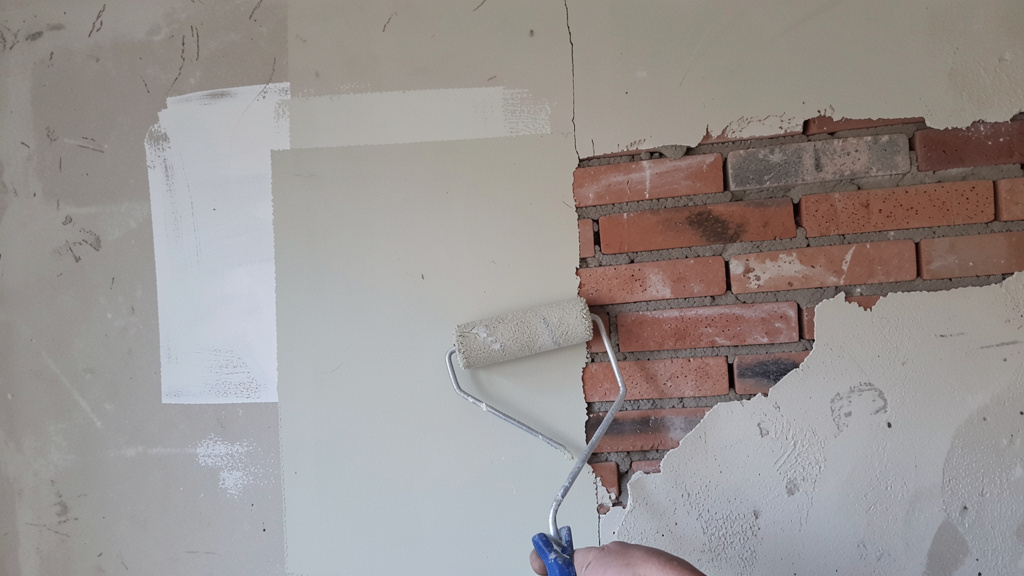
Before You Pick Up That Hammer: A Practical Guide to Avoiding Costly, Irreversible Mistakes and Choosing Flexible Solutions That Grow With Your Life
Every homeowner dreams of making their space uniquely theirs, but some modifications carry a permanent stamp that can’t be easily erased. Whether you’re renovating for joy, functionality, or future resale, understanding which changes lock you into a specific path—and which offer an escape route—is critical. This guide dissects consequential home alterations, reveals hidden risks of irreversible decisions, and provides actionable, flexible alternatives tailored to diverse budgets, timelines, and life stages. You’ll learn to navigate renovations with foresight, protect your largest investment, and create a home that adapts as your life evolves—without the anxiety of regret.
Introduction
Homeownership is a journey of continuous adaptation. As families grow, careers shift, health needs change, or personal tastes mature, the spaces we inhabit must respond. Yet in the enthusiasm of transformation—inspired by design trends, immediate needs, or social media—it’s easy to overlook long-term implications of certain modifications. Industry observations note that many homeowners experience regret after renovations that lack flexibility when life circumstances shift unexpectedly. This isn’t fear-mongering; it’s empowerment through foresight. By examining irreversible changes through building science principles, historical patterns, and evolving market dynamics, we navigate renovations with intentionality. The goal isn’t to avoid change but to choose modifications that serve present needs without compromising future possibilities. Homes designed with adaptability in mind consistently demonstrate greater functional longevity, emotional resonance, and market resilience—a principle supported by longitudinal building studies. This guide translates foundational knowledge into practical wisdom applicable before the first tool is selected.
The Reversibility Spectrum Framework: A Practical Decision Tool
Not all home changes exist on a simple binary of “reversible” or “irreversible.” The Reversibility Spectrum offers a nuanced mental model categorizing modifications by realistic effort, cost, technical complexity, and collateral impact involved in reversal. This framework moves beyond oversimplified labels to acknowledge critical shades of gray determining whether a change becomes a lasting asset or persistent constraint. Understanding precisely where a proposed change falls empowers intentional decisions aligned with your timeline, budget, certainty level, and life stage.
-
Permanent Tier (The Point of No Return): Changes fundamentally altering structural skeleton, core mechanical systems, legal footprint, or geological relationship. Reversal is structurally unfeasible, prohibitively expensive, legally restricted, or causes catastrophic collateral damage. Examples: removing load-bearing walls without engineered support, relocating main plumbing stacks, pouring permanent concrete foundations, altering rooflines. These modifications redefine your home’s architectural identity.
-
Semi-Permanent Tier (High-Friction Reversal): Modifications technically reversible but requiring significant skilled labor, specialized equipment, substantial investment, and inevitably causing damage to surrounding materials requiring secondary repairs. The “undo” process is rarely clean. Examples: nailed/glued hardwood flooring, complex multi-room tile installations, custom built-in cabinetry framed into walls, textured ceiling treatments, relocated electrical circuits requiring wall demolition.
-
Reversible Tier (Low-Friction Adaptation): Changes removable, alterable, or updatable with minimal effort, cost, specialized skill, or damage to underlying surfaces. These offer maximum flexibility for evolving needs, tastes, or life stages. Examples: painting walls with quality primer, peel-and-stick backsplashes or wallpaper, freestanding furniture with anti-tip brackets, removable window film, updated cabinet hardware. These layer personality without permanent commitment.
This spectrum is dynamic. A seemingly reversible change may become functionally permanent if future modifications build upon it (e.g., floating floors topped with a fixed island). Context is paramount: intended tenure (5 years vs. 30+), financial flexibility, certainty about the change, local market preferences, climate considerations, and household composition all influence where a modification lands for your specific situation. Seasonal factors also matter—temporary outdoor solutions may suffice for summer use but require reevaluation for year-round functionality. Let’s explore each tier with practical clarity.
Permanent Tier: Changes That Redefine Your Home’s Foundation
These modifications represent profound commitments. Reversal is rarely practical, making upfront intentionality essential. We examine common categories with clear rationale, contextual consequences, illustrative scenarios, and tiered alternatives designed for real-world constraints.
Structural Alterations: The Home’s Skeletal System
Removing or Modifying Load-Bearing Walls
Why reversal is functionally impossible: Load-bearing walls transfer roof, floor, and environmental loads to the foundation. Removal without engineered beam support compromises structural integrity. Reversal isn’t “rebuilding the wall”—it requires demolishing the installed beam system, verifying latent damage (often needing invasive inspection), reconstructing original load paths with precision, and repairing all finishes. The engineered solution becomes a permanent architectural feature.
Contextual considerations: Sagging floors, drywall cracks, binding doors/windows, energy loss at new joints, and insurance complications may emerge months later if work was unpermitted or improperly engineered. Adjacent room functionality and flow are frequently impacted more than anticipated.
Illustrative scenario: In one documented case, a wall removal proceeded without engineering verification. Structural issues emerged within a year, requiring extensive repairs costing significantly more than the initial project, temporary relocation, and documentation affecting resale. Conversely, another project began with licensed engineering review, stamped drawings, permitted work, and thorough documentation. The result was a safe, functional space adding lasting value—acknowledging permanence upfront as a deliberate choice.
Smart, Tiered Alternatives:
– Ideal Path (Planned Permanence): When openness is essential and the wall is load-bearing, invest in professional engineering before demolition. This transforms risk into documented safety and value. Permits and inspections provide critical protection during ownership and resale.
– Budget-Friendly Compromise (Partial Opening): Create a pass-through window, breakfast bar, or arched opening within verified non-load-bearing sections (confirmed by professional assessment). Preserves structural integrity while enhancing sightlines and connection.
– Reversible Illusion (Non-Structural Solutions): Use design psychology: position a large mirror opposite a window to double perceived space; define zones with area rugs (e.g., dining area rug extending 24″ beyond table); maintain consistent flooring and color palettes; arrange furniture to encourage flow; install matching pendant lights over adjacent zones. Zero structural impact, maximum perceptual benefit.
Adding Permanent Foundations, Slabs, or Altering Footprint
Why reversal is impractical: Concrete installations create permanent geological and legal footprints. Removal demands heavy machinery, debris disposal, soil remediation, regrading for drainage, and landscape restoration—often leaving subsidence or altered water flow. Legally, additions change assessed square footage and zoning compliance; reversal doesn’t erase municipal records. Unpermitted work risks fines, mandated removal, or sale complications.
Contextual considerations: Altered drainage may cause future moisture issues near foundations. Changed sightlines affect privacy or neighbor relations. Regional buyer preferences vary significantly (e.g., sunrooms valued in cooler climates, less so in hot regions).
Smart, Tiered Alternatives:
– Ideal Path (Modular & Removable): For outdoor living, choose decks on adjustable piers or helical piles (verify local height codes). Permeable pavers set in sand bases (no mortar) can be lifted, reconfigured, or removed, allowing soil recovery.
– Budget-Friendly Compromise (Defined Zones): Use UV-resistant outdoor rugs to anchor seating areas. Surround with movable planters (fabric pots, lightweight resin). Install string lights on freestanding poles. Creates flexible “rooms” reconfigurable seasonally or removed in hours.
– Temporary Solution: Portable fire pits (propane/ethanol, code-compliant), rented seasonal furniture, or foldable structures provide ambiance without commitment. Ideal for testing layouts before permanent investment.
Plumbing and Major System Relocations: The Home’s Circulatory Network
Moving the Main Plumbing Stack
Why reversal is unfeasible: The main soil stack is the central drainage artery. Relocation involves cutting floor joists (requiring engineering reinforcement), rerouting all branch lines, ensuring perfect slope and venting, and potentially excavating foundations. Reversal duplicates this complex, disruptive work with high risk of leaks or venting errors in the restored path. Original pathways cannot be cleanly restored.
Critical considerations: Incorrect slope causes slow drains; inadequate venting risks sewer gas intrusion. Permits are universally required—unpermitted work may void insurance coverage for related damage. Noise transmission through new stack locations affects livability.
Safety note: Always consult licensed plumbers during design phases. Fixture placement aligned with existing stack locations avoids system surgery. Wall-mounted toilets or offset flanges offer flexibility within existing infrastructure.
Smart, Tiered Alternatives:
– Ideal Path (Work With Existing Infrastructure): Redesign layouts to keep fixtures vertically aligned with the current stack. Modern fixtures offer placement flexibility within this constraint. Consult a plumber during planning—this often eliminates $5,000–$15,000 in relocation costs.
– Budget-Friendly Compromise (Localized Solutions): For distant sinks (e.g., garage workshop), consider macerating pump systems where local code permits. Understand limitations: operational noise, maintenance needs, and restricted applications.
– Non-Plumbing Alternative: Portable utility sinks with self-contained pumps for non-sanitary needs; battery-operated motion-sensor faucets with refillable reservoirs for handwashing convenience.
Relocating the Electrical Main Service Panel
Why reversal is virtually unheard of: Moving the panel requires utility coordination, new high-amperage feeder cables, potential trenching/conduit runs, updating all circuit home runs, and strict NEC clearance compliance. Reversal duplicates this costly, disruptive process. Abandoned pathways create confusion for future electricians.
Critical considerations: Improper installation risks fire or electrocution. Insurance claims related to electrical issues may be denied for unpermitted work. New locations must maintain mandated clearances—avoid closets or cramped spaces.
Safety imperative: Service panel work involving main disconnects must be performed by licensed electricians. Utility-side risks are extreme; never attempt DIY.
Smart, Tiered Alternatives:
– Ideal Path (Strategic Subpanel Addition): Add a subpanel in a convenient location (garage, utility room) fed from the existing main panel. Relocate frequently used circuits here. Main panel remains intact; accessibility improves. Permits still required for subpanel installation.
– Budget-Friendly Compromise (Aesthetic Integration): Install custom panel covers: magnetic chalkboard, hinged art frame with safety latch, or cabinet door matching nearby finishes. Critical: Must allow immediate, unobstructed emergency access. Verify local code allowances.
– Safety-First Practice: Label circuits clearly inside the panel door. Keep area clear of storage. Never paint panel doors with conductive paints. These low-cost steps enhance usability without relocation.
Exterior and Footprint-Altering Changes
Changing Window or Door Openings in Load-Bearing Walls
Why reversal is functionally impossible: Enlarging openings requires installing new structural headers, reframing, and reconstructing interior/exterior finishes. Reversal leaves visible seams, weakens wall assemblies, and risks water intrusion if flashing isn’t perfectly replicated. Original openings cannot be authentically restored.
Critical considerations: Improper header sizing causes sagging, cracked finishes, and compromised weatherproofing. Flashing errors are a leading cause of hidden water damage. Always verify wall status with a professional before proceeding—never assume based on appearance.
Smart, Tiered Alternatives:
– Ideal Path (Optimize Within Existing Opening): Select retrofit windows designed for your precise rough opening. Many manufacturers offer custom sizes minimizing disturbance to trim and siding. Choose styles maximizing light within current constraints (e.g., picture window with narrow operating flanks).
– Budget-Friendly Compromise (Interior Enhancement): Install deep window seats on brackets (not framed into walls). Add extended interior trim for architectural presence. Use light-filtering cellular shades. Exterior: properly sized functional shutters enhance curb appeal without structural change.
– Reversible Illusion: Place mirrors opposite windows to reflect light. Hang sheer curtains high and wide (extending beyond frame) to visually enlarge openings. Keep sills clean and uncluttered. A fresh coat of contrasting paint on existing doors draws positive attention.
Permanent Landscaping: Mature Trees, Retaining Walls, In-Ground Pools
Why these are profoundly irreversible:
– Mature Tree Removal: Involves significant cost, crane access near structures, stump grinding, root management, and soil destabilization. Lost shade increases cooling costs; ecological impact is immediate. Replanting saplings won’t replicate benefits for decades.
– Engineered Retaining Walls (over 3–4 ft): Removal risks slope destabilization, requiring extensive regrading, erosion control, and soil remediation. Original grade is rarely restorable.
– In-Ground Pools: Full removal is extremely costly. “Abandonment in place” leaves unusable depressions that settle over time and may remain on property records. Resale impact is highly regional; insurance premiums often increase.
Contextual considerations: Tree roots may threaten foundations over time—consult an arborist before planting. Retaining walls alter water flow; improper drainage causes failure. Pools require ongoing maintenance, safety measures (fencing/alarms), and seasonal management.
Smart, Tiered Alternatives:
– For Trees: Consult an ISA Certified Arborist before planting. Choose species with non-invasive roots and appropriate mature size. For shade: install freestanding trellises with deciduous vines (in containers to control roots); use large movable planters with ornamental grasses for temporary screens.
– For Grade Changes: Create tiered beds with interlocking landscape blocks without mortar. Disassemblable, reconfigurable, or removable. For slopes, explore bioengineering solutions: coir logs and deep-rooted native plants stabilize soil naturally.
– For Water Features: High-quality above-ground pools with surrounding decks on adjustable piers. Drain, disassemble, and store seasonally. For ambiance: recirculating fountains in movable planters (with GFCI outlet nearby); solar string lights for evening atmosphere.
The Fundamental Principle: Every permanent change represents a deliberate trade of future flexibility for present desire. The wisest modifications are those where long-term benefit—safety, accessibility, documented value addition—clearly and justifiably outweighs the irreversible loss of options, after all reversible alternatives have been thoroughly evaluated.
Semi-Permanent Tier: High-Friction Modifications Requiring Strategic Planning
These changes aren’t structurally impossible to reverse, but the effort, cost, mess, and collateral damage demand eyes-wide-open planning. We examine common modifications with reversal realities, contextual insights, and tiered alternatives designed for practicality.
Flooring: Daily Impact and Resale Perception
Hardwood Floor Installation (Nailed or Glued Down)
Why reversal is high-friction: Removal splinters planks, leaves hundreds of nail holes or adhesive residue, damages subfloors requiring extensive repair, and generates significant dust. Reversal costs often reach 40–60% of installation. Sanding has limits—most planks tolerate only 3–5 refinishes.
Contextual considerations: Stain choices impact longevity of appeal. Very dark stains may narrow buyer appeal in some markets. Moisture damage can warp planks beyond repair; matching replacement boards years later is challenging due to aging and dye-lot variations.
Smart, Tiered Alternatives:
– Ideal Path (Engineered Hardwood – Floating): Choose quality engineered hardwood (minimum 4mm wear layer) with click-lock floating installation. Disassembles plank-by-plank with minimal subfloor damage. Opt for medium-light, timeless stains with broad appeal. Ensure product suitability for your climate and subfloor.
– Budget-Friendly Compromise (Luxury Vinyl Plank – LVP): Select rigid-core LVP with thick wear layer (20mil+) and realistic textures. Click-lock systems allow potential reuse. Benefits: waterproof (ideal for kitchens/baths/basements), durable, diverse aesthetics. Critical: Subfloor must be perfectly level.
– Reversible Layering Strategy: Protect existing floors and define spaces with high-quality area rugs. In dining areas, ensure rugs extend 24″ beyond table on all sides. Rotate annually to prevent uneven fading. Swapping rugs refreshes entire room aesthetics cost-effectively.
Tile Flooring (Ceramic, Porcelain, Stone)
Why reversal is high-friction: Tiles are mortared directly to substrate. Removal involves breaking tiles, scraping hardened mortar, creating hazardous dust, and almost always damaging underlying surfaces requiring replacement. Matching grout for repairs is notoriously difficult.
Contextual considerations: Pattern and grout color choices affect perceived datedness. Slip resistance is critical in wet areas—glossy tiles pose fall risks, especially for aging residents. Cracked tiles may indicate underlying subfloor issues.
Smart, Tiered Alternatives:
– Ideal Path (Peel-and-Stick Vinyl Tile): Modern LVT with pressure-sensitive adhesive offers realistic visuals and durability. Removal involves gentle heat application and peeling; high-quality products leave minimal residue. Ideal for kitchens, baths, laundry rooms. Ensure existing floor is clean, smooth, and level.
– Budget-Friendly Refresh (Surface Renewal): For structurally sound but outdated tile, specialized floor paints with high-adhesion primers can refresh appearance. Note: This is temporary (2–5 years), requires meticulous prep, and isn’t recommended for high-moisture shower floors. Test in inconspicuous area first.
– Creative & Fully Reversible: Custom-painted floor cloths (heavy-duty canvas sealed with polyurethane) or washable canvas drop cloths. Roll up and store when not in use. Ideal for sunrooms, covered porches, playrooms. Secure edges with removable tape.
Built-Ins and Fixed Cabinetry: The Flexibility Trap
Custom Built-In Bookshelves, Entertainment Centers, or Window Seats
Why reversal is high-friction: True built-ins are framed into wall studs, covered with drywall/plywood, and finished with trim. Removal requires demolition, drywall patching, texture matching, repainting, and trim replacement. Often reveals wall discoloration underneath. Built-ins frequently cover architectural features or optimal furniture zones, permanently altering room potential.
Contextual considerations: Limits future furniture arrangement flexibility. Resale impact varies—some buyers value them, others see constraints. Poor construction leads to sagging or safety issues over time.
Smart, Tiered Alternatives:
– Ideal Path (Freestanding Units with Security): Choose modular bookcases or cabinets designed to mimic built-ins (e.g., systems with doors and consistent finishes). Secure firmly to wall studs using anti-tip brackets—critical for safety, especially with children or in seismic zones. Arrange symmetrically to create intentional “built-in” illusion. Benefit: fully relocatable or removable with minimal wall impact.
– Budget-Friendly Compromise (Floating Shelves): Install sturdy floating shelves using hidden brackets secured into studs. Consistent depth, spacing, and finish create cohesive appearance. Removal involves patching small holes—far less invasive than full demolition. Use levels and laser guides for precision.
– Reversible Illusion: Large-scale art, tall potted plants (e.g., fiddle leaf fig), or freestanding room dividers draw the eye and define space without permanent installation. A well-placed console table anchors seating areas effectively.
Kitchen or Bathroom Cabinetry Removal/Relocation
Why reversal is high-friction: Cabinets are screwed into studs; countertops are permanently attached. Removal damages drywall, requires patching/repainting. Relocating plumbing/electrical involves wall openings, rerouting, permits, and inspections. Process is disruptive and costly.
Contextual considerations: Mid-remodel layout changes often reveal unforeseen issues: outdated plumbing, inadequate circuits, or structural blockers. Poorly planned workflows reduce daily functionality.
Smart, Tiered Alternatives:
– Ideal Path (Cabinet Refacing): Keep structurally sound cabinet boxes; replace doors, drawer fronts, and hardware. Achieves significant visual impact at lower cost and waste. Professional refacers can veneer exposed end panels.
– Budget-Friendly Refresh (Paint and Hardware): Thorough cleaning, light sanding, high-adhesion primer, and durable cabinet-grade paint transform appearance. Update hardware for instant renewal. Critical: Remove doors/drawers for painting if possible; label meticulously. Labor-intensive but highly cost-effective.
– Flexible Layout Strategy: In pantries, mudrooms, or linen closets, replace upper cabinets with open shelving using matching baskets for tidiness. Shelving is adjustable or removable. Avoid open shelving near cooking areas (grease) or high-humidity zones unless using moisture-resistant materials.
Wall Treatments Beyond Paint
Textured Wall Finishes (Popcorn Ceilings, Knockdown, Venetian Plaster)
Why reversal is high-friction:
– Popcorn Ceilings (pre-1980): Mandatory first step: Test for asbestos via certified lab. If present, licensed abatement is required. If clear, removal involves wet scraping, extensive cleanup, and likely skim-coating damaged drywall—a skilled trade.
– Other Textures: Removal generates significant dust; achieving smooth finish requires professional skim-coating. Venetian plaster removal damages underlying drywall.
Contextual considerations: Textures trap dust/allergens. Outdated textures may require buyer credits during sale. Smooth finishes are modern resale standard.
Smart, Tiered Alternatives:
– Ideal Path (Prevention): Specify smooth drywall finish (Level 5) during new construction or major renovation. Minimal added cost upfront avoids future expense.
– Budget-Friendly Compromise: For asbestos-free popcorn, encapsulate with texture-specific primer then paint. For smoother appearance, hire drywall professional for skim-coating over existing texture.
– Reversible Distraction: Draw attention upward with strategic lighting: picture lights above art, upward-facing floor lamps, statement pendant lights. On walls, use large art, woven tapestries, or fabric panels on frames to cover surfaces. Easily changed or removed.
Reversible Tier: Low-Friction, High-Impact Personalization
This tier empowers expression, adaptation, and trend-testing without permanent commitment. We highlight versatile modern options, debunk quality myths, and provide pro tips for maximum impact and longevity. Embracing reversible changes reduces renovation anxiety and supports continuous evolution.
Paint and Wall Coverings: The Flexible Canvas
Interior Paint
Why highly reversible: Quality paint over properly prepared surfaces covers cleanly with primer and new coats. Even deep colors manage well with stain-blocking primer.
Pro Strategy for Confidence:
1. Paint a 2×2 ft sample board.
2. Tape to wall in the actual room.
3. Live with it 3–7 days, observing under morning, noon, evening, and artificial light.
4. Photograph at different times.
5. Store a small sample of mixed paint (labeled with room/date) in a cool, dark place for perfect future touch-ups.
Advanced Tip: For accent walls, choose walls that naturally anchor the room (behind bed, sofa, fireplace). Avoid walls with multiple doors/windows. Use sheen strategically: flat/matte for low-traffic areas/ceilings (hides imperfections), eggshell/satin for living areas (washable), semi-gloss for trim/moisture zones (durable).
Removable Wallpaper, Peel-and-Stick Panels, Decals
Why highly reversible (with conditions): Modern acrylic-based, low-tack adhesives allow clean removal when applied correctly to suitable surfaces. Success depends on:
– Surface: Smooth, clean, dry, primed/painted with satin/semi-gloss finish. Avoid textured walls, flat paint, or newly painted surfaces (<30 days).
– Product Quality: Reputable brands (Chasing Paper, Spoonflower, Tempaper) use archival inks and quality substrates. Avoid ultra-cheap options prone to residue or tearing.
– Testing: Apply small sample in inconspicuous area; wait 48 hours; check for damage upon removal.
Smart Applications:
– Accent walls behind beds or sofas.
– Small-space impact: backs of open shelves, inside closet doors, powder room ceilings.
– Rental-friendly backsplashes (verify heat/moisture rating near stoves/sinks).
– Temporary themes: nurseries, holiday decor, home office inspiration.
Pro Removal Tip: For residue, use hairdryer on low heat to soften adhesive, then gently wipe with cloth dampened with rubbing alcohol. Test cleaner first.
Window Treatments, Hardware, and Fixtures
Curtains, Blinds, Shades, Shutters
Why highly reversible: Mounting hardware leaves small holes easily patched. No structural changes required. Vast variety allows precise control over light, privacy, and aesthetics.
Pro Strategy for Versatility:
– Layering: Combine treatments—e.g., blackout roller shades inside frame for sleep control, floor-length curtains outside frame on decorative rod for style. Adjust layers independently.
– Hardware Matters: Mount rods 6–12″ wider than window frame; brackets 4–6″ above frame to make windows appear taller.
– Fabric Choice: Light-filtering linen/cotton for living areas; room-darkening thermal fabrics for bedrooms; faux wood/moisture-resistant shades for baths/kitchens.
– Neutral Foundation: Select hardware and base fabrics in versatile tones (white, beige, gray, black). Change look seasonally with removable tie-backs or clip-on valances.
Cost-Saving Tip: Ready-made panels from major retailers offer excellent quality. Hemming kits customize length without sewing.
Cabinet Hardware, Door Knobs, Levers, Faucets
Why highly reversible: Swapping hardware is among the most cost-effective updates. Store original pieces in labeled bags inside cabinet drawers for easy reversion.
Pro Strategy for Success:
1. Measure First: Note center-to-center screw hole distance (“CTC”) before buying replacements. Common sizes: 3″ (76mm) for pulls, 2.5″ (64mm) for knobs. Bring old hardware to store.
2. Consistency: Use same finish throughout connected spaces. Intentional mixing requires design expertise.
3. Test Function: Check lever/knob operation in-store for comfort (especially important for users with limited dexterity).
4. Document: Photograph original setup before removal.
Budget Tip: Spray-painting existing hardware with specialty metal paint can refresh dated finishes. Requires meticulous cleaning, light sanding, and thin coats. Best for low-use areas.
Furniture, Layout, and Spatial Flexibility
Freestanding Furniture and Modular Systems
Why highly reversible: No structural attachment. Rearrangement requires only physical effort—core of adaptable living.
Pro Strategy for Flow and Function:
– Tape Test: Outline exact furniture footprint with painter’s tape. Live with layout 2–3 days. Walk through, open doors, simulate traffic flow. Prevents costly placement errors.
– Zoning with Rugs: Define areas in open plans: living zone (sofa/chairs on rug), dining zone (table/chairs on separate rug), work zone (desk on small rug). Creates visual separation without walls.
– Modular Furniture: Sectionals with movable chaises, nesting tables, reconfigurable shelving units (e.g., systems allowing future expansion), Murphy beds with integrated desks.
– Mobility: Choose furniture with locking casters for heavy items (bookcases, islands). Enables seasonal reconfiguration.
Psychological Tip: Rearrange furniture with seasons—turn sofa toward fireplace in winter, toward garden view in summer. Refreshes perspective without spending.
Temporary Partitions and Room Dividers
Why highly reversible: Creates privacy or defines space without construction.
Smart Options:
– Freestanding Shoji Screens: Lightweight, elegant, diffuse light. Ideal for studio apartments or temporary changing areas.
– Bookshelf Dividers: Tall, deep bookshelf placed perpendicular to wall creates separation + storage. Secure with anti-tip brackets.
– Curtain Systems: Ceiling-mounted tracks (e.g., IKEA SKYDD) with floor-length curtains. Perfect for dividing bedrooms, creating closet spaces, or hiding home offices. Choose blackout for privacy, sheer for soft division.
– Plants as Partitions: Group tall leafy plants (snake plants, bamboo palms) in large planters. Adds biophilic benefits and air quality improvement.
Cost Range: $50 (curtain track) to $500 (custom screen).
Navigating Justified Permanence: When Commitment Is the Responsible Choice
Some modifications, while permanent or semi-permanent, are not just warranted but essential due to safety, accessibility, regulatory requirements, or significant long-term value. The distinction lies in intentional, well-researched decision-making versus impulsive action. This section provides a framework for evaluating when permanence is the responsible path.
When Permanent Changes Are Warranted: Four Pillars of Justification
1. Safety-Critical Repairs and Upgrades
Examples: Foundation repair, structural damage correction, hazardous wiring replacement (knob-and-tube, aluminum), failing roof replacement, GFCI installation in wet areas, smoke/CO detector updates.
Why permanence is justified: These address immediate hazards threatening occupant safety, property integrity, or insurance coverage. Delaying or choosing reversible alternatives is not viable—it’s negligence. Benefits (preventing fire, collapse, electrocution) vastly outweigh loss of flexibility.
Best Practices: Obtain multiple quotes from licensed, insured contractors. Verify credentials. Secure all required permits—documentation is crucial for insurance and resale. Keep detailed records: contracts, permits, inspection reports, before/after photos (digital and physical). For electrical/plumbing, use components meeting or exceeding current code. Future-proof where feasible (e.g., conduit for future low-voltage wiring).
2. Accessibility Modifications for Aging in Place or Disability
Examples: Zero-threshold showers, widened doorways (36″+), reinforced wall blocking for future grab bars, stair lifts, lowered countertops.
Why permanence is justified: These directly impact quality of life, independence, dignity, and safety for current or anticipated needs. Ethical and human-centered benefits are profound. Many features (e.g., zero-threshold showers) benefit all users (parents with strollers, guests with luggage) and gain market value.
Best Practices: Consult a Certified Aging-in-Place Specialist (CAPS) through NAHB. Design for universal appeal: stylish grab bars in modern finishes, frameless glass enclosures, elegant ramp designs. Incorporate “visitability” basics even if full accessibility isn’t immediate need: zero-step entrance, 32″+ main-floor doorways, half-bath on main level. Document modifications thoughtfully for future buyers.
3. Documented Energy Efficiency and Sustainability Upgrades
Examples: ENERGY STAR windows, added attic/wall insulation, high-efficiency HVAC, solar panels (with structural assessment), comprehensive air sealing.
Why permanence is justified: Provide quantifiable long-term benefits: reduced utility costs, increased comfort, lower carbon footprint, documented resale value. Energy audits quantify potential savings. Many qualify for tax credits, rebates, or incentives improving ROI.
Best Practices: Start with a professional energy audit (often low-cost/free via utilities). Prioritize “envelope” improvements first—air sealing and insulation typically offer better ROI than window replacement alone. Choose reputable certifications (ENERGY STAR, NATE-certified technicians). Keep all documentation: audit reports, product specs, rebate forms. For solar, understand lease vs. purchase, net metering policies, and roof replacement timelines.
4. Legally Required or Code-Mandated Changes
Examples: Bringing unpermitted work up to code, correcting egress window violations, installing required fire sprinklers, fixing improper appliance venting.
Why permanence is justified: Non-compliance carries significant risks: fines, mandated corrective work at higher cost, insurance denial, sale complications (failed inspections, title issues). Compliance is non-negotiable for responsible ownership.
Best Practices: Consult local building department before starting projects. Ask: “Does this require a permit?” Get answers in writing when possible. For correcting unpermitted work, work with contractors experienced in code compliance. View code not as bureaucracy but as a safety and quality baseline protecting you and future owners.
The Intentional Decision-Making Checklist: Your Pre-Modification Filter
Before approving any modification—especially Permanent or Semi-Permanent tier—complete this checklist. Discuss with household members; document answers. Transforms emotional impulses into rational decisions.
- The 10-Year Test: “Will I still want, need, or appreciate this change in a decade?” Be honest. Is this driven by fleeting trend or timeless need? Function endures; trends fade.
- The Resale Lens: “How would a neutral, qualified buyer perceive this?” Consult a local real estate agent for candid feedback. Would it be a selling point, neutral, or potential drawback? Consider your likely tenure—if selling within 5 years, prioritize broad appeal.
- The True Cost of Reversal: “What is the realistic cost, time, and mess to undo this?” Research reversal quotes before installation. If reversal exceeds 25% of installation cost, proceed with extreme caution. Factor in collateral damage repairs.
- The Flexibility Audit: “Does this eliminate future options?” Example: A built-in desk blocks future window/door placement. Dark floors limit wall color choices. Does it reduce adaptability for unknown future needs?
- Permit & Professional Verification: “Does this require a permit? Have I consulted relevant professionals?” For structural, electrical, plumbing, gas, or major exterior changes: Contact building department. Consult licensed engineer, architect, or tradesperson before finalizing plans. Get written scope and estimates. Never rely solely on verbal assurances.
- Alternative Exploration: “Have I thoroughly researched reversible or semi-permanent alternatives?” Spend equal time investigating alternatives. Could a different layout, product, or design achieve 80% of the goal with 20% of the commitment?
- Documentation Plan: “How will I document this for future owners?” Take high-quality before/during/after photos. Keep permits, inspection reports, product manuals, warranties in a dedicated home maintenance binder (physical and digital). Builds trust and transparency.
Addressing Common Frictions and Psychological Barriers
Even with clear frameworks, emotional and practical barriers can cloud judgment. Evidence-based responses and empathetic strategies help navigate these challenges.
“But I Want My Home to Feel Personal and Reflect My Style!”
Empathetic Acknowledgment: This is a valid, deeply human desire. Your home should be a sanctuary bringing joy.
Strategic Reframe: Personalization does not require permanence. Focus irreversible changes on quality of materials and craftsmanship (well-installed floors, solid-core doors) providing a beautiful, neutral canvas. Layer personality through reversible elements:
– Art and Photography: Rotate collections seasonally. Use picture rails with removable hooks to avoid wall damage.
– Textiles: Throw pillows, blankets, curtains, rugs offer immense stylistic flexibility. Swap for holidays, seasons, or mood shifts.
– Plants: Living greenery adds life, color, biophilic benefits. Group plants for impact; use stylish pots.
– Collections and Objects: Display cherished items on shelves, mantels, tables. Rearrange periodically for fresh perspective.
– Lighting: Change lampshades, add string lights, use smart bulbs to alter ambiance with color temperature.
Key Insight: Homes feel most personal through accumulated lived-in details, memories, and curated objects that evolve with you—not permanent architectural statements. A gallery wall of family photos holds deeper meaning than a permanently carved mantel—and is infinitely easier to update.
“Reversible Options Look Cheap, Temporary, or Low-Quality!”
Evidence-Based Response: This perception stems from outdated products and poor execution. The market has evolved significantly:
– Removable Wallpaper: Reputable brands use non-woven substrates and archival inks. Patterns mimic grasscloth, marble, hand-painted designs. Installed correctly on suitable surfaces, indistinguishable from traditional wallpaper.
– Peel-and-Stick Tile: Quality options offer realistic wood, subway tile, metallic finishes with textured surfaces. Ideal for low-moisture accent areas (backsplashes, feature walls).
– Luxury Vinyl Plank (LVP): Premium LVP features deep embossing, micro-bevels, realistic variation. Professionally installed, even experts struggle to distinguish from real wood in photos.
Pro Strategy: Invest in quality reversible products. A well-executed reversible solution looks intentional and high-end; poor execution makes any solution look cheap. Read reviews, check return policies, buy samples. Execution matters: clean surfaces thoroughly, follow instructions precisely, use proper tools. A $150 removable wallpaper accent wall is cheaper than repainting after regretting a permanent bold color choice.
“I’m Planning to Stay in This Home Forever, So Why Worry About Reversibility?”
Compassionate Reality Check: Life is inherently unpredictable. Responsible stewardship considers possibilities:
– Health Changes: Sudden injury, chronic condition, or aging parent moving in may necessitate accessibility modifications. A home filled with inflexible features becomes a barrier.
– Family Dynamics: Children grow up; adult children or relatives may move in. Space needs evolve.
– Economic Shifts: Job relocation, financial changes, or market fluctuations could necessitate sale sooner than anticipated.
– The “Forever” Home Still Changes: Even if you never move, tastes, hobbies, and routines shift over decades. A home that adapts gracefully supports your entire life journey.
Strategic Advantage: Building in flexibility enhances your “forever” experience. Reduces renovation stress, allows refreshing spaces without major projects, ensures your home continues serving evolving needs with minimal disruption. Flexibility is insurance for your future self—peace of mind that your home grows with you.
“My Contractor Says, ‘Don’t Worry, We Can Change It Later If You Don’t Like It'”
Critical Warning: This requires immediate skepticism. Contractors excel at execution, not necessarily long-term implications, resale value, or reversal logistics. Their priority is completing the current job.
Action Plan:
1. Seek Independent Verification: Consult a second unaffiliated professional—a structural engineer for wall removals, plumber for pipe relocations, architect for layout changes. Pay for a consultation hour.
2. Ask Specific Questions: “What exactly would ‘changing it later’ entail? Steps, estimated cost, timeline? What damage would occur to surrounding areas?” Vague assurances are meaningless.
3. Get It in Writing: If reversal is feasible, request written scope and cost estimate for reversal process. Compare to installation cost.
4. Trust Documentation Over Verbal Promises: Permits, engineering stamps, inspection reports are your protection. If contractor discourages permits for legally required work, walk away.
Professional Insight: Reputable contractors welcome informed questions. They understand educated clients lead to smoother projects and fewer disputes. A contractor dismissing permanence concerns prioritizes speed over your long-term satisfaction.
Your Questions, Answered: Real Queries from Homeowners
Q: Is removing a non-load-bearing wall truly reversible?
A: While non-load-bearing walls don’t support structural weight, removal remains semi-permanent due to labor and cost of reversal. Process involves demolition, drywall patching, texture matching (a skilled task), repainting, and relocating electrical outlets/switches. Matching existing paint perfectly is challenging. Critical: Always confirm wall status with a qualified professional—never assume based on appearance. In older homes, walls that seem non-structural may contain bracing or house mechanical runs.
Q: Can I realistically undo a full kitchen remodel?
A: Partially, with significant caveats. Cabinets and countertops can be replaced, but moving plumbing, gas lines, or electrical circuits is high-friction. Critical strategy: Before starting any remodel, take extensive photos and measurements of the “as-is” condition. Document pipe locations, electrical box positions, floor/wall conditions. This invaluable reference aids future changes. If altering layout, choose reversible elements where possible: floating shelves instead of upper cabinets in some zones, movable kitchen islands.
Q: Are hardwood floors a bad idea because they’re hard to undo?
A: Not inherently—they are a durable, high-value choice when selected wisely. Key is choosing neutral, timeless stains (light to medium oak, maple, ash) with broad appeal. Avoid very dark stains or highly trendy widths if resale within 10 years is possible. If you love bold colors, use large area rugs to protect floors and allow easy style changes. Engineered hardwood with floating installation offers more reversal flexibility than nailed solid wood. Hardwood’s longevity (50–100+ years with refinishing) often outweighs reversal concerns when installed thoughtfully.
Q: What about smart home installations, like in-wall wiring for speakers?
A: In-wall wiring is semi-permanent. Future owners may not use your specific system. Smart strategy: Run wires through accessible pathways (attics, basements, crawl spaces) using labeled conduit where possible. For speaker wire in walls, use CL2/CL3 rated cable and leave ample slack. Label both ends clearly with waterproof tags. Consider wireless speaker systems (Sonos, Bose) for primary listening areas—they offer excellent sound quality with zero permanent installation. Reserve in-wall wiring for whole-home audio during new construction or major renos when walls are already open.
Q: Is painting brick (interior or exterior) irreversible?
A: Technically reversible, but removal is difficult and risky. Paint traps moisture against brick, potentially causing spalling (surface flakes breaking off), especially in freeze-thaw climates. Removal requires chemical strippers or abrasive methods that damage brick. Better alternatives: For interior brick, consider limewash—a breathable, mineral-based wash bonding with brick and removable over time with water and mild acid. For exterior brick, enhance with landscaping, lighting, or tuckpointing rather than painting. If painting is essential, use breathable masonry paint and commit to ongoing maintenance.
Q: How do I definitively know if a change requires a permit?
A: When in doubt, contact your local building department directly—don’t rely solely on contractor advice. Generally, permits are required for: structural changes, electrical work (new circuits, panel changes), plumbing modifications (relocating fixtures, adding lines), HVAC changes, additions, decks over 30 inches high, window/door replacements altering rough openings, and footprint changes. Unpermitted work can lead to fines, mandated removal, denied insurance claims, and major sale complications. Permits ensure work meets safety codes and is inspected by a neutral third party—this protects you.
Q: Are there reversible options for updating a fireplace I dislike?
A: Yes! Avoid permanent alterations like removing the fireplace or filling the flue. Reversible strategies: Update the surround with removable peel-and-stick tile or stone veneer panels (verify heat rating for proximity to firebox). Paint existing brick/stone with high-heat paint (test first). For non-functional fireplaces, insert a removable electric fireplace log set or media console. Style the mantel with large art, a mirror, or seasonal decor to draw attention upward. If the hearth is dated, cover it with a large, heat-resistant rug (check manufacturer specs) when not in use.
Q: What’s the single most commonly regretted irreversible home change?
A: Industry surveys and real estate professional reports consistently point to highly personalized, non-neutral aesthetic choices in high-visibility, high-cost areas. Top examples: bold wallpaper in main living areas; custom-built features with narrow appeal (elaborate fixed-seat home theaters, overly themed rooms); removing bathtubs in favor of showers in homes with young children or markets where buyers expect at least one tub; installing very dark or uniquely colored flooring throughout main living areas. Common thread: choices prioritizing fleeting personal trends over timeless function and broad appeal.
Q: Can I reverse a finished basement project?
A: Yes, but it’s costly and disruptive. Framing, drywall, insulation, and electrical can be removed, returning the space to raw condition. Smart planning for future flexibility: Use movable partitions (commercial room dividers, tall shelving units) instead of permanent walls. Choose flooring that lifts easily (interlocking foam tiles, modular carpet tiles). Install ample, accessible electrical outlets and data ports along perimeter walls. Avoid significantly dropping the ceiling—maintain height for future options. Document all utility locations before closing walls.
Q: Is landscaping with native plants reversible?
A: Yes, and it’s highly recommended as a low-regret choice. Native plants are adapted to local climate, soil, and rainfall, requiring less water, fertilizer, and pesticides once established. They support local pollinators and ecosystems. While established plants have root systems, they can be removed if needed. Environmental and maintenance benefits make them resilient choices. Critical: Avoid invasive species (check with local extension office)—these spread aggressively and are extremely difficult to eradicate. Choose clumping grasses over running varieties. Use mulch beds that can be easily reconfigured.
Q: How should I handle inherited permanent changes I dislike (e.g., from previous owners)?
A: Focus energy on what you can change. Layer reversible solutions atop the permanent foundation:
– Dark cabinets? Paint them (proper prep is key) or add removable contact paper liners inside for color pops.
– Unwanted built-in? Style it intentionally—turn a built-in desk into a display shelf for books and art; add baskets for hidden storage.
– Dated tile? Use large area rugs to cover floors; add shower curtain liners and removable decals to refresh a bathroom.
– Acceptance: Some elements are part of the home’s story. Your updates can coexist with its history. Document changes you make for future owners. This mindset reduces frustration and empowers action on controllable elements.
Q: Are there legal implications beyond permits for irreversible changes?
A: Absolutely. Critical considerations:
– HOA/CC&R Restrictions: Review covenants before any exterior change (paint color, fencing, landscaping, additions). Violations can result in fines, mandated reversal, or property liens.
– Historic Districts: Altering exteriors in designated districts often requires preservation board approval. Unauthorized changes trigger severe penalties.
– Easements: Ensure additions or landscaping don’t encroach on utility or access easements.
– Zoning Laws: Setbacks, height restrictions, and lot coverage limits govern additions. Verify with planning department.
Pro Tip: For significant changes, especially exterior, obtain written compliance confirmation from relevant authorities before spending money. This small step prevents catastrophic legal and financial issues later.
Conclusion and Your Next Step: Building a Home That Grows With You
Recap: Three Foundational Pillars of Thoughtful Home Stewardship
- Master the Reversibility Spectrum: Before any modification, consciously categorize it. Ask: “Where does this fall—Permanent, Semi-Permanent, or Reversible? What is the true cost, effort, and collateral impact of reversal?” This simple act transforms impulsive decisions into intentional choices. Prioritize reversible solutions for personalization, semi-permanent for high-value upgrades, and reserve permanent changes for safety, accessibility, or documented value-adds where alternatives are insufficient.
- Embrace Layered Personalization: Your home’s soul emerges not from irreversible architectural statements, but from evolving layers of your life—art, textiles, plants, collections, and light. Invest in a high-quality, neutral foundation (floors, walls, cabinetry) providing a versatile canvas. Express unique style through reversible elements you can refresh, rotate, or replace as life evolves. This approach reduces regret, minimizes renovation stress, and keeps your home feeling current and joyful.
- Validate with Documentation, Not Assumptions: For changes beyond simple reversible updates, seek verification. Consult licensed professionals (engineers, architects, tradespeople). Contact your building department about permits. Get second opinions. Document everything—permits, inspections, product specs, before/after photos. This isn’t bureaucracy; it’s building a legacy of responsible stewardship protecting your investment, ensuring safety, and providing transparency for future owners. Knowledge replaces anxiety with confidence.
The 24-Hour Rule: Your Simple, Powerful Safeguard
Before signing a renovation contract, placing an order for a permanent change, or picking up a demolition tool, implement this non-negotiable pause: Wait one full 24 hours. Sleep on it. During this pause, revisit the Intentional Decision-Making Checklist. Discuss with household members. Visualize the change in morning light, evening glow, and different seasons. Consider how it serves not just today’s desire, but tomorrow’s possibilities. This simple pause prevents impulsive decisions that lead to regret, transforming urgency into intentionality.
The Big Picture: Your Home as a Living System
Your home is not a static artifact but a dynamic system intertwined with your life’s journey. Thoughtful modifications honor this relationship—enhancing safety, comfort, and joy while preserving adaptability for unknown futures. By choosing flexibility where possible and permanence only where justified, you cultivate a space that doesn’t just house your life, but actively supports its evolution. This mindful approach transforms homeownership from a series of projects into a continuous practice of care, foresight, and empowered stewardship.
Explore Our Complete System:
[Choosing Flooring That Ages Gracefully] | [The Homeowner’s Permit Guide: What Requires Approval] | [Universal Design: Creating Spaces for All Ages and Abilities] | [Energy Audits Decoded: Your Step-by-Step Action Plan] | [Rental-Friendly Upgrades That Feel Like Home] | [Documenting Home Improvements: A Simple System for Resale] | [Seasonal Home Refresh: Low-Commitment Updates for Every Month]